
Pirates of Silicon Valley (1999): Cast & Plot
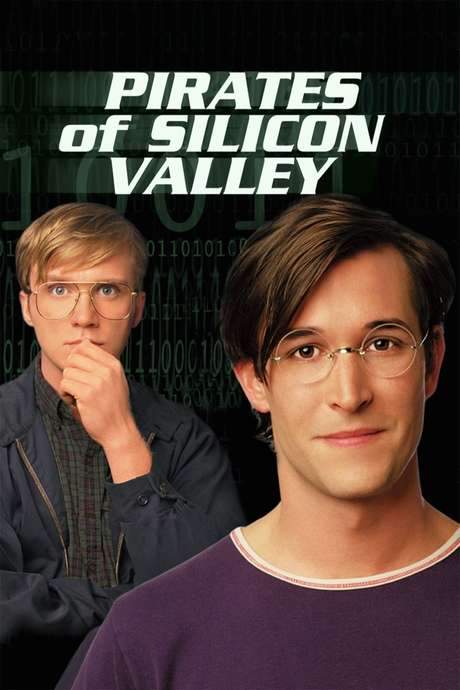
Pirates of Silicon Valley is a 1999 drama directed by Martyn Burke, starring Anthony Michael Hall as Bill Gates, Noah Wyle and J.G. Hertzler. It runs 1 hour 37 minutes.
- Released
- Runtime
- 1h 37m (97 min)
- Director
- Martyn Burke
- Genre
- Drama
- Original language
-
 English
 - Studio
- Turner Network Television
- After the credits
- No No extra scene
What Is Pirates of Silicon Valley About?
The premise of Pirates of Silicon Valley without spoilers. The whole story is in the plot summary further down.
A dramatized true‑life account of Bill Gates and Steve Jobs, following their early ambitions, college challenges, and the founding of Microsoft and Apple. It chronicles their rivalry, daring strategies, and the pivotal decisions that grew modest startups into worldwide technology empires that transformed modern computing.
Pirates of Silicon Valley Themes & Keywords
· 50 tags- microsoft
- apple computer
- business rivalry
- software company
- feet on table
- barefoot male
- bare feet on table
- hare krishna
- man wears eyeglasses
- phreaking
- character repeats someone else's dialogue
- reference to genghis khan
+38 more Show fewer
- reference to attila the hun
- reference to vlad the impaler
- bill gates character
- steve jobs character
- genius
- pc
- technology
- leather jacket
- jacket
- overalls
- bare feet
- flower
- computer
- college
- paranoia
- euphoria
- bad trip
- tripping
- acid trip
- repeated line
- end of friendship
- new beginning
- strained relationship
- place name in title
- reference to plato
- hippie
- apple macintosh computer
- wealth
- talking to the camera
- software
- singing in a car
- roller skating
- pep talk
- motivational speaker
- loud shirt
- job interview
- ibm
- hospital
Pirates of Silicon Valley Cast & Characters
Anthony Michael Hall leads the cast as Bill Gates, with Noah Wyle as Steve Jobs and J.G. Hertzler as Ridley Scott. Directed by Martyn Burke; 24 actors are credited in all.
- Director Martyn Burke
-
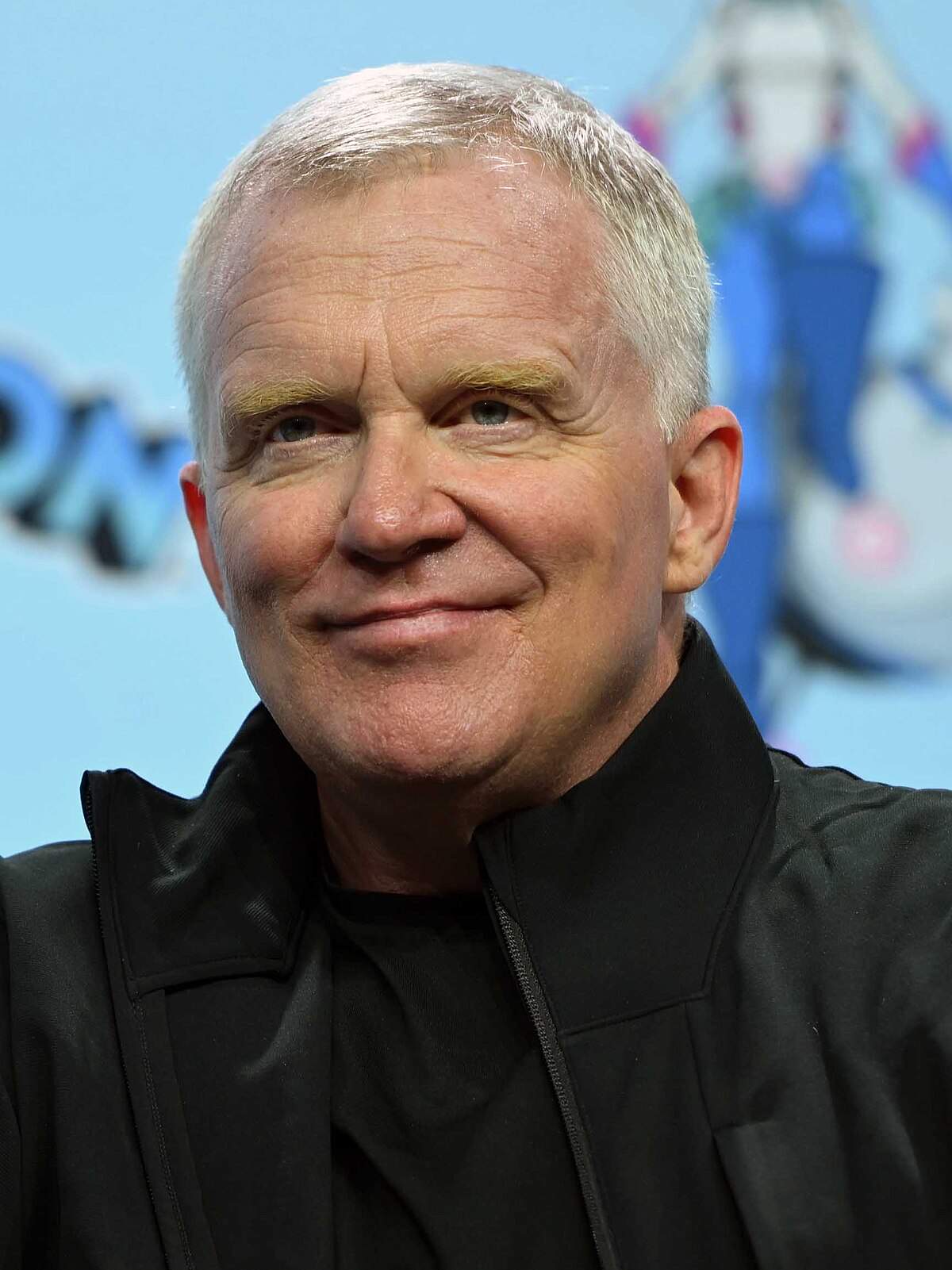 Anthony Michael Hall as Bill Gates
 - Noah Wyle as Steve Jobs
- J.G. Hertzler as Ridley Scott
- Joey Slotnick as Steve Wozniak
Also Starring in Pirates of Silicon Valley
· 20 more- Sheila Shaw Mrs. Wozniak
- John DiMaggio Steve Ballmer
- Josh Hopkins Paul Allen
- Gailard Sartain Ed Roberts
- Jeffrey Nordling Mike Markkula
- Gema Zamprogna Arlene
- Bodhi Elfman John Gilmore (as Bodhi Pine Elfman)
- Allan Royal John Sculley
- Wayne Pére Captain Crunch
- Allan Kolman Therapeut
- Paul Popowich Jones
- Brian Gattas Adamson
- Marc Worden Chris Larson
- Karl Wiedergott Mac Designer
- Doug Cox Job Applicant
- Marcus Giamatti Dan Kottke
Show all 24 cast members Show fewer cast members
- Melissa McBride Elizabeth Holmes
- Gerald McCullouch Rod Brock
- Michael Francis Clarke IBM Executive #1
- Michael Bryan French IBM Executive #2
Pirates of Silicon Valley Plot Summary
What happens in Pirates of Silicon Valley from start to finish, spoilers included, with a timeline of 13 key events. The opening is below; the full summary is a 5-minute read.
Spoilers ahead
Steve Jobs sits down with director Ridley Scott to talk through the bold idea behind the 1984 Macintosh advertisement, a moment that frames the film’s broader look at how a single vision can collide with the stark realities of making technology consumer-ready. Jobs insists on a larger purpose behind the project, framing it as the birth of “a completely new consciousness,” while Scott remains focused on the practical craft of production and the mechanics of bringing the commercial to life.
Full summary
The whole story of Pirates of Silicon Valley, scene by scene
Pirates of Silicon Valley Trailers & Videos
The trailer of Pirates of Silicon Valley.
How Well Do You Know Pirates of Silicon Valley?
9 questions about the story, each with a hint if you get stuck. Pick an answer to see whether you were right.
Question 1 of 9
- Question 1: not answered
- Question 2: not answered
- Question 3: not answered
- Question 4: not answered
- Question 5: not answered
- Question 6: not answered
- Question 7: not answered
- Question 8: not answered
- Question 9: not answered
Which two engineers serve as the primary narrators of the film?
Cars in Pirates of Silicon Valley
34 cars on screen, including the 1966 Chevrolet Corvair and the 1986 Mercedes-Benz 560 SL R107.
-
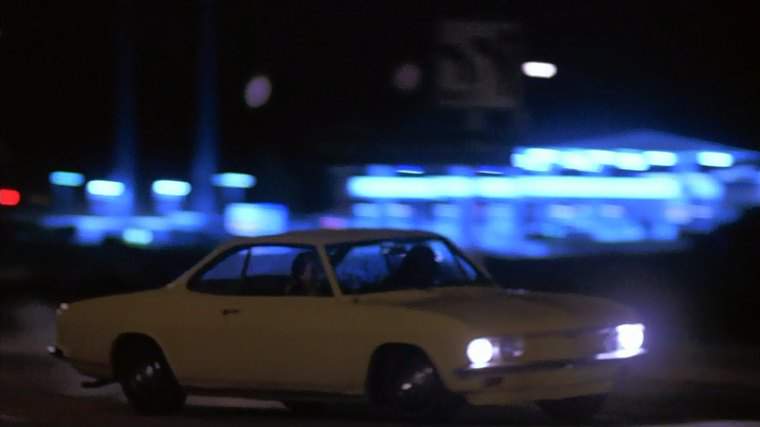 1966 Chevrolet Corvair Important role
 -
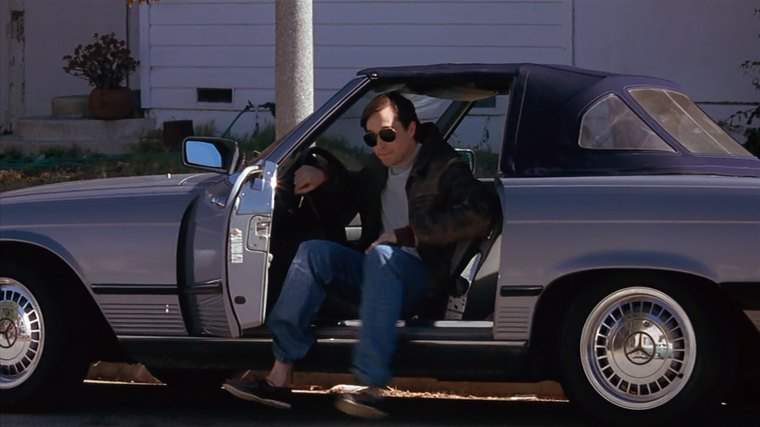 1986 Mercedes-Benz 560 SL R107 Important role
 -
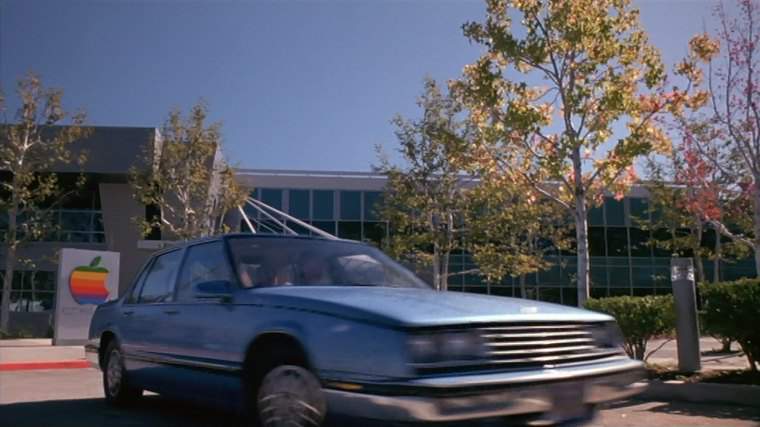 1986 Buick LeSabre Minor role
 -
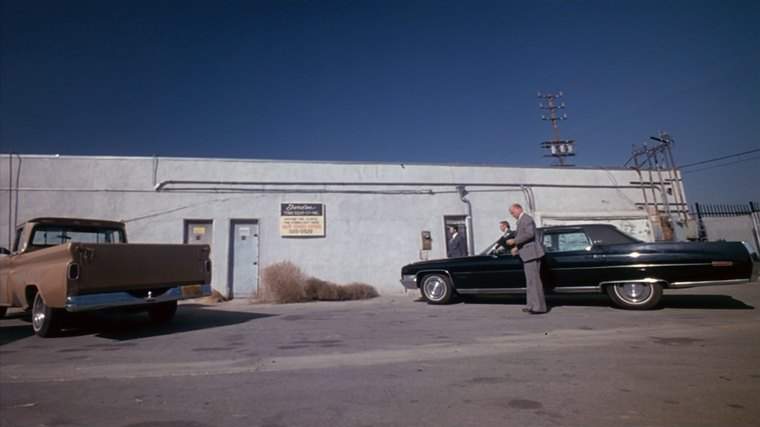 1971 Cadillac Fleetwood 60 Special Brougham Minor role
Pirates of Silicon Valley Also Known As
27 alternative titles, including “Piratas do Vale do Silício” and “I pirati della Silicon Valley”.
- Also known as
-
- Piratas do Vale do Silício
- I pirati della Silicon Valley
- Piratas de Silicon Valley
- Számító emberek
- Die Silicon Valley Story
- I pirati di Silicon Valley
- Silikon Vadisi Korsanları
- Les Pirates de la Silicon Valley
- Пираты кремниевой долины
- 硅谷传奇
- Piraterna vid Silicon Valley
- A szilikonvölgy kalózai
+15 more Show fewer
- Piraterne fra Silicon Valley
- Piraci z Krzemowej Doliny
- Piráti ze Silicon Valley
- 실리콘 밸리의 신화
- Οι πειρατές της Σίλικον Βάλεϊ
- バトル・オブ・シリコンバレー
- שודדי עמק הסיליקון
- Pirații Văii Siliciului
- Piratas da Informática
- Пірати Кремнієвої долини
- Piráti zo Silicon Valley
- Пиратите от Силиконовата долина
- 微軟英雄
- บิล เกทส์ เหนืออัจฉริยะ
- Pirati silicijske doline
Seen Pirates of Silicon Valley?
Movies Like Pirates of Silicon Valley
Films with a similar story, tone or audience, including Jobs, Silicon Cowboys and Steve Jobs: Man in the Machine.
-
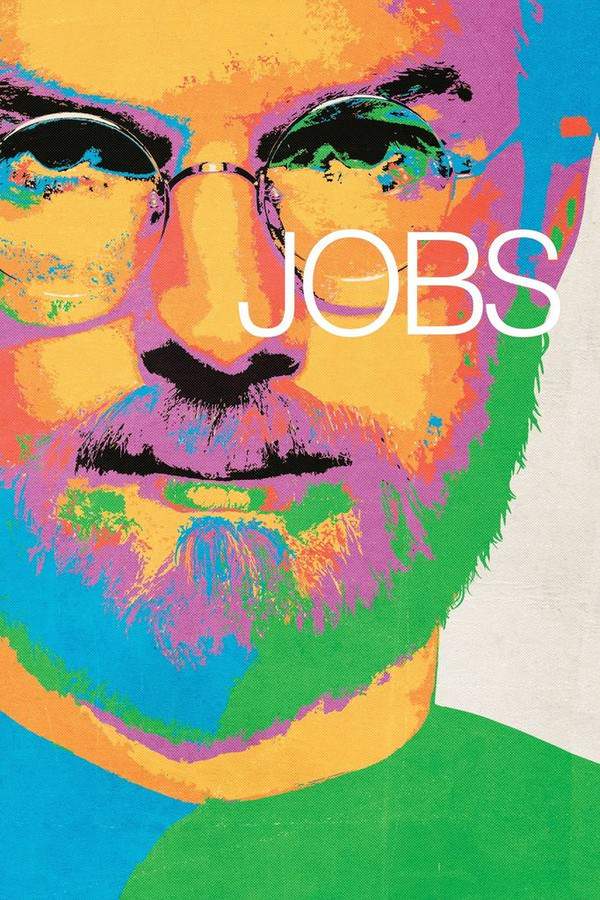 Jobs 2013
 -
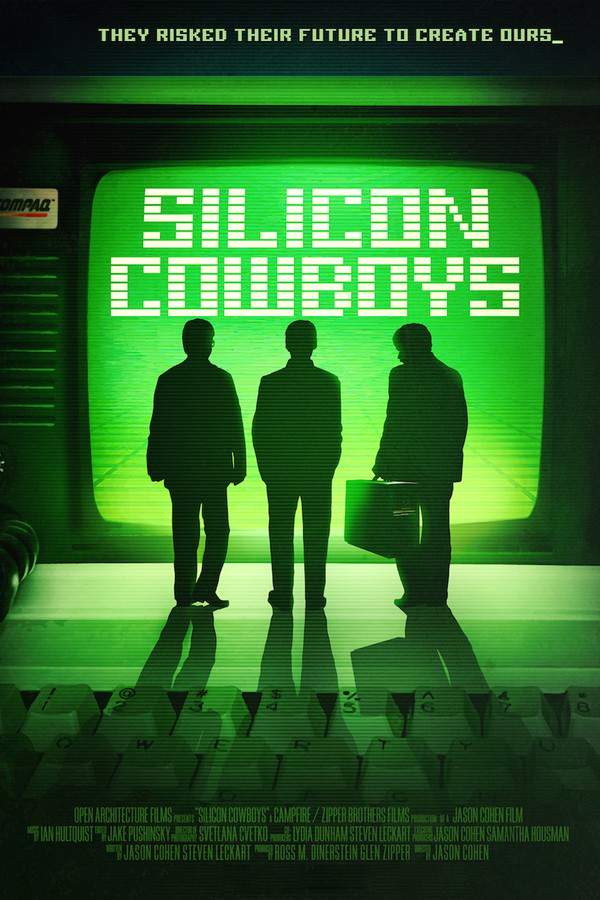 Silicon Cowboys 2016
 -
 Steve Jobs: Man in the Machine 2015
 -
 Inside Bill’s Brain: Decoding Bill Gates 2019
 -
 Steve Jobs: The Lost Interview 2012
 -
 The Inventor: Out for Blood in Silicon Valley 2019
 -
 The Triumph of the Nerds: The Rise of Accidental Empires 1996
 -
 The Billion Dollar Code 2021
 -
 Valley of the Boom 2019
 -
 Revolution OS 2002
 -
 Hackers: Wizards of the Electronic Age 1984
 -
 General Magic 2019
Pirates of Silicon Valley FAQ: Cast & Runtime
Runtime, release date, director, cast and post-credit scenes of Pirates of Silicon Valley, each answered in a sentence.
How long is Pirates of Silicon Valley?
Pirates of Silicon Valley runs 1 hour 37 minutes (97 minutes).
When was Pirates of Silicon Valley released?
Pirates of Silicon Valley was released on May 10, 1999.
Who directed Pirates of Silicon Valley?
Pirates of Silicon Valley was directed by Martyn Burke.
More films by Martyn Burke Who is in the cast of Pirates of Silicon Valley?
Pirates of Silicon Valley stars Anthony Michael Hall as Bill Gates, Noah Wyle as Steve Jobs and J.G. Hertzler as Ridley Scott, among 24 credited actors.
Does Pirates of Silicon Valley have a post-credit scene?
No. Pirates of Silicon Valley has no extra scene during or after the credits.
Coming soon to your phone
The Plot Explained Movie Summary App
From blockbusters to hidden gems: plot summaries, endings explained and timelines on your phone. Save your favorites and never miss a twist again.
Be the first to know when it launches. Your email stays private, always. Learn more about the app
