Perumthachan 1991

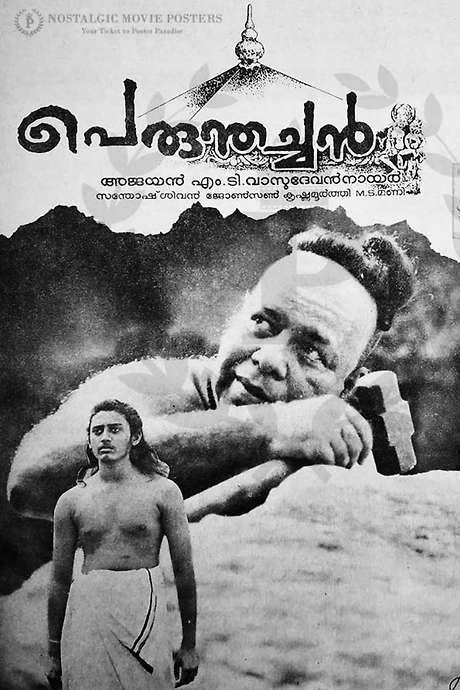
The film tells the legend of Perumthachan, the famed master builder of Kerala folklore, whose reputation as both creator and destroyer is central to the story. Inspired by the Parayi Petta Panthirukulam tale, it examines the generational clash between a gifted carpenter and his progressive son, highlighting tension between tradition and innovation.


Does Perumthachan have end credit scenes?
No!
Perumthachan does not have end credit scenes. You can leave when the credits roll.
Meet the Full Cast and Actors of Perumthachan
Explore the complete cast of Perumthachan, including both lead and supporting actors. Learn who plays each character, discover their past roles and achievements, and find out what makes this ensemble cast stand out in the world of film and television.

Prashanth
Kannan Vishwakarman
Babu Namboothiri
Kesavan
Vinaya Prasad
Bhargavi Thampuratti
Thilakan
Raman / Perumthachan
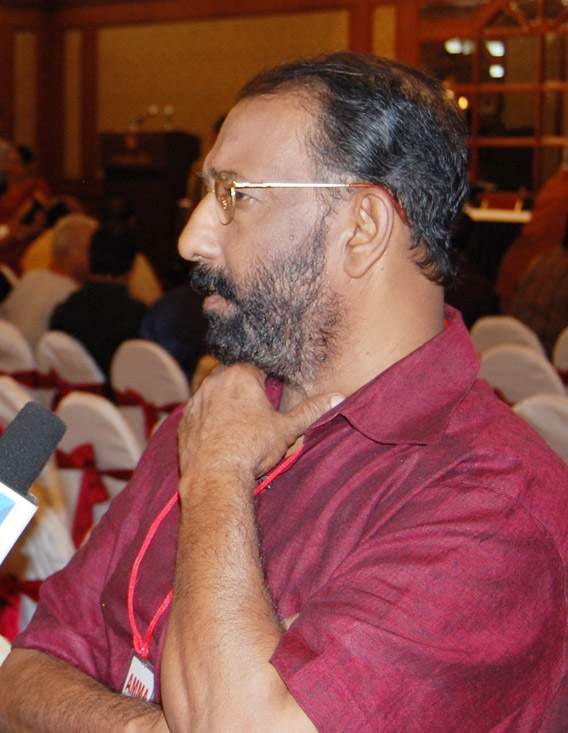
Nedumudi Venu
Unni Thampuran
Kozhikode Narayanan Nair
Mooss
Manoj K Jayan
Neelakantan
Jalaja
Devaki
M S Thrippunithura
Mani Embrandiri
Sreelatha Menon
Thozhi
Monisha Unni
Kunhikkavu Thamburatti
T. P. Mahadevan
Pramani, the village chief
External Links and Streaming Options
Discover where to watch Perumthachan online, including streaming platforms, rental options, and official sources. Compare reviews, ratings, and in-depth movie information across sites like IMDb, TMDb, Wikipedia or Rotten Tomatoes.





Take the Ultimate Perumthachan Movie Quiz
Challenge your knowledge of Perumthachan with this fun and interactive movie quiz. Test yourself on key plot points, iconic characters, hidden details, and memorable moments to see how well you really know the film.
Perumthachan (1991) Quiz: Test your knowledge of the film Perumthachan, its characters, themes, and key plot points.
Who is the pious master carpenter featured in the film?
Full Plot Summary and Ending Explained for Perumthachan
Read the complete plot summary of Perumthachan, including all major events, twists, and the full ending explained in detail. Explore key characters, themes, hidden meanings, and everything you need to understand the story from beginning to end.
Perumthachan, Thilakan, is a pious and disciplined master carpenter whose life moves with the quiet authority of someone who builds temples and carves sacred forms for a living. Born into a Vishwabrahmin lineage but navigating a mixed-caste world, he finds balance in his craft, his faith, and the unspoken codes that govern his era. His world is one of order, ritual, and beauty, where a single carved statue can carry the weight of a community’s memory.
His son, Kannan Vishwakarman, Prashanth, grows beside him with a more restless flame. Charismatic and immensely skilled, Kannan questions the strict boundaries of tradition that shape artistic practice and social standing. He moves through life with a bold sense of possibility, and soon his path intersects with love that could fracture the very foundations of the family and the world they inhabit. The young man’s heart is captured by Kunhikkavu Thamburatti, Monisha Unni, Bhargavi Thampuratti’s daughter, a union that promises both charm and trouble in equal measure.
Raman Perumthachan’s reputation stretches beyond his skill; many tell of him as the reincarnation of Vishwakarma, the divine architect who shapes the heavens as easily as he shapes wood. He is known as an extraordinary wood-carver, sculptor, and architect, a man who seems to carry a spark of the gods within his hands. Yet there are whispers about his lineage—raised as a carpenter from a Vishwabrahmin family, he himself questions the possibility that he might somehow be the son of a Nambudiri Brahmin, Orthodox Kerala nobility. He regards such speculation with amused skepticism, even as it gnaws at the edges of his identity.
One evening, a temple servant struggles to light a stone lamp against a gusting wind. A man nearby rises and shields the flame with a stone slab. The stranger, who wears the sacred thread, is mistaken for a Nambudiri, but he clarifies that he is a carpenter who forgot to remove his thread after finishing a temple project. The servant quickly realizes that this man is the legendary Perumthachan, returned to the world to cast new light on old stones and new souls alike.
Perumthachan reconnects with a childhood friend who has become the head of a wealthy royal household, Unni Thampuran, Nedumudi Venu. This friend asks him to oversee the construction of a sacred shrine and to sculpt the image of the goddess for the family’s temple. The moment is charged with both professional pride and the ache of a forbidden attraction: Bhargavi Thampuratti, Vinaya Prasad, the wife of the house, intrigues him with her beauty, and he finds the goddess’s face already taking on her likeness in his mind. He resists acting on these feelings, knowing that desire could destabilize a fragile social balance and bring ruin to those around him.
Meanwhile, Kannan matures into a talented and magnetic figure, admired for his skill and charisma, yet increasingly heedless of the traditional rules that once guided his father’s world. Perumthachan admires his son’s gifts but worries about his growing self-centeredness and the more modern, material view of art and status that Kannan embodies. Bhargavi’s wish to see a Saraswati mandapam—an architectural and sculptural tribute that would enshrine knowledge and culture—becomes a focal point. Kunhikkavu Thamburatti, now a bridge between generations, chooses Kannan for this important task, setting in motion a collision of love, ambition, and legacy.
As Kannan’s relationship with Kunhikkavu deepens, the palace’s politics and the weight of tradition tighten around the family. Kunhikkavu’s father, bearing the heavy burden of family honor, makes his disappointment clear to Perumthachan: he would rather see tragedy than dishonor stain their lineage. Perumthachan takes up the responsibility of guiding the temple’s construction and, in his attempts to steer his son away from danger, pleads for Kannan to end the relationship. But Kannan refuses to yield, clinging to a love that promises both beauty and ruin.
In a moment of desperate resolve, Perumthachan’s chisel falls, and a fatal blow lands on Kannan’s neck during the final stages of the temple’s work. The act is not merely a killing; it tears through generations, testing the bonds of family, tradition, and faith. The village bears witness to the severity of the transgression, and in the wake of this catastrophe, Perumthachan can no longer bear the consequences chasing him. He burns his own home and, overwhelmed by guilt and fear of retribution, ends his life, seeking release from a world that will never fully understand the price of his craft and his choices.
The tragedy leaves the community to reckon with the dementia of tradition and the bright, dangerous flame of rebellion that refuses to be silenced. It is a story of exceptional artistry and its limits, of a man who might be a bridge between worlds—wood and stone, temple and home, reverence and longing—and of a son who embodies the tension between ancestral rule and the lure of a different future. And while the legend of Perumthachan endures in whispers and stone, the film insists on the human costs of beauty pursued at any price, as the craftsman’s legacy becomes inseparable from the fate of those he loves.

Coming soon on iOS and Android
The Plot Explained Mobile App
From blockbusters to hidden gems — dive into movie stories anytime, anywhere. Save your favorites, discover plots faster, and never miss a twist again.
Sign up to be the first to know when we launch. Your email stays private — always.
Explore the mobile appDiscover Film Music Concerts Near You – Live Orchestras Performing Iconic Movie Soundtracks
Immerse yourself in the magic of cinema with live orchestral performances of your favorite film scores. From sweeping Hollywood blockbusters and animated classics to epic fantasy soundtracks, our curated listings connect you to upcoming film music events worldwide.
Explore concert film screenings paired with full orchestra concerts, read detailed event information, and secure your tickets for unforgettable evenings celebrating legendary composers like John Williams, Hans Zimmer, and more.


Perumthachan Themes and Keywords
Discover the central themes, ideas, and keywords that define the movie’s story, tone, and message. Analyze the film’s deeper meanings, genre influences, and recurring concepts.
Perumthachan Other Names and Titles
Explore the various alternative titles, translations, and other names used for Perumthachan across different regions and languages. Understand how the film is marketed and recognized worldwide.
Similar Movies To Perumthachan You Should Know About
Browse a curated list of movies similar in genre, tone, characters, or story structure. Discover new titles like the one you're watching, perfect for fans of related plots, vibes, or cinematic styles.

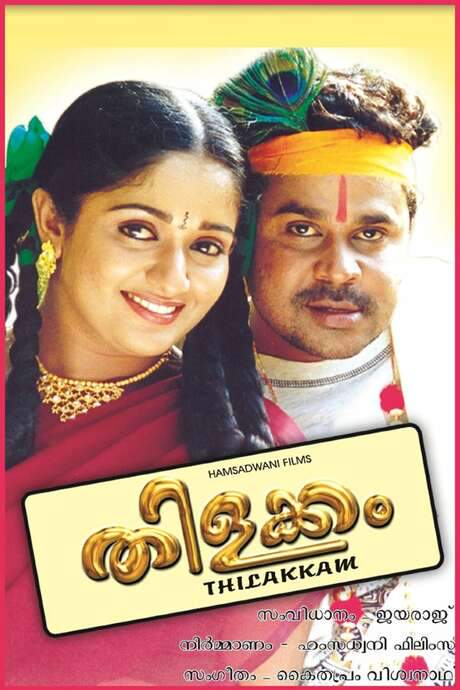
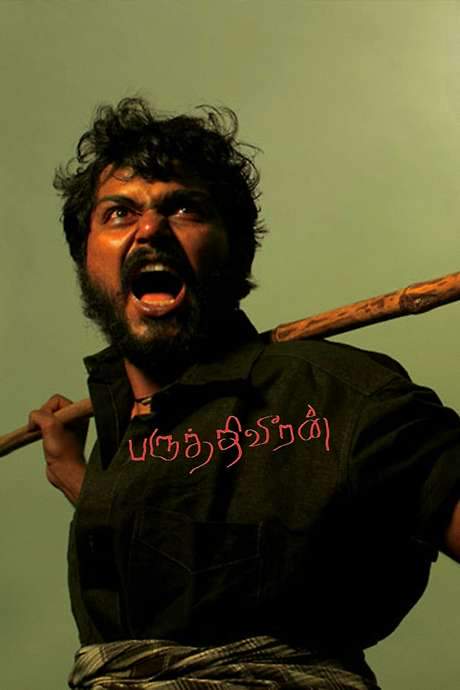



Quick Links: Summary, Cast, Ratings, More

What's After the Movie?
Not sure whether to stay after the credits? Find out!
Check out our other apps:

SAT Sphere
Build confidence for the Digital SAT.

Mori Atlas
Discover wild places worth protecting.

Luntero
Search smarter for a home in Amsterdam.

Plot Explained
Unravel movie endings and hidden clues.

Pokechamp
Dive into Pokémon data and battle logic.

Driving Theory
Get ready for your European theory test.

Movie Dust
Plan your next cinema trip with ease.

Musemap
Find art and culture as you travel.

Selkobase
Compare credentials before committing.

Local Manual
Turn an unfamiliar country into practical next steps.

Lernavi
Compare school systems before your next move.

GymRoam
Find a workout stop wherever your plans take you.
Explore Our Movie Platform
New Movie Releases (2026)
Famous Movie Actors
Top Film Production Studios
Movie Plot Summaries & Endings
Major Movie Awards & Winners
Best Concert Films & Music Documentaries
Movie Collections and Curated Lists
© 2026 What's After the Movie. All rights reserved.
Privacy Policy