Pawn Sacrifice 2015

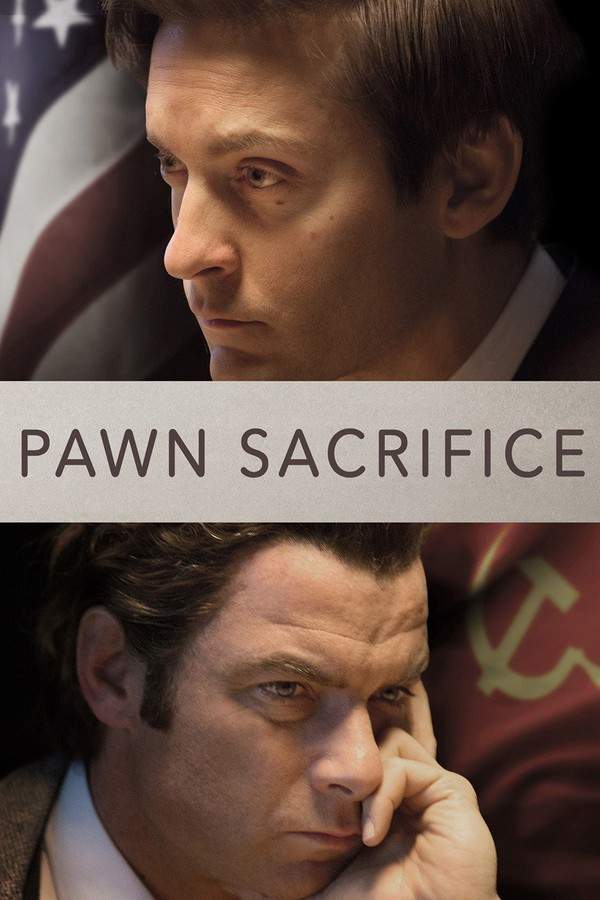
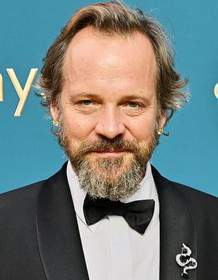
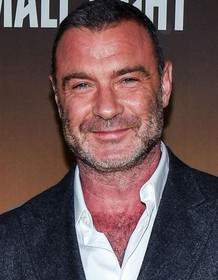
During the height of the Cold War, American chess prodigy Bobby Fischer, portrayed by Tobey Maguire, takes on Soviet Grandmaster Boris Spassky, played by Liev Schreiber, in the 1972 World Chess Championship. This gripping drama explores the intense rivalry and psychological pressures faced by both players as their iconic match becomes a proxy battle between the United States and the Soviet Union, captivating audiences worldwide. The film delves into Fischer's complex personality and the extraordinary circumstances surrounding this pivotal moment in sporting history.

Does Pawn Sacrifice have end credit scenes?
No!
Pawn Sacrifice does not have end credit scenes. You can leave when the credits roll.
Where to Watch Pawn Sacrifice
See current US streaming, rental, and purchase options for Pawn Sacrifice (2015) via JustWatch.

Hoopla
SD
Kanopy
HD
Fandango at Home Free
HD
Plex
HD
Plex Channel
HD
Tubi TV
SD
YouTube Free
HD
Amazon Video
HD
Apple TV Store
HDFandango At Home
HD
Google Play Movies
SD
YouTube
SDStreaming availability powered by 
Meet the Full Cast and Actors of Pawn Sacrifice
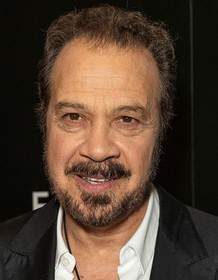
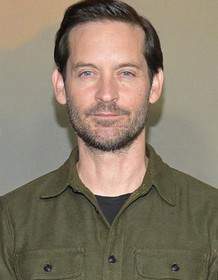
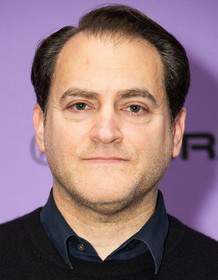
Explore the complete cast of Pawn Sacrifice, including both lead and supporting actors. Learn who plays each character, discover their past roles and achievements, and find out what makes this ensemble cast stand out in the world of film and television.

External Links and Streaming Options
Discover where to watch Pawn Sacrifice online, including streaming platforms, rental options, and official sources. Compare reviews, ratings, and in-depth movie information across sites like IMDb, TMDb, Wikipedia or Rotten Tomatoes.











Ratings and Reviews for Pawn Sacrifice
See how Pawn Sacrifice is rated across major platforms like IMDb, Metacritic, and TMDb. Compare audience scores and critic reviews to understand where Pawn Sacrifice stands among top-rated movies in its genre.

65
Metascore
7.0
User Score


73%
TOMATOMETER

66%
User Score

67
%
User Score

3.3
From 120 fan ratings
4.33/5
From 12 fan ratings
Take the Ultimate Pawn Sacrifice Movie Quiz
Challenge your knowledge of Pawn Sacrifice with this fun and interactive movie quiz. Test yourself on key plot points, iconic characters, hidden details, and memorable moments to see how well you really know the film.
Pawn Sacrifice Quiz: Test your knowledge on the complex story of Bobby Fischer and his journey in the world of chess as depicted in Pawn Sacrifice.
What year does the film Pawn Sacrifice primarily take place?
Full Plot Summary and Ending Explained for Pawn Sacrifice
Read the complete plot summary of Pawn Sacrifice, including all major events, twists, and the full ending explained in detail. Explore key characters, themes, hidden meanings, and everything you need to understand the story from beginning to end.
As the year 1972 unfolds, Bobby Fischer’s hotel room stands in disarray, mirroring his profound paranoia as he becomes increasingly convinced that the Soviet KGB is tracking his every move. Decades prior, in the harsh streets of Brooklyn, young Bobby received stern warnings from his mother, a Soviet Jewish immigrant with Marxist beliefs, about the FBI’s watchful eye, teaching him essential strategies to deal with any potential encounters with law enforcement.
Emerging from this chaotic upbringing, Fischer developed an intense obsession with chess that propelled him to expertise. Despite his mother’s fears that his fixation was consuming him, she introduced him to an adult chess club, where he managed to impress a resident grandmaster, ultimately earning a spot as a student. Bobby swiftly made his mark on the chess world by breaking records, claiming the title of the youngest grandmaster in history.
Despite his brilliance, Fischer’s singular focus often resulted in outbursts, spurred by his aversion to distractions. Upon participating in a team tournament in Varna, Bulgaria, he realized that Soviet grandmasters were strategically drawing games with backing from the World Chess Federation. Fueled by rage, Fischer withdrew from the tournament, vowing never to play chess again.
Returning to the United States, Fischer found an ally in Paul Marshall, a lawyer willing to provide pro bono assistance to adjust tournament regulations, aiming to offer Bobby a fair chance in future competitions. Encouraged by Marshall, Fischer re-entered the chess arena, choosing Father William Lombardy—a former World Junior Chess Champion and Roman Catholic priest—as his second. Although Lombardy faced challenges in managing Bobby’s flamboyant behavior and unreasonable demands, he ultimately accepted the role.
As Fischer’s expertise continued to elevate, he outplayed the leading grandmasters, earning admiration and transforming into a national hero during the height of the Cold War. The Soviet Union’s stronghold over the World Chess Championship was being manipulated for propaganda, boasting Communist superiority over American democracy. Figures like U.S. President Richard Nixon and Secretary of State Henry Kissinger closely observed Fischer’s journey, hoping for a pronounced success.
In a shocking turn of events, Fischer suffered a loss to world champion Boris Spassky during a tournament in Santa Monica, California. Shortly after, an infuriated Bobby confronted Spassky on the beach, unleashing a stream of fury and frustration. Father Lombardy later confided in Marshall, sharing concerns about how intensely focusing on chess strategy adversely affected iconic players, including the troubled Fischer.
As Bobby’s drive for the world title intensifies, the relentless pressure begins to disassemble his mental state, leading him down paths of paranoia and delusion. His sister Joan (not portrayed by a specific actor) notes, while quoting from Bobby’s own letters, his growing belief that Communists conspired with International Jewry against him—a delusion particularly ironic given his Jewish background. Concerned for her brother’s well-being, Joan urges Marshall to secure psychiatric intervention, but he remains doubtful as Bobby’s mental condition worsens.
As the chess community gathers in Reykjavík, Iceland, for the monumental 1972 World Chess Championship match between Bobby and Spassky, the atmosphere is charged with tension. Bobby struggles to maintain his focus, disrupted by countless minor distractions: the sounds of cameras, rustling spectators, and the feel of the chessboard. His unpredictable actions culminate in a shocking no-show for game two, inciting Spassky’s ire.
Yet, Bobby’s unconventional tactics shine in game three, where he adopts an unusual strategy leading to victory. Game four concludes in a draw, but momentum shifts in game five when Bobby triumphs, stirring even the typically composed Spassky to exhibit signs of paranoia. As the anticipation builds over the next game, Bobby stuns everyone in game six by utilizing a never-before-seen opening move, leaving Spassky in disbelief and ultimately prompting his resignation, inciting a thunderous ovation for Fischer’s resounding success.
In the aftermath, it is revealed that Bobby secured the championship, with his sixth game against Spassky celebrated as the greatest chess match to ever occur. Unfortunately, Bobby’s mental turmoil continued to escalate, culminating in his forfeiture of the title, leading him to live a life as a fugitive from U.S. legal actions until his passing in 2008.

Coming soon on iOS and Android
The Plot Explained Mobile App
From blockbusters to hidden gems — dive into movie stories anytime, anywhere. Save your favorites, discover plots faster, and never miss a twist again.
Sign up to be the first to know when we launch. Your email stays private — always.
Explore the mobile appWatch Trailers, Clips & Behind-the-Scenes for Pawn Sacrifice
Watch official trailers, exclusive clips, cast interviews, and behind-the-scenes footage from Pawn Sacrifice. Dive deeper into the making of the film, its standout moments, and key production insights.
Cars Featured in Pawn Sacrifice
Explore all cars featured in Pawn Sacrifice, including their makes, models, scenes they appear in, and their significance to the plot. A must-read for car enthusiasts and movie buffs alike.
Pawn Sacrifice Other Names and Titles
Explore the various alternative titles, translations, and other names used for Pawn Sacrifice across different regions and languages. Understand how the film is marketed and recognized worldwide.
Quick Links: Summary, Cast, Ratings, More

What's After the Movie?
Not sure whether to stay after the credits? Find out!
Check out our other apps:

SAT Sphere
Build confidence for the Digital SAT.

Mori Atlas
Discover wild places worth protecting.

Luntero
Search smarter for a home in Amsterdam.

Plot Explained
Unravel movie endings and hidden clues.

Pokechamp
Dive into Pokémon data and battle logic.

Driving Theory
Get ready for your European theory test.

Movie Dust
Plan your next cinema trip with ease.

Musemap
Find art and culture as you travel.

Selkobase
Compare credentials before committing.

Local Manual
Turn an unfamiliar country into practical next steps.

Lernavi
Compare school systems before your next move.

GymRoam
Find a workout stop wherever your plans take you.
Explore Our Movie Platform
New Movie Releases (2026)
Famous Movie Actors
Top Film Production Studios
Movie Plot Summaries & Endings
Major Movie Awards & Winners
Best Concert Films & Music Documentaries
Movie Collections and Curated Lists
© 2026 What's After the Movie. All rights reserved.
Privacy Policy