Oppenheimer 1980

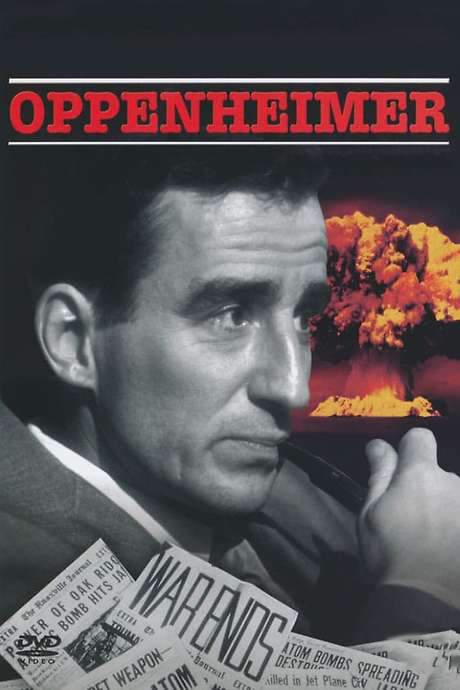
This seven-part series highlights scientist J. Robert Oppenheimer from 1938 to 1953 as he develops the Atomic bomb.

Does Oppenheimer have end credit scenes?
No!
Oppenheimer does not have end credit scenes. You can leave when the credits roll.
Meet the Full Cast and Actors of Oppenheimer
Explore the complete cast of Oppenheimer, including both lead and supporting actors. Learn who plays each character, discover their past roles and achievements, and find out what makes this ensemble cast stand out in the world of film and television.
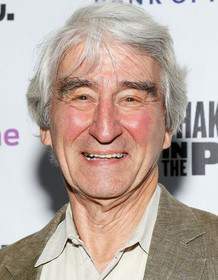
Sam Waterston
Robert Oppenheimer
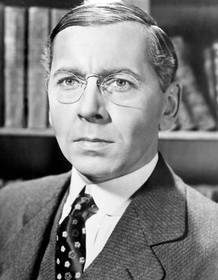
Alexander Knox
Henry Stimson
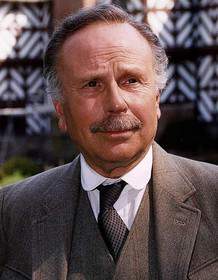
Edward Hardwicke
Enrico Fermi

Shane Rimmer
Ed Condon
Garrick Hagon
Frank Oppenheimer
David Suchet
Edward Teller
Christopher Muncke
Colonel Kenneth Nichols
Christopher Malcolm
Steve Nelson
Barry Davis
Phil Brown
Lewis Strauss
Barry Dennen
Isidor Rabi
John Carson
Narrator
Peter Banks
Joseph Volpe
Bob Sherman
Ernest Lawrence
Ron Berglas
John Manley
Milton Johns
George Kistiakowsky
Jana Shelden
Kitty Oppenheimer
James Maxwell
Lloyd Garrison
Matthew Guinness
Hans Bethe
David Baxt
Colonel John Lansdale
Colin Bennett
Seth Neddermeyer
External Links and Streaming Options
Discover where to watch Oppenheimer online, including streaming platforms, rental options, and official sources. Compare reviews, ratings, and in-depth movie information across sites like IMDb, TMDb, Wikipedia or JustWatch.





Take the Ultimate Oppenheimer Movie Quiz
Challenge your knowledge of Oppenheimer with this fun and interactive movie quiz. Test yourself on key plot points, iconic characters, hidden details, and memorable moments to see how well you really know the film.
Oppenheimer Quiz: Test your knowledge of the 1980 film Oppenheimer with these 10 mixed‑difficulty questions.
In what year does the film open with J. Robert Oppenheimer's security hearing?
Full Plot Summary and Ending Explained for Oppenheimer
Read the complete plot summary of Oppenheimer, including all major events, twists, and the full ending explained in detail. Explore key characters, themes, hidden meanings, and everything you need to understand the story from beginning to end.
The film opens in 1954 with a tense security hearing for the renowned physicist J. Robert Oppenheimer [sam-waterston], focusing on his past associations and political beliefs. Throughout the movie, we see scenes shifting between this present-day investigation and key moments from Oppenheimer’s earlier life, revealing the complex web of personal, political, and scientific conflicts that shaped his career.
The story revisits Oppenheimer’s youthful ambitions in 1924 when he studies physics at Cambridge under the guidance of Patrick Blackett. Eager to attend a lecture by the influential Niels Bohr [kenneth-branagh], Oppenheimer, in a moment of bravado, secretly injects potassium cyanide into an apple on Blackett’s desk to challenge him, but later manages to meet Bohr himself after stopping him from eating the poisoned fruit. Impressed by his sharp intellect and curiosity, Bohr encourages Oppenheimer to pursue further education, believing his potential is best realized through independent study.
Oppenheimer then travels to Göttingen, where he works toward his PhD with notable figures like Isidor Rabi [david-krumholtz] and Werner Heisenberg. His admiration for Heisenberg’s work profoundly influences him. Returning to the United States, Oppenheimer begins teaching at Berkeley, where he earns the affection of students and colleagues alike, including Ernest Lawrence [josh-hartnett], a Nobel laureate. His initial lectures attract only a handful of students but soon grow into a large, vibrant class.
His personal life becomes intertwined with his political views when he attends Communist Party gatherings with his younger brother Frank [dylan-arnold] and makes acquaintances such as Haakon Chevalier. Oppenheimer also carries on a romantic relationship with Jean Tatlock [florence-pugh], with whom he shares intimate moments and intellectually stimulating conversations. After Jean’s death by apparent overdose, Oppenheimer’s troubled mental state surfaces, hinting at underlying guilt and turmoil.
Meanwhile, Oppenheimer’s political leanings and associations draw the attention of government officials. Katherine “Kitty” Puening [emily-blunt], a fellow Communist, becomes his wife, and together they have a son, Peter. The film depicts their tumultuous marriage, marked by Oppenheimer’s infidelity and Kitty’s struggles with alcoholism. Despite personal hardships, Oppenheimer’s reputation as a brilliant scientist leads to his recruitment by General Leslie Groves [matt-damon] to lead the Manhattan Project—a secret endeavor to develop an atomic bomb during World War II.
Oppenheimer assembles a team of top scientists at Los Alamos, including Richard Feynman, Kenneth Bainbridge, Seth Neddermeyer, and others, who work tirelessly on a project shrouded in secrecy. The scene intensifies with the arrival of Edward Teller [david-suchet], who introduces the dangerous potential of the hydrogen bomb, sparking concerns among Oppenheimer and his colleagues about the destructive power they are unleashing upon the world.
The narrative explores the moral and ethical dilemmas faced by the scientists as they realize the destructive capabilities of their work. The team carries out testing at Trinity, culminating in the monumental detonation that produces a massive mushroom cloud. Oppenheimer, witnessing the explosion, famously recalls the quote from the Bhagavad Gita: > “Now I am become Death, the destroyer of worlds.” The success of the test marks a turning point but also weighs heavily on his conscience, especially as Hiroshima and Nagasaki are bombed, causing unprecedented devastation and loss of life.
As the Cold War begins, fears of Soviet espionage and nuclear proliferation intensify. Oppenheimer’s past associations, including his relationship with Chevalier and his left-leaning political views, come under scrutiny. The government, worried about communists infiltrating their project, launches a security hearing to question his loyalty. Key figures like Edward Teller and Leslie Groves give damaging testimonies, and Oppenheimer’s connections to Chevalier, Lomanitz, and other leftists are scrutinized.
During the hearings, Oppenheimer’s personal life is also examined. His ongoing affair with Jean Tatlock is brought up, culminating in her tragic death by apparent overdose, with hints that she may have been murdered to suppress her influence. His marriage to Kitty also suffers, as she grows increasingly resentful and struggles with her own demons.
Amid the investigation, Bohr [kenneth-branagh], who is brought back from Europe, warns Oppenheimer of the terrifying power they have given mankind. The film emphasizes the philosophical and moral implications of their work, with visions of global nuclear catastrophe haunting Oppenheimer’s conscience. Despite some court affirming his loyalty, his security clearance is revoked, and his political influence diminishes, marking a symbolic defeat.
In the final scenes, Oppenheimer reflects on the consequences of his scientific achievements during a conversation with Albert Einstein [tom-Conti]. They discuss the potentially world-ending chain reactions initiated by nuclear weapons. Oppenheimer, in a 1963 scene, receives the Enrico Fermi Award from Lyndon B Johnson, contemplating how their work may have doomed humanity to an uncertain future. Visions of nuclear explosions around the world flash before him, symbolizing the ongoing threat of annihilation.
Throughout the film, themes of ambition, guilt, moral responsibility, and the cost of scientific progress are explored deeply. It paints a poignant picture of one man’s journey from brilliant scientist to a haunted figure burdened by the enormous consequences of his contributions to modern warfare.

Coming soon on iOS and Android
The Plot Explained Mobile App
From blockbusters to hidden gems — dive into movie stories anytime, anywhere. Save your favorites, discover plots faster, and never miss a twist again.
Sign up to be the first to know when we launch. Your email stays private — always.
Explore the mobile appDiscover Film Music Concerts Near You – Live Orchestras Performing Iconic Movie Soundtracks
Immerse yourself in the magic of cinema with live orchestral performances of your favorite film scores. From sweeping Hollywood blockbusters and animated classics to epic fantasy soundtracks, our curated listings connect you to upcoming film music events worldwide.
Explore concert film screenings paired with full orchestra concerts, read detailed event information, and secure your tickets for unforgettable evenings celebrating legendary composers like John Williams, Hans Zimmer, and more.


Oppenheimer Themes and Keywords
Discover the central themes, ideas, and keywords that define the movie’s story, tone, and message. Analyze the film’s deeper meanings, genre influences, and recurring concepts.
Oppenheimer Other Names and Titles
Explore the various alternative titles, translations, and other names used for Oppenheimer across different regions and languages. Understand how the film is marketed and recognized worldwide.
Similar Movies To Oppenheimer You Should Know About
Browse a curated list of movies similar in genre, tone, characters, or story structure. Discover new titles like the one you're watching, perfect for fans of related plots, vibes, or cinematic styles.



Quick Links: Summary, Cast, Ratings, More

What's After the Movie?
Not sure whether to stay after the credits? Find out!
Check out our other apps:

SAT Sphere
Build confidence for the Digital SAT.

Mori Atlas
Discover wild places worth protecting.

Luntero
Search smarter for a home in Amsterdam.

Plot Explained
Unravel movie endings and hidden clues.

Pokechamp
Dive into Pokémon data and battle logic.

Driving Theory
Get ready for your European theory test.

Movie Dust
Plan your next cinema trip with ease.

Musemap
Find art and culture as you travel.

Selkobase
Compare credentials before committing.

Local Manual
Turn an unfamiliar country into practical next steps.

Lernavi
Compare school systems before your next move.

GymRoam
Find a workout stop wherever your plans take you.
Explore Our Movie Platform
New Movie Releases (2026)
Famous Movie Actors
Top Film Production Studios
Movie Plot Summaries & Endings
Major Movie Awards & Winners
Best Concert Films & Music Documentaries
Movie Collections and Curated Lists
© 2026 What's After the Movie. All rights reserved.
Privacy Policy