The Beginning or the End 1947


It uncovers a forbidden door that hides a terrifying secret, following the scientific quest, political intrigue and moral dilemmas behind the research, development and deployment of the first atomic bomb and its catastrophic bombing of Hiroshima, all portrayed with dramatized reenactments and archival material.


Does The Beginning or the End have end credit scenes?
No!
The Beginning or the End does not have end credit scenes. You can leave when the credits roll.
Meet the Full Cast and Actors of The Beginning or the End
Explore the complete cast of The Beginning or the End, including both lead and supporting actors. Learn who plays each character, discover their past roles and achievements, and find out what makes this ensemble cast stand out in the world of film and television.
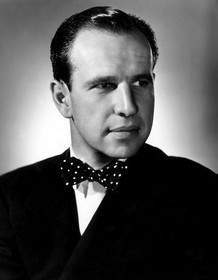
Hume Cronyn
Dr. J. Robert Oppenheimer
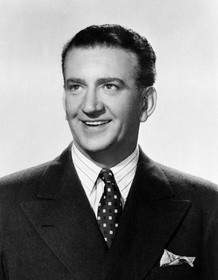
John Litel
K.T. Keller

Godfrey Tearle
President Franklin D. Roosevelt
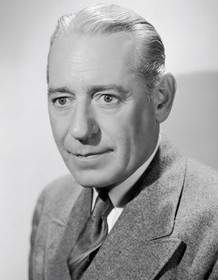
Henry O'Neill
Gen. Thomas F. Farrell

Hurd Hatfield
Dr. John Wyatt

Richard Haydn
Dr. Chisholm

Joseph Calleia
Dr. Enrico Fermi
Jonathan Hale
Dr. Vannevar Bush
Audrey Totter
Jean O'Leary
Tom Drake
Matt Cochran
Warner Anderson
Capt. William S. Parsons
Brian Donlevy
Maj. Gen. Leslie R. Groves
Victor Francen
Dr. Marre
Jerry Schumacher
Nazi Officer
Bobby Jordan
Radioman on Tinian Receiving A-Bomb Message
Beverly Tyler
Anne Cochran
Ellen Ross
Waitress
External Links and Streaming Options
Discover where to watch The Beginning or the End online, including streaming platforms, rental options, and official sources. Compare reviews, ratings, and in-depth movie information across sites like IMDb, TMDb, Wikipedia or Letterboxd.




Take the Ultimate The Beginning or the End Movie Quiz
Challenge your knowledge of The Beginning or the End with this fun and interactive movie quiz. Test yourself on key plot points, iconic characters, hidden details, and memorable moments to see how well you really know the film.
The Beginning or the End (1947) Quiz: Test your knowledge of the 1947 film "The Beginning or the End", which dramatizes the development and deployment of the atomic bomb during World War II.
Which actor portrayed Dr. J. Robert Oppenheimer in the film?
Full Plot Summary and Ending Explained for The Beginning or the End
Read the complete plot summary of The Beginning or the End, including all major events, twists, and the full ending explained in detail. Explore key characters, themes, hidden meanings, and everything you need to understand the story from beginning to end.
An opening newsreel-style sequence sets the tone, presenting atomic energy as a watershed discovery with the gravity to reshape history and even a California time capsule destined to be opened in 2446. Dr. J. Robert Oppenheimer Hume Cronyn speaks with a measured reverence for the breakthrough, praising the power of atomic energy while quietly warning that its dangers must be faced. In the shadows of war, American scientists like Matt Cochran Tom Drake, guided by Dr. Enrico Fermi Joseph Calleia and Dr. Marré Victor Francen, have effectively split the atom and, in doing so, have arguably edged ahead of Germany in the race for a weapon with the potential to end the conflict. The project gains momentum as they brief Albert Einstein on their progress, and a sense of urgent purpose travels up the chain to President Franklin D. Roosevelt Godfrey Tearle, who seconds the extraordinary push toward a wartime breakthrough.
As the United States mobilizes for total war, Roosevelt authorizes a sweeping investment—up to two billion dollars—to advance the Manhattan Project. By December 1942, at the University of Chicago, a pivotal moment arrives: a controlled nuclear chain reaction occurs under the watchful eyes of observers like Lieutenant Colonel Jeff Nixon Robert Walker and a cadre of international experts. General Leslie Groves Brian Donlevy is tasked with uniting scientists, industrial partners, and the defense establishment into a single, formidable effort. In Washington and across laboratories, bureaucratic corridors hum with the sense that history is bending toward a single, terrifying goal. On the military side, General Thomas F. Farrell Henry O’Neill and administrator K.T. Keller John Litel help steer the project through the labyrinth of wartime politics and logistics. The war rages on the Pacific front, and the administration—now under President Harry S. Truman after Roosevelt’s death—continues to back the program, pushing the scientists to accelerate their work.
The narrative then moves to the desert laboratories and the Los Alamos campus, where the project migrates as the work intensifies. Cochran and Nixon are thrust into the core operation: assembling a working atomic device and plotting its delivery to the front lines. The mission unfolds against a backdrop of perilous secrecy, relentless weather, and the constant push-pull between scientific curiosity and battlefield necessity. The film makes real the human dimension of this grand enterprise, threading in close colleagues, families, and the toll of secrecy on daily life. Jean O’Leary Audrey Totter and the Cochran family landscape the emotional stakes, while the crew—led by figures like Capt. William S. Parsons Warner Anderson and others—faces the practical and moral burdens of their assignment.
Tension crescendos as Cochran is exposed to radioactive material during the bomb’s final preparation, a grim reminder of the personal cost behind monumental discoveries. The moment arrives when the Enola Gay drops the first atomic bomb on Hiroshima on August 6, 1945, a turning point that reverberates through every facet of global politics and personal life. In the aftermath, Nixon returns home to deliver the unimaginable news to Cochran’s wife, Anne Cochran Beverly Tyler and to the broader family circle, a stark reminder of the human price paid in service of a wartime goal.
Throughout its running time, the film keeps a careful, contemplative balance between technical triumph and moral consequence. The narrative foregrounds the collaborative effort of scientists, military leaders, and civilians who contributed—often under extreme pressure—to the creation of a device with the power to end a war and redefine the nature of warfare itself. The drama does not flinch from the complexities and ambiguities of invention in wartime, presenting a textured portrait of ambition, responsibility, and the long shadow cast by a decision that forever altered history. A subtle undercurrent of tension—exemplified by the presence of a Nazi Officer Jerry Schumacher—reminds viewers that the stakes extended beyond American shores, shaping the global balance in ways that would continue to unfold long after the war’s immediate end. The conclusion circles back to the film’s opening frame—a reckoning with memory, science, and the enduring question of how humanity should wield great power.

Coming soon on iOS and Android
The Plot Explained Mobile App
From blockbusters to hidden gems — dive into movie stories anytime, anywhere. Save your favorites, discover plots faster, and never miss a twist again.
Sign up to be the first to know when we launch. Your email stays private — always.
Explore the mobile appDiscover Film Music Concerts Near You – Live Orchestras Performing Iconic Movie Soundtracks
Immerse yourself in the magic of cinema with live orchestral performances of your favorite film scores. From sweeping Hollywood blockbusters and animated classics to epic fantasy soundtracks, our curated listings connect you to upcoming film music events worldwide.
Explore concert film screenings paired with full orchestra concerts, read detailed event information, and secure your tickets for unforgettable evenings celebrating legendary composers like John Williams, Hans Zimmer, and more.


The Beginning or the End Themes and Keywords
Discover the central themes, ideas, and keywords that define the movie’s story, tone, and message. Analyze the film’s deeper meanings, genre influences, and recurring concepts.
The Beginning or the End Other Names and Titles
Explore the various alternative titles, translations, and other names used for The Beginning or the End across different regions and languages. Understand how the film is marketed and recognized worldwide.
Similar Movies To The Beginning or the End You Should Know About
Browse a curated list of movies similar in genre, tone, characters, or story structure. Discover new titles like the one you're watching, perfect for fans of related plots, vibes, or cinematic styles.





Quick Links: Summary, Cast, Ratings, More

What's After the Movie?
Not sure whether to stay after the credits? Find out!
Check out our other apps:

SAT Sphere
Build confidence for the Digital SAT.

Mori Atlas
Discover wild places worth protecting.

Luntero
Search smarter for a home in Amsterdam.

Plot Explained
Unravel movie endings and hidden clues.

Pokechamp
Dive into Pokémon data and battle logic.

Driving Theory
Get ready for your European theory test.

Movie Dust
Plan your next cinema trip with ease.

Musemap
Find art and culture as you travel.

Selkobase
Compare credentials before committing.

Local Manual
Turn an unfamiliar country into practical next steps.

Lernavi
Compare school systems before your next move.

GymRoam
Find a workout stop wherever your plans take you.
Explore Our Movie Platform
New Movie Releases (2026)
Famous Movie Actors
Top Film Production Studios
Movie Plot Summaries & Endings
Major Movie Awards & Winners
Best Concert Films & Music Documentaries
Movie Collections and Curated Lists
© 2026 What's After the Movie. All rights reserved.
Privacy Policy