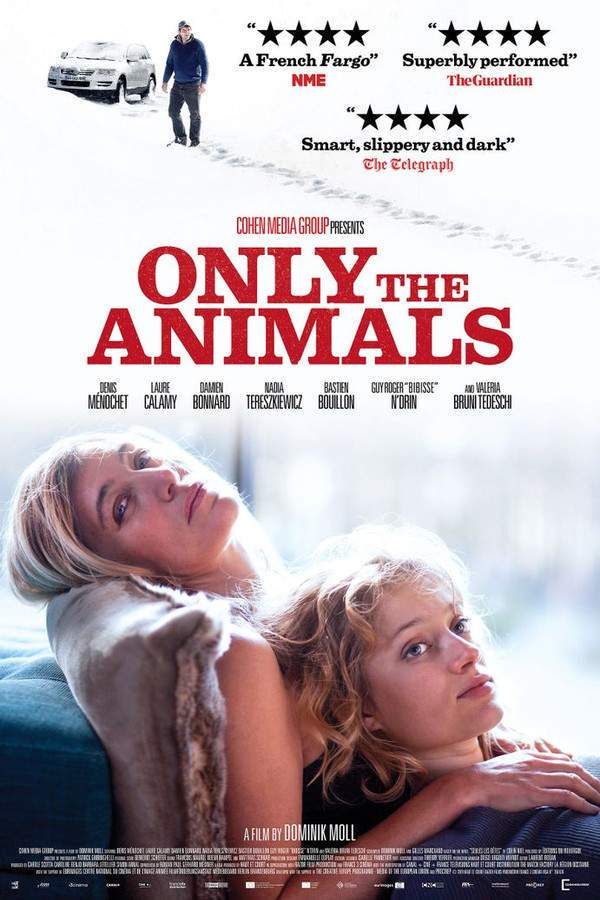
Only the Animals 2019


When a glamorous and secretive woman, Evelyne Ducat, vanishes during a blizzard in the French highlands, the lives of five people connected to her become entangled. As the local police investigate her disappearance, long-held secrets and devastating truths emerge, irrevocably changing their relationships and exposing a web of hidden connections. The investigation reveals the complex and often unsettling nature of their relationships with the missing woman.


Does Only the Animals have end credit scenes?
No!
Only the Animals does not have end credit scenes. You can leave when the credits roll.
Meet the Full Cast and Actors of Only the Animals
Explore the complete cast of Only the Animals, including both lead and supporting actors. Learn who plays each character, discover their past roles and achievements, and find out what makes this ensemble cast stand out in the world of film and television.
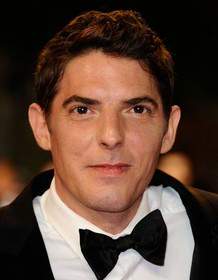
Damien Bonnard
Joseph Bonnefille, isolated farmer

Laure Calamy
Alice Farange, Michel's wife

Bastien Bouillon
Gendarme Cédric Vigier
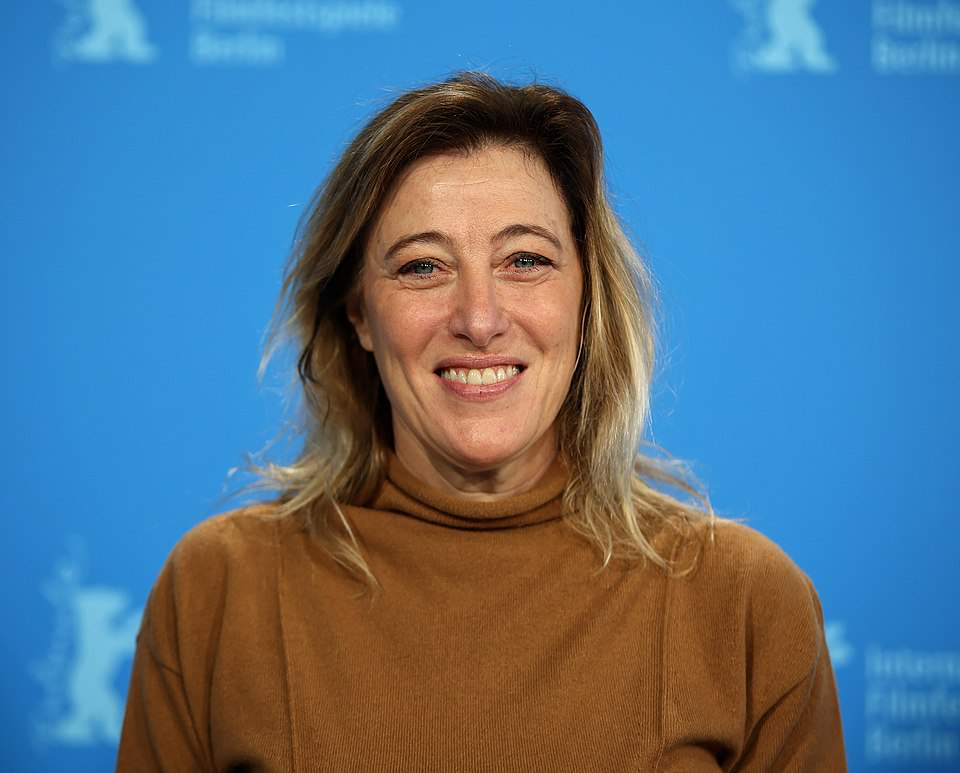
Valeria Bruni Tedeschi
Evelyne Ducat

Colin Niel
Cooperative seller
Fred Ulysse
Alice's father
Jenny Bellay
Madame Calvet
Nadia Tereszkiewicz
Marion, young lover
Roland Plantin
Guillaume Ducat
Denis Ménochet
Michel Farange
David Faure
Camping Guy
Bruno Canredon
TV journalist
Juliet Doucet
Amandine
Marie Victoire Amie
Brigitte
Guy Roger N'Drin
Armand
Yao Kouakou
Driss
Thibault Sommain
Guy who masturbates
External Links and Streaming Options
Discover where to watch Only the Animals online, including streaming platforms, rental options, and official sources. Compare reviews, ratings, and in-depth movie information across sites like IMDb, TMDb, Wikipedia or Rotten Tomatoes.






Ratings and Reviews for Only the Animals
See how Only the Animals is rated across major platforms like IMDb, Metacritic, and TMDb. Compare audience scores and critic reviews to understand where Only the Animals stands among top-rated movies in its genre.

The Movie Echo Score
Only the Animals delivers a tightly woven thriller that leans on its intricate narrative puzzle and solid performances. Critics commend the film’s direction and the way the multiple perspectives interlock, while audience reactions highlight its clever plotting and emotional resonance. Some reviewers note that later revelations can feel overly convenient, tempering enthusiasm for the story. The result is a compelling, though occasionally uneven, French crime drama that largely succeeds.
The Movie Echo Score Breakdown for Only the Animals

Art & Craft
The film’s artful direction and visual composition provide a disciplined framework for its complex narrative. Reviewers note Dominik Moll’s restrained yet precise handling, with an understated color palette that accentuates the macabre mood. The editing stitches together multiple viewpoints smoothly, and the cinematography maintains a consistent, muted tone that supports the puzzle-like structure. Together these elements elevate the material, resulting in a polished and coherent aesthetic.

Character & Emotion
Character portrayal stands out as a central strength, with the ensemble delivering nuanced and emotionally resonant performances. Critics highlight the chemistry among the leads, noting that Valeria Bruni‑Tedeschi, Laure Calamu and others embody layered personalities that reflect desperation and moral ambiguity. The script grants each figure sufficient backstory to motivate their actions, allowing audiences to invest in their intertwined fates. Consequently, the film achieves a compelling emotional core.

Story & Flow
Storywise, the film weaves an intricate puzzle that rewards attentive viewing but sometimes strains credibility. The multilayered plot introduces surprising twists and a Rashomon‑style reconstruction, praised for its cleverness and tension. However, several reviewers find later revelations overly convenient, causing a dip in narrative momentum. Overall, the storyline is ambitious and engaging, though its execution fluctuates between ingenuity and contrivance.

Sensory Experience
The sensory layer—soundtrack, sound design, and visual style—remains deliberately restrained, reinforcing the film’s bleak atmosphere. Critics comment on an understated score that never overwhelms, while muted cinematography and subtle production design heighten the tension without resorting to flashy effects. Though not particularly innovative, these choices create a cohesive mood that supports the narrative’s somber tone. The sensory experience, therefore, is consistent and serviceable.

Rewatch Factor
Rewatch potential is solid, as the film’s layered structure reveals new details on subsequent viewings. Viewers appreciate the gradual convergence of perspectives, which encourages a second look to untangle the narrative knots. While the pacing demands patience, the payoff of interlocking revelations and strong performances makes repeat screenings rewarding. Thus, the movie offers a respectable rewatch factor.
Full Plot Summary and Ending Explained for Only the Animals
Read the complete plot summary of Only the Animals, including all major events, twists, and the full ending explained in detail. Explore key characters, themes, hidden meanings, and everything you need to understand the story from beginning to end.
In a winter-painted landscape, the story unfolds through four closely linked chapters that trace the collapse of trust, desire, and illusion, beginning with a chance encounter and spiraling into a web of consequences that echo from the isolated farms of the Massif Central to a sun-baked beachfront in Sète, and finally back to the Ivory coast where a cybercrime scheme spirals toward a fateful reckoning.
In the chapter titled Alice, Laure Calamy plays Alice Farange, an insurance agent who travels to a snow-dusted sheep farm owned by Joseph Bonnefille Damien Bonnard. They greet one another with professional cordiality, seal their business, and then surrender to a passionate moment. Afterward, Alice notes that Joseph seems distracted, a tension that foreshadows the trouble to come. She returns to her own homestead—a cattle farm shared with her husband, Michel, and her father—and the blizzard warnings on the TV mingle with reports of a missing woman, Evelyne Ducat. A local gendarme, Cédric Vigier Bastien Bouillon, visits to ask questions about the case, but the Faranges stay tight-lipped even though Alice has spotted Evelyne’s abandoned car on her way home. The next day, the dynamic shifts: Alice suspects an affair, Michel confronts her, and she sees Joseph’s dog dead from a gunshot wound in the hay barn. When she returns, Michel is cryptic, then angry, and later, he disappears, leaving behind an empty car that Cedric and Alice discover.
The second chapter, centered on Joseph, reveals the farmer’s perspective as he discovers Evelyne’s corpse behind his farmhouse—the very scene Alice glimpsed earlier. He tries to move the body away but ultimately returns to the farm and constructs a hay-bale maze in the barn to shield the crime. Over the following days, Joseph talks to Evelyne in his own head, playing her music and spending nights with the imagined presence. He believes Evelyne forgives him for delaying the news of his mother’s death, and he clings to a dangerous fantasy. The dog’s barking when Evelyne’s body is disturbed draws Cedric’s suspicions during a visitation. After the dog bites at the body, Joseph shoots the animal, and the tension escalates. Realizing the risk of keeping Evelyne’s corpse in the barn, he moves it to a deep sinkhole and, in a final act of fatal resolve, follows it to his death by leaping after the body.
A shift in tone arrives with the third chapter, Marion, who appears as a young waitress in a seaside restaurant in Sète. Evelyne and Marion become lovers, and their affair deepens in Evelyne’s hotel suite. Evelyne hints that her husband accepts her secrecy, but the narrative quickly follows Marion as she chases Evelyne to a country house where the affair resumes—only to encounter resistance and distance from Evelyne. A painful moment occurs when Evelyne drives Marion to a hotel and offers money to end the arrangement; Marion declines, only to find herself unable to sustain it financially and moves to a campsite trailer. The relationship strains under Evelyne’s evasions, and a tense confrontation unfolds when Cedric visits Marion and questions her. Michel, meanwhile, shows up at the campsite, behaving seductively and calling Marion by a wrong name, Amandine, triggering a fatal moment of fear and a bloody nose for Marion as Michel flees.
The final chapter, Amandine, turns the lens to the world of online deception and cross-cultural consequences. In Abidjan, a clever but ethically murky young man, Armand Guy Roger N’Drin grows emboldened by an Internet scam that features the persona of a young European woman named Amandine. He chats with Michel under that alias, sends fake photos, and bills the scam to extract large sums of money. The sorcerer Papa Sanou blesses the operation, warning Armand to return the money when fortunes turn, and the cyberstorm intensifies as Armand ascends into nightlife, unaware of the real-world danger his deception causes. Michel, suspicious of Evelyne’s appearances near his life and haunted by the earlier disappearance, starts pressuring Armand in the real world, while Armand’s escalating gambles threaten to unravel the charade. The scam’s momentum forces a dangerous intersection with Evelyne’s world, culminating in a confrontation that leads Michel to Abidjan to confront the consequences of his own actions. Back in the narrative’s web of guilt, Armand faces a police raid, while Monique—an ex-lover connected to the scams and to Evelyne’s circle—arrives with a costly necklace and a startling revelation. The film’s final turn reveals the true puppet-master behind Monique’s “white man” and exposes the hidden, devastating link: Guillaume Ducat, Evelyne’s husband Roland Plantin, has been the unseen beneficiary behind the web of seduction, money, and deceit. In a quiet, haunting convergence, the very machinery of fraud and desire circles back to the couple’s world, exposing how far-reaching the consequences of a single secret can become.
Across its interwoven chapters, the film blends intimate, human moments with a broader meditation on trust, desire, and the fragility of moral lines. It moves with a cold, precise rhythm—from the frostbound farm and a crumbling marriage to a sunlit seaside flirtation, and finally to a distant city’s underworld economy—until the end reveals how the web of lies binds people together in ways they never anticipated. The result is a long arc of yearning and reckoning, where the characters’ choices ripple outward, shaping destinies in ways that feel inevitable yet unforeseeable, as if the snow, the sand, and the digital ether themselves conspire to expose truth through consequence.

Coming soon on iOS and Android
The Plot Explained Mobile App
From blockbusters to hidden gems — dive into movie stories anytime, anywhere. Save your favorites, discover plots faster, and never miss a twist again.
Sign up to be the first to know when we launch. Your email stays private — always.
Explore the mobile appWatch Trailers, Clips & Behind-the-Scenes for Only the Animals
Watch official trailers, exclusive clips, cast interviews, and behind-the-scenes footage from Only the Animals. Dive deeper into the making of the film, its standout moments, and key production insights.
Only the Animals Themes and Keywords
Discover the central themes, ideas, and keywords that define the movie’s story, tone, and message. Analyze the film’s deeper meanings, genre influences, and recurring concepts.
Only the Animals Other Names and Titles
Explore the various alternative titles, translations, and other names used for Only the Animals across different regions and languages. Understand how the film is marketed and recognized worldwide.
Similar Movies To Only the Animals You Should Know About
Browse a curated list of movies similar in genre, tone, characters, or story structure. Discover new titles like the one you're watching, perfect for fans of related plots, vibes, or cinematic styles.




Quick Links: Summary, Cast, Ratings, More

What's After the Movie?
Not sure whether to stay after the credits? Find out!
Check out our other apps:

SAT Sphere
Build confidence for the Digital SAT.

Mori Atlas
Discover wild places worth protecting.

Luntero
Search smarter for a home in Amsterdam.

Plot Explained
Unravel movie endings and hidden clues.

Pokechamp
Dive into Pokémon data and battle logic.

Driving Theory
Get ready for your European theory test.

Movie Dust
Plan your next cinema trip with ease.

Musemap
Find art and culture as you travel.

Selkobase
Compare credentials before committing.

Local Manual
Turn an unfamiliar country into practical next steps.

Lernavi
Compare school systems before your next move.

GymRoam
Find a workout stop wherever your plans take you.
Explore Our Movie Platform
New Movie Releases (2026)
Famous Movie Actors
Top Film Production Studios
Movie Plot Summaries & Endings
Major Movie Awards & Winners
Best Concert Films & Music Documentaries
Movie Collections and Curated Lists
© 2026 What's After the Movie. All rights reserved.
Privacy Policy