No Questions Asked 1951


Young attorney Steve Keiver teams up with seedy gangsters to make quick cash by bending the law. His skill impresses the mob, who recruit him as a regular middleman. When Police Inspector Matt Duggan uncovers Steve’s illegal dealings, the lawyer is forced into a dangerous showdown. To clear his name, Steve must turn on the criminals he’s been aiding.


Does No Questions Asked have end credit scenes?
No!
No Questions Asked does not have end credit scenes. You can leave when the credits roll.
Meet the Full Cast and Actors of No Questions Asked
Explore the complete cast of No Questions Asked, including both lead and supporting actors. Learn who plays each character, discover their past roles and achievements, and find out what makes this ensemble cast stand out in the world of film and television.
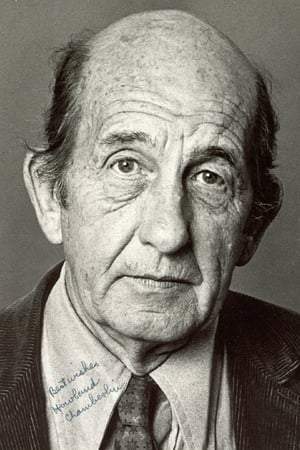
Howland Chamberlain
Beebe (as Howland Chamberlin)
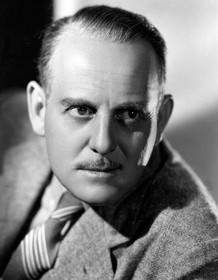
Moroni Olsen
Henry Manston
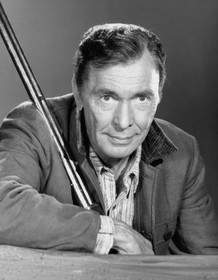
Barry Sullivan
Steve Keiver

William Phipps
Roger
Michael Dugan
Detective Howard
Richard Anderson
Detective Walter O'Bannion
Mari Blanchard
Natalie
Madge Blake
Landlady (Uncredited)
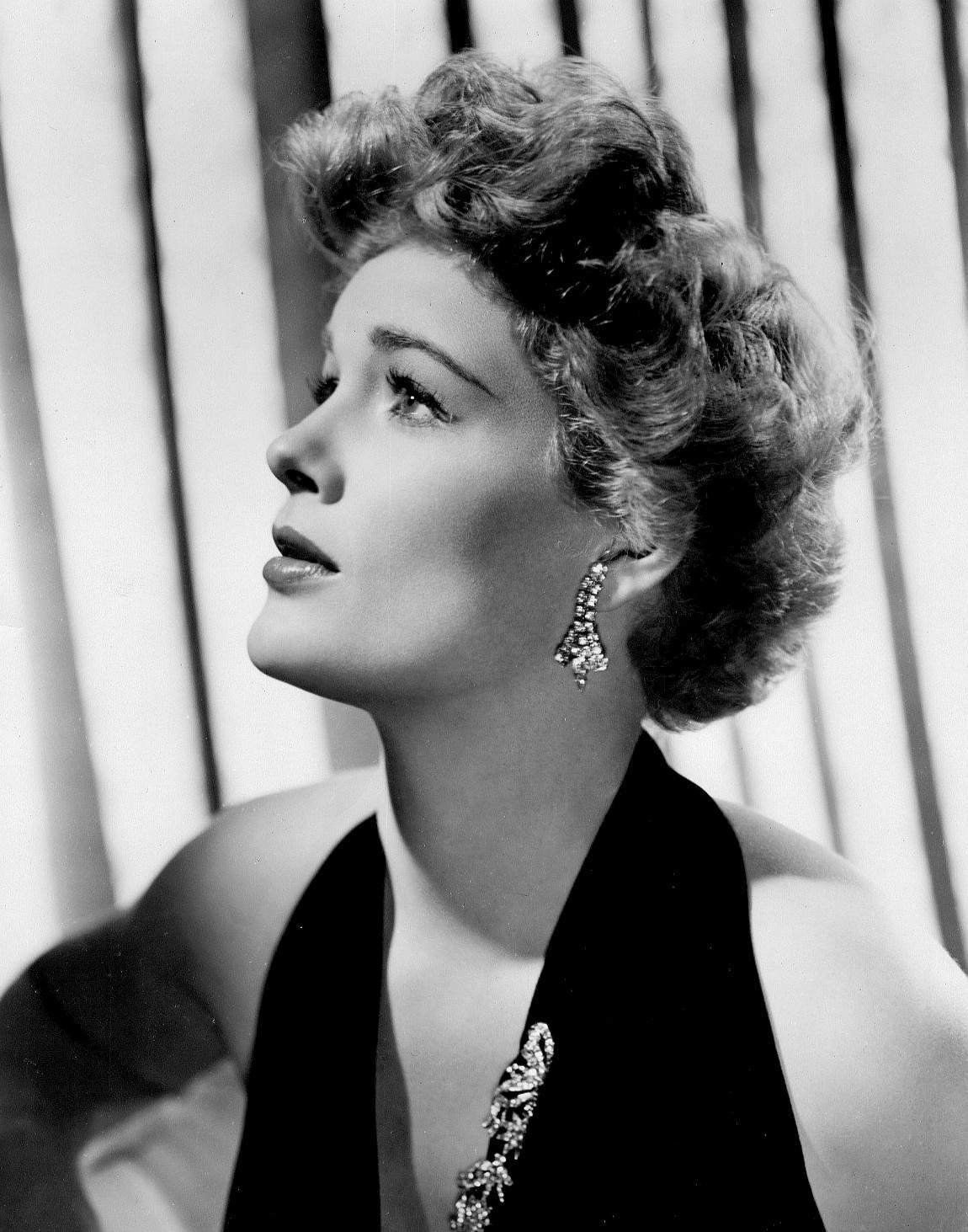
Jean Hagen
Joan Brenson
Danny Dayton
Harry Dycker (as Dan Dayton)
Mauritz Hugo
Marty Callbert
Arlene Dahl
Ellen Sayburn Jessman
George Murphy
Police Insp. Matt Duggan
Bess Flowers
Woman in Theatre Powder Room
William Reynolds
Floyd (as William Regnolds)
Dick Simmons
Gordon N. Jessman
Robert Osterloh
Owney
Howard Petrie
Franko
Robert Sheppard
Detective Eddie
External Links and Streaming Options
Discover where to watch No Questions Asked online, including streaming platforms, rental options, and official sources. Compare reviews, ratings, and in-depth movie information across sites like IMDb, TMDb, Wikipedia or JustWatch.






Take the Ultimate No Questions Asked Movie Quiz
Challenge your knowledge of No Questions Asked with this fun and interactive movie quiz. Test yourself on key plot points, iconic characters, hidden details, and memorable moments to see how well you really know the film.
No Questions Asked (1951) Quiz: Test your knowledge of the 1951 film No Questions Asked with these ten mixed‑difficulty questions.
Which actress portrays Ellen Sayburn Jessman?
Full Plot Summary and Ending Explained for No Questions Asked
Read the complete plot summary of No Questions Asked, including all major events, twists, and the full ending explained in detail. Explore key characters, themes, hidden meanings, and everything you need to understand the story from beginning to end.
Arlene Dahl as Ellen Sayburn Jessman returns from a skiing vacation, and Barry Sullivan as Steve Keiver is waiting at the airport to pick her up in his pal Danny Dayton’s taxi. Keiver, an insurance investigator, dreams of a life beyond his paycheck, but his career path is constrained by a steady need to prove his value. He longs for a secure future with Ellen, yet the financial reality of his job makes that future seem distant and precarious, a tension that fuels his risky decisions throughout the story.
Keiver’s thrill-seeking boss, Moroni Olsen as Henry Manston, hints at a more lucrative angle when he casually mentions that recovering stolen furs could yield a $10,000 payout for the company—enough to relax their careful watch on Keiver’s ambitions. Keiver seizes the idea with a mixture of bravado and desperation, approaching known mobsters and pitching a straightforward deal: recover the merchandise, and the insurance company will not question the method. The plan is dangerous, and the consequences blur the line between legality and criminal cunning. After a brutal encounter where he is roughed up, Keiver negotiates a backhanded victory, earning a $2,500 bonus from his boss and a rush of adrenaline that convinces him he’s found a shortcut to wealth.
That shortcut proves hollow when Ellen returns with a shattering reveal: she has left town to marry a wealthy man she encountered during the vacation, leaving Keiver to grapple with a mix of humiliation and anger. The setback could break a man, but Keiver channels it into a sharpened resolve. He doubles down on his scheme, using his newly earned confidence to strike deals with criminals for returned stolen merchandise, and the money begins to flow in a way that makes his earlier, more modest ambitions seem almost quaint. In the process, he starts dating Jean Hagen as Joan Brenson, a colleague who has long been drawn to him, while Ellen’s exit opens a space for his success—yet it also intensifies the underlying tension of who truly controls his fate.
The police, already wary of Keiver’s unorthodox methods, grow more irritated as his legal yet barely aboveboard activities gain momentum. George Murphy as Police Insp. Matt Duggan and Richard Anderson as Detective Walter O’Bannion take a closer interest, recognizing that Keiver’s conduct skirts the edge of propriety and law. The tension between the pursuit of wealth and the pursuit of justice becomes a central theme, coloring every choice Keiver makes and every risk he takes. Ellen’s return isn’t the end of the story—it’s the spark that reignites a love triangle with Joan Brenson, and a complicating factor in a city that wants to see him succeed but cannot ignore the shadows his deals cast.
The action moves to a Broadway intermission, where Ellen and Joan end up in a large women’s lounge. Two women slip away with the jewelry of the other guests, only to reveal themselves as men when the wigs come off in the chill night air. The scene is a startling reversal that tests loyalties and raises the stakes for everyone involved. Joan, still smarting from Keiver’s renewed interest in Ellen, receives a message from Danny Dayton as Harry Dycker about a possible way to retrieve the stolen gems. The message pulls Keiver deeper into a web of deceit, even as Ellen—who has herself taken a personal risk—has her own plan to control the fate of the jewels she longs to possess.
The trail leads to Franko, a mobster played by Howard Petrie, who operates with a disturbing calm and a chilling insistence on control. Franko currently holds the jewels, and Keiver finds himself drawn into a dangerous game where each move could be fatal. Double crosses become the order of the day, and Keiver is knocked unconscious as the jewels vanish from his grasp. He suspects that either Joan or Harry has betrayed him, yet the truth proves more merciless: Ellen is the betrayer, nursing a different motive that centers on money and power rather than affection or loyalty.
Tensions escalate as Ellen—now entangled with her husband Gordon N. Jessman—seizes the jewels and edges toward a hidden stash that could alter everyone’s fortunes. Franko, determined to extract information, tortures Ellen to reveal the location of the jewels and their hidden money. The confrontation ends in tragedy as Ellen and Gordon are killed, leaving Franko to surface in a brutal struggle with Keiver. The underwater fight turns into a desperate battle, with Franko briefly gaining the upper hand, only to be met by police who have closed in. When Duggan and the waiting officers finally close in, Franko is arrested, and Keiver is pulled from the water, gasping but alive.
In the aftermath, the case leaves Ellen’s circle shattered and Keiver’s future uncertain, yet a thread of possibility remains: Joan Brenson’s lingering affection for Keiver hints at a fragile, tenuous reconciliation. The film closes on a note of grim resilience, with Keiver alive and the romance between him and Joan still flickering, suggesting that the road to redemption or ruin now depends on choices made in the shadows of ambition and desire.

Coming soon on iOS and Android
The Plot Explained Mobile App
From blockbusters to hidden gems — dive into movie stories anytime, anywhere. Save your favorites, discover plots faster, and never miss a twist again.
Sign up to be the first to know when we launch. Your email stays private — always.
Explore the mobile appDiscover Film Music Concerts Near You – Live Orchestras Performing Iconic Movie Soundtracks
Immerse yourself in the magic of cinema with live orchestral performances of your favorite film scores. From sweeping Hollywood blockbusters and animated classics to epic fantasy soundtracks, our curated listings connect you to upcoming film music events worldwide.
Explore concert film screenings paired with full orchestra concerts, read detailed event information, and secure your tickets for unforgettable evenings celebrating legendary composers like John Williams, Hans Zimmer, and more.


Cars Featured in No Questions Asked
Explore all cars featured in No Questions Asked, including their makes, models, scenes they appear in, and their significance to the plot. A must-read for car enthusiasts and movie buffs alike.
No Questions Asked Themes and Keywords
Discover the central themes, ideas, and keywords that define the movie’s story, tone, and message. Analyze the film’s deeper meanings, genre influences, and recurring concepts.
No Questions Asked Other Names and Titles
Explore the various alternative titles, translations, and other names used for No Questions Asked across different regions and languages. Understand how the film is marketed and recognized worldwide.
Similar Movies To No Questions Asked You Should Know About
Browse a curated list of movies similar in genre, tone, characters, or story structure. Discover new titles like the one you're watching, perfect for fans of related plots, vibes, or cinematic styles.




Quick Links: Summary, Cast, Ratings, More

What's After the Movie?
Not sure whether to stay after the credits? Find out!
Check out our other apps:

SAT Sphere
Build confidence for the Digital SAT.

Mori Atlas
Discover wild places worth protecting.

Luntero
Search smarter for a home in Amsterdam.

Plot Explained
Unravel movie endings and hidden clues.

Pokechamp
Dive into Pokémon data and battle logic.

Driving Theory
Get ready for your European theory test.

Movie Dust
Plan your next cinema trip with ease.

Musemap
Find art and culture as you travel.

Selkobase
Compare credentials before committing.

Local Manual
Turn an unfamiliar country into practical next steps.

Lernavi
Compare school systems before your next move.

GymRoam
Find a workout stop wherever your plans take you.
Explore Our Movie Platform
New Movie Releases (2026)
Famous Movie Actors
Top Film Production Studios
Movie Plot Summaries & Endings
Major Movie Awards & Winners
Best Concert Films & Music Documentaries
Movie Collections and Curated Lists
© 2026 What's After the Movie. All rights reserved.
Privacy Policy