Miracle of the White Stallions 1963


In occupied Austria during World War II, Colonel Alois Podhajsky races to safeguard his beloved Lipizzaner stallions, striving to place them in the right hands rather than let the Nazis seize them. When General George Patton, an avid horse lover, sees the stallions perform, he offers assistance that could determine their fate.

Does Miracle of the White Stallions have end credit scenes?
No!
Miracle of the White Stallions does not have end credit scenes. You can leave when the credits roll.
Meet the Full Cast and Actors of Miracle of the White Stallions
Explore the complete cast of Miracle of the White Stallions, including both lead and supporting actors. Learn who plays each character, discover their past roles and achievements, and find out what makes this ensemble cast stand out in the world of film and television.

Lilli Palmer
Vedena Podhajsky
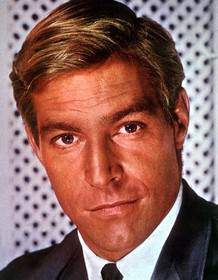
James Franciscus
Maj. Hoffman
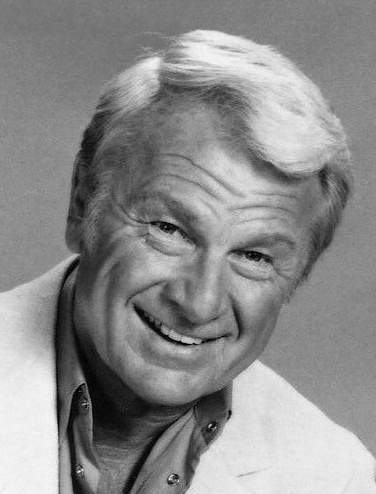
Eddie Albert
Rider Otto

John Larch
General George S. Patton, Jr.
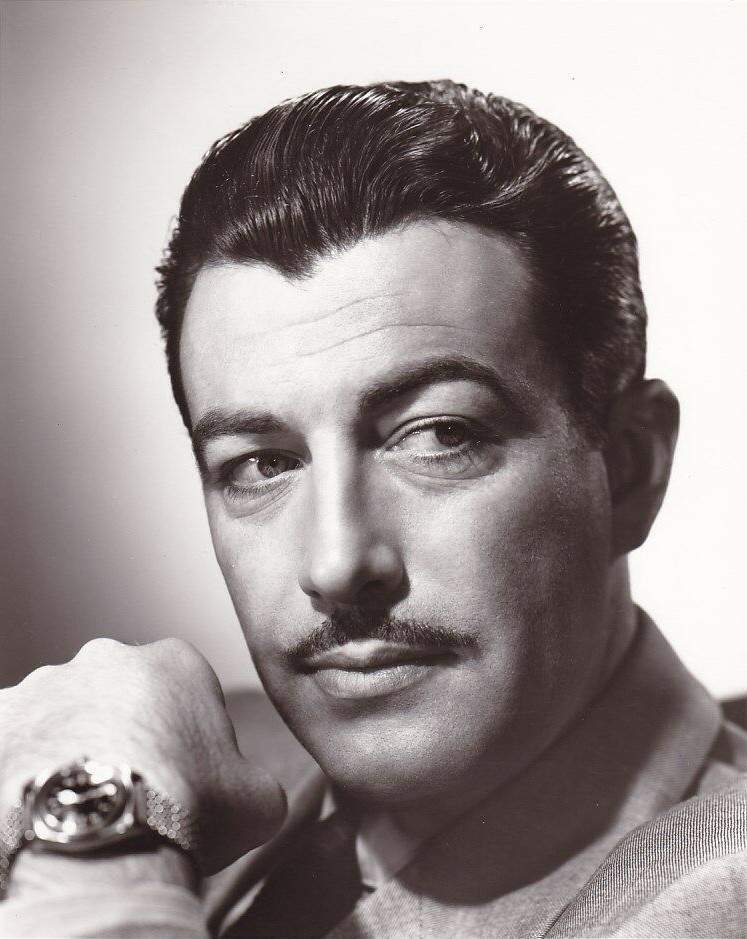
Robert Taylor
Col. Podhajsky
Curd Jürgens
Gen. Tellheim
Philip Abbott
Colonel Reed
Fritz Wepper
Bereiter Hans
Charles Regnier
General Stryker
Erik Schumann
Capt. Danhoff
Brigitte Horney
Gräfin Arco-Valley
External Links and Streaming Options
Discover where to watch Miracle of the White Stallions online, including streaming platforms, rental options, and official sources. Compare reviews, ratings, and in-depth movie information across sites like IMDb, TMDb, Wikipedia or Rotten Tomatoes.





Take the Ultimate Miracle of the White Stallions Movie Quiz
Challenge your knowledge of Miracle of the White Stallions with this fun and interactive movie quiz. Test yourself on key plot points, iconic characters, hidden details, and memorable moments to see how well you really know the film.
Miracle of the White Stallions Quiz: Test your knowledge of the 1963 film "Miracle of the White Stallions" with these ten questions ranging from easy to difficult.
What breed of horse is central to the story?
Full Plot Summary and Ending Explained for Miracle of the White Stallions
Read the complete plot summary of Miracle of the White Stallions, including all major events, twists, and the full ending explained in detail. Explore key characters, themes, hidden meanings, and everything you need to understand the story from beginning to end.
During World War II, the rich traditions of the Lipizzaner horses—a breed dating back to 1580—and the revered Spanish Riding School, established in 1735, faced near extinction amidst the chaos of war. These Austrian treasures symbolized centuries of cultural heritage, yet during the German occupation, both faced tremendous threats to their survival.
The story centers around Lilli Palmer, portraying Vedena Podhajsky, the formidable director of the Riding School, who is also a talented dressage performer. As the conflict intensifies, she - along with the staff - adapts swiftly to the rapidly changing circumstances of war. When the Germans occupy Vienna, her role becomes even more critical, with the German military taking control of the Riding School, replacing its civilian staff with soldiers. Despite strict orders not to stray from their stations, Vedena defies these directives by carefully evacuating 300 Lipizzaner horses, including valuable breeding mares, to the safety of Hostau, Czechoslovakia, while keeping 70 stallions behind in Vienna.
As the war’s final days unfold and the city faces relentless bombings, the German command led by General Stryker orders the staff to return to active combat—a move that threatens their lives and the horses’ safety. Vedena, driven by a fierce determination to protect the noble creatures, requests permission to evacuate the horses altogether. Her pleas are initially denied by the general, who believes that removing the horses might signal despair to the Viennese. Nonetheless, she remains resolute, believing that preserving these historical and cultural symbols is a duty worth risking everything for.
The film vividly depicts her struggle to organize a train capable of transporting the horses, a task met with challenges such as requisitioning railcars—only achieved by appealing to the dispatcher’s patriotism—and surviving Allied air raids that threaten to obliterate the convoy. Despite these obstacles, the engineers, moved by the importance of the horses, defy orders to keep the train moving.
At the Castle of St. Martins, which temporarily becomes a refuge, refugees, soldiers, and horses coexist amid ongoing dangers. The situation is chaotic, with some refugees stealing supplies or attempting to steal horses to escape the advancing Soviets. James Franciscus, playing Maj. Hoffman, and other American soldiers establish their presence, offering protection and planning their next moves. Meanwhile, General Tellheim, also depicted by John Larch, communicates the bleak fate of the Hungarian Riding School, which has been captured by Soviet forces with its horses destroyed. This prompts the Austrian Riding School to de-militarize, hoping it will remain intact as a purely civil institution once the conflict ends.
As tensions escalate, a German officer arrives with orders for Vedena to assume the role of Defense Area Commander, signaling that the fight isn’t over yet. Despite the chaos, Vedena refuses to surrender the horses to the Soviet forces, instructing her staff to protect the village and their horses. She boldly burns her military orders and discards her uniform, symbolizing her refusal to abandon her mission.
The Allied forces, led by Charles Regnier, set up their headquarters at the castle. Vedena pleads with the US Army, represented by Maj. Hoffman, for protection and assistance in securing the mares. The cavalry soon scramble to prepare the horses for a special upcoming event—an impromptu dressage performance to impress General Patton, played by Robert Taylor, a seasoned veteran and lover of equestrian sports. His admiration for the horses becomes a beacon of hope for Vedena and her team, who scramble against the clock to ready the stallions with the help of American soldiers.
Thanks to the efforts of lower-ranking American soldiers, who admire and respect the horses, preparations are made under tense conditions. When General Patton witnesses the performance, he is visibly moved. He recognizes the cultural significance of the Lipizzaner and, in a memorable moment, promises to help protect them, querying Vedena with the simple, profound question, “Will you trust us?”
Subsequently, Patton’s orders lead to the liberation of countless prisoners of war and the movement of the horses across borders. Colonel Reed proposes Operation Cowboy—a daring plan offering amnesty to German soldiers and their families if they surrender peacefully. Although the Germans accept, complications arise when SS troops ambush the American troops at the border, leading to a firefight. Despite the resistance, the Germans surrender, and about 2,000 Allied prisoners of war along with 1,000 horses, including the prized 300 Lipizzaners, are freed.
The climax occurs on the 220th anniversary of the Spanish Riding School, when the Lipizzaner stallions perform an extraordinary display, a testament to their resilience, beauty, and the enduring spirit of Austria’s cultural heritage. This performance is attended by those who risked everything to save the horses, symbolizing hope, resilience, and the preservation of a treasured tradition amidst the chaos of war.
This inspiring tale beautifully captures the courage and determination of those who fought to protect Austria’s noble horses against insurmountable odds, showcasing the resilience of cultural heritage even in the darkest times.

Coming soon on iOS and Android
The Plot Explained Mobile App
From blockbusters to hidden gems — dive into movie stories anytime, anywhere. Save your favorites, discover plots faster, and never miss a twist again.
Sign up to be the first to know when we launch. Your email stays private — always.
Explore the mobile appDiscover Film Music Concerts Near You – Live Orchestras Performing Iconic Movie Soundtracks
Immerse yourself in the magic of cinema with live orchestral performances of your favorite film scores. From sweeping Hollywood blockbusters and animated classics to epic fantasy soundtracks, our curated listings connect you to upcoming film music events worldwide.
Explore concert film screenings paired with full orchestra concerts, read detailed event information, and secure your tickets for unforgettable evenings celebrating legendary composers like John Williams, Hans Zimmer, and more.


Miracle of the White Stallions Themes and Keywords
Discover the central themes, ideas, and keywords that define the movie’s story, tone, and message. Analyze the film’s deeper meanings, genre influences, and recurring concepts.

Unlock the World of Movies with Our Comprehensive Wiki
Dive into our Movie Wiki for in-depth film encyclopedia entries, including cast biographies, production trivia, plot synopses, behind-the-scenes facts, and thematic analyses. Whether you’re researching iconic directors, exploring genre histories, or discovering hidden easter eggs, our expertly curated movie database has everything you need to fuel your cinematic passion.
Similar Movies To Miracle of the White Stallions You Should Know About
Browse a curated list of movies similar in genre, tone, characters, or story structure. Discover new titles like the one you're watching, perfect for fans of related plots, vibes, or cinematic styles.




Quick Links: Summary, Cast, Ratings, More

What's After the Movie?
Not sure whether to stay after the credits? Find out!
Check out our other apps:

SAT Sphere
Build confidence for the Digital SAT.

Mori Atlas
Discover wild places worth protecting.

Luntero
Search smarter for a home in Amsterdam.

Plot Explained
Unravel movie endings and hidden clues.

Pokechamp
Dive into Pokémon data and battle logic.

Driving Theory
Get ready for your European theory test.

Movie Dust
Plan your next cinema trip with ease.

Musemap
Find art and culture as you travel.

Selkobase
Compare credentials before committing.

Local Manual
Turn an unfamiliar country into practical next steps.

Lernavi
Compare school systems before your next move.

GymRoam
Find a workout stop wherever your plans take you.
Explore Our Movie Platform
New Movie Releases (2026)
Famous Movie Actors
Top Film Production Studios
Movie Plot Summaries & Endings
Major Movie Awards & Winners
Best Concert Films & Music Documentaries
Movie Collections and Curated Lists
© 2026 What's After the Movie. All rights reserved.
Privacy Policy