Manhunt 1977
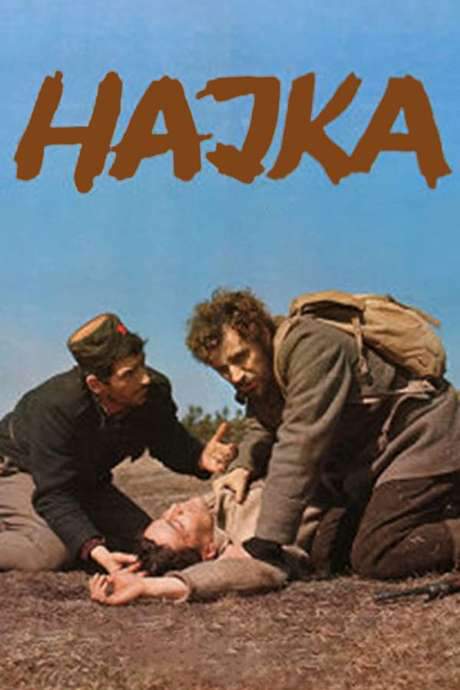
The leftover disbanded partisan battalion draws Chetniks’ attention, who push their plans of attacking the partisan headquarters aside and start hunting them instead.


Does Manhunt have end credit scenes?
No!
Manhunt does not have end credit scenes. You can leave when the credits roll.
Meet the Full Cast and Actors of Manhunt
Explore the complete cast of Manhunt, including both lead and supporting actors. Learn who plays each character, discover their past roles and achievements, and find out what makes this ensemble cast stand out in the world of film and television.

Lazar Ristovski
Ivan

Velimir Živojinović
Vojvoda Juzbašić
Rade Šerbedžija
Lado
Miki Manojlović
Šako
Danilo Lazović
Slobo
Petar Kralj
Arso
Jovan Janićijević 'Burduš'
Todocilo
Pavle Vuisić
Filip Bekić
Rastislav Jović
Paško
Zaim Muzaferija
Pasko
Miloš Žutić
Vule
Veljko Mandić
Dušan
Boro Begović
Bajo Baničić
Barbara Nielsen
Slobodanka Marković
Gara
External Links and Streaming Options
Discover where to watch Manhunt online, including streaming platforms, rental options, and official sources. Compare reviews, ratings, and in-depth movie information across sites like IMDb, TMDb, Wikipedia or Letterboxd.




Full Plot Summary and Ending Explained for Manhunt
Read the complete plot summary of Manhunt, including all major events, twists, and the full ending explained in detail. Explore key characters, themes, hidden meanings, and everything you need to understand the story from beginning to end.
In Tokyo, a prosecutor named Morioka becomes the center of a bewildering accusation when both a woman and then a man claim theft at his residence. The stolen items turn up at Morioka’s own home, leaving him stunned and compelled to flee. His superiors respond with a firm demotion and a city-wide manhunt, assigning Detective Yamura from the Tokyo Metropolitan Police Department to track him down. The chase quickly expands beyond a single crime, uncovering layers of deceit that stretch far from Morioka’s door.
Seeking safety and answers, Morioka follows a lead that takes him to Makami Village on the Noto Peninsula in Ishikawa Prefecture, where he discovers the body of one accuser’s spouse and a wedding photograph linking the two victims. After Morioka departs, the police zero in on the husband, Yokomichi Keiji, and trace him to a town called Kounogi in Hokkaido. There, they lay an ambush, but Morioka arrives just in time to slip away from the pursuing officers.
The forest becomes a perilous stage for Morioka as he threads through danger and chance. A tripwire connected to a shotgun is disarmed by him, and a later bear attack is repurposed into a life-or-death encounter with a woman who is stranded up a tree. Morioka’s quick reflexes and wits help him survive the confrontation, but the bear blindsides him, sending him tumbling off a cliff and into a river. A young woman named Mayumi rescues him and nurses him back to health at her family home, where she learns Morioka’s cover story—he’s been calling himself Maeda.
Mayumi’s father, Tonami Yohinori, a political figure aiming to become governor, immediately senses Morioka’s potential value to his ambitions. Tonami’s son-in-law-like ally Nakayama attempts to influence the authorities, hoping to tilt Mayumi’s role in Tonami’s plan. Morioka, still a target, flees the family’s care when Mayumi’s loyalty is questioned and the authorities close in. Mayumi follows on horseback, aiding his escape and later confessing the full truth to Yamura when pressed by the police. The movie then pivots to a seaside shanty where Morioka hides under threat, compelled to return to Mayumi’s side as both are cornered.
A dangerous pursuit culminates in a dramatic cave hideout, where Tonami secretly helps Morioka by offering a private plane to reach Tokyo quickly in pursuit of Yokomichi. Tonami withdraws from the governor’s race and sends Mayumi toward Tokyo under the pretense of a business arrangement, setting the stage for Morioka’s desperate bid to unmask the deeper conspiracy.
Morioka’s journey continues with a treacherous journey to Tokyo, where a crash-landing on a sunlit beach near Mito allows him to slip past roadblocks and vanish into the woods. Exhaustion and illness follow him into the city, where an unknown woman recognizes him from the wanted posters and offers help. That night, Morioka is spotted again by police and driven into a fresh chase through crowded streets, only to be rescued once more by Mayumi, who arrives on horseback with a band of horses that rumbles through a shielded barricade and clears the path to safety.
The information landscape widens when Yamura visits Mayumi’s hotel and presents a medical record that suggests Yokomichi Keiji is being treated for paranoid schizophrenia under an alias, Suzuki Takeshi, in a mental hospital run by the Nagaoka Company. The hospital’s manager, Representative Ryosuke, is entwined with a larger corporate scheme, and the timing implicates him as Asakura’s death—an earlier suicide—unfolds within a web of extortion and questionable business dealings. The plot thickens as Tonan company’s influence—tied to animal testing purchases from Yokomichi—reveals a brutal mechanism behind the intimidation and manipulation at play.
In a bid to reclaim his freedom, Morioka and Mayumi decide to infiltrate the mental hospital by posing as husband and wife, hoping to secure his release or, at minimum, to unearth the truth. The ruse is risky: the hospital’s vice president, Doctor Doto, recognizes Morioka and is quick to taunt him with the sight of Yokomichi, now quieted by heavy sedation. Doto’s plan is to hold Morioka in the system as a perpetual patient, using the hospital’s authority to erase him from the world outside.
The stakes heighten as Ryosuke’s presence in the hospital is used to demonstrate the hospital’s dangerous drug experiments. The sedative, known as AX, is presented as a brain-altering chemical that can strip away free will and render patients obedient to commands. The demonstration is chilling in its brutality: a patient is commanded to wound himself, an act that betrays the drug’s terrifying potential. Morioka’s resolve hardens as he remains able to spit out the pills he’s forced to swallow, and he seizes a moment to turn the tables by foreshadowing that Asakura’s jump was engineered by a drugged manipulation supplied by Nagaoka.
As the hospital drama unfolds, Morioka, Yamura, and Hosoi confront Ryosuke and his circle. They arrange to arrest his people and block Ryosuke’s attempt to flee to South Korea with a case full of cash. The confrontation escalates to a violent stillness on a rooftop, where Morioka and Yamura shoot Ryosuke in what they claim is self-defense, after a tense standoff and a reversal that reveals the extent of the manipulation surrounding them. The General Prosecutor endorses the decision in public but cautions that Morioka’s own path will still require accountability on some charges.
In the end, Morioka resigns from the prosecutor’s office, arguing that some criminals are beyond the reach of the law and that justice requires a different approach. Yamura recognizes this new reality and leaves the door open—an invitation for Morioka to seize another chance at escape if law itself cannot save him. The film closes on a stark note: Morioka chooses a life on the run with Mayumi, who accepts this new future and vows to stay by his side, ready to endure whatever comes next as they move through a world where truth is rare and the pursuit of it is perilous.
The journey is driven by a sense of moral ambiguity, with Morioka’s evolution from government functionary to a figure who believes that some battles cannot be won within the bounds of law alone. The story unfolds with relentless momentum, alternating between tense cityscape pursuits and the more intimate, perilous landscapes of rural Japan. Throughout, the emotional core rests on Morioka’s relationship with Mayumi, the fragile trust that sustains them, and the growing realization that the cycle of crime and power may require a resolve beyond standard criminal justice. The film leaves viewers with a quiet, unresolved question: what happens when the line between law and survival blurs beyond recognition, and who will stand in the way when the world’s machinery of power continues to grind forward?

Coming soon on iOS and Android
The Plot Explained Mobile App
From blockbusters to hidden gems — dive into movie stories anytime, anywhere. Save your favorites, discover plots faster, and never miss a twist again.
Sign up to be the first to know when we launch. Your email stays private — always.
Explore the mobile appDiscover Film Music Concerts Near You – Live Orchestras Performing Iconic Movie Soundtracks
Immerse yourself in the magic of cinema with live orchestral performances of your favorite film scores. From sweeping Hollywood blockbusters and animated classics to epic fantasy soundtracks, our curated listings connect you to upcoming film music events worldwide.
Explore concert film screenings paired with full orchestra concerts, read detailed event information, and secure your tickets for unforgettable evenings celebrating legendary composers like John Williams, Hans Zimmer, and more.


Manhunt Themes and Keywords
Discover the central themes, ideas, and keywords that define the movie’s story, tone, and message. Analyze the film’s deeper meanings, genre influences, and recurring concepts.

Unlock the World of Movies with Our Comprehensive Wiki
Dive into our Movie Wiki for in-depth film encyclopedia entries, including cast biographies, production trivia, plot synopses, behind-the-scenes facts, and thematic analyses. Whether you’re researching iconic directors, exploring genre histories, or discovering hidden easter eggs, our expertly curated movie database has everything you need to fuel your cinematic passion.
Similar Movies To Manhunt You Should Know About
Browse a curated list of movies similar in genre, tone, characters, or story structure. Discover new titles like the one you're watching, perfect for fans of related plots, vibes, or cinematic styles.
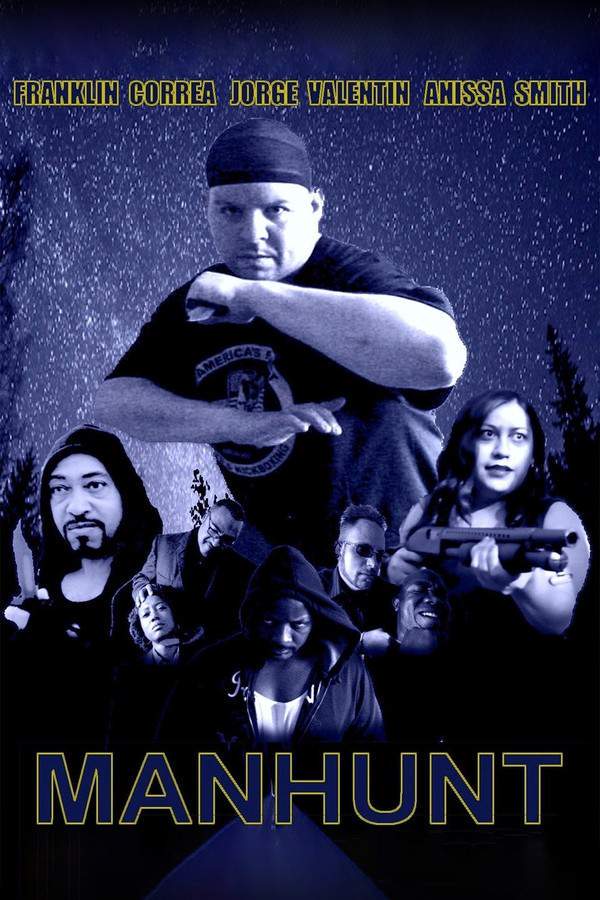

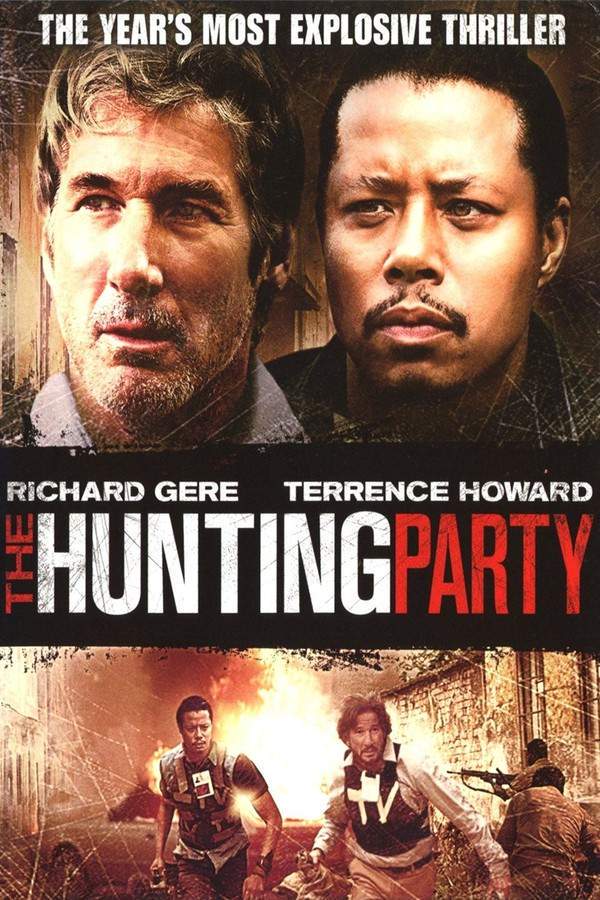
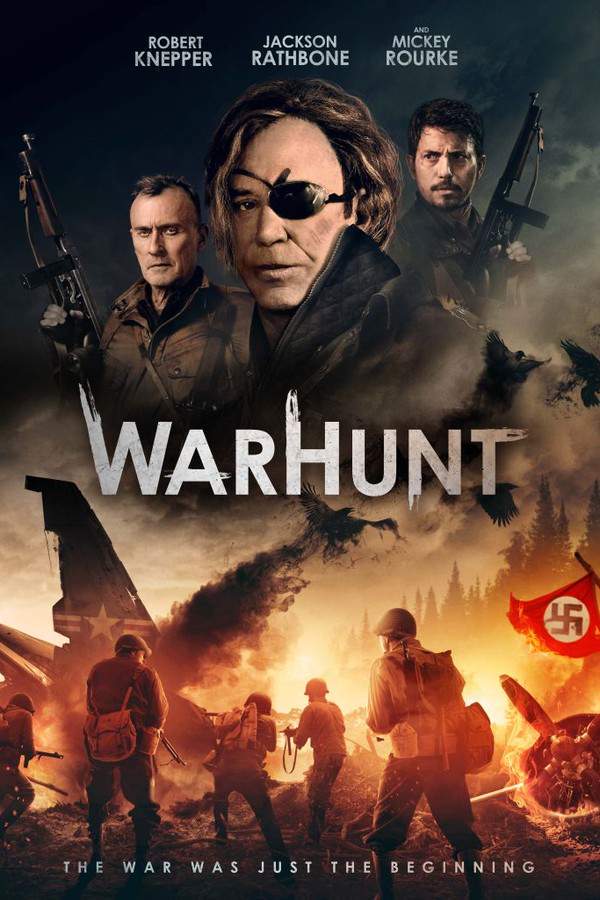




Quick Links: Summary, Cast, Ratings, More

What's After the Movie?
Not sure whether to stay after the credits? Find out!
Check out our other apps:

SAT Sphere
Build confidence for the Digital SAT.

Mori Atlas
Discover wild places worth protecting.

Luntero
Search smarter for a home in Amsterdam.

Plot Explained
Unravel movie endings and hidden clues.

Pokechamp
Dive into Pokémon data and battle logic.

Driving Theory
Get ready for your European theory test.

Movie Dust
Plan your next cinema trip with ease.

Musemap
Find art and culture as you travel.

Selkobase
Compare credentials before committing.

Local Manual
Turn an unfamiliar country into practical next steps.

Lernavi
Compare school systems before your next move.

GymRoam
Find a workout stop wherever your plans take you.
Explore Our Movie Platform
New Movie Releases (2026)
Famous Movie Actors
Top Film Production Studios
Movie Plot Summaries & Endings
Major Movie Awards & Winners
Best Concert Films & Music Documentaries
Movie Collections and Curated Lists
© 2026 What's After the Movie. All rights reserved.
Privacy Policy