Mammy 1930

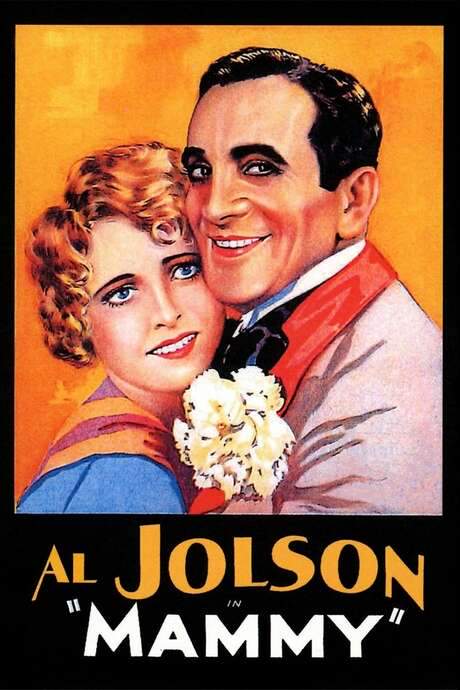
Al Jolson stars as the lead of a traveling minstrel troupe that performs in towns and cities across the United States. He falls for an actress in the company (Lois Moran), but she prefers fellow performer Lowell Sherman. During a comedic stage act, Sherman is shot, and the audience assumes Jolson planted bullet, leading to scandal and suspicion.


Does Mammy have end credit scenes?
No!
Mammy does not have end credit scenes. You can leave when the credits roll.
Where to Watch Mammy
See current US streaming, rental, and purchase options for Mammy (1930) via JustWatch.



Streaming availability powered by 
Meet the Full Cast and Actors of Mammy
Explore the complete cast of Mammy, including both lead and supporting actors. Learn who plays each character, discover their past roles and achievements, and find out what makes this ensemble cast stand out in the world of film and television.

External Links and Streaming Options
Discover where to watch Mammy online, including streaming platforms, rental options, and official sources. Compare reviews, ratings, and in-depth movie information across sites like IMDb, TMDb, Wikipedia or JustWatch.





Full Plot Summary and Ending Explained for Mammy
Read the complete plot summary of Mammy, including all major events, twists, and the full ending explained in detail. Explore key characters, themes, hidden meanings, and everything you need to understand the story from beginning to end.
The film follows the joys and trials of a traveling minstrel troupe called the Merry Meadow Minstrels, a lively world where stage laughter masks real-life tensions and every performance teeters on a knife-edge of ambition. At the heart of the troupe is Al Fuller, brought to life by Al Jolson, a magnetic blackface endman whose quick timing and big-hearted bravado keep the show spinning even when the curtain falls on hard times. Slats, the other endman who feeds the act with sharp banter, is portrayed by Tully Marshall, adding a rough-edged humor that lightens the heavy moments and sharpens the stakes when the troupe faces danger.
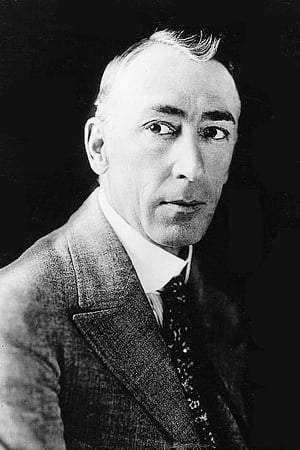
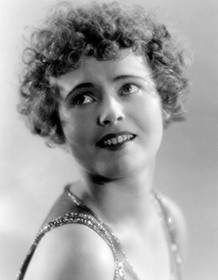
The show’s operation is controlled by Meadows, the weary owner of the caravan and the stage that sustains them, played by Hobart Bosworth. His daughter Nora Meadows, a bright and passionate presence on the road, is portrayed by Lois Moran and becomes Jolson’s love interest, drawing him deeper into the family circle and into a triangle of desire that also involves the show’s other key figure. Sherman’s character, the interlocutor whose own affections compete for Nora’s, adds tension to every scene, heightening the emotional pull as the troupe moves between performances and private longings. The dynamic among Jolson’s Al Fuller, Nora, and the rival suitor drives much of the film’s dramatic engine, even as the troupe’s numbers entertain audiences night after night.
The minstrel show is in a miserable state when Jolson steps in with a blend of showmanship and improvisation, captivating a wary Sheriff Tremble, played by Jack Curtis, and persuading him to invest in the troupe. That seed of capital changes everything: the Minstrels begin to climb out of debt, their acts grow bolder, and Jolson earns a chance to visit his mother, Mother Fuller, a figure brought to life by Louise Dresser. The family connection, the warmth of home, and the lure of financial success pull Jolson into a renewed sense of purpose and belonging, while Nora’s presence anchors his ambitions in a personal horizon he hadn’t anticipated.
Not long after, Jolson returns and confesses his love to Nora, a revelation that sparks jealousy in the heart of the rival suitor. The tension between Jolson and Sherman’s character escalates into a heated confrontation, a clash that is punctuated by the disruptive presence of a card-cheating associate. The individual in question is Hank Smith, a character played by Mitchell Lewis. This man’s resentment fuels a dangerous plan: he quietly loads real bullets into Jolson’s stage gun, a reckless act born of anger and fear of exposure.
The trap is set during a minstrel number in which Jolson performs a staged firing at Sherman’s character. Because Jolson’s gun is supposed to be harmless in the show, Lewis understands that the act could become a real murder, and he anticipates the consequences—a crime Jolson will be blamed for if the act goes tragically wrong. When the shot rings out and Sherman is struck, the illusion of the performance shatters, and Jolson is arrested almost at once. Yet the desperate escape follows, and Jolson flees town by boarding a freight train, leaving behind the life he had fought so hard to build.
As the truth unfolds, the weight of guilt and deceit begins to tilt back toward Jolson’s innocence. Lewis eventually steps forward, confessing to the real crime and clearing Jolson of the murder he never intended to commit. The film closes on a note of hard-won vindication, with Jolson’s character able to rebuild what he has almost lost and to reembrace the life that the Merry Meadow Minstrels represent: music, resilience, and the possibility of a brighter future on the road they call home.

Coming soon on iOS and Android
The Plot Explained Mobile App
From blockbusters to hidden gems — dive into movie stories anytime, anywhere. Save your favorites, discover plots faster, and never miss a twist again.
Sign up to be the first to know when we launch. Your email stays private — always.
Explore the mobile appDiscover Film Music Concerts Near You – Live Orchestras Performing Iconic Movie Soundtracks
Immerse yourself in the magic of cinema with live orchestral performances of your favorite film scores. From sweeping Hollywood blockbusters and animated classics to epic fantasy soundtracks, our curated listings connect you to upcoming film music events worldwide.
Explore concert film screenings paired with full orchestra concerts, read detailed event information, and secure your tickets for unforgettable evenings celebrating legendary composers like John Williams, Hans Zimmer, and more.


Mammy Themes and Keywords
Discover the central themes, ideas, and keywords that define the movie’s story, tone, and message. Analyze the film’s deeper meanings, genre influences, and recurring concepts.
Mammy Other Names and Titles
Explore the various alternative titles, translations, and other names used for Mammy across different regions and languages. Understand how the film is marketed and recognized worldwide.
Similar Movies To Mammy You Should Know About
Browse a curated list of movies similar in genre, tone, characters, or story structure. Discover new titles like the one you're watching, perfect for fans of related plots, vibes, or cinematic styles.






Quick Links: Summary, Cast, Ratings, More

What's After the Movie?
Not sure whether to stay after the credits? Find out!
Check out our other apps:

SAT Sphere
Build confidence for the Digital SAT.

Mori Atlas
Discover wild places worth protecting.

Luntero
Search smarter for a home in Amsterdam.

Plot Explained
Unravel movie endings and hidden clues.

Pokechamp
Dive into Pokémon data and battle logic.

Driving Theory
Get ready for your European theory test.

Movie Dust
Plan your next cinema trip with ease.

Musemap
Find art and culture as you travel.

Selkobase
Compare credentials before committing.

Local Manual
Turn an unfamiliar country into practical next steps.

Lernavi
Compare school systems before your next move.

GymRoam
Find a workout stop wherever your plans take you.
Explore Our Movie Platform
New Movie Releases (2026)
Famous Movie Actors
Top Film Production Studios
Movie Plot Summaries & Endings
Major Movie Awards & Winners
Best Concert Films & Music Documentaries
Movie Collections and Curated Lists
© 2026 What's After the Movie. All rights reserved.
Privacy Policy