Love Happy 1949


New Musical Girlesque!!! The Marx Brothers help young Broadway hopefuls when they get mixed up with gangsters due to a tin of sardines containing Romanoff diamonds.

Does Love Happy have end credit scenes?
No!
Love Happy does not have end credit scenes. You can leave when the credits roll.
Meet the Full Cast and Actors of Love Happy
Explore the complete cast of Love Happy, including both lead and supporting actors. Learn who plays each character, discover their past roles and achievements, and find out what makes this ensemble cast stand out in the world of film and television.

Raymond Burr
Alphonse Zoto
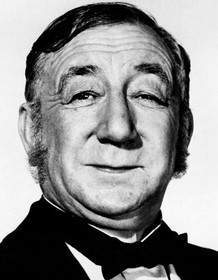
Melville Cooper
Lefty Throckmorton
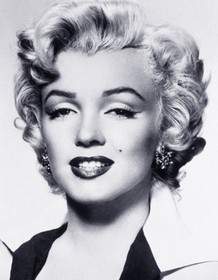
Marilyn Monroe
Grunion's Client
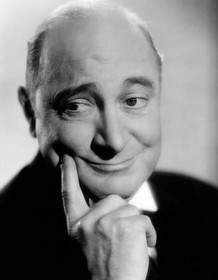
Eric Blore
Mackinaw

Paul Valentine
Mike Johnson
Bruce Gordon
Hannibal Zoto
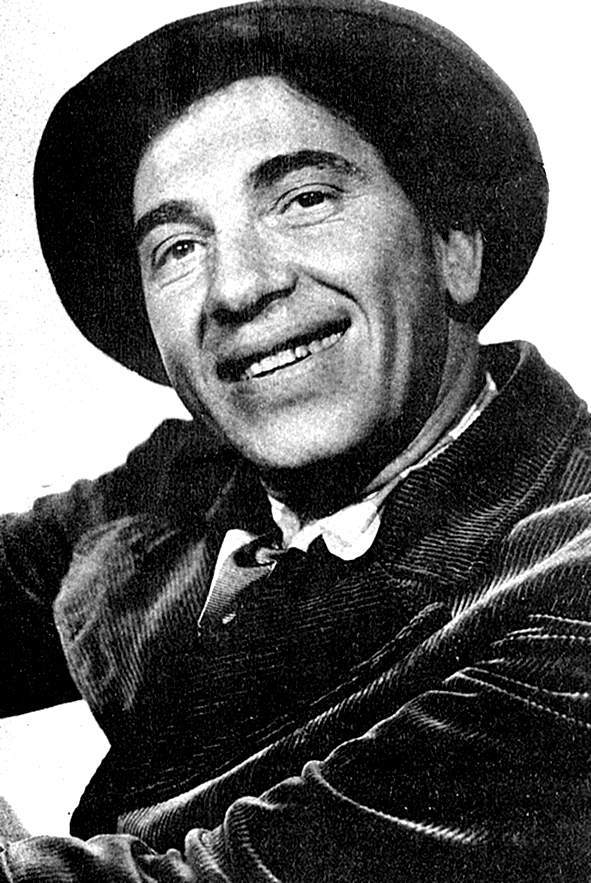
Chico Marx
Faustino the Great
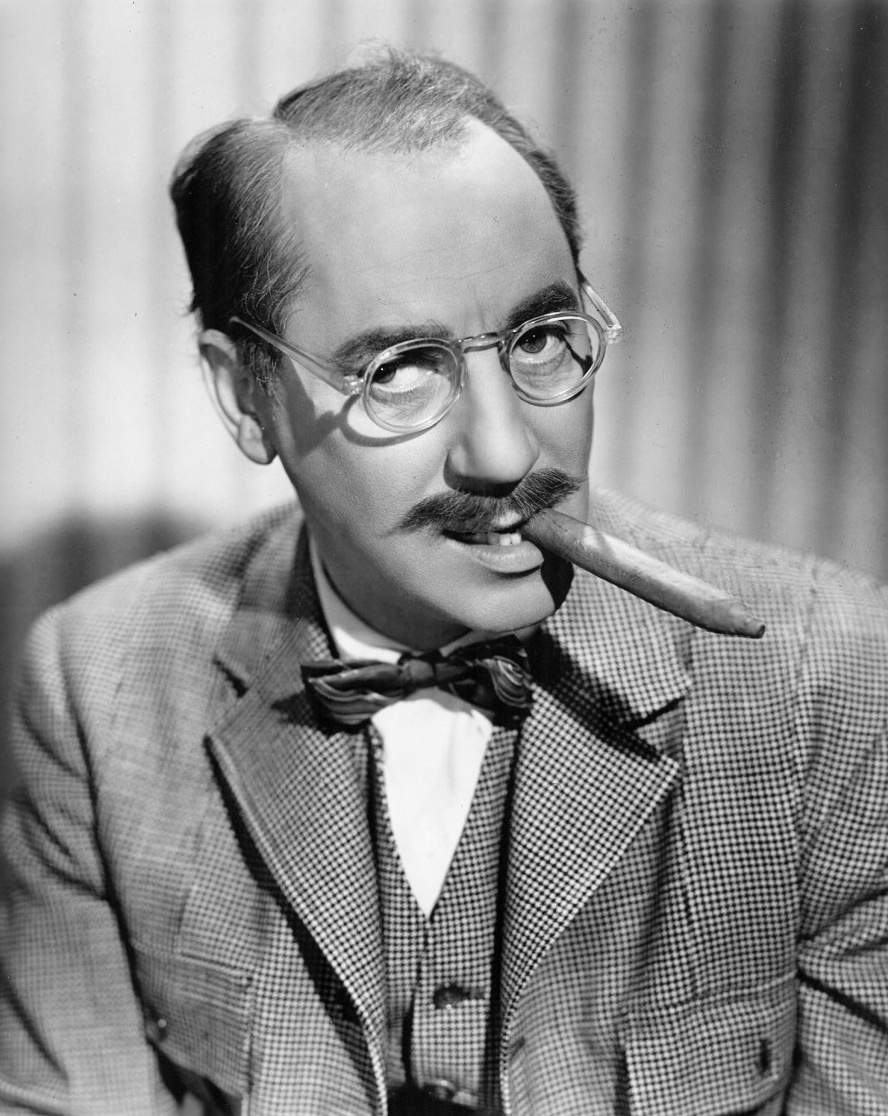
Groucho Marx
Sam Grunion
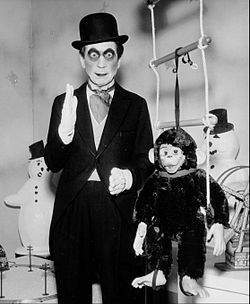
Harpo Marx
Harpo
David Miller
Leon Belasco
Mr. Lyons
Vera-Ellen
Maggie Phillips
Ilona Massey
Madame Egelichi
Otto Waldis
Ivan (uncredited)
Marion Hutton
Bunny Dolan
External Links and Streaming Options
Discover where to watch Love Happy online, including streaming platforms, rental options, and official sources. Compare reviews, ratings, and in-depth movie information across sites like IMDb, TMDb, Wikipedia or Letterboxd.





Take the Ultimate Love Happy Movie Quiz
Challenge your knowledge of Love Happy with this fun and interactive movie quiz. Test yourself on key plot points, iconic characters, hidden details, and memorable moments to see how well you really know the film.
Love Happy (1949) Quiz: Test your knowledge of the 1949 comedy film Love Happy, featuring the Marx brothers, a diamond caper, and backstage antics.
Which Marx brother plays the mute, harp‑playing character who falls in love with dancer Maggie Phillips?
Full Plot Summary and Ending Explained for Love Happy
Read the complete plot summary of Love Happy, including all major events, twists, and the full ending explained in detail. Explore key characters, themes, hidden meanings, and everything you need to understand the story from beginning to end.
Private detective Sam Grunion Groucho Marx has spent eleven years chasing the dazzling Royal Romanoff diamonds, and his investigation threads him into a bustling world of backstage ambition as he tracks a troupe of hopeful performers led by Mike Johnson Paul Valentine who are trying to mount a musical revue called Love Happy. The pursuit weaves through smoky backstage corridors and bright marquee lights, where money troubles, flirtations, and sharp wit collide in a constant dance of deception and desire.
At the heart of the story is a bustling shopfront, Herbert & Herbert, where the everyday acts as a front for something far more slippery. The shop’s manager, Lefty Throckmorton Melville Cooper, keeps a tight lid on the chaos, all while Madame Egelichi Ilona Massey wards off rivals and pursues the diamonds with a mix of elegance and danger. Harpo Harpo Marx, the silent trickster in love with dancer Maggie Phillips Vera-Ellen, moves unseen through the shop and the theater alike, a walking mystery who slips between assistants and criminals with a simple, toothless grin and a flute of mischief. The moment he appears, the mood shifts, because Harpo’s pockets are always full of small, deft miracles—groceries, gadgets, and sometimes stolen glints of fortune.
When Madame Egelichi arrives, the tension thickens. Lefty cues her in that “the sardines” have come in, and the mood shifts from casual robbery to a high-stakes pursuit. The Maltese cross stamped on a sardine can marks the real snare: a covert drop that conceals the coveted diamonds. Harpo, ever the opportunist, slips into the basement, observes the careful unpacking, and executes a deft switch—replacing a marked can with an unmarked one. The line is drawn, and the stakes rise: if the diamonds are found, the game shifts from theft to murder. The stage manager’s whispered code meets the singer’s urgent plea, and the tension between criminal cunning and showbiz audacity becomes the engine that drives the plot forward. The tension is palpable, and the audience unknowingly becomes part of the caper as the spinning wheels of fate begin to turn.
The theater itself becomes a living stage for this caper of loyalty and luck. Faustino the Great Chico Marx arrives seeking work as a mind-reader, and his improvisation saves the show from the threat of repossession by backer Mr. Lyons Leon Belasco. Mike Johnson welcomes the foible and the flair, hiring Faustino and turning the backstage into a theatre of improvisation and possibility. Harpo’s quiet romance with Maggie grows as he quietly passes along the sardine can to her, promising a brighter birthday tomorrow, while the couple shares a moment of tenderness that contrasts with the hustling energy around them.
Meanwhile, the chase for the diamonds intensifies. A policeman spots Harpo in the theater and drags him to Madame Egelichi, who is determined to recover the cache. Harpo, resourceful as ever, manages to slip away, using his signature communication method—via a bike horn—to call Faustino in the theater and keep the plan alive. The diamonds remain elusive, hidden in the shadows of a bustling production that treats danger as a backdrop to comedy.
In a give-and-take of clever ruses, Harpo finds the diamonds in the sardine can that had been set out for a cat in the alley outside the theater, tucks them away, and returns to Maggie with a gift of music and a newly bright smile. The two share a tender moment in Central Park as Harpo plays the harp, his melody weaving with the city’s night air, and the diamonds become a birthday surprise that underscores the unspoken bond between the performer and the companion who believes in him.
Opening night sees a run of near-misses and near-miracles. An agent of the Romanoff family arrives with a chilling ultimatum: produce the diamonds within an hour or face dire consequences. Lefty and the Zoto brothers—Alphonse Raymond Burr and Hannibal Bruce Gordon—watch from a distance as Maggie, wearing the diamond necklace, finds herself under their scrutiny. Mike tries to shield her from the threat, asking her not to wear the necklace, and instead to hope for a future that promises a different kind of treasure—a true engagement ring rather than a glittering substitute.
The necklace’s fate becomes a ballet of distraction and bravado. Maggie removes the necklace, dropping it onto the piano strings as the curtain rises. Harpo, seeing the danger, distracts the would-be thieves with a piece of costume jewelry and leads them to the roof, while Faustino’s piano performance becomes the pivotal moment of the show. The diamonds catch the audience’s eye as the necklace flies into the air, drawing Madame Egelichi’s attention. Faustino pockets the real diamonds and hurries to join Harpo on the roof in a tense, silent ballet of escape. Madame Egelichi arrives with a gun, demanding the necklace, but Faustino outsmarts her with a convincing decoy, returning fake diamonds and sealing the ruse with quick, practiced moves. The trio—Harpo, Faustino, and the others—wraps up the caper by tying up Lefty and the Zoto brothers and recovering the real diamonds. In a final twist, Harpo confronts Grunion on the roof; he slips the diamonds into Grunion’s pocket, only to reclaim them as Madame Egelichi draws the detective away.
Back in his office, Grunion contemplates the chase with a wry shrug, acknowledging that Harpo has disappeared with the diamonds, perhaps never understanding their true value. The case closes with a personal twist: a phone call from Grunion’s wife reveals that she is, in fact, the former Madame Egelichi. The revelation folds the caper back into the personal lives of the players, leaving the audience with a sly smile and a memory of a night when crime, music, and affection danced together on the edge of a velvet curtain. The story remains a brisk, breezy testament to ingenuity, romance, and the gleam of an elusive fortune that may or may not be rightfully owned by the right people, depending on who you ask and when the music stops.
“the sardines” have come in, Lefty tells Madame Egelichi, and the line between thief and showman blurs one more time as the stage lights flare and the diamond question remains delightfully unresolved.

Coming soon on iOS and Android
The Plot Explained Mobile App
From blockbusters to hidden gems — dive into movie stories anytime, anywhere. Save your favorites, discover plots faster, and never miss a twist again.
Sign up to be the first to know when we launch. Your email stays private — always.
Explore the mobile appDiscover Film Music Concerts Near You – Live Orchestras Performing Iconic Movie Soundtracks
Immerse yourself in the magic of cinema with live orchestral performances of your favorite film scores. From sweeping Hollywood blockbusters and animated classics to epic fantasy soundtracks, our curated listings connect you to upcoming film music events worldwide.
Explore concert film screenings paired with full orchestra concerts, read detailed event information, and secure your tickets for unforgettable evenings celebrating legendary composers like John Williams, Hans Zimmer, and more.


Cars Featured in Love Happy
Explore all cars featured in Love Happy, including their makes, models, scenes they appear in, and their significance to the plot. A must-read for car enthusiasts and movie buffs alike.
Love Happy Themes and Keywords
Discover the central themes, ideas, and keywords that define the movie’s story, tone, and message. Analyze the film’s deeper meanings, genre influences, and recurring concepts.

Unlock the World of Movies with Our Comprehensive Wiki
Dive into our Movie Wiki for in-depth film encyclopedia entries, including cast biographies, production trivia, plot synopses, behind-the-scenes facts, and thematic analyses. Whether you’re researching iconic directors, exploring genre histories, or discovering hidden easter eggs, our expertly curated movie database has everything you need to fuel your cinematic passion.
Similar Movies To Love Happy You Should Know About
Browse a curated list of movies similar in genre, tone, characters, or story structure. Discover new titles like the one you're watching, perfect for fans of related plots, vibes, or cinematic styles.


Quick Links: Summary, Cast, Ratings, More

What's After the Movie?
Not sure whether to stay after the credits? Find out!
Check out our other apps:

SAT Sphere
Build confidence for the Digital SAT.

Mori Atlas
Discover wild places worth protecting.

Luntero
Search smarter for a home in Amsterdam.

Plot Explained
Unravel movie endings and hidden clues.

Pokechamp
Dive into Pokémon data and battle logic.

Driving Theory
Get ready for your European theory test.

Movie Dust
Plan your next cinema trip with ease.

Musemap
Find art and culture as you travel.

Selkobase
Compare credentials before committing.

Local Manual
Turn an unfamiliar country into practical next steps.

Lernavi
Compare school systems before your next move.

GymRoam
Find a workout stop wherever your plans take you.
Explore Our Movie Platform
New Movie Releases (2026)
Famous Movie Actors
Top Film Production Studios
Movie Plot Summaries & Endings
Major Movie Awards & Winners
Best Concert Films & Music Documentaries
Movie Collections and Curated Lists
© 2026 What's After the Movie. All rights reserved.
Privacy Policy