

What Is Love Happy About?
The premise of Love Happy in 304 words, with nothing given away. The full story follows below.
In a glittering slice of 1940s Broadway, a fledgling troupe is racing to bring their revue Love Happy to the stage. The world they inhabit hums with the clatter of rehearsals, the scent of fresh paint on marquee signs, and a restless energy that promises both applause and mischief. Into this theatrical whirlstep the Marx Brothers tumble, their brand of anarchic humor and musical brilliance turning every backstage corridor into a playground of possibility.
The story centers on Sam Grunion, a gumshoe who has spent over a decade chasing the legendary Royal Romanoff diamonds, and Mike Johnson, the earnest leader of the hopeful performers. Their paths converge at the bustling storefront Herbert & Herbert, overseen by the tight‑lipped Lefty Throckmorton and frequented by the elegant yet enigmatic Madame Egelichi. Across the stage, the silent mischief‑maker Harpo flits between props and partners, his affection for dancer Maggie Phillips adding a tender counterpoint to the chaos. Meanwhile, the quick‑witted Faustino the Great arrives with a mind‑reading act that promises to keep the show afloat even as the lights dim and rise again.
The tone of the film is a lively mash‑up of musical spectacle and razor‑sharp comedy, where every song can become a clue and every pratfall may hide a hidden motive. A seemingly ordinary tin of sardines—rumored to conceal the coveted diamonds—acts as the whimsical thread that keeps the characters’ ambitions and anxieties tangled together, without ever losing the buoyant rhythm of the revue.
As rehearsals blend with rumor, rivalries soften into camaraderie, and romance twirls with slapstick, the audience is invited to wonder how far the performers will go to keep the curtain up. The Marx Brothers’ irreverent style ensures that the journey is as entertaining as the destination, setting the stage for a night where music, mystery, and merriment dance hand in hand.
What Happens in Love Happy?
The complete story of Love Happy, from the first scene to the last, in 1,029 words (about 4 minutes). Spoilers throughout. Names in the text link to 10 cast member pages.
Spoilers ahead
Private detective Sam Grunion Groucho Marx has spent eleven years chasing the dazzling Royal Romanoff diamonds, and his investigation threads him into a bustling world of backstage ambition as he tracks a troupe of hopeful performers led by Mike Johnson Paul Valentine who are trying to mount a musical revue called Love Happy. The pursuit weaves through smoky backstage corridors and bright marquee lights, where money troubles, flirtations, and sharp wit collide in a constant dance of deception and desire.
At the heart of the story is a bustling shopfront, Herbert & Herbert, where the everyday acts as a front for something far more slippery. The shop’s manager, Lefty Throckmorton Melville Cooper, keeps a tight lid on the chaos, all while Madame Egelichi Ilona Massey wards off rivals and pursues the diamonds with a mix of elegance and danger. Harpo Harpo Marx, the silent trickster in love with dancer Maggie Phillips Vera-Ellen, moves unseen through the shop and the theater alike, a walking mystery who slips between assistants and criminals with a simple, toothless grin and a flute of mischief. The moment he appears, the mood shifts, because Harpo’s pockets are always full of small, deft miracles—groceries, gadgets, and sometimes stolen glints of fortune.
When Madame Egelichi arrives, the tension thickens. Lefty cues her in that “the sardines” have come in, and the mood shifts from casual robbery to a high-stakes pursuit. The Maltese cross stamped on a sardine can marks the real snare: a covert drop that conceals the coveted diamonds. Harpo, ever the opportunist, slips into the basement, observes the careful unpacking, and executes a deft switch—replacing a marked can with an unmarked one. The line is drawn, and the stakes rise: if the diamonds are found, the game shifts from theft to murder. The stage manager’s whispered code meets the singer’s urgent plea, and the tension between criminal cunning and showbiz audacity becomes the engine that drives the plot forward. The tension is palpable, and the audience unknowingly becomes part of the caper as the spinning wheels of fate begin to turn.
The theater itself becomes a living stage for this caper of loyalty and luck. Faustino the Great Chico Marx arrives seeking work as a mind-reader, and his improvisation saves the show from the threat of repossession by backer Mr. Lyons Leon Belasco. Mike Johnson welcomes the foible and the flair, hiring Faustino and turning the backstage into a theatre of improvisation and possibility. Harpo’s quiet romance with Maggie grows as he quietly passes along the sardine can to her, promising a brighter birthday tomorrow, while the couple shares a moment of tenderness that contrasts with the hustling energy around them.
Meanwhile, the chase for the diamonds intensifies. A policeman spots Harpo in the theater and drags him to Madame Egelichi, who is determined to recover the cache. Harpo, resourceful as ever, manages to slip away, using his signature communication method—via a bike horn—to call Faustino in the theater and keep the plan alive. The diamonds remain elusive, hidden in the shadows of a bustling production that treats danger as a backdrop to comedy.
In a give-and-take of clever ruses, Harpo finds the diamonds in the sardine can that had been set out for a cat in the alley outside the theater, tucks them away, and returns to Maggie with a gift of music and a newly bright smile. The two share a tender moment in Central Park as Harpo plays the harp, his melody weaving with the city’s night air, and the diamonds become a birthday surprise that underscores the unspoken bond between the performer and the companion who believes in him.
Opening night sees a run of near-misses and near-miracles. An agent of the Romanoff family arrives with a chilling ultimatum: produce the diamonds within an hour or face dire consequences. Lefty and the Zoto brothers—Alphonse Raymond Burr and Hannibal Bruce Gordon—watch from a distance as Maggie, wearing the diamond necklace, finds herself under their scrutiny. Mike tries to shield her from the threat, asking her not to wear the necklace, and instead to hope for a future that promises a different kind of treasure—a true engagement ring rather than a glittering substitute.
The necklace’s fate becomes a ballet of distraction and bravado. Maggie removes the necklace, dropping it onto the piano strings as the curtain rises. Harpo, seeing the danger, distracts the would-be thieves with a piece of costume jewelry and leads them to the roof, while Faustino’s piano performance becomes the pivotal moment of the show. The diamonds catch the audience’s eye as the necklace flies into the air, drawing Madame Egelichi’s attention. Faustino pockets the real diamonds and hurries to join Harpo on the roof in a tense, silent ballet of escape. Madame Egelichi arrives with a gun, demanding the necklace, but Faustino outsmarts her with a convincing decoy, returning fake diamonds and sealing the ruse with quick, practiced moves. The trio—Harpo, Faustino, and the others—wraps up the caper by tying up Lefty and the Zoto brothers and recovering the real diamonds. In a final twist, Harpo confronts Grunion on the roof; he slips the diamonds into Grunion’s pocket, only to reclaim them as Madame Egelichi draws the detective away.
Back in his office, Grunion contemplates the chase with a wry shrug, acknowledging that Harpo has disappeared with the diamonds, perhaps never understanding their true value. The case closes with a personal twist: a phone call from Grunion’s wife reveals that she is, in fact, the former Madame Egelichi. The revelation folds the caper back into the personal lives of the players, leaving the audience with a sly smile and a memory of a night when crime, music, and affection danced together on the edge of a velvet curtain. The story remains a brisk, breezy testament to ingenuity, romance, and the gleam of an elusive fortune that may or may not be rightfully owned by the right people, depending on who you ask and when the music stops.
“the sardines” have come in, Lefty tells Madame Egelichi, and the line between thief and showman blurs one more time as the stage lights flare and the diamond question remains delightfully unresolved.
Love Happy Timeline: Every Key Event in Order
12 key events in the order they happen, from “Grunion's long pursuit of the Royal Romanoff diamonds” to “Grunion's closing note and twist”. 11 events name a place, across 8 locations.
- 1
Grunion's long pursuit of the Royal Romanoff diamonds
Private detective Sam Grunion has spent eleven years chasing the valuable Royal Romanoff diamonds. His latest lead brings him to a troupe of struggling performers preparing the musical revue Love Happy. The pursuit threads through theater intrigue, theft, and a secret diamond racket.
When:eleven years
- 2
Harpo steals a sardine can from the basement
Harpo watches Lefty unpack sardines in the Herbert & Herbert basement. He swipes a sardine can marked with a Maltese cross and swaps it with an unmarked one. The hidden can hints at a stash of diamonds; Madame Egelichi's suspicions grow and a reward is announced for Harpo's capture.
When:before opening night Where:Herbert & Herbert store basement
- 3
Madame Egelichi learns of the wrong can and reacts
Lefty presents the wrong sardine can, enraging Madame Egelichi. She orders the police and puts out a $1,000 reward for Harpo's capture. The image of a diamond-smuggling scheme tightens around the theater and shop.
When:shortly after the basement incident Where:Herbert & Herbert store
- 4
Faustino joins the troupe as a mind-reader
At the theater, Faustino the Great asks for a job as a mind-reader, and Mike hires him to keep the show afloat when backer money is short. Faustino's improvisation saves the production from repossession of the scenery. The troupe gains a new possibility with Faustino's tricks.
When:before opening night Where:The theater
- 5
Harpo endears himself to Maggie, then faces arrest
Harpo, secretly in love with Maggie Phillips, gives her the sardine can, and she promises she will eat them tomorrow. A policeman spots Harpo in the theater and takes him to Madame Egelichi, who interrogates him for three days while he remains silent.
When:shortly after arrest and interrogation begin Where:the theater
- 6
Harpo escapes and discovers the diamonds
Harpo escapes Madame Egelichi's suite and finds the diamonds inside the sardine can that had been left out for a cat. He pockets the diamonds, realizing their true value. This discovery sets up the night’s later misdirections.
When:before opening night Where:alley outside the theater
- 7
Harpo gifts diamonds to Maggie in Central Park
Harpo takes Maggie to Central Park, where he plays the harp for her and gives her the diamonds as a birthday gift. The performers observe a growing romance, while the diamonds' whereabouts remain a secret. Maggie faces the risk of discovery as the plan unfolds.
When:before opening night Where:Central Park
- 8
Opening night: Romanoff agent demands diamonds
On opening night, a Romanoff family agent visits Grunion and threatens to kill him unless he produces the diamonds within an hour. The pressure heightens the tension as the show goes on. Grunion hides, hoping the diamonds will surface through the evening.
When:opening night, within one hour Where:Grunion's office
- 9
Lefty and Zoto spies; Maggie's necklace drops on piano strings
Lefty and the Zoto brothers spy through a window as Maggie wears a diamond necklace; Mike pleads with her not to wear it and promises an engagement ring instead. Maggie removes the necklace and drops it onto the piano strings as the performance continues.
When:opening night Where:the theater
- 10
Faustino triggers display; diamonds fly
Faustino plays the piano with force, causing the diamond necklace to fly into the air and drawing Madame Egelichi's attention in the audience. Faustino pockets the diamonds and rushes to the roof to help Harpo.
When:opening night, during performance Where:the theater
- 11
Rooftop confrontation: fake vs real diamonds
Madame Egelichi arrives with a gun and demands the necklace; Faustino hands her fake diamonds while the real diamonds are recovered after tying up Lefty and the Zotos. Harpo then encounters Grunion on the roof, drops the diamonds into Grunion's pocket, and steals them back as Madame Egelichi leads the detective away.
When:opening night climax Where:the rooftop
- 12
Grunion's closing note and twist
Back in his office, Grunion remarks that Harpo disappeared with the diamonds, never realizing their true value. He takes a phone call from his wife, who turns out to be the former Madame Egelichi, revealing the final twist.
When:after the events Where:Grunion's office
Who Are the Main Characters in Love Happy?
13 characters, among them Sam Grunion (Groucho Marx), Harpo and Maggie Phillips: who each one is and the part they play in the story. Every profile links to the actor’s page.
-
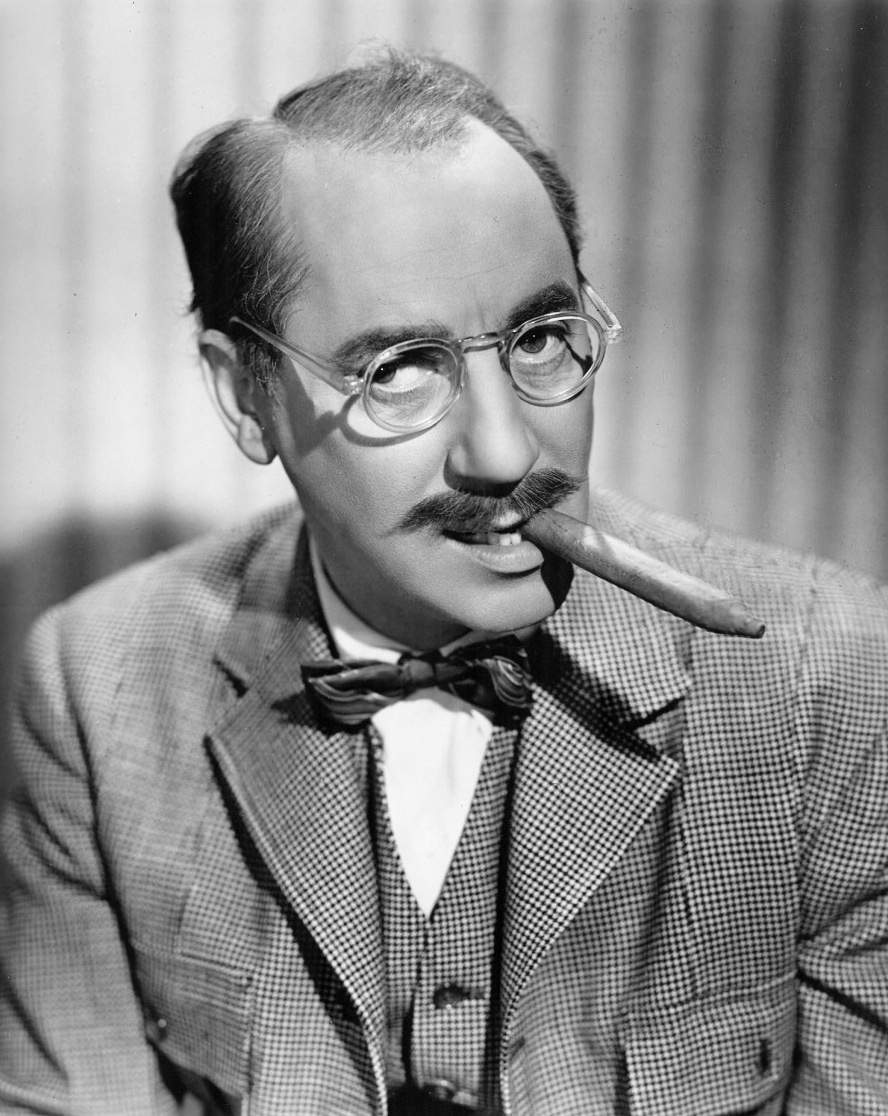
Sam Grunion (Groucho Marx)
Played by Groucho Marx
Private detective pursuing the Royal Romanoff diamonds for eleven years. Sharp, wily, and wittily cynical, he pieces together the mystery through improvisation and cunning alliances. He remains focused on the truth, even as chaos swirls around the show and its cast.
- 🕵️ Detective
- 🔎 Investigation
- 💼 Crime
-
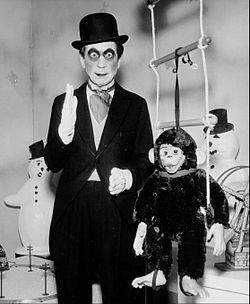
Harpo
Played by Harpo Marx
Silent, benevolent trickster who aids the troupe while covertly pilfering from others. He harbors a soft spot for Maggie and communicates with a bicycle horn, turning his mischief into decisive help. His quiet heroism drives key plot turns without a single spoken line.
- 🎭 Silent
- 🧭 Trickster
- 💖 Loyal
- MP
Maggie Phillips
Played by Vera-Ellen
A dancer and Mike Johnson’s romantic interest, drawn into the diamonds’ orbit. Principled yet vulnerable, she navigates the danger surrounding the jewel while trying to hold onto the dream of the show.
- 💃 Dancer
- 💎 Love interest
- 🎭 Stage
- MJ
Mike Johnson
Played by Paul Valentine
Manager/backer of the troupe who keeps the show afloat amid financial strain. He blends street smarts with showbiz instinct, balancing risk and reward to keep Love Happy alive.
- 🎬 Producer
- 🧭 Schemer
- 💼 Business
- ME
Madame Egelichi
Played by Ilona Massey
Elegant diamond thief with a string of husbands in pursuit of the Romanoff jewels. She wields influence with poise and uses threats to keep the scheme intact until the plan is overturned.
- 👗 Antagonist
- 💎 Diamond thief
- 🗝️ Manipulator
-
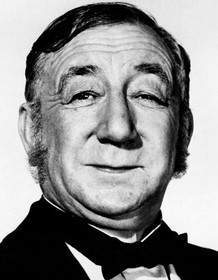
Lefty Throckmorton
Played by Melville Cooper
The crafty Herbert & Herbert store manager who recognizes opportunity in every pocket and acts as a broker between worlds of crime and commerce.
- 🕴️ Manager
- 💼 Schemer
- 🧭 Connector
-
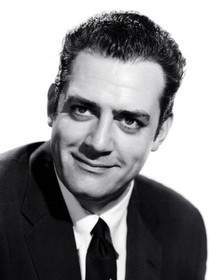
Alphonse Zoto
Played by Raymond Burr
One of the Zoto brothers, a menacing henchman whose loyalty to the crime ring adds danger to the pursuit of the diamonds.
- 🕵️ Henchman
- 🤝 Ally of crime
- 💥 Dangerous
- HZ
Hannibal Zoto
Played by Bruce Gordon
The other Zoto brother, the more aggressive partner who tightens the grip on the scheme and presses the pressure on the players.
- 🗡️ Gangster
- 🧭 Coercer
- 🛡️ Protector
-
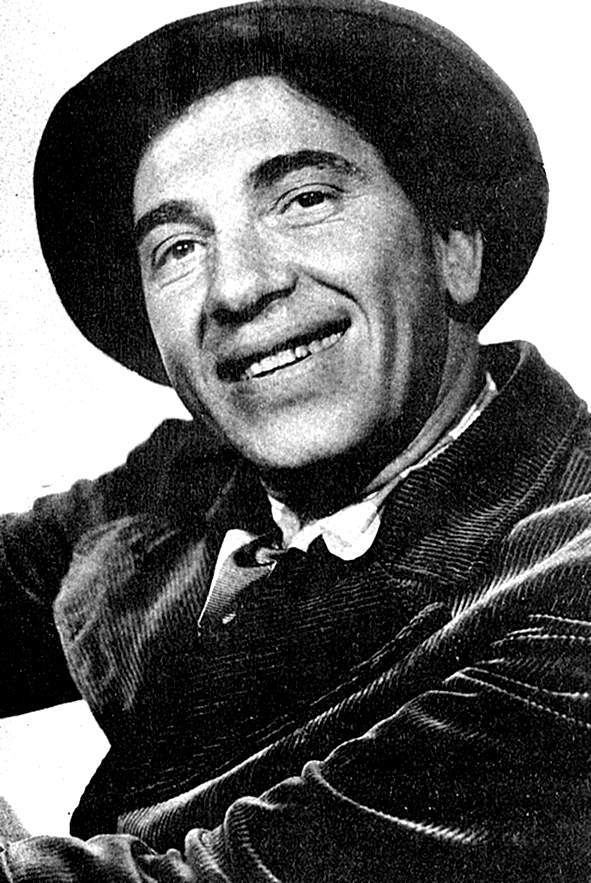
Faustino the Great
Played by Chico Marx
A charismatic mind-reader who improvises his way into the show and provides a clever, musical edge that helps move the caper forward.
- 🎹 Entertainer
- 🧠 Mind-reader
- 🧩 Improviser
- ML
Mr. Lyons
Played by Leon Belasco
Backer of the show who endures pressure from thieves but remains opportunistic, representing the financial side of vaudeville.
- 💼 Backer
- 💬 Negotiator
- 🧭 Opportunist
-
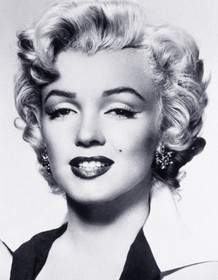
Grunion's Client
Played by Marilyn Monroe
Marilyn Monroe’s character who becomes a complicating factor in the diamond plot; her connection to the scheme deepens the intrigue.
- 💃 Client
- 🕵️ Witness
- 💖 Complex
- I
Ivan
Played by Otto Waldis
An uncredited operator in the diamond plot who adds a quiet layer of menace and underlines the underworld’s reach.
- 🕯️ Henchman
- 🗝️ Hidden
- 🧭 Shadow
- BD
Bunny Dolan
Played by Marion Hutton
A performer who adds to the troupe’s energy and backstage dynamics, contributing to the opening-night chaos.
- 🎀 Performer
- 🕊️ Cheerful
- 🎭 Ensemble
Where and When Is Love Happy Set?
Love Happy is set in New York City, Herbert & Herbert, Theatre District and Central Park (Late 1940s). Here is why the time and place matter to the story.
When
Late 1940s
The narrative sits in the postwar showbiz milieu of New York, reflecting the era's fanfare and rough-and-tumble financing of theatrical productions. Visuals and fashion mirror the late 1940s sensibilities, with vaudeville influences woven into a crime caper. The plot tempo intensifies as the clock ticks toward opening night, heightening the stakes of the diamond heist.
Where
New York City, Herbert & Herbert, Theatre District, Central Park
The action unfolds in New York City, moving from the Herbert & Herbert gourmet shop to a struggling theatre in the theatre district. Backstage corridors, alleyways, and rooftop chases contribute to a kinetic urban backdrop. Central Park provides a quiet moment where Harpo gives Maggie the diamonds, contrasting with the hustle around the stage.
- 🗽 Urban setting
- 🎭 Show business
- 🧭 City landmarks
What Are the Themes of Love Happy?
3 ideas the story keeps returning to, among them Mystery, Showbiz and Diamonds & Deception.
-
01
Mystery
A diamond heist threads through a chaotic show, turning every performer and shopkeeper into a potential suspect. Grunion pursues the truth with relentless sleuthing, while Harpo’s silent actions reveal clues without words. Misdirection, disguises, and a race against time keep the audience guessing about who can be trusted.
-
02
Showbiz
The plot centers on a failing troupe trying to mount Love Happy, blending crime with the spectacle of live performance. The theatre, backroom deals, and backstage personalities drive the humor and tension alike. Performers double as suspects, allies, and witnesses, blurring the line between art and crime.
-
03
Diamonds & Deception
Diamonds pass through hands of thieves, performers, and investigators, turning the caper into a tangled web of loyalties. Fake gems, a pivotal piano cue, and rooftop maneuvers culminate in a reversal that tests trust. The final twist ties personal relationships to the case, revealing deeper connections among the characters.
What Kind of Film Is Love Happy?
Light in tone, with fast pacing and a moderate story, going by the plot summary.
- Tone
- Light
- Pacing
- Fast
- Story
- Moderate
- Intensity
- Medium
- Ending
- Happy
A fast-paced, whimsical Marx Brothers comedy that feels like a playful caper backstage on Broadway, full of witty banter, tender romance, and high-spirited mischief.
- whimsical
- playful
- breezy
- mischievous
- romantic
- high-spirited
- backstage ambition
- pursuit
- deception
- stolen diamonds
Quiz
How well do you remember Love Happy? Test yourself on the story.


