Le vie del Signore sono finite 1987


Set in Italy during the 1920s, a barber is in a wheelchair because of a psychosomatic illness after he lost the woman he loves.

Does Le vie del Signore sono finite have end credit scenes?
No!
Le vie del Signore sono finite does not have end credit scenes. You can leave when the credits roll.
Meet the Full Cast and Actors of Le vie del Signore sono finite
Explore the complete cast of Le vie del Signore sono finite, including both lead and supporting actors. Learn who plays each character, discover their past roles and achievements, and find out what makes this ensemble cast stand out in the world of film and television.

Carola Stagnaro
Anita
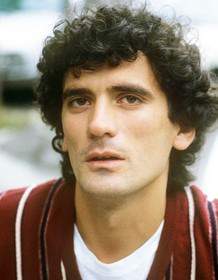
Massimo Troisi
Camillo
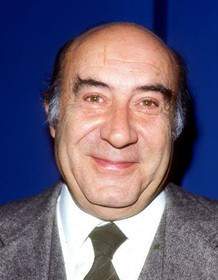
Enzo Cannavale
Papà di Camillo
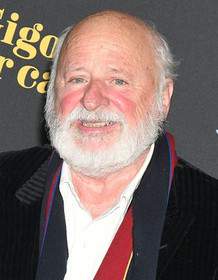
Marco Messeri
Leone

Jo Champa
Vittoria
Massimo Bonetti
Orlando
Franco Pistoni
carabiniere
Anna Orso
Giovanni Febraro
cameriere
Giulio Massimini
Clelia Rondinella
sorella di Camillo e Leone
Giovanni Tamberi
Eleonora Di Mario
Fiamma Verges
Massimo Abbate
External Links and Streaming Options
Discover where to watch Le vie del Signore sono finite online, including streaming platforms, rental options, and official sources. Compare reviews, ratings, and in-depth movie information across sites like IMDb, TMDb, Wikipedia or Letterboxd.





Take the Ultimate Le vie del Signore sono finite Movie Quiz
Challenge your knowledge of Le vie del Signore sono finite with this fun and interactive movie quiz. Test yourself on key plot points, iconic characters, hidden details, and memorable moments to see how well you really know the film.
Le vie del Signore sono finite Quiz: A ten‑question quiz that tests your knowledge of the 1987 Italian drama "Le vie del Signore sono finite". Questions range from easy to difficult and cover characters, plot points, and thematic details.
What is the profession of the film's main character, Camillo?
Full Plot Summary and Ending Explained for Le vie del Signore sono finite
Read the complete plot summary of Le vie del Signore sono finite, including all major events, twists, and the full ending explained in detail. Explore key characters, themes, hidden meanings, and everything you need to understand the story from beginning to end.
In the fascist era, Camillo, a barber in Acquasalubre, suffers from a psychosomatic disability: his legs fail him despite no organic lesion. The illness is framed as the result of a broken love with Vittoria, a French-born woman who has lived in Italy for a long time. The situation blends personal pain with a society clinging to appearances and normalized hardship, and Camillo’s doctor—who also acts as a psychoanalyst inspired by Freud—fails to win the battle against the patient’s self-doubt, partly because the letters Camillo writes are mishandled by a maid who, shaped by postwar resentments, harbors hostility toward Italians.
On a train home from Lourdes, Camillo encounters Orlando, who is revealed to be truly paralytic. The two men bond over shared vulnerability, and Camillo recounts the doctor’s influence and the odd therapeutic dynamic that surrounds him. The narrative quickly widens to show how the doctor’s theories and the broader political climate tug at the lives of ordinary people, coloring every choice with doubt and longing. A few days later, Camillo learns that Vittoria has become involved with another man, a French suitor named Bernard, yet she has not severed her ties with Camillo; their meetings continue in a delicate, unresolved dance. Bernard’s discovery of their ongoing contact sparks tension, yet Vittoria persists in keeping some connection with Camillo, leaving Camillo with a fragile hope.
Camillo’s private victory—he suddenly regains the ability to walk again—comes with a heavy caveat: he chooses not to reveal his recovery right away. To neither upset Orlando nor scramble their fragile friendship, Camillo keeps the miracle to himself, and only certain confidants, notably Vittoria and Leone, the latter being Camillo’s brother, are let in on the truth. The brothers share a bond forged in shared pain, and Leone’s own suffering appears to be connected to caring for his ailing sibling, a detail that deepens the film’s portrait of sacrifice and loyalty within a constrained world. Camillo’s quiet secret becomes a new leverage in the delicate dance of affection and pride.
Seeking to pull Orlando out of his isolation, Camillo enlists Vittoria in a carefully staged meeting designed to spark a connection—an expedition that also involves his ally Anita, who Camillo presents as someone who could nudge Orlando toward companionship. Anita, however, proves more complex than expected: she openly declares herself a fervent admirer of the Duce and departs in irritation after Camillo makes a offhand joke about Mussolini. The capriciousness of political theater bleeds into the personal sphere, and Orlando’s response shifts the dynamic once again: he falls in love with Vittoria, a development Camillo’s plan did not predict, and he confesses the feeling to a close friend.
As events unfold, Camillo’s journey takes him to Rome, where he seeks to patent two cosmetic lotions—one against baldness and one against pain. He faces a dismissive official who embodies the era’s rigid hierarchy, remarking that, according to the leader who is famously bald, salvation is achieved through pain and endurance. The setback stings, sending Camillo home disillusioned and embittered. Back in his community, a new challenge arises when Anita—a spy in the eyes of the authorities—becomes the pretext for a punitive action that lands Camillo in prison for two years. Illness returns during captivity, and only Orlando, who has become a party official, helps him weather the storm. Orlando reassures Camillo that his bond with Vittoria never went beyond friendship and hints at a broader plan, even as he mentions a journey to Ethiopia.
Upon release, Camillo receives a letter from Vittoria that includes a photograph of her wearing a straw hat—the same hat Camillo had once given to Orlando. A malignant insinuation from Leone leads Camillo to fear that Vittoria and Orlando are living together in Paris, a misbelief that drives him toward a transformative journey. In Paris, Camillo discovers the truth behind the rumor: his jealousy was misguided. The straw hat’s true history—having been given by Orlando to Vittoria before the farewell—becomes a crucial clue. With the misunderstanding cleared, Camillo and Vittoria find a renewed path and, at last, the two can return together, their bond tempered by years of suffering, patience, and the slow, stubborn arc of healing that life in a restrictive era demands.

Coming soon on iOS and Android
The Plot Explained Mobile App
From blockbusters to hidden gems — dive into movie stories anytime, anywhere. Save your favorites, discover plots faster, and never miss a twist again.
Sign up to be the first to know when we launch. Your email stays private — always.
Explore the mobile appDiscover Film Music Concerts Near You – Live Orchestras Performing Iconic Movie Soundtracks
Immerse yourself in the magic of cinema with live orchestral performances of your favorite film scores. From sweeping Hollywood blockbusters and animated classics to epic fantasy soundtracks, our curated listings connect you to upcoming film music events worldwide.
Explore concert film screenings paired with full orchestra concerts, read detailed event information, and secure your tickets for unforgettable evenings celebrating legendary composers like John Williams, Hans Zimmer, and more.


Cars Featured in Le vie del Signore sono finite
Explore all cars featured in Le vie del Signore sono finite, including their makes, models, scenes they appear in, and their significance to the plot. A must-read for car enthusiasts and movie buffs alike.
Le vie del Signore sono finite Themes and Keywords
Discover the central themes, ideas, and keywords that define the movie’s story, tone, and message. Analyze the film’s deeper meanings, genre influences, and recurring concepts.
Le vie del Signore sono finite Other Names and Titles
Explore the various alternative titles, translations, and other names used for Le vie del Signore sono finite across different regions and languages. Understand how the film is marketed and recognized worldwide.
Similar Movies To Le vie del Signore sono finite You Should Know About
Browse a curated list of movies similar in genre, tone, characters, or story structure. Discover new titles like the one you're watching, perfect for fans of related plots, vibes, or cinematic styles.


Quick Links: Summary, Cast, Ratings, More

What's After the Movie?
Not sure whether to stay after the credits? Find out!
Check out our other apps:

SAT Sphere
Build confidence for the Digital SAT.

Mori Atlas
Discover wild places worth protecting.

Luntero
Search smarter for a home in Amsterdam.

Plot Explained
Unravel movie endings and hidden clues.

Pokechamp
Dive into Pokémon data and battle logic.

Driving Theory
Get ready for your European theory test.

Movie Dust
Plan your next cinema trip with ease.

Musemap
Find art and culture as you travel.

Selkobase
Compare credentials before committing.

Local Manual
Turn an unfamiliar country into practical next steps.

Lernavi
Compare school systems before your next move.

GymRoam
Find a workout stop wherever your plans take you.
Explore Our Movie Platform
New Movie Releases (2026)
Famous Movie Actors
Top Film Production Studios
Movie Plot Summaries & Endings
Major Movie Awards & Winners
Best Concert Films & Music Documentaries
Movie Collections and Curated Lists
© 2026 What's After the Movie. All rights reserved.
Privacy Policy