
Kokuho 2025

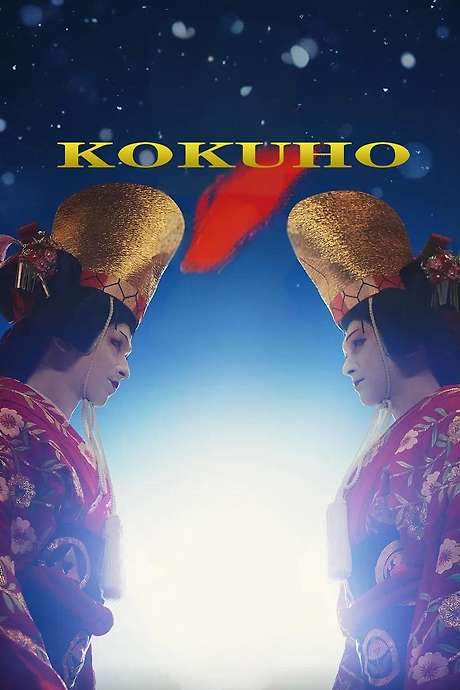
In Nagasaki, 1964, a young boy named Kikuo is taken in by a celebrated Kabuki actor following the death of his yakuza father. He is joined by the actor’s son, Shunsuke, and together they commit to mastering the traditional art of Kabuki. The story follows their journey over decades, from rigorous training to performing on the most prestigious stages. Their shared path is filled with both triumph and turmoil, encompassing scandal, brotherhood, and ultimately, betrayal, as one strives to become a legendary Kabuki master.


Does Kokuho have end credit scenes?
No!
Kokuho does not have end credit scenes. You can leave when the credits roll.
Meet the Full Cast and Actors of Kokuho
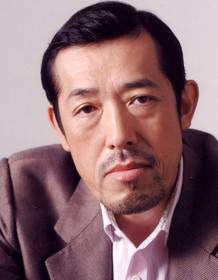
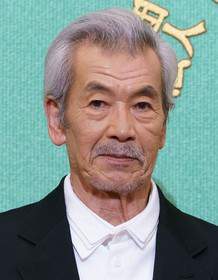
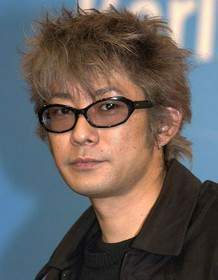
Explore the complete cast of Kokuho, including both lead and supporting actors. Learn who plays each character, discover their past roles and achievements, and find out what makes this ensemble cast stand out in the world of film and television.




External Links and Streaming Options
Discover where to watch Kokuho online, including streaming platforms, rental options, and official sources. Compare reviews, ratings, and in-depth movie information across sites like IMDb, TMDb, Wikipedia or Rotten Tomatoes.







Ratings and Reviews for Kokuho
See how Kokuho is rated across major platforms like IMDb, Metacritic, and TMDb. Compare audience scores and critic reviews to understand where Kokuho stands among top-rated movies in its genre.

The Movie Echo Score
In terms of overall impact, Kokuho delivers a compelling blend of performance and visual splendor that sustains audience engagement across its three‑hour runtime. Critics and viewers alike commend the lead actors’ nuanced portrayals and the film’s meticulous recreation of kabuki aesthetics, while noting that the narrative’s measured pace remains steady despite occasional excess. Minor criticisms focus on occasional editorial flatness, yet the work’s cultural depth and emotional resonance contribute to a lasting impression. The net result is a strongly positive cinematic experience.
The Movie Echo Score Breakdown for Kokuho

Art & Craft
Direction and visual execution form the backbone of Kokuho’s artistry, with Lee Sang‑il’s careful staging and period‑accurate production design receiving consistent praise. Critics highlight the sumptuous cinematography that captures kabuki’s grandeur, while several viewers note the film’s immersive color palette and detailed set work. Conversely, a subset of feedback points to flat lighting and uneven editing that diminish tension in key sequences. Overall, the craftsmanship is strong, though not flawless.

Character & Emotion
The performances constitute the film’s most acclaimed element, with Ryo Yoshizawa’s portrayal of Kikuo repeatedly described as astonishing and deeply moving. Supporting actors, including Ryusei Yokohama and Tanaka Min, are noted for layered, emotionally resonant portrayals that enrich onstage and offstage dynamics. Reviewers consistently cite the chemistry between the leads as a driving force, reinforcing the narrative’s emotional core.

Story & Flow
Narratively, Kokuho spans five decades with a measured pacing that many reviewers find evenly sustained despite its nearly three‑hour length. The central emotional arc between the two protagonists is praised for its depth, while some critics label the middle section as overly elaborate or contrived, leading to moments of narrative slackness. Overall, the story maintains engagement.

Sensory Experience
The film’s sensory palette blends traditional kabuki music with a resonant score, creating an immersive auditory environment praised by both critics and audiences. Visuals are highlighted for their rich color schemes and meticulous recreation of period sets, though a minority note occasional flat lighting and uninspired editing that detract from moments of tension.

Rewatch Factor
Kokuho’s enduring appeal lies in its cultural richness and emotional depth, prompting viewers to revisit the film for its layered performances and intricate depiction of kabuki. Despite its length, the steady pacing and compelling character dynamics encourage repeat viewings, while the occasional narrative drag is generally outweighed by its artistic merit.

7.9 /10
IMDb Rating

93
%
User Score

3.9
From 37 fan ratings
Full Plot Summary and Ending Explained for Kokuho
Read the complete plot summary of Kokuho, including all major events, twists, and the full ending explained in detail. Explore key characters, themes, hidden meanings, and everything you need to understand the story from beginning to end.
Hanjiro Hanai II, Ken Watanabe, a renowned kabuki actor, travels to the Tachibana yakuza for a New Year gathering. During the event, Kikuo Tachibana, Ryo Yoshizawa, the son of the group’s leader, performs an excerpt of Barrier Gate with a fellow yakuza youth named Tokuji. Kikuo’s onnagata performance impresses Hanjiro, who asks to speak with him afterward. But a rival yakuza group launches an attack, and Gongōro, Kikuo’s father, dies before their eyes. Kyûsaku Shimada plays Gongōro, a brutal reminder of how fragile loyalties can be in this world.
Grief drives Kikuo toward revenge, his back marked by a tattoo of an eagle owl, a symbol of gratitude and the debt that never truly disappears. Despite Harue’s protests, he vows to avenge his family alongside Tokuji, yet their attempt ends in tragedy and failure.
A year passes, and at the age of 15, Kikuo becomes an apprentice to Hanjiro, a decision that stirs the household. Sachiko, Shinobu Terajima, worries about Kikuo’s outsider status and the hollow weight of bloodline in kabuki. The boy is given the stage name Toichiro and starts training beside Shunsuke, Hanjiro’s son and heir to the Tanba-ya house. The two form a deep, complicated bond—one forged by rivalry as much as brotherhood.
ToNog ers, Hanjiro takes them to a Mangiku performance; Mangiku, a living legend, is an onnagata of extraordinary skill and status. The encounter leaves both Kikuo and Shunsuke inspired, though Mangiku cautions that beauty can become a trap for a performer whose looks already draw notice. At a teahouse, geisha Fujikoma expresses her admiration for Kikuo and hints at a desire to be part of his world.
As talent grows, Hanjiro and Sachiko decide to pair the two young actors as an onnagata duo, the “Tohan” pair, with a debut in a Wisteria Maiden. Umeki from the Mitomo corporation notices their rise and offers opportunities to bring the duo to a wider audience, including a potential staging of Ninin Dojoji at the Osaka Shochikuza Theatre. Takeno, a Mitomo employee, is blunt about the hereditary nature of kabuki, warning that Kikuo’s ascent might end badly—and Kikuo responds with instinctive anger.
The Tohan duo’s debut is a triumph, catapulting them to stardom and turning heads at every turn. Kikuo asks Harue to marry him, but she hesitates, unsure whether the skyrocketing fame can coexist with normal life. As the duo’s popularity swells, a sudden accident interrupts Hanjiro’s career: he’s involved in a serious traffic crash, and though he survives, he’s left unable to lead in the upcoming Love Suicides at Sonezaki.
Against all expectations, Hanjiro names Kikuo as his successor instead of Shunsuke, provoking fierce disapproval from Sachiko. Kikuo fears the moment and the shadow of his lack of kabuki blood, while Shunsuke, who must rely on others to complete makeup, watches with a mix of envy and hurt. Harue offers support, and the pair of them leave the theater together as the performance ends.
Eight years pass. Hanjiro, now nearly blind from diabetes, hopes that Kikuo will inherit the title Hanai Hanjiro III, allowing the Tanba-ya line to endure while settling his master’s debts. Sachiko remains wary, but Kikuo accepts the burden. He visits Fujikoma, with whom he has fathered a daughter named Ayase, and makes a solemn shrine wish to become the best kabuki actor in Japan. Ayase, now part of his life, appears in the shadows of his ambition, a constant reminder of the cost of his path.
At the succession parade, Ayase rushes toward her father, but Kikuo’s duties hold him still as Fujikoma steps in to claim her. The ceremony devolves when Hanjiro vomits blood, and the event ends early as Mangiku watches with a grave, knowing eye. In the years that follow, Kikuo remains unable to secure leading or speaking roles despite formally inheriting the Hanjiro name and shouldering his late master’s debts, while Shunsuke, despite being out of practice, lands starring roles alongside Mangiku. Public opinion turns against Kikuo, his yakuza tattoo and illegitimate daughter becoming public knowledge, casting him as a usurper in the eyes of many.
A romance with Akiko, daughter of a powerful kabuki investor, complicates the already fragile landscape, and when Akiko’s father disapproves, the relationship fractures, driving Akiko to leave her family for Kikuo. The strain drives Kikuo away from Shunsuke and the Kabuki world, even as Shunsuke tries to reconnect and re-enter the scene with his longtime rival.
Four years pass, and Kikuo’s life devolves into banquets and small performances where he is mocked and beaten when his true identity is revealed. He drinks and frets on a rooftop, his spirit fractured as Akiko departs. Mangiku, now retired and aged to 93, invites him for one last chance to return to the stage. After a private performance that rekindles his fire, Kikuo teams with Shunsuke once more as the Han-han duo and mentors Shunsuke’s son, though the boy’s own interests lean toward basketball.
A crisis during Ninin Dojoji forces Shunsuke to fall back and leave Kikuo to carry the show; Shunsuke’s diabetes has worsened, leading to the amputation of his left foot and, later, treatment for the right. Undaunted, they persevere, delivering a performance that is hailed as a triumph in the face of physical pain and fading strength, and Shunsuke’s struggle becomes a quiet, dignified memory in the audience.
Sixteen years after the early triumphs, Shunsuke is posthumously awarded the title Hanai Byakko V, and Kikuo is recognized as a kokuho, preparing to perform Heron Maiden in his honor. In a reflective interview, he is asked what he still seeks, and he admits that he longs for a certain kind of scenery—the same answer he gave after Ninin Dojoji years before. Ayase, revealed as the photographer behind the camera, confesses that she has never seen him as a father figure because of his past, yet she remains drawn to his artistry and the electricity of his stage presence.
Kikuo steps onto the stage for Heron Maiden before a full house, the lights blazing over the audience. As the curtain settles, he looks up at the glittering rigging and envisions the snow falling, a single tear tracing a path down his cheek as he absorbs the beauty of the moment and the culmination of a life devoted to the art he loves.

Watch Trailers, Clips & Behind-the-Scenes for Kokuho
Watch official trailers, exclusive clips, cast interviews, and behind-the-scenes footage from Kokuho. Dive deeper into the making of the film, its standout moments, and key production insights.
Kokuho Other Names and Titles
Explore the various alternative titles, translations, and other names used for Kokuho across different regions and languages. Understand how the film is marketed and recognized worldwide.
Quick Links: Summary, Cast, Ratings, More

What's After the Movie?
Not sure whether to stay after the credits? Find out!




Explore Our Movie Platform
New Movie Releases (2025)
Famous Movie Actors
Top Film Production Studios
Movie Plot Summaries & Endings
Major Movie Awards & Winners
Best Concert Films & Music Documentaries
Movie Collections and Curated Lists
© 2025 What's After the Movie. All rights reserved.