Jogi 2022

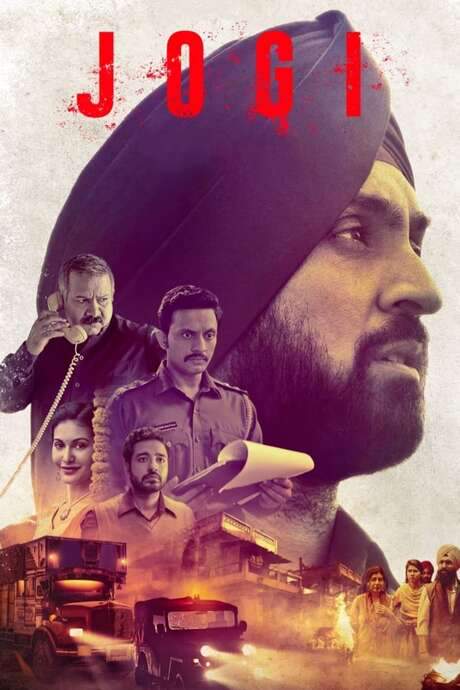
The biggest human heist Amid tension in 1980s India, three friends of different faiths unite in a noble yet dangerous effort to save hundreds in their town.


Does Jogi have end credit scenes?
No!
Jogi does not have end credit scenes. You can leave when the credits roll.
Meet the Full Cast and Actors of Jogi
Explore the complete cast of Jogi, including both lead and supporting actors. Learn who plays each character, discover their past roles and achievements, and find out what makes this ensemble cast stand out in the world of film and television.

Mohammed Zeeshan Ayyub
Inspector Rawinder Chautala
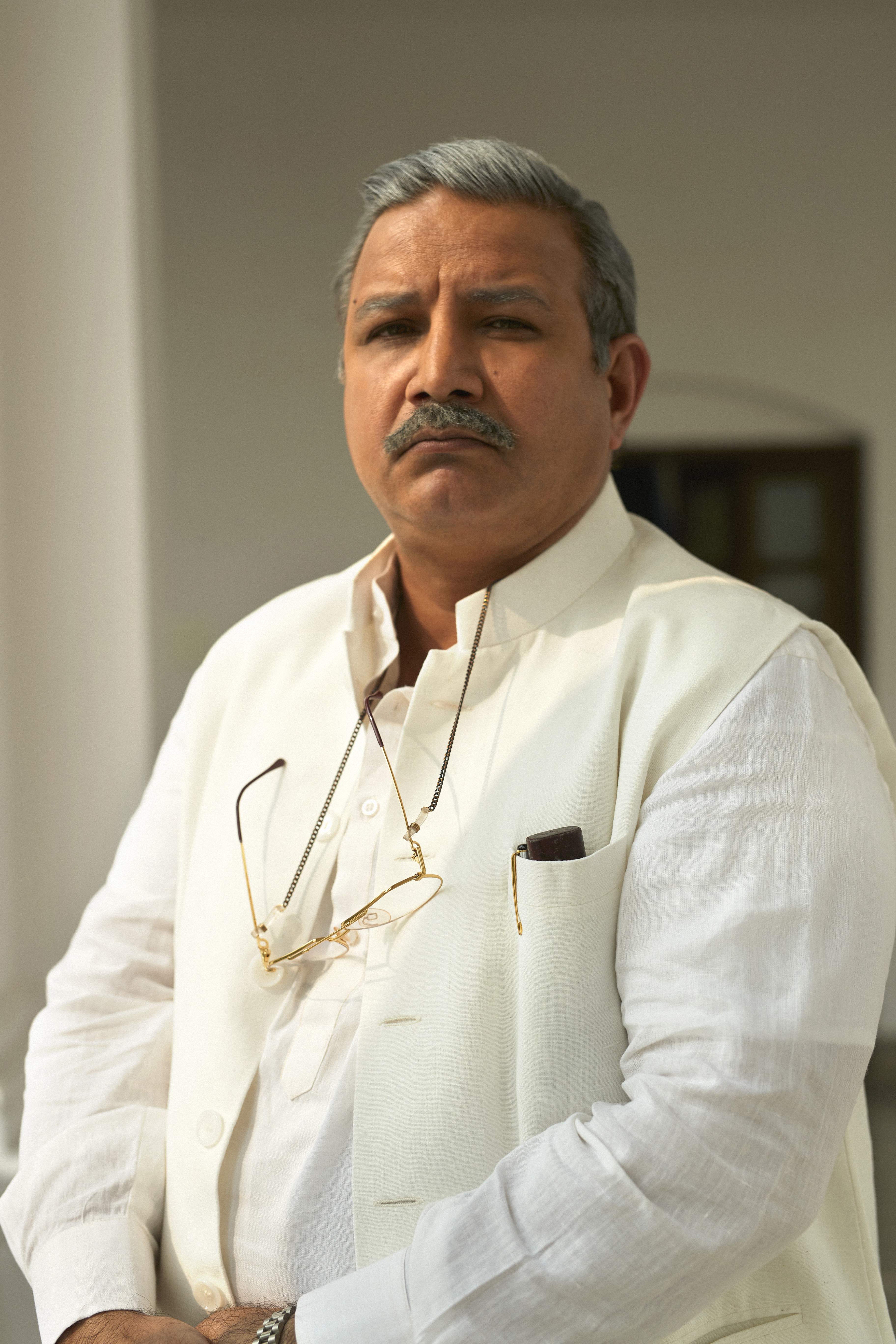
Kumud Mishra
Tejpal Arora

Paresh Pahuja
Kaleem Ansari
Diljit Dosanjh
Joginder Singh
Hiten Tejwani
Lali Katiyal
Neelu Kohli
Jogi's Mother
Amyra Dastur
Kammo
Mikhail Yawalkar
Daler Singh
Apindereep Singh
Sukhi (Jogi's Brother)
Saurabh Chauhan
Inspector Kuldeep
Sadanand Patil
Constable Ram Manohar
Arvinder Singh Gill
Harpal Singh (Jogi's Father)
Samarjit Singh Mahajan
Prab
Nimrat Pratap Singh
Young Jogi
Noyrika Bhatheja
Shehnaaz
Charu Kumar
Heer (Jogi's sister)
K.P. Singh
Tejinder (Heer's husband)
External Links and Streaming Options
Discover where to watch Jogi online, including streaming platforms, rental options, and official sources. Compare reviews, ratings, and in-depth movie information across sites like IMDb, TMDb, Wikipedia or Rotten Tomatoes.





Ratings and Reviews for Jogi
See how Jogi is rated across major platforms like IMDb, Metacritic, and TMDb. Compare audience scores and critic reviews to understand where Jogi stands among top-rated movies in its genre.

The Movie Echo Score
As a whole, Jogi delivers a powerful portrayal of the 1984 anti‑Sikh riots, anchored by strong performances and a visceral depiction of communal violence. While the direction and visual execution maintain tension, the narrative suffers from an under‑developed script and a contrived romantic subplot that dilutes the historical focus. Audience reactions note both the emotional intensity and the disappointment of the final act. Consequently, the film offers a compelling yet uneven experience that rewards viewers interested in the period.
The Movie Echo Score Breakdown for Jogi

Art & Craft
In terms of art and craft, the film exhibits competent direction and effective period‑specific production design, with VFX sequences that convincingly render the riots. Editing maintains momentum during the escape scenes, and the visual palette supports the gritty atmosphere. However, critics point to a sluggish pace in the latter half and a climax that feels overly stylised, indicating uneven execution of the craft.

Character & Emotion
When evaluating character and emotion, performances stand out as the film’s strongest element. Diljit Dosanjh delivers a nuanced portrayal of a conflicted protagonist, while Zeeshan Ayyub and Kumud Mishra provide layered supporting roles that humanise both sides of the conflict. Some secondary characters receive limited development, yet the core cast sustains emotional resonance throughout the narrative.

Story & Flow
The story and flow present a harrowing account of the 1984 riots, maintaining tension through an intense early structure and emotionally charged set‑pieces. Nevertheless, reviewers criticize a shallow script that avoids deeper political analysis and a late‑stage romantic subplot that undermines historical focus. The final forty minutes are described as contrived, leading to an uneven overall narrative coherence.

Sensory Experience
Sensory experience is reinforced by a gritty visual style and effective VFX that depict the chaos of the riots. The background score, while not outstanding, sustains tension and complements the on‑screen action. Sound design is clear, though some critics note the music lacks memorability, resulting in a solid but not exceptional auditory component.

Rewatch Factor
The rewatch factor remains relatively high due to the film’s emotional intensity and the compelling central performance, which encourage viewers to revisit the dramatic moments. However, the disappointing final act and the inserted romance may diminish repeat enjoyment for some audience members. Overall, the movie offers a memorable experience that many would watch again despite its flaws.
Take the Ultimate Jogi Movie Quiz
Challenge your knowledge of Jogi with this fun and interactive movie quiz. Test yourself on key plot points, iconic characters, hidden details, and memorable moments to see how well you really know the film.
Jogi (2022) Quiz: Test your knowledge of the film Jogi, its setting, characters, and key events.
What national event sparks the three‑day period depicted in the film?
Full Plot Summary and Ending Explained for Jogi
Read the complete plot summary of Jogi, including all major events, twists, and the full ending explained in detail. Explore key characters, themes, hidden meanings, and everything you need to understand the story from beginning to end.
Set in Delhi’s eastside Trilokpuri, this film traces a three-day window in the immediate aftermath of Indira Gandhi’s assassination on 31 October 1984, four months after Operation Blue Star. At its core are the stories of a traditional, working‑class Sikh family spanning three generations, who begin their day with the familiar rhythms: the kids headed for school, the women frying parathas, and the elders sharing quiet jokes around the breakfast table. They have no idea the world is about to transform around them.
As the morning progresses and news of the assassination spreads, the family’s ordinary routine is shattered. On a bus ride to work, they become targets as tensions flare; a questions of fate becomes a cruel chant: “what is our fault?”—to which the cruel reply is simply, “you are a sardar.” > “you are a sardar.” The film moves through a harrowing three days of escalating violence, where Sikhs are scapegoated and identified by their distinct appearances and the names on electoral registers, a dangerous incitement amplified by Tejpal Arora.
The upheaval does not spare Jogi’s family. Sukhi, Jogi’s elder brother, is beaten as he opens his shop and is burned alive along with others, leaving Heer and the rest of the family to navigate shock and grief. Mobs pour through the streets, buildings burn, and a tormented scene shows a man in a turban running on fire, while a Sikh family is enveloped in flames inside a car. When Jogi returns home, he finds an emptied house; neighbors are even cutting their children’s hair in a desperate bid to disappear from sight. At his sister Heer’s home, he finds Sukhi and other relatives gathered around her sewing machine, stitching a shirt for her dead husband, a moment that tightens the family’s resolve. Jogi consoles his sister, and Sukhi, already overwhelmed by grief, breaks down.
In the midst of this crisis, Rawinder Chautala, Rawinder Chautala, a friend and police officer, spots Jogi’s family name on a target list and urges him to flee to Punjab. Yet Jogi makes a vow that extends beyond his own kin: he intends to stand with his entire Sikh community. After a deeply emotional moment in which he cuts his hair, Rawinder and [Kareem] helps him begin a plan. The group works to relocate Sikhs by transporting them in a truck masked as a weapon- and alcohol‑haul vehicle, guiding them toward safety in Punjab.
A brief flashback sheds light on Laali’s vendetta with Jogi, centering on Kammo’s suicide and the unresolved ties that fuel old wounds. The film closes with a poignant, if contradictory, arc: the community seems saved when the Indian Army arrives—courtesy of Laali’s intervention—but Jogi is fatally shot by Tejpal Arora in a final, heartrending moment that underscores the costs of violence and the fragility of peace.
The narrative is anchored by intimate, human scenes—between father and son on the bus, siblings sharing grief, neighbors wondering how to survive—and expanded by the sweeping, turbulent backdrop of a city under siege. The characters feel vividly real as their personal losses intersect with political and communal forces, and the film never loses sight of the everyday courage it takes to endure, persevere, and hope amid catastrophe. The story lingers on the moral choices people make when fear, loyalty, and justice collide, inviting viewers to witness not just tragedy, but the stubborn human drive toward resilience and unity.

Coming soon on iOS and Android
The Plot Explained Mobile App
From blockbusters to hidden gems — dive into movie stories anytime, anywhere. Save your favorites, discover plots faster, and never miss a twist again.
Sign up to be the first to know when we launch. Your email stays private — always.
Explore the mobile appDiscover Film Music Concerts Near You – Live Orchestras Performing Iconic Movie Soundtracks
Immerse yourself in the magic of cinema with live orchestral performances of your favorite film scores. From sweeping Hollywood blockbusters and animated classics to epic fantasy soundtracks, our curated listings connect you to upcoming film music events worldwide.
Explore concert film screenings paired with full orchestra concerts, read detailed event information, and secure your tickets for unforgettable evenings celebrating legendary composers like John Williams, Hans Zimmer, and more.


Jogi Other Names and Titles
Explore the various alternative titles, translations, and other names used for Jogi across different regions and languages. Understand how the film is marketed and recognized worldwide.
Quick Links: Summary, Cast, Ratings, More

What's After the Movie?
Not sure whether to stay after the credits? Find out!
Check out our other apps:

SAT Sphere
Build confidence for the Digital SAT.

Mori Atlas
Discover wild places worth protecting.

Luntero
Search smarter for a home in Amsterdam.

Plot Explained
Unravel movie endings and hidden clues.

Pokechamp
Dive into Pokémon data and battle logic.

Driving Theory
Get ready for your European theory test.

Movie Dust
Plan your next cinema trip with ease.

Musemap
Find art and culture as you travel.

Selkobase
Compare credentials before committing.

Local Manual
Turn an unfamiliar country into practical next steps.

Lernavi
Compare school systems before your next move.

GymRoam
Find a workout stop wherever your plans take you.
Explore Our Movie Platform
New Movie Releases (2026)
Famous Movie Actors
Top Film Production Studios
Movie Plot Summaries & Endings
Major Movie Awards & Winners
Best Concert Films & Music Documentaries
Movie Collections and Curated Lists
© 2026 What's After the Movie. All rights reserved.
Privacy Policy