Is Paris Burning? 1966


‘Burn Paris!’ blares over the phone as World War II draws to a close. General Dietrich von Choltitz is ordered to raze the city if the Allies appear or control slips. He defies the command, angering his superiors but inspiring French resistance groups. Together with Swedish diplomat Raoul Nordling, he assists a resistance leader in rallying his forces.


Does Is Paris Burning? have end credit scenes?
No!
Is Paris Burning? does not have end credit scenes. You can leave when the credits roll.
Meet the Full Cast and Actors of Is Paris Burning?
Explore the complete cast of Is Paris Burning?, including both lead and supporting actors. Learn who plays each character, discover their past roles and achievements, and find out what makes this ensemble cast stand out in the world of film and television.

Orson Welles
Konsul Nordling

Alain Delon
Jacques Chaban-Delmas

Yves Montand
Sgt. Marcel Bizien

Michel Piccoli
Edgar Pisani
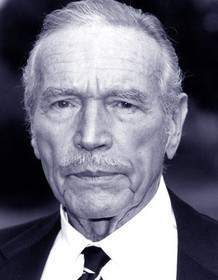
Wolfgang Preiss
Capitaine Ebernach

Gert Fröbe
Von Choltitz

Michael Lonsdale
Debu-Bridel (uncredited)
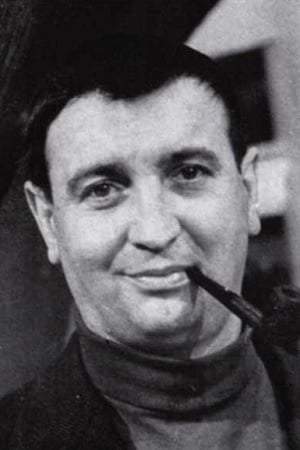
Albert Rémy
Policeman / Gendarme

Anthony Perkins
Sgt. Warren

Marie Versini
Claire Morandat

Bernard Fresson
F.F.I liaison officer

Georges Géret
Baker
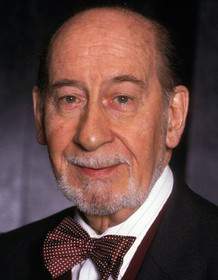
Pierre Dux
Cerat - Alexandre Parodi

Simone Signoret
Cafe Owner

Hannes Messemer
General Jodl

Charles Boyer
Doctor Monod

Kirk Douglas
General Patton

Hubert de Lapparent
Bailiff at Matignon
Jean Valmont
F.F.I. bazooka

George Chakiris
GI in Tank
Daniel Gélin
Yves Bayet
Paul Crauchet
Priest
Claude Dauphin
Colonel Lebel
Georges Claisse
Intern with Monod (uncredited)
Georges Poujouly
Landrieux (uncredited)
Claude Rich
General Leclerc
Robert Stack
General Sibert
Leslie Caron
Françoise Labé
Bruno Cremer
Colonel Rol Tanguy
Sacha Pitoëff
Joliot-Curie

Glenn Ford
Lt. Gen. Omar N. Bradley

E.G. Marshall
Intelligence Officer Powell (uncredited)
Jeanne Herviale
Bit part (uncredited)
Patrick Dewaere
Young resistant (uncredited)
Georges Staquet
Captain Dronne
Pierre Collet
Resistant policeman
Michel Etcheverry
Prefect Luizet
Germaine de France
Old lady
Jean-Paul Belmondo
Yvon Morandat
Jean-Louis Trintignant
Captain Serge
Jean-Pierre Cassel
Lt. Henri Karcher
Roger Lumont
Jade Amicol
Pierre Vaneck
Maj. Roger Gallois
Michel Sardou
Young resistant (uncredited)
Günter Meisner
SS Commander in Pantin
André Falcon
Member of Resistance council (uncredited)
Peter Neusser
SS (Bayeux Tapestry)
Cécile Vassort
Young woman (uncredited)
Pierre Mirat
Owner of the Medicis bistro
Claude Vernier
German prisoner
Joachim Hansen
Commander of Fresnes prison
Maria Machado
Stella (uncredited)
Skip Ward
Charlie, U.S. soldier
Karl-Otto Alberty
SS (Bayeux Tapestry)
Félix Marten
Georges Landrieu
Suzy Delair
Parisian woman (uncredited)
Hénia Suchar
Prefecture's switchboard operator
Tony Taffin
Bernard Labé
Ernst Fritz Fürbringer
General von Voineburg
Helmuth Schneider
German adjutant in the subway
Harry Meyen
Lieutenant von Arnim
Jean-Michel Rouzière
Gentleman with the little dog
Otto Stern
German soldier in the subway
Serge Rousseau
Col. Fabien (uncredited)
Konrad Georg
Gen. Field Marshal Model
Christian Rode
Burned German soldier
Michel Gonzalès
Resistant student
Jacques Léonard
American soldier (uncredited)
Peter Jacob
Infantry General Burgdorf
Billy Frick
Adolf Hitler
Paloma Matta
Lilane Charvet, young bride
Francis Nani
Resistant student
Sébastien Poitrenaud
Resistant student
Michel Fugain
Young resistant (uncredited)
External Links and Streaming Options
Discover where to watch Is Paris Burning? online, including streaming platforms, rental options, and official sources. Compare reviews, ratings, and in-depth movie information across sites like IMDb, TMDb, Wikipedia or JustWatch.





Take the Ultimate Is Paris Burning? Movie Quiz
Challenge your knowledge of Is Paris Burning? with this fun and interactive movie quiz. Test yourself on key plot points, iconic characters, hidden details, and memorable moments to see how well you really know the film.
Is Paris Burning? Quiz: Test your knowledge of the 1966 film "Is Paris Burning?" covering its plot, characters, and historical context.
Who was the German general appointed as military governor of Paris?
Full Plot Summary and Ending Explained for Is Paris Burning?
Read the complete plot summary of Is Paris Burning?, including all major events, twists, and the full ending explained in detail. Explore key characters, themes, hidden meanings, and everything you need to understand the story from beginning to end.
Shortly after the failed 20 July plot to assassinate Adolf Hitler, General von Choltitz Gert Fröbe is installed as the military governor of occupied Paris, a grim assignment meant to keep the city from falling into Allied hands by any means necessary. Hitler believes Choltitz will follow orders to raze Paris if it comes to that, much as Warsaw would be destroyed to deny the Allies a symbolic victory.
As the Allies bypass Paris to strike at Germany directly, the French Resistance divides on how to respond. The Gaullists under Jacques Chaban-Delmas advise patience and caution, while the Communists, led by Colonel Rol-Tanguy, push for an immediate uprising. The two factions eventually align around a plan to seize key government buildings and rally civilian support, a move that could determine whether Paris remains a symbol of French resistance or becomes a showcase of German might.
Choltitz, initially intent on carrying out Hitler’s destruction of the city, faces a complication when his troops fail to dislodge the Resistance from the Paris Police Prefecture. In a pivotal moment, he orders the Luftwaffe to bomb the building, only to retract the move after a persuasive appeal from the Swedish consul Raoul Nordling Orson Welles. Nordling argues that bombing the area risks crippling priceless cultural treasures, including Notre Dame Cathedral, and he urges a pause to seek a truce. This intervention sets in motion a delicate, uneasy compromise between two sides that are still fighting but hoping to avoid total devastation.
The truce is negotiated under great pressure, but it is short-lived. While the Gaullists want to hold fast to the terms, the Communists press on, fighting with dwindling ammunition as the city grapples with its own fate. A critical development emerges when Adrien, a messenger from the Resistance, reaches out to the Americans to explain that Paris must be saved as a strategic and moral landmark. The message lands with General Omar Bradley, who agrees that a symbolic Allied presence is needed. He sanctions the movement of the 2nd Armored Division under General Philippe Leclerc Claude Rich to enter Paris and secure a basic, credible occupation by Free French forces.
As the German难situation grows direr, Choltitz delays the fatal order to destroy the city, doubting that the war can still be won and sensing that capitulation might be the wiser path. In a tense run of events, two SS officers reveal that their mission is not to raze Paris but to rescue the Bayeux Tapestry for Himmler before any destruction, a grim reminder of the war’s cultural losses. The German commander’s hesitation intensifies as his own officers press on with the plan of detonations, but the Allied advance continues to push closer.
Eventually, a line of American tanks—manned by Free French forces with a modest American escort—rolls into Paris. The tanks, named after battles from the Spanish Civil War, push toward the city center, signaling a turning point that convinces Choltitz to abandon the destruction order and surrender. As the line advances, German troops plant mines at strategic points, including Napoleon’s tomb, while civilians emerge to confront the danger and witness the unfolding drama.
When the Free French reach the Hôtel de Ville and the bells of Notre Dame ring again, the mood shifts from fear to celebration. De Gaulle’s parade through the streets, accompanied by cheering crowds, marks a symbolic victory as Paris is finally liberated. In the farewell mood, a voice from the German side lingers on a phone, repeatedly asking, “Is Paris burning?” even as the city’s skyline remains intact. The scene cuts from stark black-and-white footage to color as the closing credits roll, capturing a city and a people reclaiming their place in history.
In the end, the film presents a nuanced portrait of courage, hesitation, and resolve. It emphasizes how a combination of resistance, diplomacy, and strategic military moves helped prevent Paris from being reduced to ashes, and how the city’s liberation became a powerful symbol of resilience. The story intertwines human drama with historical spectacle, inviting viewers to reflect on the choices made by leaders, soldiers, and ordinary citizens under extraordinary pressure. The film invites memory and contemplation, offering a sweeping, meticulously detailed account that stays true to the events it portrays while presenting them in a richly cinematic frame.
Is Paris burning?

Coming soon on iOS and Android
The Plot Explained Mobile App
From blockbusters to hidden gems — dive into movie stories anytime, anywhere. Save your favorites, discover plots faster, and never miss a twist again.
Sign up to be the first to know when we launch. Your email stays private — always.
Explore the mobile appWatch Trailers, Clips & Behind-the-Scenes for Is Paris Burning?
Watch official trailers, exclusive clips, cast interviews, and behind-the-scenes footage from Is Paris Burning?. Dive deeper into the making of the film, its standout moments, and key production insights.
Is Paris Burning? Themes and Keywords
Discover the central themes, ideas, and keywords that define the movie’s story, tone, and message. Analyze the film’s deeper meanings, genre influences, and recurring concepts.
Is Paris Burning? Other Names and Titles
Explore the various alternative titles, translations, and other names used for Is Paris Burning? across different regions and languages. Understand how the film is marketed and recognized worldwide.
Similar Movies To Is Paris Burning? You Should Know About
Browse a curated list of movies similar in genre, tone, characters, or story structure. Discover new titles like the one you're watching, perfect for fans of related plots, vibes, or cinematic styles.


Quick Links: Summary, Cast, Ratings, More

What's After the Movie?
Not sure whether to stay after the credits? Find out!
Check out our other apps:

SAT Sphere
Build confidence for the Digital SAT.

Mori Atlas
Discover wild places worth protecting.

Luntero
Search smarter for a home in Amsterdam.

Plot Explained
Unravel movie endings and hidden clues.

Pokechamp
Dive into Pokémon data and battle logic.

Driving Theory
Get ready for your European theory test.

Movie Dust
Plan your next cinema trip with ease.

Musemap
Find art and culture as you travel.

Selkobase
Compare credentials before committing.

Local Manual
Turn an unfamiliar country into practical next steps.

Lernavi
Compare school systems before your next move.

GymRoam
Find a workout stop wherever your plans take you.
Explore Our Movie Platform
New Movie Releases (2026)
Famous Movie Actors
Top Film Production Studios
Movie Plot Summaries & Endings
Major Movie Awards & Winners
Best Concert Films & Music Documentaries
Movie Collections and Curated Lists
© 2026 What's After the Movie. All rights reserved.
Privacy Policy