Ironclad 2011

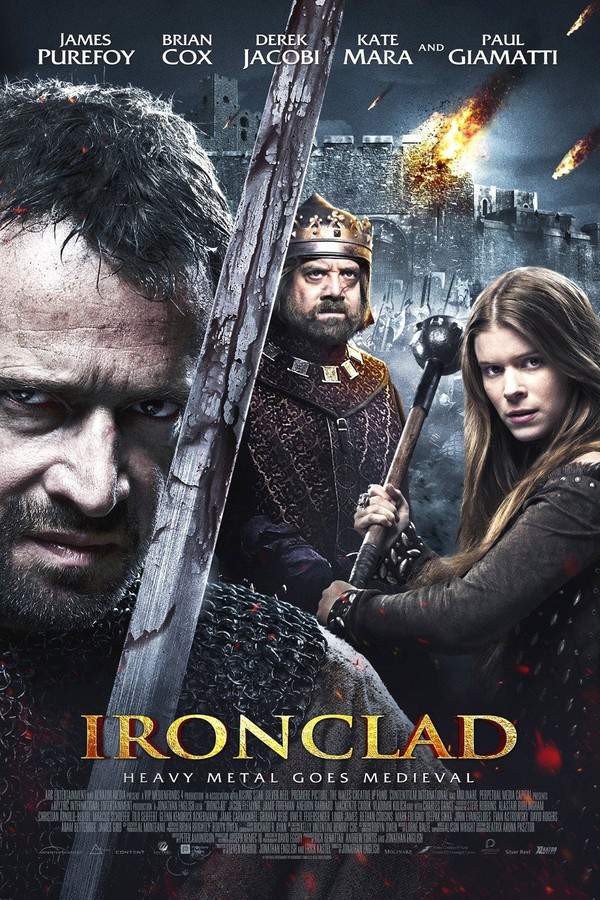
During a tumultuous period in medieval England, a group of Knights Templar find themselves defending Rochester Castle against the determined forces of King John. Facing overwhelming odds, they must fight to protect the castle and uphold their principles in a desperate battle for survival, where honor and loyalty are put to the ultimate test.


Does Ironclad have end credit scenes?
No!
Ironclad does not have end credit scenes. You can leave when the credits roll.
Where to Watch Ironclad
See current US streaming, rental, and purchase options for Ironclad (2011) via JustWatch.







Meet the Full Cast and Actors of Ironclad
Explore the complete cast of Ironclad, including both lead and supporting actors. Learn who plays each character, discover their past roles and achievements, and find out what makes this ensemble cast stand out in the world of film and television.



External Links and Streaming Options
Discover where to watch Ironclad online, including streaming platforms, rental options, and official sources. Compare reviews, ratings, and in-depth movie information across sites like IMDb, TMDb, Wikipedia or Rotten Tomatoes.









Ratings and Reviews for Ironclad
See how Ironclad is rated across major platforms like IMDb, Metacritic, and TMDb. Compare audience scores and critic reviews to understand where Ironclad stands among top-rated movies in its genre.

42
Metascore
6.7
User Score


43%
TOMATOMETER

41%
User Score

6.1 /10
IMDb Rating

61
%
User Score

2.9
From 2 fan ratings

3.89/5
From 9 fan ratings
Full Plot Summary and Ending Explained for Ironclad
Read the complete plot summary of Ironclad, including all major events, twists, and the full ending explained in detail. Explore key characters, themes, hidden meanings, and everything you need to understand the story from beginning to end.
An epic prologue sets the stage for a brutal clash over power in medieval England, where the barons, aided by the Knights Templar, wage a long, hard-fought war against the tyrannical King John. In the wake of their victory, John signs Magna Carta, a document meant to grant rights to all English freemen. Yet the king soon regrets that concession and retaliates by hiring an army of pagan Danish mercenaries led by the warlord Tiberius to reclaim absolute authority and reshape the realm in his own image.
At Darnay Castle, Abbot Marcus guides three Templar knights on a pilgrimage toward Canterbury, where Marshall, one of the knights, is assured that his release from the Templar Order will be pursued in Canterbury. By dawn, John arrives with a formidable force, and he orders the execution of Baron Darnay for signing Magna Carta. The Abbot tries to intervene, but the king cuts off the Abbot’s tongue. Marshall and his companions fight fiercely against the Danish invaders; in the chaos, the Abbot is mortally wounded, and the two other knights fall. Marshall escapes with the Abbot’s lifeless body, breaking his vow of silence to vow that the sacrifice will not be in vain.
Upon reaching Canterbury, Marshall meets with Archbishop Langton, the champion of Magna Carta, and Baron William d’Aubigny, a former soldier turned wool merchant. Langton reveals that the Pope has sided with King John and that he himself faces excommunication for signing Magna Carta. The trio agrees that John must be halted, and their target becomes Rochester Castle, a strategic fortress that controls access to London and the south. D’Aubigny persuades three men to join the effort—his squire, Guy, and a repentant petty criminal named Jedediah—while a fourth companion declines. Seven riders set out for Rochester, only to discover that Danish mercenaries have already claimed the fortress; the fourth man had betrayed them.
The rebels strike first, killing the Danes and seizing Rochester Castle in the name of rebellion, much to the displeasure of Cornhill, the standing lord of the castle. When John’s army arrives to lay siege, the garrison holds the line and repels the initial assault. In the aftermath, Aubigny offers his men leave, but none accept. A second assault tests the defenders’ resolve, and the Danes’ siege tower is destroyed by a trebuchet crafted from within the castle. John’s forces shift to starvation tactics, while the Archbishop learns that Prince Louis is biding his time in France and negotiating with John, prompting swift action to resolve the crisis.
As winter settles, hunger gnaws at the defenders. Marshall secretly slips out at night, returning with food stolen from the Danish camp and lifting morale. His burgeoning bond with Isabel, Cornhill’s young wife, breaks through his vow of celibacy, changing the dynamics inside the besieged keep and complicating loyalties all around.
Tiberius intensifies the pressure with a bold night raid, slipping a small force over the walls to open the gates from within. Guy discovers the breach and raises the alarm, but Tiberius spearheads a brutal assault that leaves Aubigny wounded and the defenders reeling. Marshall, restored enough to don armor, charges the Danes on his war-horse, buying precious moments for survivors to retreat to the keep.
Aubigny is dragged before the king and witnesses the brutal fates that befall prisoners: hands are chopped off, and after a defiant reply, Aubigny himself suffers the same fate and is hurled by the castle’s trebuchet into a wall. Cornhill attempts to surrender but ends up taking his own life in his upstairs room. Meanwhile, the king’s engineers have been digging a mine beneath the keep. They set a pig-drawn blast and use it to ignite the foundation, crippling the structure and bringing down the walls just as the final assault begins.
The last defenders fall one by one, with Guy and Isabel among the few remaining and Marshall knocked unconscious by falling rubble. Guy goes out to fight, finding Tiberius in the melee, and is nearly killed until a recovered Marshall intervenes for a savage, decisive duel. Horns sound in the distance as the combined English rebel and French army arrives, sending John and the remaining Danes into a panicked retreat. Marshall meets Prince Louis and Langton at the castle gates, where Langton declares that Marshall is now free of the Templar oath. With a solemn nod to England’s evolving future, Marshall rides off with Isabel, while Guy, gazing at his fallen baron, quietly proclaims, “We held.”
We held
In the closing epilogue, King John dies during his retreat, and Rochester Castle is rebuilt—standing once again as a testament to endurance, as is Magna Carta, a symbol of restraint that continues to shape the land.
The story closes with a note that Rochester Castle’s reconstruction mirrors the enduring legacy of Magna Carta, both of which endure long after the tumult of war, and with the sense that a fragile balance between power and rights remains the defining struggle of the realm.

Coming soon on iOS and Android
The Plot Explained Mobile App
From blockbusters to hidden gems — dive into movie stories anytime, anywhere. Save your favorites, discover plots faster, and never miss a twist again.
Sign up to be the first to know when we launch. Your email stays private — always.
Explore the mobile appWatch Trailers, Clips & Behind-the-Scenes for Ironclad
Watch official trailers, exclusive clips, cast interviews, and behind-the-scenes footage from Ironclad. Dive deeper into the making of the film, its standout moments, and key production insights.
Ironclad Themes and Keywords
Discover the central themes, ideas, and keywords that define the movie’s story, tone, and message. Analyze the film’s deeper meanings, genre influences, and recurring concepts.
Ironclad Other Names and Titles
Explore the various alternative titles, translations, and other names used for Ironclad across different regions and languages. Understand how the film is marketed and recognized worldwide.
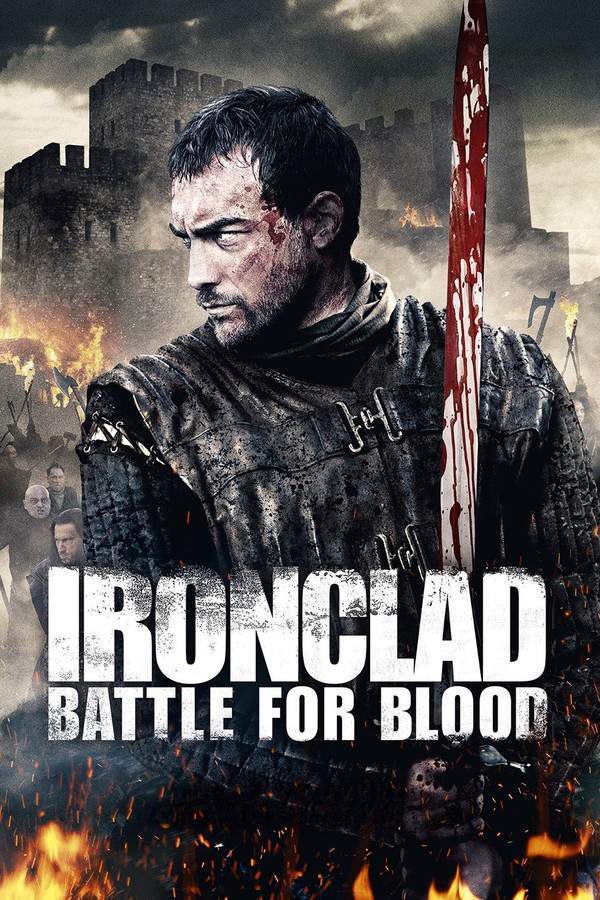
Similar Movies To Ironclad You Should Know About
Browse a curated list of movies similar in genre, tone, characters, or story structure. Discover new titles like the one you're watching, perfect for fans of related plots, vibes, or cinematic styles.




Quick Links: Summary, Cast, Ratings, More

What's After the Movie?
Not sure whether to stay after the credits? Find out!
Check out our other apps:

SAT Sphere
Build confidence for the Digital SAT.

Mori Atlas
Discover wild places worth protecting.

Luntero
Search smarter for a home in Amsterdam.

Plot Explained
Unravel movie endings and hidden clues.

Pokechamp
Dive into Pokémon data and battle logic.

Driving Theory
Get ready for your European theory test.

Movie Dust
Plan your next cinema trip with ease.

Musemap
Find art and culture as you travel.

Selkobase
Compare credentials before committing.

Local Manual
Turn an unfamiliar country into practical next steps.

Lernavi
Compare school systems before your next move.

GymRoam
Find a workout stop wherever your plans take you.
Explore Our Movie Platform
New Movie Releases (2026)
Famous Movie Actors
Top Film Production Studios
Movie Plot Summaries & Endings
Major Movie Awards & Winners
Best Concert Films & Music Documentaries
Movie Collections and Curated Lists
© 2026 What's After the Movie. All rights reserved.
Privacy Policy