Have Mercy on Us All 2007


In Paris, residents flock to the police after mysterious graffiti – a number 4 and the letters “clt” – appears on their apartment doors. When a tenant is found dead under unexplained circumstances, Detective Jean‑Baptiste Adamsberg and his partner Danglard launch an investigation into the strange markings.



Does Have Mercy on Us All have end credit scenes?
No!
Have Mercy on Us All does not have end credit scenes. You can leave when the credits roll.
Meet the Full Cast and Actors of Have Mercy on Us All
Explore the complete cast of Have Mercy on Us All, including both lead and supporting actors. Learn who plays each character, discover their past roles and achievements, and find out what makes this ensemble cast stand out in the world of film and television.
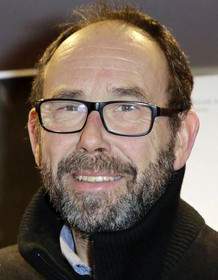
Olivier Gourmet
Joss Le Guern

Michel Serrault
Hervé Decambrais

Satya Dusaugey
Friend of Damas

Grégory Gadebois
Bordenave
Linh Dan Pham
Camille
José Garcia
Jean-Baptiste Adamsberg
Lana Ettinger
Marianne Bardou
Philippe Bas
Maurel
Marc Robert
Estalère
Nicolas Cazalé
Damas
Marie Gillain
Marie
Alain Fromager
Langlois
Mathias Mlekuz
Cazalas
Dominique Bettenfeld
Castillon
Garance Le Guillermic
Lucie Danglard
Laëtitia Lacroix
Retancourt
Jean-Gilles Barbier
Favre
Nadine Alari
Clémentine
Félicité N'Gijol
Lisbeth
Stéphane Butet
Kernokian
Sophie Aubry
Eva
External Links and Streaming Options
Discover where to watch Have Mercy on Us All online, including streaming platforms, rental options, and official sources. Compare reviews, ratings, and in-depth movie information across sites like IMDb, TMDb, Wikipedia or Box Office Mojo.





Take the Ultimate Have Mercy on Us All Movie Quiz
Challenge your knowledge of Have Mercy on Us All with this fun and interactive movie quiz. Test yourself on key plot points, iconic characters, hidden details, and memorable moments to see how well you really know the film.
Have Mercy on Us All (2007) Quiz: Test your knowledge of the 2007 French thriller "Have Mercy on Us All" with these ten questions ranging from easy to challenging.
Which city serves as the primary setting for the film?
Full Plot Summary and Ending Explained for Have Mercy on Us All
Read the complete plot summary of Have Mercy on Us All, including all major events, twists, and the full ending explained in detail. Explore key characters, themes, hidden meanings, and everything you need to understand the story from beginning to end.
In present-day Paris, a mysterious visitor predicts the outbreak of a deadly plague, setting off a tense investigation that crosses from superstition into meticulous detective work. As rumors swirl, citizens protest a mirror-inverted 4, painted on doors and visible from blocks away, which becomes a chilling clue in the hands of Commissioner Adamsberg, [José Garcia], who teams up with the retired historian Hervé Decambrais, [Michel Serrault], to decipher the symbol. Their collaboration blends modern police work with arcane history, and the pair slowly pieces together how an ancient symbol might signal a contemporary threat.
The prophecy seems to begin to come true when the first corpse is found, marked by black lesions on the skin. The case is quickly labeled as the plague, or The Black Death, heightening fear across the city. Yet the mystery deepens: the mirror sign was used in the Middle Ages as a protective charm against the disease, and the public’s fascination with omens grows as a mysterious reader broadcasts messages that Hervé interprets as announcements of a plague epidemic. The sign on doors is always accompanied by the letters CLT, which an archaeologist, exploring the clue, identifies as the Latin phrase cito longe tarde — “flee quickly and far and do not return too soon” — a haunting hint that lace itself into the narrative and motive.
As the investigation widens, the police uncover a troubling thread: Adamsberg’s team learns that a flea-infested envelope from the dead man’s apartment has spread the tension further, yet laboratory analyses push back against a simple plague diagnosis. The discovery of a deadly arrow poison, Curare, shifting the focus toward a more deliberate method of killing, reveals that the victims died not from infection alone but from a precise, lethal intervention, with all corpses showing a puncture at the neck. The case broadens from plague fear to a calculated murder plot, linking the victims through a shared biographical history in the Congo, where they had once worked for a pharmaceutical company. Roubaud, the last survivor among them, recounts how he and colleagues killed the company’s head to hide their illicit drug business, a confession that turns the investigation toward a deeper conspiracy.
In the shadows of this corporate past, the killer’s familial web begins to surface. François Heller-Devile left a son who, now grown, is suspected of seeking revenge for his father’s death together with his grandmother, Clémentine. As a child, Damas witnessed the murder disguised as an accident, a memory that haunts him as adult violence edges closer to the surface. Clémentine harbors an intense fixation with the plague, breeding rats in her basement and orchestrating the spread of rodent fleas through envelopes to the six supposed murderers of her son. Damas, already troubled by his father’s death, marks doors to spare certain neighbors, indicating a disturbing role in the distribution of danger. Yet these two are not the ones who ultimately trigger the deaths.
The true perpetrator is Marie, Damas’ half-sister, whose motive lies in revenge and a craving for her father’s fortune, which now accrues to Damas. Marie knew of Damas’s intentions and exploited them, injecting the victims with poison and using charcoal to draw black spots on their skin to mimic plague as the apparent cause of death. With the siblings’ plan exposed, Clémentine is admitted to psychiatry, and Damas receives a five-year prison sentence, bringing the deadly scheme to light. The case closes with a harsh reckoning: a cascade of manipulated symbols, inherited grudges, and coldly executed murders that misled authorities before the truth finally emerged.
This intricate web—blending ancient symbolism, medical mystery, and family revenge—unfolds under the steady gaze of Adamsberg and his colleagues, a reminder that fear can mask a carefully choreographed crime. The city’s uneasy balance between superstition and science is tested, revealing how a string of seemingly unconnected lives can converge into a single, devastating plot. As the final pieces fall into place, the narrative emphasizes the human costs behind every motive, every disguise, and every attempt to rewrite a tragic history as though it were merely an epidemic of chance.

Coming soon on iOS and Android
The Plot Explained Mobile App
From blockbusters to hidden gems — dive into movie stories anytime, anywhere. Save your favorites, discover plots faster, and never miss a twist again.
Sign up to be the first to know when we launch. Your email stays private — always.
Explore the mobile appWatch Trailers, Clips & Behind-the-Scenes for Have Mercy on Us All
Watch official trailers, exclusive clips, cast interviews, and behind-the-scenes footage from Have Mercy on Us All. Dive deeper into the making of the film, its standout moments, and key production insights.
Have Mercy on Us All Other Names and Titles
Explore the various alternative titles, translations, and other names used for Have Mercy on Us All across different regions and languages. Understand how the film is marketed and recognized worldwide.
Quick Links: Summary, Cast, Ratings, More

What's After the Movie?
Not sure whether to stay after the credits? Find out!
Check out our other apps:

SAT Sphere
Build confidence for the Digital SAT.

Mori Atlas
Discover wild places worth protecting.

Luntero
Search smarter for a home in Amsterdam.

Plot Explained
Unravel movie endings and hidden clues.

Pokechamp
Dive into Pokémon data and battle logic.

Driving Theory
Get ready for your European theory test.

Movie Dust
Plan your next cinema trip with ease.

Musemap
Find art and culture as you travel.

Selkobase
Compare credentials before committing.

Local Manual
Turn an unfamiliar country into practical next steps.

Lernavi
Compare school systems before your next move.

GymRoam
Find a workout stop wherever your plans take you.
Explore Our Movie Platform
New Movie Releases (2026)
Famous Movie Actors
Top Film Production Studios
Movie Plot Summaries & Endings
Major Movie Awards & Winners
Best Concert Films & Music Documentaries
Movie Collections and Curated Lists
© 2026 What's After the Movie. All rights reserved.
Privacy Policy