Guns at Batasi 1964


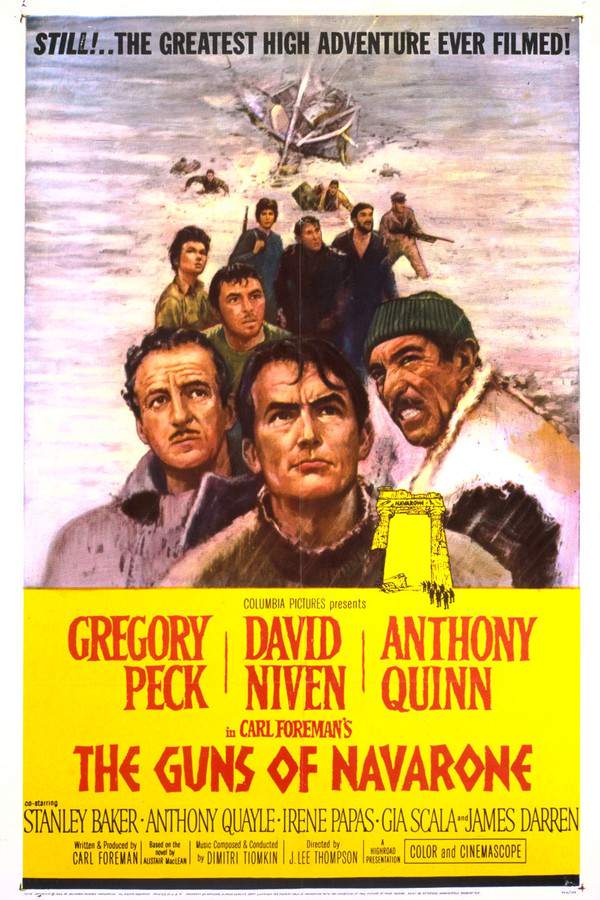
Outnumbered a hundred to one, the men at the isolated outpost of Batasi fight as if a thousand stand beside them. An old‑fashioned, strict Regimental Sergeant Major of a remote colonial African garrison is thrust into a sudden local coup. Relying on his training, he rallies the troops, protecting civilians, and turns stronghold into defense.



Does Guns at Batasi have end credit scenes?
No!
Guns at Batasi does not have end credit scenes. You can leave when the credits roll.
Where to Watch Guns at Batasi
See current US streaming, rental, and purchase options for Guns at Batasi (1964) via JustWatch.

Streaming availability powered by 
Meet the Full Cast and Actors of Guns at Batasi
Explore the complete cast of Guns at Batasi, including both lead and supporting actors. Learn who plays each character, discover their past roles and achievements, and find out what makes this ensemble cast stand out in the world of film and television.
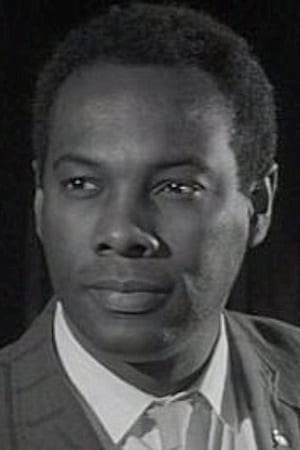
Errol John
Boniface

Graham Stark
Dodger
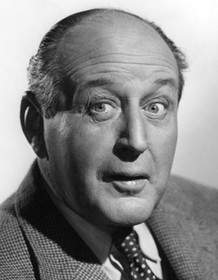
Cecil Parker
Fletcher
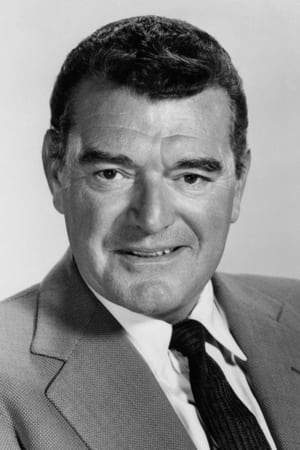
Jack Hawkins
Colonel Deal

Flora Robson
Miss Barker-Wise

John Meillon
Aussie

Mia Farrow
Karen Eriksson

Percy Herbert
Parkin
David Lodge
Muscles
Thomas Baptiste
Earl Cameron
Captain Abraham
Louis Mahoney
Patrick Holt
John Leyton
Private Wilkes
Bernard Horsfall
Schoolie
Ric Hutton
Joe Layode
John Ashley Hamilton
Richard Bidlake
Frank Singuineau
Horace James
Alan Browning
Bloke Modisane
Benny Nightingale
External Links and Streaming Options
Discover where to watch Guns at Batasi online, including streaming platforms, rental options, and official sources. Compare reviews, ratings, and in-depth movie information across sites like IMDb, TMDb, Wikipedia or JustWatch.






Take the Ultimate Guns at Batasi Movie Quiz
Challenge your knowledge of Guns at Batasi with this fun and interactive movie quiz. Test yourself on key plot points, iconic characters, hidden details, and memorable moments to see how well you really know the film.
Guns at Batasi Quiz: Test your knowledge of the 1964 film Guns at Batasi, its characters, plot details, and historical context.
In which year was the film "Guns at Batasi" released?
Full Plot Summary and Ending Explained for Guns at Batasi
Read the complete plot summary of Guns at Batasi, including all major events, twists, and the full ending explained in detail. Explore key characters, themes, hidden meanings, and everything you need to understand the story from beginning to end.
Guns of Batasi paints a turbulent, almost epochal moment in a newly post-colonial landscape, where power shifts ripple through both black and white communities and the old balance of force is suddenly up for grabs. At the heart of the story is Regimental Sergeant Major Lauderdale [Richard Attenborough], a martinet who’s built his career on iron discipline and unshakeable routines. He commands a unit of seasoned British NCOs whose loyalty is tested as political upheaval gnaws at the base.
In the chaos following the overthrow of the local government, Batasi—the base of the King’s African Rifles—finds itself caught between a rising native regime and the entrenched habits of colonial troops. The coup, framed by the volatile atmosphere of a recently independent state (with echoes and textures reminiscent of Kenya’s own difficult early years), sees native soldiers seize control of the base, seize weapons, and arrest the newly installed African commander, Captain Abraham [Earl Cameron]. The once orderly mess hall becomes a tense nerve center where conversations mingle with quiet, watchful glances, and the stack of rifles grows louder than the clock on the wall.
Into this precarious moment steps the human drama surrounding the siege: the veteran NCOs, now suddenly isolated from their officers, must decide whether to guard the wounded Captain Abraham or to retreat into routine cowardice or bravado. Their hard-won professionalism is tested as they improvise a defense that centers on a makeshift readiness to protect a man who represents the fragile link between two worlds. The siege tightens around them, but the soldiers are not alone in this struggle. On one side, Miss Barker-Wise [Flora Robson], a visiting British Labour MP, brings a moral but sometimes out-of-depth perspective to the crisis, while on the other, Karen Eriksson [Mia Farrow], a UN secretary, becomes a beacon of tenderness and personal risk in a landscape defined by political danger.
The narrative threads converge at the base’s medical compound, where the wounded Captain Abraham is kept alive by the stubborn resolve of the British NCOs, who improvise fortifications and stubborn patience in the face of practical hunger, fear, and the ever-present threat of a coup’s expansion. In this crucible, loyalty clashes with global political pressures, and the lines between duty to a country and duty to comrades begin to blur. The untenable siege is pressed by the attackers’ desire to paralyze the garrison, yet the British soldiers fight not just for survival but for the preservation of a certain code of conduct that has governed their world for decades.
The action culminates in a pair of decisive countermeasures: the NCOs hold the line and—through grit and precise, almost ritual competence—destroy two Bofors guns that could have breached their mess. It is a moment that crystallizes the tension between a stubborn, old-fashioned sense of honor and the open, uncertain politics of a post-colonial era. As external authorities push for a peaceful settlement, the new government offers a fragile concession: British officers may return to Batasi, but only if Lauderdale leaves the country. The withdrawal is more than a political stipulation; it is a symbolic severing of the long-standing partnership between the colonial military structure and the emerging power structure back home.
In the film’s closely observed character dynamics, the stern, almost stoic presence of Lauderdale is tempered by his men’s quiet courage and the occasional, human flashes of anger. The moment when he loses his cool—flinging a shot glass and, with it, a treasured portrait of Queen Elizabeth II—becomes the film’s emotional fulcrum: a rare, almost unthinkable breach of the regimented man’s control that reveals the humanity beneath the uniform. Yet even this outburst passes, and Lauderdale composes himself to walk the parade ground in a final, solitary march as a swelling military march underscores a sense of duty fulfilled in a world that will no longer tolerate the old arrangements.
Throughout, the film contrasts the polished, deliberate world of British officers with the raw, untested energies of the African troops and their officers, a tension that mirrors the broader real-world shifts of independence and the painful adjustments that accompany it. The base becomes a microcosm of a continent negotiating its own identity, with Kiswahili spoken in the day-to-day rhythms and references to local peoples and landscapes that evoke a very specific East African atmosphere. The narrative does not simply dramatize a coup; it places its characters within a moral weather system where tradition, loyalty, and the weight of history collide with the volatile pressures of revolution and reform.
As the siege ends and the national authorities seek to restore a fragile peace, the story lingers on the human costs and the uneasy compromises that accompany any transition of power. The quiet, stubborn resilience of the British soldiers—embodied in Lauderdale and his men—persists even as the country moves toward a future that demands new rules and new leaders. In the end, the film’s final image—a disciplined, resolute Lauderdale marching across the parade ground to a triumphant yet restrained score—leaves a lingering question about what it costs to keep order in a world where the old order has irrevocably changed.
Key supporting characters who appear in the narrative carry their own weight within this shifting world: Boniface [Errol John], Fletcher [Cecil Parker], Dodger [Graham Stark], Parkin [Percy Herbert], and Muscles [David Lodge], each contributing a texture of loyalty, cunning, and stubborn grit that helps keep the base intact while the political landscape trembles around it. The ensemble is rounded out by a cast that includes Private Wilkes [John Leyton], Schoolie [Bernard Horsfall], and Aussie [John Meillon], whose small but vital roles illuminate the daily life and pressures of a community under siege.
Guns of Batasi is thus a study in power, accountability, and the messy, human realities that emerge when old hierarchies collide with new possibilities. It treats courage not as a single moment of bravado but as a sustained discipline—a way of staying true to a code while acknowledging that the world beyond the base has irrevocably changed. The result is a measured, thoughtful drama that respects history while acknowledging the complexities of a post-colonial future.

Coming soon on iOS and Android
The Plot Explained Mobile App
From blockbusters to hidden gems — dive into movie stories anytime, anywhere. Save your favorites, discover plots faster, and never miss a twist again.
Sign up to be the first to know when we launch. Your email stays private — always.
Explore the mobile appWatch Trailers, Clips & Behind-the-Scenes for Guns at Batasi
Watch official trailers, exclusive clips, cast interviews, and behind-the-scenes footage from Guns at Batasi. Dive deeper into the making of the film, its standout moments, and key production insights.
Cars Featured in Guns at Batasi
Explore all cars featured in Guns at Batasi, including their makes, models, scenes they appear in, and their significance to the plot. A must-read for car enthusiasts and movie buffs alike.
Guns at Batasi Themes and Keywords
Discover the central themes, ideas, and keywords that define the movie’s story, tone, and message. Analyze the film’s deeper meanings, genre influences, and recurring concepts.
Guns at Batasi Other Names and Titles
Explore the various alternative titles, translations, and other names used for Guns at Batasi across different regions and languages. Understand how the film is marketed and recognized worldwide.
Similar Movies To Guns at Batasi You Should Know About
Browse a curated list of movies similar in genre, tone, characters, or story structure. Discover new titles like the one you're watching, perfect for fans of related plots, vibes, or cinematic styles.





Quick Links: Summary, Cast, Ratings, More

What's After the Movie?
Not sure whether to stay after the credits? Find out!
Check out our other apps:

SAT Sphere
Build confidence for the Digital SAT.

Mori Atlas
Discover wild places worth protecting.

Luntero
Search smarter for a home in Amsterdam.

Plot Explained
Unravel movie endings and hidden clues.

Pokechamp
Dive into Pokémon data and battle logic.

Driving Theory
Get ready for your European theory test.

Movie Dust
Plan your next cinema trip with ease.

Musemap
Find art and culture as you travel.

Selkobase
Compare credentials before committing.

Local Manual
Turn an unfamiliar country into practical next steps.

Lernavi
Compare school systems before your next move.

GymRoam
Find a workout stop wherever your plans take you.
Explore Our Movie Platform
New Movie Releases (2026)
Famous Movie Actors
Top Film Production Studios
Movie Plot Summaries & Endings
Major Movie Awards & Winners
Best Concert Films & Music Documentaries
Movie Collections and Curated Lists
© 2026 What's After the Movie. All rights reserved.
Privacy Policy