Go Tell the Spartans 1978


Caught in relentless strafing, shelling and bombing, a small team of American military advisors in Vietnam—still before the United States’ full‑scale commitment—find themselves fighting a hopeless battle against the Viet Cong. Their experience mirrors the tragic fate of a French unit that fought at the same outpost a decade earlier, highlighting the repeating cycle of foreign intervention.


Does Go Tell the Spartans have end credit scenes?
No!
Go Tell the Spartans does not have end credit scenes. You can leave when the credits roll.
Where to Watch Go Tell the Spartans
See current US streaming, rental, and purchase options for Go Tell the Spartans (1978) via JustWatch.

fuboTV
HD
MGM Plus
HD
MGM Plus Roku Premium Channel
HD
MGM+ Amazon Channel
HD
Philo
HD Streaming availability powered by 
Meet the Full Cast and Actors of Go Tell the Spartans
Explore the complete cast of Go Tell the Spartans, including both lead and supporting actors. Learn who plays each character, discover their past roles and achievements, and find out what makes this ensemble cast stand out in the world of film and television.

James Hong
The Old Man

Burt Lancaster
Maj. Asa Barker

David Clennon
Lt. Finley Wattsberg

Evan C. Kim
Cowboy

Clyde Kusatsu
Col. Minh
Joe Unger
Lt. Raymond Hamilton

Craig Wasson
Cpl. Courcey
Dolph Sweet
Gen. Harnitz
Mark Carlton
Capt. Schlitz
Dennis Howard
Cpl. Abraham Lincoln
Tad Horino
One-eyed man
Hilly Hicks
Signalman Toffer
Jonathan Goldsmith
Sgt. Oleonowski
John Megna
Cpl. Ackley
Denice Kumagai
Butterfly
External Links and Streaming Options
Discover where to watch Go Tell the Spartans online, including streaming platforms, rental options, and official sources. Compare reviews, ratings, and in-depth movie information across sites like IMDb, TMDb, Wikipedia or JustWatch.






Take the Ultimate Go Tell the Spartans Movie Quiz
Challenge your knowledge of Go Tell the Spartans with this fun and interactive movie quiz. Test yourself on key plot points, iconic characters, hidden details, and memorable moments to see how well you really know the film.
Go Tell the Spartans (1978) Quiz: Test your knowledge of the 1978 Vietnam War film "Go Tell the Spartans" with these ten questions ranging from easy to challenging.
In what year is the film "Go Tell the Spartans" primarily set?
Full Plot Summary and Ending Explained for Go Tell the Spartans
Read the complete plot summary of Go Tell the Spartans, including all major events, twists, and the full ending explained in detail. Explore key characters, themes, hidden meanings, and everything you need to understand the story from beginning to end.
In 1964, Major Asa Barker, a weary veteran of World War II and the Korean War, is given command of a poorly manned US Army advisory outpost that watches over three villages in South Vietnam. His mission is to reoccupy the nearby deserted hamlet of Muc Wa on the long Da Nang-to-Phnom Penh corridor, a site haunted by a massacre of French soldiers from a previous conflict. The assignment arrives with heavy tension: the outpost sits under-resourced, exposed to the weather, and vulnerable to a determined Viet Cong force.
Barker, together with his executive officer, Captain Alfred Olivetti, rounds up four fresh replacements to carry out the operation. Second Lieutenant Lt. Raymond Hamilton sees this as a chance for a possible promotion, hoping the assignment will pave the way for better things back home. The cadre also includes Cpl. Courcey, a demolitions expert who extended his enlistment to serve in Vietnam; Cpl. Abraham Lincoln, a combat medic wrestling with drug temptation; and Cpl. Ackley, the communications specialist, joined by a half-French, half-Vietnamese interpreter/interrogator nicknamed Cowboy, played by Evan C. Kim. They are supported by a small squad of Hmong mercenaries and about twenty South Vietnamese Popular Force troops, creating a multinational, high-stakes perimeter around Muc Wa.
As the march toward the outpost continues, the unit encounters danger almost immediately. A booby-trapped roadblock forces them to improvise, and when they capture a lone Viet Cong fighter who refuses to speak, Barker’s group faces hard choices under pressure. At Muc Wa, Barker’s team learns that resupply hinges on the whims of local leadership and the calculus of regional politics. Col. Minh—the regional commander in Saigon, represented here as a wary gatekeeper of resources—refuses Barker’s request for three hundred ARVN troops, suggesting instead that shells might be offered in exchange for artillery ammunition. The stubborn exchange underscores the political fragility behind battlefield decisions and foreshadows the mounting strain on the American advisory mission.
The outpost endures another brutal attack, where Lt. Raymond Hamilton ignores warnings about attempting to rescue a wounded man left behind on a patrol, a decision that costs him his life. The heartbreak deepens as Oleonowski—the seasoned sergeant with multiple tours—responds to the relentless pressure, and, overwhelmed by the strain, takes his own life. Barker, now faced with a growing sense of impermanence and danger, pleads for a withdrawal of American personnel, but higher command rejects the plan, forcing him to press on with a reluctant reassignment: Captain Alfred Olivetti takes temporary command at Muc Wa as Barker contemplates evacuation.
The ensuing assault is among the fiercest the outpost has faced, and it is only the sudden appearance of U.S. helicopter gunships that prevents a total takeover. By this point, Barker has decided to pull out the walking wounded and villagers you see as part of the fragile propping up of a knee-jerk alliance. The operation is compromised further when Cowboy opens fire on a group of Vietnamese civilians who had entered the camp in an attempt to flee with stolen weapons, a chilling reminder of the moral ambiguity surrounding the conflict. A teenage girl among the Vietnamese, who had been sympathetic to the Americans, betrays the evacuation plan to the Viet Cong, triggering a devastating ambush that costs Barker his life. Cpl. Courcey is left as the lone survivor, wounded and scattered as the base falls back into silence.
In the aftermath, the survivors’ reality sinks in: Barker and much of the South Vietnamese contingent have been stripped of their uniforms and weapons, leaving Cpl. Courcey to stumble through a bleak, war-scarred landscape. He eventually limps toward the French graveyard, where he confronts the one-eyed Viet Cong scout, a stark, haunting image that returns him to the road leading away from the ruined outpost. The graveyard, a silent record of brutal history, echoes the memory of Thermopylae through a French inscription that Courcey translates, revealing a stark, almost defiant line against the tides of war: > “Go, tell the Spartans, stranger passing by. That here, obedient to their laws, we lie.” This line, carved in stone, underscores the tension between duty, sacrifice, and the cost of conflict.
Throughout the ordeal, the ensemble cast threads a tense dynamic of duty and disillusionment. The aging Barker carries the weight of a mission that cannot be fully won on the battlefield alone, while his replacements each bring their own burdens to the perilous outpost. The narrative lingers on the human cost—injury, loss, moral compromise, and the quiet, stubborn resolve of those who remain—to paint a portrait of a mission that is never quite what it seems from strategic maps or political briefings.
- The Old Man: The Old Man remains a distant, almost mythic presence in the backdrop of war-torn landscapes.
- The team’s core leadership and key players include Lt. Raymond Hamilton, Cpl. Courcey, Cpl. Ackley, and Cpl. Abraham Lincoln as pivotal figures navigating danger, duty, and personal demons under pressure.
- The broader shadow of Colonel Minh and Gen. Harnitz frames the conflict within larger strategic decisions, highlighting the friction between military necessity and political constraints on the ground.
- Supporting roles like Signalman Toffer, Sgt. Oleonowski, and Capt. Schlitz amplify the texture of the outpost’s daily struggle and its eventual unraveling.
Overall, the film crafts a stark meditation on the Vietnam War’s complexities: the clash between strategic aims and human realities, the ethical ambiguities of support missions abroad, and the heavy toll exacted on those who carry out orders when the line between victory and loss becomes perilously thin.

Coming soon on iOS and Android
The Plot Explained Mobile App
From blockbusters to hidden gems — dive into movie stories anytime, anywhere. Save your favorites, discover plots faster, and never miss a twist again.
Sign up to be the first to know when we launch. Your email stays private — always.
Explore the mobile appWatch Trailers, Clips & Behind-the-Scenes for Go Tell the Spartans
Watch official trailers, exclusive clips, cast interviews, and behind-the-scenes footage from Go Tell the Spartans. Dive deeper into the making of the film, its standout moments, and key production insights.
Cars Featured in Go Tell the Spartans
Explore all cars featured in Go Tell the Spartans, including their makes, models, scenes they appear in, and their significance to the plot. A must-read for car enthusiasts and movie buffs alike.
Go Tell the Spartans Themes and Keywords
Discover the central themes, ideas, and keywords that define the movie’s story, tone, and message. Analyze the film’s deeper meanings, genre influences, and recurring concepts.
Go Tell the Spartans Other Names and Titles
Explore the various alternative titles, translations, and other names used for Go Tell the Spartans across different regions and languages. Understand how the film is marketed and recognized worldwide.
Similar Movies To Go Tell the Spartans You Should Know About
Browse a curated list of movies similar in genre, tone, characters, or story structure. Discover new titles like the one you're watching, perfect for fans of related plots, vibes, or cinematic styles.
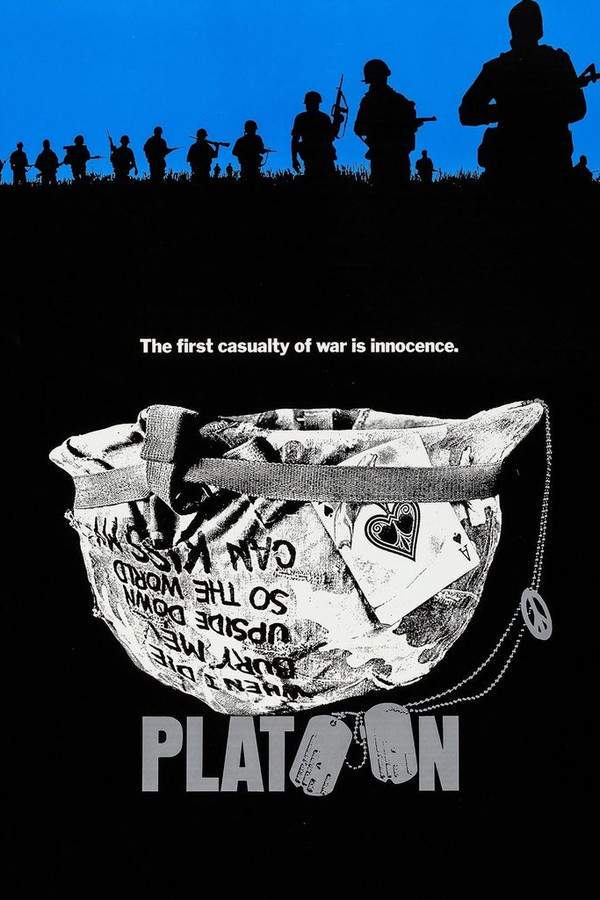
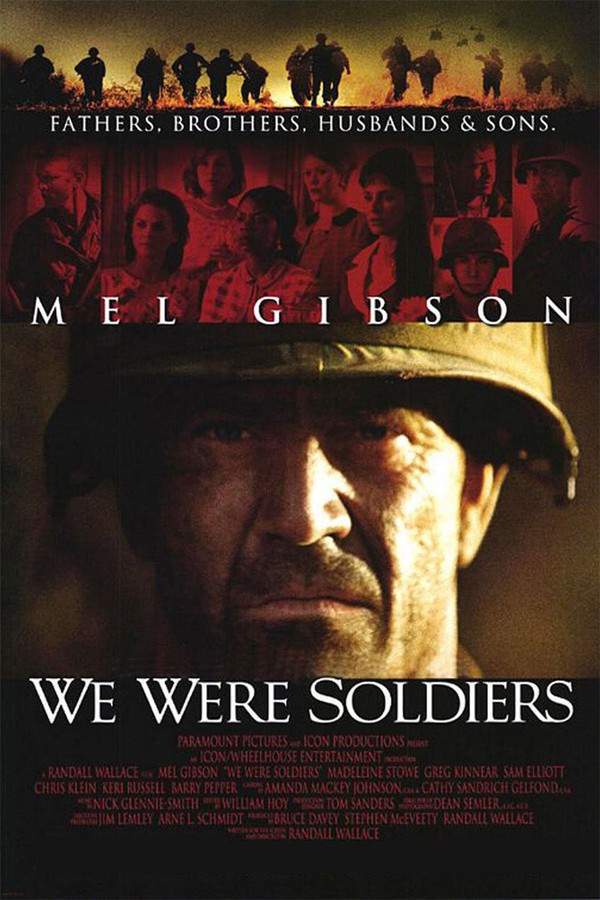
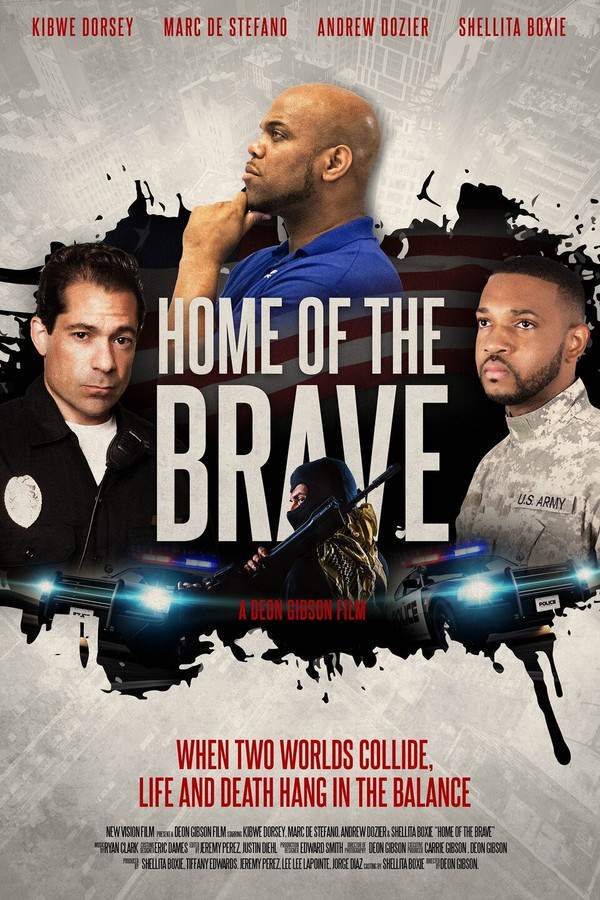
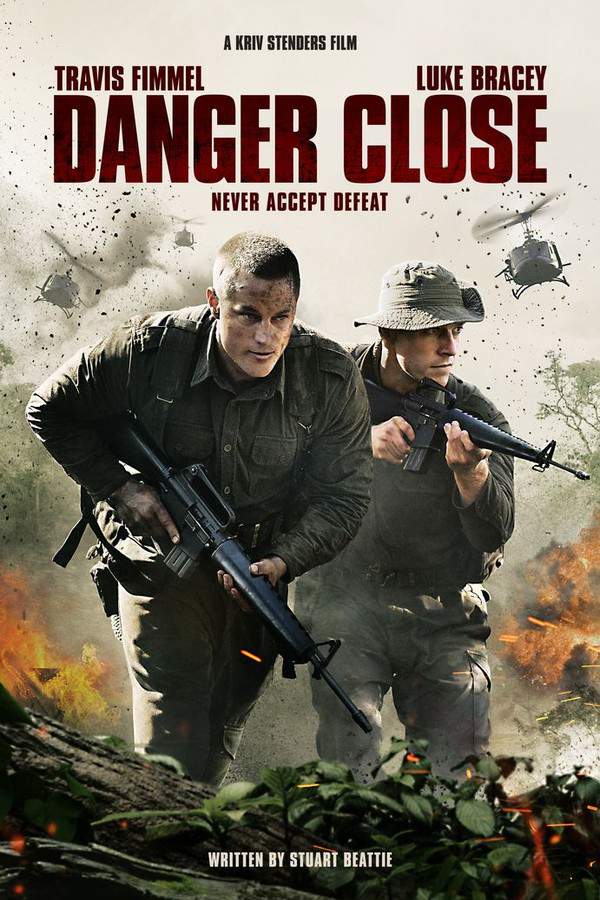


Quick Links: Summary, Cast, Ratings, More

What's After the Movie?
Not sure whether to stay after the credits? Find out!
Check out our other apps:

SAT Sphere
Build confidence for the Digital SAT.

Mori Atlas
Discover wild places worth protecting.

Luntero
Search smarter for a home in Amsterdam.

Plot Explained
Unravel movie endings and hidden clues.

Pokechamp
Dive into Pokémon data and battle logic.

Driving Theory
Get ready for your European theory test.

Movie Dust
Plan your next cinema trip with ease.

Musemap
Find art and culture as you travel.

Selkobase
Compare credentials before committing.

Local Manual
Turn an unfamiliar country into practical next steps.

Lernavi
Compare school systems before your next move.

GymRoam
Find a workout stop wherever your plans take you.
Explore Our Movie Platform
New Movie Releases (2026)
Famous Movie Actors
Top Film Production Studios
Movie Plot Summaries & Endings
Major Movie Awards & Winners
Best Concert Films & Music Documentaries
Movie Collections and Curated Lists
© 2026 What's After the Movie. All rights reserved.
Privacy Policy