Genealogies of a Crime 1997


The case hinges on whether the aunt—a psychiatrist who took the young man under her care to study his possible homicidal urges—is merely a victim, a perpetrator, or both. An attorney defends the accused, navigating a maze of family ties, psychological evaluation, and the unsettling notion that the very person meant to protect may be complicit.

Does Genealogies of a Crime have end credit scenes?
No!
Genealogies of a Crime does not have end credit scenes. You can leave when the credits roll.
Meet the Full Cast and Actors of Genealogies of a Crime
Explore the complete cast of Genealogies of a Crime, including both lead and supporting actors. Learn who plays each character, discover their past roles and achievements, and find out what makes this ensemble cast stand out in the world of film and television.

Catherine Deneuve
Jeanne / Solange

Mathieu Amalric
Yves
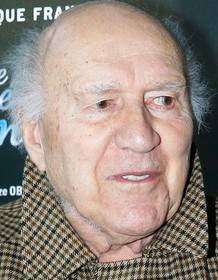
Michel Piccoli
Georges Didier
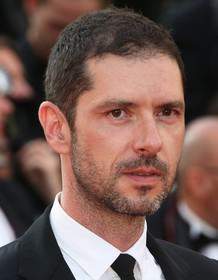
Melvil Poupaud
René

Bernadette Lafont
Esther
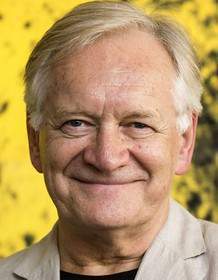
Andrzej Seweryn
Christian

Michael Collins
Le comédien américain
Lemmy Constantine
Le médecin de René
Hubert Saint-Macary
Verret
Pascal Bonitzer
Le directeur d'école
Brigitte Sy
Jeanne
Raúl Ruiz
James Thierrée
Le jeune comédien américain
Jean-François Lapalus
Le médecin morgue
Jean-Yves Gautier
Mathieu
Katie Haigh
La fille de Verret
Bernard Pautrat
Psychiatre 2
Jacques Pieiller
Le garçon de café
Monique Mélinand
Louise
Camila Mora-Scheihing
Soledad
Jean Badin
L'avocat
André Engel
Psychiatre 1
Massoud Hattou
Psychiatre 3
Patrick Modiano
Bob
Laurence Clément
Aline, la secrétaire
Oum' Dierryla
L'assistante de Georges
Camille Le Foll
L'infirmière
Lisa Swanson
La comédienne américaine
Theo Vives
René à 9 ans
Ivan Assouline
René à 5 ans
Melinee Prochasson
La petite fille
External Links and Streaming Options
Discover where to watch Genealogies of a Crime online, including streaming platforms, rental options, and official sources. Compare reviews, ratings, and in-depth movie information across sites like IMDb, TMDb, Wikipedia or Rotten Tomatoes.






Take the Ultimate Genealogies of a Crime Movie Quiz
Challenge your knowledge of Genealogies of a Crime with this fun and interactive movie quiz. Test yourself on key plot points, iconic characters, hidden details, and memorable moments to see how well you really know the film.
Genealogies of a Crime - The Movie Quiz: Test your knowledge on the complex narrative and characters of the 1997 film Genealogies of a Crime.
Who plays the character of Solange in the film?
Full Plot Summary and Ending Explained for Genealogies of a Crime
Read the complete plot summary of Genealogies of a Crime, including all major events, twists, and the full ending explained in detail. Explore key characters, themes, hidden meanings, and everything you need to understand the story from beginning to end.
On a stormy night, the movie opens with a tense scene where René, played by Melvil Poupaud, disposes of a knife in a mysterious act that hints at darker events to come. As the camera lingers on an empty Go board, a narrator recites an ancient Chinese fable about a young man who kills a woman from the Liu Bao family, only to be killed after falling in love with her ghost—an allegory that sets the tone for the film’s exploration of obsession, memory, and psychological unraveling.
The story then shifts to Solange, portrayed by Catherine Deneuve, who is seen being questioned by a lawyer. She begins recounting her involvement with René’s case, which begins with the tragic death of her own son, Pascal. Shortly after Pascal’s passing, Solange receives a call from her colleague, Mathieu, who informs her that René—who is accused of murdering Jeanne, played again by Catherine Deneuve, her aunt and a prominent figure in the “Franco-Belgian Psychoanalytic Society”—blames Jeanne for his crimes. Intrigued and compelled, Solange agrees to take on the case. At Pascal’s funeral, she is introduced to Georges Didier, depicted by Michel Piccoli, an eccentric and volatile leader of the psychoanalytic society. Georges’ peculiar behavior—his quick temper and reliance on a notebook to remember names—immediately signals his unconventional nature.
As the narrative unfolds, Solange meets René, who impresses her by claiming he wants to be her friend. He persuades her to participate in a role-reversal game, a recurring motif in the film that reveals deeper truths about their psyche. During this game, Solange openly admits that she has a reputation for tackling hopeless cases—she’s lost every one she’s taken on—highlighting her own complex character. She then visits Jeanne’s former home, where she is hosted by Esther, played by Bernadette Lafont, Jeanne’s former maid. Solange begins delving into Jeanne’s diaries, which serve as a crucial window into the past and René’s troubled childhood.
The film then shifts focus to René’s adolescence, illustrating his increasingly disturbing behavior. Jeanne, his mother, notes early signs of violence—him destroying porcelain and developing an obsession with knives. As René matures, he appears to behave normally but exhibits ongoing destructive tendencies, including kleptomania. Jeanne attempts to understand and treat René, often leveraging the same role-reversal game he enjoyed earlier. These sessions reveal that René has hidden stolen items around the estate. As he transitions into adulthood, René leaves the family estate and reaches out to Jeanne, desperately seeking money. The scenes show him attempting theft amidst crowded streets, hinting at escalating criminal behavior. During a gathering with Jeanne and her psychoanalyst colleague Georges, René’s kleptomania surfaces again when he’s seen running from a group, presumably after an theft.
Jeanne’s tension with René reaches a climax when she catches him stealing her furniture with friends. They engage in the role-reversal game once more, this time resulting in Jeanne shooting René in the arm in a burst of anger—an event Jeanne documents in her diary as her last entry. The narrative then returns to the present day, with Solange theorizing that Jeanne deliberately trained René to kill her, implying a form of self-sacrifice or complicity, and concludes that Jeanne’s death was a form of suicide.
Solange later shares her thoughts with her mother, Louise, played by Monique Mélinand, who reveals that Solange herself exhibited sociopathic behaviors as a child. Tragically, Louise dies of a heart attack following a visit to Georges. At the funeral, Solange learns that René has attempted suicide, heightening her concern. Her suspicions grow about Georges, and they are confirmed when she witnesses a bizarre tableau vivant ceremony orchestrated by the psychoanalytic society—an experiment where participants are blindfolded and the scene recreates a classical painting, symbolizing themes of perception, control, and chaos.
It is revealed that Georges used this experiment on René, which purportedly triggered a relapse or a violent reaction. René later claims that upon awakening from the ceremony, he panicked and discovered Jeanne’s body, which aligns with her theory that he was manipulated into killing her. When René is acquitted of the murder, the scandal causes the psychoanalytic society to disband in a mass suicide, a dark act that signifies the collapse of their collective sanity.
In the aftermath, René reappears and rekindles a relationship with Solange, but their bond turns toxic. Their relationship becomes abusive and destructive, culminating in Solange’s own act of violence—she murders René and his friends. The story concludes with her confession to her lawyer, who decides that she will plea insanity for her actions, leaving the audience with a haunting reflection on trauma, manipulation, and the boundaries of the mind.

Coming soon on iOS and Android
The Plot Explained Mobile App
From blockbusters to hidden gems — dive into movie stories anytime, anywhere. Save your favorites, discover plots faster, and never miss a twist again.
Sign up to be the first to know when we launch. Your email stays private — always.
Explore the mobile appDiscover Film Music Concerts Near You – Live Orchestras Performing Iconic Movie Soundtracks
Immerse yourself in the magic of cinema with live orchestral performances of your favorite film scores. From sweeping Hollywood blockbusters and animated classics to epic fantasy soundtracks, our curated listings connect you to upcoming film music events worldwide.
Explore concert film screenings paired with full orchestra concerts, read detailed event information, and secure your tickets for unforgettable evenings celebrating legendary composers like John Williams, Hans Zimmer, and more.


Genealogies of a Crime Themes and Keywords
Discover the central themes, ideas, and keywords that define the movie’s story, tone, and message. Analyze the film’s deeper meanings, genre influences, and recurring concepts.

Unlock the World of Movies with Our Comprehensive Wiki
Dive into our Movie Wiki for in-depth film encyclopedia entries, including cast biographies, production trivia, plot synopses, behind-the-scenes facts, and thematic analyses. Whether you’re researching iconic directors, exploring genre histories, or discovering hidden easter eggs, our expertly curated movie database has everything you need to fuel your cinematic passion.
Similar Movies To Genealogies of a Crime You Should Know About
Browse a curated list of movies similar in genre, tone, characters, or story structure. Discover new titles like the one you're watching, perfect for fans of related plots, vibes, or cinematic styles.


Quick Links: Summary, Cast, Ratings, More

What's After the Movie?
Not sure whether to stay after the credits? Find out!
Check out our other apps:

SAT Sphere
Build confidence for the Digital SAT.

Mori Atlas
Discover wild places worth protecting.

Luntero
Search smarter for a home in Amsterdam.

Plot Explained
Unravel movie endings and hidden clues.

Pokechamp
Dive into Pokémon data and battle logic.

Driving Theory
Get ready for your European theory test.

Movie Dust
Plan your next cinema trip with ease.

Musemap
Find art and culture as you travel.

Selkobase
Compare credentials before committing.

Local Manual
Turn an unfamiliar country into practical next steps.

Lernavi
Compare school systems before your next move.

GymRoam
Find a workout stop wherever your plans take you.
Explore Our Movie Platform
New Movie Releases (2026)
Famous Movie Actors
Top Film Production Studios
Movie Plot Summaries & Endings
Major Movie Awards & Winners
Best Concert Films & Music Documentaries
Movie Collections and Curated Lists
© 2026 What's After the Movie. All rights reserved.
Privacy Policy