GasHole 2010

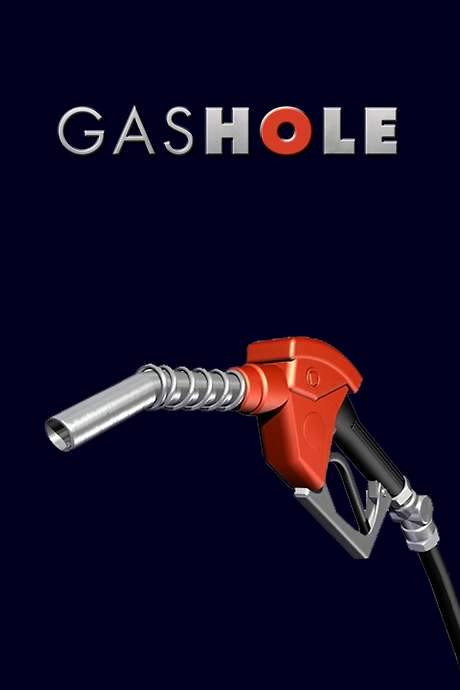
It chronicles the evolution of oil prices and explores the prospects of alternative fuels, offering a broad yet detailed look at America’s reliance on foreign oil. The film investigates the factors that shifted the United States from a top oil exporter to the world’s largest importer.


Does GasHole have end credit scenes?
No!
GasHole does not have end credit scenes. You can leave when the credits roll.
Where to Watch GasHole
See current US streaming, rental, and purchase options for GasHole (2010) via JustWatch.

Fawesome
HD
Hoopla
SD
YOW.tv
HD
Cineverse
HD
Pluto TV
SD
Tubi TV
SD
Amazon Video
SD Streaming availability powered by 
Meet the Full Cast and Actors of GasHole
Explore the complete cast of GasHole, including both lead and supporting actors. Learn who plays each character, discover their past roles and achievements, and find out what makes this ensemble cast stand out in the world of film and television.




External Links and Streaming Options
Discover where to watch GasHole online, including streaming platforms, rental options, and official sources. Compare reviews, ratings, and in-depth movie information across sites like IMDb, TMDb, Wikipedia or Rotten Tomatoes.





Take the Ultimate GasHole Movie Quiz
Challenge your knowledge of GasHole with this fun and interactive movie quiz. Test yourself on key plot points, iconic characters, hidden details, and memorable moments to see how well you really know the film.
GasHole (2010) Quiz: Test your knowledge of the documentary GasHole, which examines U.S. oil dependence, fuel‑efficiency claims, and political influences on gasoline prices.
Which U.S. president is NOT shown in the opening montage of speeches about reducing oil dependence?
Full Plot Summary and Ending Explained for GasHole
Read the complete plot summary of GasHole, including all major events, twists, and the full ending explained in detail. Explore key characters, themes, hidden meanings, and everything you need to understand the story from beginning to end.
The film opens with a series of archival clips featuring U.S. presidents discussing the need to reduce dependence on foreign oil, tracing a long-running national debate from the Nixon era to the presidency of George W. Bush. Narration guides these moments with a steady, documentary tone courtesy of Peter Gallagher, establishing a calm but pointed frame for the stories that follow. The screen moves between speeches and quiet analysis, painting energy policy as a battleground where political power, corporate interests, and public concern continually collide.
A notable early thread centers on a controversial, almost mythical-sounding claim: a “water-injected” 1946 Buick Roadmaster that allegedly reached 100 miles per gallon. The film describes the technique as humidifying the gasoline and increasing pressure to squeeze extra mileage, then notes that Shell Oil reportedly kept questions about the idea buried. It extends the discussion with reference to a 1977 Shell scientists’ book, Fuel Economy of the Gas Engine, which supposedly records 150 miles per gallon in a 1947 Studebaker. The narrative also recalls a May 1, 1977 El Paso Times front-page story entitled “200 Miles on 2 Gallons of Gas,” centered on Tom Ogle, who was later found dead in the desert and whose car disappeared. Throughout this thread, the documentary makes no effort to verify the authenticity of the water-injected engine or the other asserted facts, leaving the veracity of these claims unresolved and open to interpretation.
In the wake of Hurricane Katrina, the film moves to the intensive energy hearings that followed, where both the Senate and the House examined the sudden rise in gasoline prices, the first time they had topped three dollars a gallon. A congressman questions whether oil companies might be taking advantage of the situation, and a committee chairman is shown deciding not to compel the CEOs of those companies to testify under oath. Senator Gordon H. Smith observes that Gulf crude isn’t used on the West Coast, even as prices spike there. The documentary cites a November 10, 2005 Chevron statement warning that if refining capacity does not rise, substantial gains in refining margins will remain unlikely. Representative Nancy Pelosi argues that Shell’s claims about a California refinery—one that Shell says has no buyers—are misleading, pointing to the refinery’s profitability and its importance to state supply. The film thus situates the price surge within a web of industry strategy and political rhetoric.
As the narrative unfolds into 2006, the House Energy Committee meeting on May 11 reveals further tension between the oil industry and public policy. Representative Anna Eshoo asks why ExxonMobil would pursue new investment profits if the U.S. isn’t building more domestically, and Joe Barton, then the committee’s chairman, counters that it would be a low blow to weaponize what ExxonMobil has said against them. He adds a blunt stance about priorities, signaling that on his watch, some issues—like global warming—are no longer on the table. Throughout these exchanges, the film reminds viewers of the political calculus at play, including the broader pattern of industry donations: since 1990, oil companies have contributed roughly $49 million to Democrats and about $150 million to Republicans, while prices climbed steadily—rising from about $1.47 per gallon in 2001 to around $3.12 by mid-2007. The documentary notes the orbit of influence surrounding the debate and raises questions about the alignment between presidential power, congressional action, and the oil industry’s interests.
The documentary also foregrounds the presence of contemporary figures through archive footage, including Joshua Jackson and Barbara Boxer, while continuing to weave in commentary from various actors and policymakers whose voices punctuate the larger narrative about energy, policy, and accountability. The film’s portraits of these individuals—along with the repeated reference points to presidential statements and industry assertions—build a portrait of a complex system in which data, rhetoric, and power continually interact.
Overall, the film presents a thoughtful, sometimes provocative investigation into how the U.S. navigates energy security, corporate influence, and political decision-making. It situates the rise in gasoline prices within a broader conversation about refining capacity, profitability, and public trust, inviting viewers to consider how history, industry claims, and political maneuvers shape the country’s relationship with oil. The result is a long, carefully structured exploration that remains faithful to the core events and tensions it chronicles, without overreaching beyond what the documentary presents.

Coming soon on iOS and Android
The Plot Explained Mobile App
From blockbusters to hidden gems — dive into movie stories anytime, anywhere. Save your favorites, discover plots faster, and never miss a twist again.
Sign up to be the first to know when we launch. Your email stays private — always.
Explore the mobile appWatch Trailers, Clips & Behind-the-Scenes for GasHole
Watch official trailers, exclusive clips, cast interviews, and behind-the-scenes footage from GasHole. Dive deeper into the making of the film, its standout moments, and key production insights.

Unlock the World of Movies with Our Comprehensive Wiki
Dive into our Movie Wiki for in-depth film encyclopedia entries, including cast biographies, production trivia, plot synopses, behind-the-scenes facts, and thematic analyses. Whether you’re researching iconic directors, exploring genre histories, or discovering hidden easter eggs, our expertly curated movie database has everything you need to fuel your cinematic passion.

Quick Links: Summary, Cast, Ratings, More

What's After the Movie?
Not sure whether to stay after the credits? Find out!
Check out our other apps:

SAT Sphere
Build confidence for the Digital SAT.

Mori Atlas
Discover wild places worth protecting.

Luntero
Search smarter for a home in Amsterdam.

Plot Explained
Unravel movie endings and hidden clues.

Pokechamp
Dive into Pokémon data and battle logic.

Driving Theory
Get ready for your European theory test.

Movie Dust
Plan your next cinema trip with ease.

Musemap
Find art and culture as you travel.

Selkobase
Compare credentials before committing.

Local Manual
Turn an unfamiliar country into practical next steps.

Lernavi
Compare school systems before your next move.

GymRoam
Find a workout stop wherever your plans take you.
Explore Our Movie Platform
New Movie Releases (2026)
Famous Movie Actors
Top Film Production Studios
Movie Plot Summaries & Endings
Major Movie Awards & Winners
Best Concert Films & Music Documentaries
Movie Collections and Curated Lists
© 2026 What's After the Movie. All rights reserved.
Privacy Policy