Garm Hava 1973


In the aftermath of Partition, the turbulence of a divided nation mirrors the inner turmoil of a Muslim businessman and his family. As they navigate a new India that was once theirs, they fight to reclaim their rights and a sense of belonging amid lingering resentment and uncertainty.


Does Garm Hava have end credit scenes?
No!
Garm Hava does not have end credit scenes. You can leave when the credits roll.
Meet the Full Cast and Actors of Garm Hava
Explore the complete cast of Garm Hava, including both lead and supporting actors. Learn who plays each character, discover their past roles and achievements, and find out what makes this ensemble cast stand out in the world of film and television.

Farooq Shaikh
Sikandar
Rajan Verma
A.K. Hangal
Yunus Parvez
Fakruddin
Vikas Anand
Mohini Mathur
Jalal Agha
Shamshad
Gita Siddharth
Amina
Shaukat Azmi
Balraj Sahni
Salim Mirza
Jamal Hashmi
Kazim
Rajendra Raghuvanshi
Dinanath Zutshi
Badar Begum
Shanta Agarwal
Ramma Bans
Shyam Arora
Abu Siwani
Shama Zaidi
C. M. Nagar
Raj Verma
B. P. Saxena
Kimti Anand
Rais Mirza
Kalpana Sahni
Jitendra Raghuwanshi
Daljit Singh
Dinesh Sanyasi
Javed Ellahi
Chand Ashfaq Ellahi
R. S. Lal Mathur
External Links and Streaming Options
Discover where to watch Garm Hava online, including streaming platforms, rental options, and official sources. Compare reviews, ratings, and in-depth movie information across sites like IMDb, TMDb, Wikipedia or Letterboxd.




Take the Ultimate Garm Hava Movie Quiz
Challenge your knowledge of Garm Hava with this fun and interactive movie quiz. Test yourself on key plot points, iconic characters, hidden details, and memorable moments to see how well you really know the film.
Garm Hava Quiz: Test your knowledge of the 1973 Indian film Garm Hava, which explores the challenges faced by a Muslim family in post‑partition Agra.
What is the primary occupation of the Mirza family?
Full Plot Summary and Ending Explained for Garm Hava
Read the complete plot summary of Garm Hava, including all major events, twists, and the full ending explained in detail. Explore key characters, themes, hidden meanings, and everything you need to understand the story from beginning to end.
In the years just after India’s independence and the partition of 1947, the Mirza family lives in a grand ancestral house in Agra, where they run a traditional shoe-making business. At the center of the clan is Salim Mirza, the steady hand who heads the family enterprise, and his elder brother, a political figure deeply tied to the All India Muslim League. The household is also home to Salim’s wife, their aging mother, and two sons: Baqar, who works alongside his father, and Sikander, a young student trying to find his own path in a country reborn from turmoil. The family’s world is tightly knit around shared history, loyalty, and the unspoken hope that life will return to some semblance of normality despite the tectonics of a newly carved nation.
The political divide soon presses home on everyday life. Halim’s departure from India, quietly moving to Pakistan with his wife and son under the conviction that Muslims have to seek a future beyond the subcontinent, sends shockwaves through the Mirza household. Salim resists the idea of leaving, clinging to the belief that peace and harmony can still be rebuilt in India, even as his responsibilities toward their aging mother pull him to stay. The promise of unity frays as Kazim, Salim’s nephew and Amina’s fiancé, waits in the wings, and the plans for a marriage between Kazim and Salim’s daughter Amina are unsettled by this political rupture. The departure of Halim alters the social ecosystem of Agra, where Halim once stood as a pillar of the Muslim community; his choice unsettles the trust of neighbors and lenders alike.
As the boundaries around belonging tighten, the Mirza family finds itself squeezed financially. Banks and lenders, wary of Muslims who might depart for Pakistan, hesitate to extend credit for production. Salim’s business stagnates, and the family’s standing in the community begins to waver. The brother-in-law, who once supported Halim’s League affiliations, now aligns with the Congress as a bid to secure his own position in independent India, while his son Shamshad courts Amina but finds more in the way of drift and disappointment than a secure future. The household’s stability deteriorates even further when Halim’s migration leaves the family home in an evacuee status—no longer under their name, and thus subject to government measures that threaten to strip them of the only place they have known as home.
A quiet figure named Ajmani enters the scene as a friend and business associate who respects Salim and steps in to help. The house is bought from under the Mirza family by this associate, a turn that stings Salim and underscores the volatile climate of a country redefining itself. Yet even in the face of such upheaval, there are small victories: Sikander graduates from college, a moment of pride in a sea of hardship that briefly lifts the family’s spirits. The question of love and loyalty remains central, as Kazim, who had planned to marry Amina before heading to Canada on a government scholarship, reappears with painful news—he has been arrested for traveling without a passport and for not registering at the station, and is repatriated to Pakistan. Amina’s heart tilts away from Kazim’s return, and she turns toward Shamshad, though the possibility of a joyous union is overshadowed by betrayal and the murky politics of cross-border life.
Meanwhile, Sikander faces the unforgiving reality of unemployment in a country that is grappling with its own identity. He and his friends become restless, voicing frustrations through protests about joblessness and discrimination. Salim imposes limits on his son’s activism, fearing further trouble and the risk of destabilizing what remains of their family fortune. The family’s troubles become more visible when Salim’s brother-in-law loses his wealth through questionable deals and chooses to flee to Pakistan, dragging the family’s reputation deeper into fragility. Amina’s romance shifts again as Shamshad’s own life moves forward, leaving her to confront a future that looks increasingly isolated from the promises she once believed.
Economic stress continues to erode the Mirza household. Salim’s reluctance to modernize and to build ties with the newly forming shoemakers’ union results in a lack of patronage for the business, and the shop’s lights begin to dim. Baqar, discouraged by the lack of a sustainable path at home, decides to migrate to Pakistan with his own family, hoping for a fresh start beyond the borders that now seem to close in on the Mirzas. The family’s beloved home becomes a place of memory and sorrow when Salim’s aging mother suffers a stroke, and Salim arranges one final, bittersweet visit to the house she has called home for generations—an attempt to preserve a link to the past as the present slips away.
A fateful accident on a horse-drawn carriage and the ensuing riot bring the community’s tensions into sharper relief. Salim is injured in the melee, the kind of incident that crystallizes how precarious life has become for a family whose fortunes have always leaned on respect and stability. With the house no longer under their protection and the business failing to recover, Salim finds himself reduced to a craftsman’s life, working as a humble shoemaker to support his family. The arc of the Mirza household’s resilience is tested further when Shamshad’s mother returns from Pakistan, only to reveal that Shamshad’s own future has already been arranged with another family’s daughter—a revelation that deepens Amina’s sense of betrayal and drives her toward an irreversible choice.
Tragedy intensifies as Amina’s unyielding disappointment culminates in suicide, a moment that devastates the entire family and underscores the emotional costs of loyalties broken by the new political reality. The pain of suspicion surfaces when Salim is accused of espionage for sending plans of their property to his brother in Karachi, Pakistan. He is ultimately acquitted, yet the stigma lingers, and public whispers strip him of dignity. The final turning point comes when Salim, having endured so much, decides to leave India for Pakistan. Sikander argues for staying and fighting for a shared future, but Salim’s resolve hardens as he joins the crowd of protesters and urges the driver to return his wife to the house. The film closes with Salim stepping into the march, the once-sturdy pillar now stepping into a moving sea of collective action, signaling an end to his isolation and a cautious acceptance that the nation’s future must be faced together, even if it means leaving behind the home and the life that once defined him.

Coming soon on iOS and Android
The Plot Explained Mobile App
From blockbusters to hidden gems — dive into movie stories anytime, anywhere. Save your favorites, discover plots faster, and never miss a twist again.
Sign up to be the first to know when we launch. Your email stays private — always.
Explore the mobile appWatch Trailers, Clips & Behind-the-Scenes for Garm Hava
Watch official trailers, exclusive clips, cast interviews, and behind-the-scenes footage from Garm Hava. Dive deeper into the making of the film, its standout moments, and key production insights.
Garm Hava Themes and Keywords
Discover the central themes, ideas, and keywords that define the movie’s story, tone, and message. Analyze the film’s deeper meanings, genre influences, and recurring concepts.
Garm Hava Other Names and Titles
Explore the various alternative titles, translations, and other names used for Garm Hava across different regions and languages. Understand how the film is marketed and recognized worldwide.
Similar Movies To Garm Hava You Should Know About
Browse a curated list of movies similar in genre, tone, characters, or story structure. Discover new titles like the one you're watching, perfect for fans of related plots, vibes, or cinematic styles.


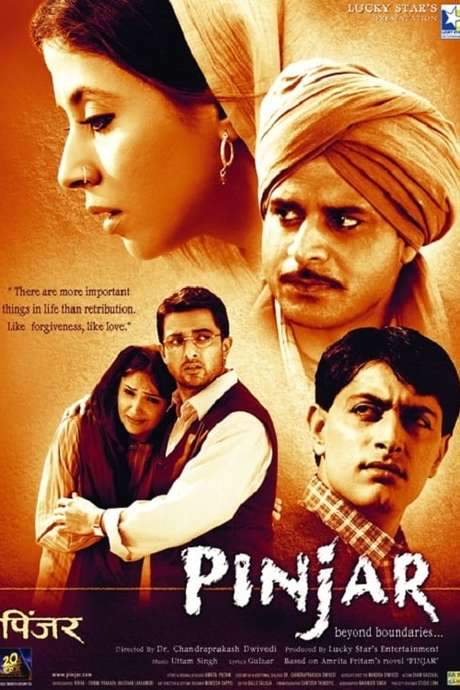
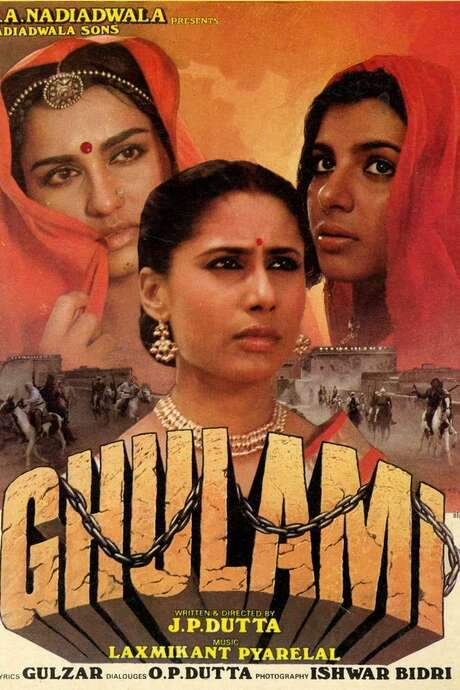

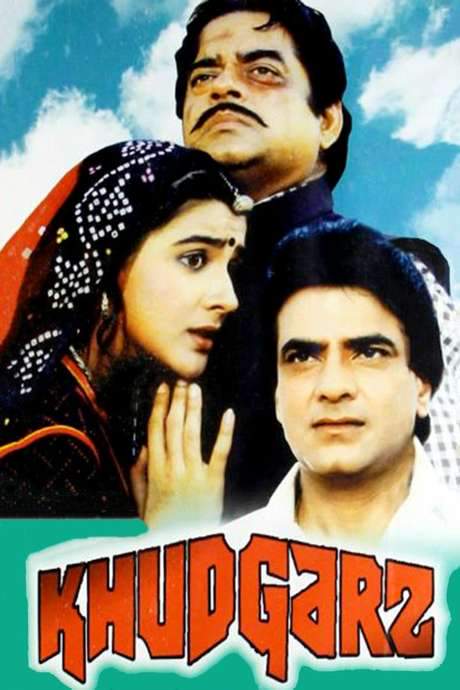






Quick Links: Summary, Cast, Ratings, More

What's After the Movie?
Not sure whether to stay after the credits? Find out!
Check out our other apps:

SAT Sphere
Build confidence for the Digital SAT.

Mori Atlas
Discover wild places worth protecting.

Luntero
Search smarter for a home in Amsterdam.

Plot Explained
Unravel movie endings and hidden clues.

Pokechamp
Dive into Pokémon data and battle logic.

Driving Theory
Get ready for your European theory test.

Movie Dust
Plan your next cinema trip with ease.

Musemap
Find art and culture as you travel.

Selkobase
Compare credentials before committing.

Local Manual
Turn an unfamiliar country into practical next steps.

Lernavi
Compare school systems before your next move.

GymRoam
Find a workout stop wherever your plans take you.
Explore Our Movie Platform
New Movie Releases (2026)
Famous Movie Actors
Top Film Production Studios
Movie Plot Summaries & Endings
Major Movie Awards & Winners
Best Concert Films & Music Documentaries
Movie Collections and Curated Lists
© 2026 What's After the Movie. All rights reserved.
Privacy Policy