Fiume o morte! 2025


This film explores the life and actions of Gabriele D’Annunzio, an Italian poet, playwright, and military figure, during the period following World War I. Through a combination of dramatic recreation and documentary elements, it examines his attempts to establish a new state and sheds light on the rise of early fascism in Italy. The film portrays D’Annunzio’s complex personality and his significant role in a pivotal moment of Italian history.


Does Fiume o morte! have end credit scenes?
No!
Fiume o morte! does not have end credit scenes. You can leave when the credits roll.
Where to Watch Fiume o morte!
See current US streaming, rental, and purchase options for Fiume o morte! (2025) via JustWatch.



Streaming availability powered by 
Meet the Full Cast and Actors of Fiume o morte!
Explore the complete cast of Fiume o morte!, including both lead and supporting actors. Learn who plays each character, discover their past roles and achievements, and find out what makes this ensemble cast stand out in the world of film and television.

External Links and Streaming Options
Discover where to watch Fiume o morte! online, including streaming platforms, rental options, and official sources. Compare reviews, ratings, and in-depth movie information across sites like IMDb, TMDb, Wikipedia or Rotten Tomatoes.






Ratings and Reviews for Fiume o morte!
See how Fiume o morte! is rated across major platforms like IMDb, Metacritic, and TMDb. Compare audience scores and critic reviews to understand where Fiume o morte! stands among top-rated movies in its genre.


%
TOMATOMETER

0%
User Score

8 /10
IMDb Rating

83
%
User Score
Full Plot Summary and Ending Explained for Fiume o morte!
Read the complete plot summary of Fiume o morte!, including all major events, twists, and the full ending explained in detail. Explore key characters, themes, hidden meanings, and everything you need to understand the story from beginning to end.
In present-day Rijeka, director Igor Bezinović invites locals to reflect on Gabriele D’Annunzio, the Italian poet and nationalist who occupied the city, then known as Fiume, in the wake of World War I. The responses become more than memories; they form a threaded examination of how the occupation is remembered, mythologized, or questioned within the town’s ongoing story. The film gently probes what the episode still signifies for the city’s identity, inviting viewers to weigh how history is spoken, shown, and reconstructed in the present.
The occupation is brought to life through a rich, layered cinematic method: archival photographs and footage sit beside voice-over narration, documentary sequences, and staged reenactments performed largely by residents of Rijeka. The process itself is part of the narrative, offering a window into how histories are built. Auditions, rehearsals, preparations, and in-depth discussions about the historical material used to stage the reenactments reveal a communal effort to grapple with a complex past and to decide what to keep, what to reframe, and what to question.
The film’s cast of participants includes performances by several individuals who portray D’Annunzio, as well as others who embody soldiers and people tied to the era’s events. The performances are anchored by the voices and bodies of local contributors, whose involvement blurs the line between documentarian and subject, creating a living dialogue between then and now. The actors guiding these scenes include Ćenan Beljulji, Tihomir Buterin, Izet Medošević, Andrea Marsanich, Albano Vučetić, Massimo Ronzani, and Milovan Večerina Cico, each stepping into roles as D’Annunzio and as the soldiers and citizens who cross his path. Their performances are not merely reenactments; they are investigations into how a city’s memory is formed and re-formed.
As the narrative unfolds, the film anchors itself in the historical arc of D’Annunzio’s arrival in Fiume in September 1919 and his bold campaign to annex the city to Italy. The storytelling weaves between present-day sites and archival material to recreate the arc—speeches, military gatherings, ceremonies, and other events that defined the occupation. The immediacy of the present-day locations lends a tactile realism to the past, while the archival images provide a document of the era that the re-enactments seek to interpret and re-present. The film also places the establishment of the Italian Regency of Carnaro within this timeline and highlights the friction that developed between D’Annunzio and the Italian government, underscoring the political complexities behind a seemingly cinematic moment in history.
The construction of the narrative continually invites reflection on memory itself. By showing auditions, rehearsals, and the debates over which materials to use, the film makes visible the ethical and editorial choices behind historical storytelling. The result is a thoughtful, sometimes provocative portrait of how a single historical episode can cast long shadows over a city’s self-perception, its monuments, its street names, and the voices that tell its stories.
The occupation’s climax arrives with the December 1920 confrontation between D’Annunzio’s forces and the Italian military, a turning point that the film treats not as a finite end but as a hinge in memory—one that redirects present-day discussions about sovereignty, legitimacy, and the cost of national aspiration. After this confrontation, the film circles back to present-day Rijeka, returning to the residents who participated in the reenactments. By closing the loop with contemporary recollections, the film makes a case for memory as an ongoing process: a living dialogue between the city’s past and its present, continually reinterpreted by those who continue to tell its story.

Coming soon on iOS and Android
The Plot Explained Mobile App
From blockbusters to hidden gems — dive into movie stories anytime, anywhere. Save your favorites, discover plots faster, and never miss a twist again.
Sign up to be the first to know when we launch. Your email stays private — always.
Explore the mobile appWatch Trailers, Clips & Behind-the-Scenes for Fiume o morte!
Watch official trailers, exclusive clips, cast interviews, and behind-the-scenes footage from Fiume o morte!. Dive deeper into the making of the film, its standout moments, and key production insights.
Fiume o morte! Themes and Keywords
Discover the central themes, ideas, and keywords that define the movie’s story, tone, and message. Analyze the film’s deeper meanings, genre influences, and recurring concepts.
Fiume o morte! Other Names and Titles
Explore the various alternative titles, translations, and other names used for Fiume o morte! across different regions and languages. Understand how the film is marketed and recognized worldwide.
Similar Movies To Fiume o morte! You Should Know About
Browse a curated list of movies similar in genre, tone, characters, or story structure. Discover new titles like the one you're watching, perfect for fans of related plots, vibes, or cinematic styles.
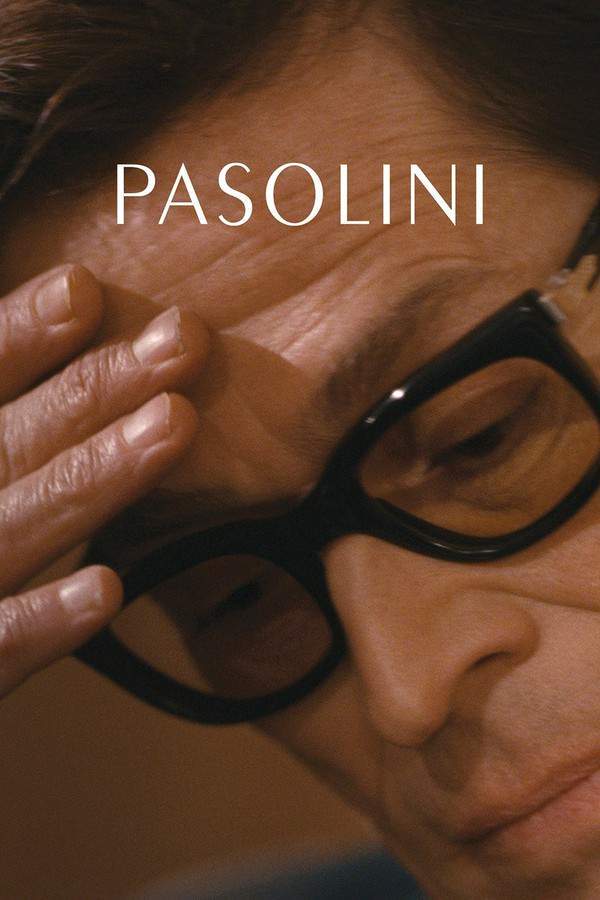


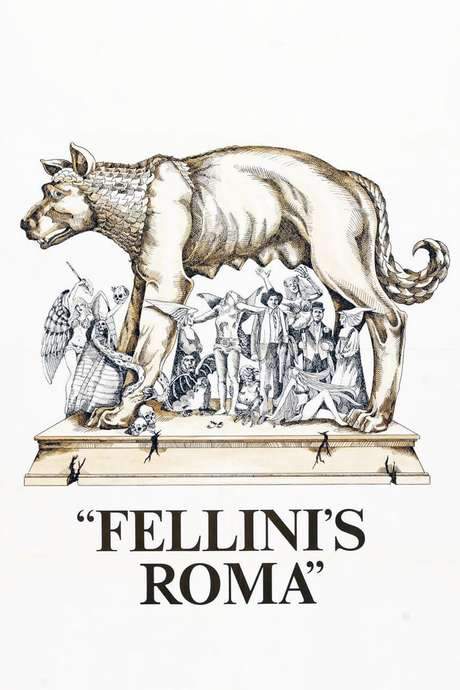

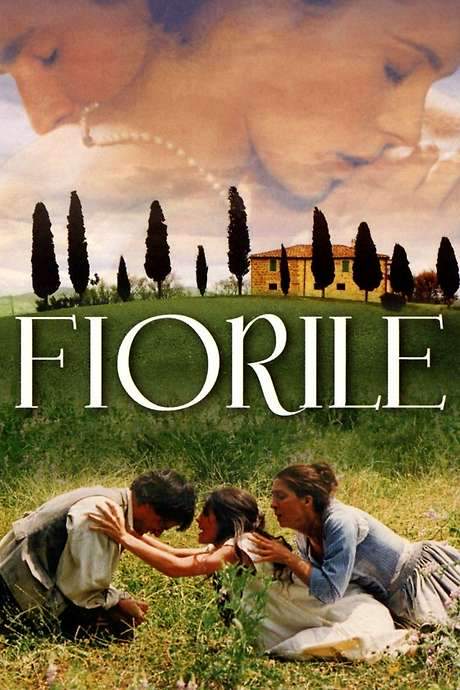


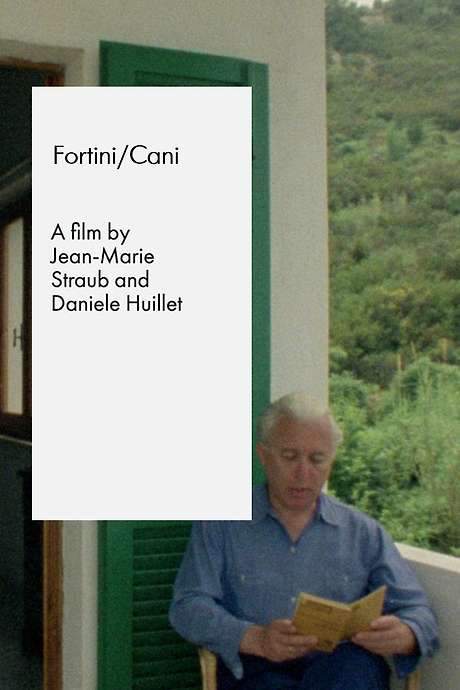


Quick Links: Summary, Cast, Ratings, More

What's After the Movie?
Not sure whether to stay after the credits? Find out!
Check out our other apps:

SAT Sphere
Build confidence for the Digital SAT.

Mori Atlas
Discover wild places worth protecting.

Luntero
Search smarter for a home in Amsterdam.

Plot Explained
Unravel movie endings and hidden clues.

Pokechamp
Dive into Pokémon data and battle logic.

Driving Theory
Get ready for your European theory test.

Movie Dust
Plan your next cinema trip with ease.

Musemap
Find art and culture as you travel.

Selkobase
Compare credentials before committing.

Local Manual
Turn an unfamiliar country into practical next steps.

Lernavi
Compare school systems before your next move.

GymRoam
Find a workout stop wherever your plans take you.
Explore Our Movie Platform
New Movie Releases (2026)
Famous Movie Actors
Top Film Production Studios
Movie Plot Summaries & Endings
Major Movie Awards & Winners
Best Concert Films & Music Documentaries
Movie Collections and Curated Lists
© 2026 What's After the Movie. All rights reserved.
Privacy Policy