The Bad Poet 2021


In 1936 Fascist Italy, young Federal agent Giovanni Comini is called to Rome to observe the aging national poet Gabriele D’Annunzio. Mussolini worries that D’Annunzio’s erratic behavior could jeopardize his alliance with Nazi Germany. As Comini spends time with the poet, he becomes increasingly drawn to D’Annunzio’s charisma and unconventional lifestyle, jeopardizing his career and forcing him to question his loyalty to the Party.


Does The Bad Poet have end credit scenes?
No!
The Bad Poet does not have end credit scenes. You can leave when the credits roll.
Meet the Full Cast and Actors of The Bad Poet
Explore the complete cast of The Bad Poet, including both lead and supporting actors. Learn who plays each character, discover their past roles and achievements, and find out what makes this ensemble cast stand out in the world of film and television.

Elena Bucci
Luisa Baccara

Sergio Castellitto
Gabriele D'Annunzio
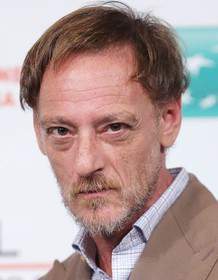
Massimiliano Rossi
Commissario Rizzo

Clotilde Courau
Amélie Mazoyer
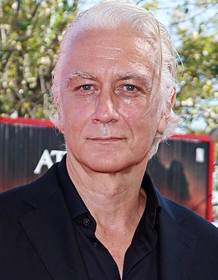
Tommaso Ragno
Giancarlo Maroni
Fausto Russo Alesi
Achille Starace
Lino Musella
Carletto
Marcello Romolo
Giuseppe Cobolli Gigli
Paolo Graziosi
Giovanni's father
Janina Rudenska
Emy Heufler
Lidiya Liberman
Lina
Antonio Piovanelli
General Noseda
Francesco Patanè
Giovanni Comini
External Links and Streaming Options
Discover where to watch The Bad Poet online, including streaming platforms, rental options, and official sources. Compare reviews, ratings, and in-depth movie information across sites like IMDb, TMDb, Wikipedia or Box Office Mojo.





Take the Ultimate The Bad Poet Movie Quiz
Challenge your knowledge of The Bad Poet with this fun and interactive movie quiz. Test yourself on key plot points, iconic characters, hidden details, and memorable moments to see how well you really know the film.
The Bad Poet Quiz: Test your knowledge of the 2021 film *The Bad Poet*, set in pre‑World War II Italy and focusing on the uneasy relationship between a Fascist official and the poet Gabriele D'Annunzio.
What political party does Giovanni Comini belong to at the beginning of the film?
Full Plot Summary and Ending Explained for The Bad Poet
Read the complete plot summary of The Bad Poet, including all major events, twists, and the full ending explained in detail. Explore key characters, themes, hidden meanings, and everything you need to understand the story from beginning to end.
1936 marks a turning point as Giovanni Comini, Francesco Patanè, a fervent supporter of the Fascist Party, is promoted to the position of federal secretary of Brescia. Tasked with a delicate mission by Achille Starace, he must leverage his poetic sensibility to win over the great poet Gabriele D’Annunzio and spy on him for the regime. The Vate, who has long resisted Fascism, has retreated to the Vittoriale, living in seclusion and surrounded by his loyal companions Luisa Elena Bucci and Amélie Clotilde Courau. Now aged and memory-filled, he moves through his days with a wary quiet, clinging to memories of past glories and a troubling reliance on cocaine. Yet there remains a surprising warmth: he grows fond of Comini, even as he understands the young man’s mission, and the recruit himself begins to find the poet increasingly compelling.
When the moment arrives for a bold political intervention, D’Annunzio asks Comini to arrange a meeting with Mussolini so he can urge the Duce to reconsider the push toward alliance with Hitler. Comini undertakes the task, but the effort proves fruitless. Parallel to this high-stakes political maneuver, Comini engages in a passionate liaison with Lina Lidiya Liberman. Lina’s world is shaken when her anti-fascist half-brother is arrested, and she ultimately dies by her own hand, an event that casts a long shadow over Comini and deepens his growing doubt about fascism.
The drama continues to unfold in 1937, a year that brings both symbolic and personal turbulence. With the death of Guglielmo Marconi, D’Annunzio is appointed ex officio president of the Accademia d’Italia; the poet, now visibly unstable, voices warnings about the dangers of the regime’s path. He manages to confront the Duce at Verona Porta Nuova Station on his return from Germany, trying to alert him to the perils of an alliance with Hitler. The meeting is bluntly dismissed by the regime, and D’Annunzio’s disillusionment deepens into a mental and physical breakdown. He bids farewell to Comini, asserting that opposing the coming war is his duty and that he will resume his stand when he goes to Rome to accept the academy presidency.
Back in Brescia, Comini’s dossiers reveal the growing unease among people about the Hitler–Mussolini alliance, and his revelations earn him a sharp rebuke from Starace. The regime’s discipline tightens as Comini remains a thorn in their side, yet his resolve to shed light on the public mood persists, even as he faces professional consequences.
A year later, the life of the poet ends in unclear circumstances, and his funeral—attended by the Duce himself—becomes a charged tableau of loyalties and loss. Luisa passes a peacock feather that once belonged to the Vate to Comini as a symbol of their friendship, a memento that carries both affection and tragedy. In the aftermath, Comini is demoted for his opposition to the alliance, and Luisa along with Amélie must leave the Vittoriale forever, their long association with D’Annunzio ending in exile.
The story unfolds as a quiet meditation on how art and charisma intersect with political power, and how one young fascist’s conscience is pulled between duty to a regime and the pull of a brilliant, rebellious poet. It’s a portrait of loyalty tested by truth, the weight of memory, and the costs of choosing a moral path in a time of looming conflict.

Coming soon on iOS and Android
The Plot Explained Mobile App
From blockbusters to hidden gems — dive into movie stories anytime, anywhere. Save your favorites, discover plots faster, and never miss a twist again.
Sign up to be the first to know when we launch. Your email stays private — always.
Explore the mobile appDiscover Film Music Concerts Near You – Live Orchestras Performing Iconic Movie Soundtracks
Immerse yourself in the magic of cinema with live orchestral performances of your favorite film scores. From sweeping Hollywood blockbusters and animated classics to epic fantasy soundtracks, our curated listings connect you to upcoming film music events worldwide.
Explore concert film screenings paired with full orchestra concerts, read detailed event information, and secure your tickets for unforgettable evenings celebrating legendary composers like John Williams, Hans Zimmer, and more.


The Bad Poet Themes and Keywords
Discover the central themes, ideas, and keywords that define the movie’s story, tone, and message. Analyze the film’s deeper meanings, genre influences, and recurring concepts.
The Bad Poet Other Names and Titles
Explore the various alternative titles, translations, and other names used for The Bad Poet across different regions and languages. Understand how the film is marketed and recognized worldwide.
Similar Movies To The Bad Poet You Should Know About
Browse a curated list of movies similar in genre, tone, characters, or story structure. Discover new titles like the one you're watching, perfect for fans of related plots, vibes, or cinematic styles.


Quick Links: Summary, Cast, Ratings, More

What's After the Movie?
Not sure whether to stay after the credits? Find out!
Check out our other apps:

SAT Sphere
Build confidence for the Digital SAT.

Mori Atlas
Discover wild places worth protecting.

Luntero
Search smarter for a home in Amsterdam.

Plot Explained
Unravel movie endings and hidden clues.

Pokechamp
Dive into Pokémon data and battle logic.

Driving Theory
Get ready for your European theory test.

Movie Dust
Plan your next cinema trip with ease.

Musemap
Find art and culture as you travel.

Selkobase
Compare credentials before committing.

Local Manual
Turn an unfamiliar country into practical next steps.

Lernavi
Compare school systems before your next move.

GymRoam
Find a workout stop wherever your plans take you.
Explore Our Movie Platform
New Movie Releases (2026)
Famous Movie Actors
Top Film Production Studios
Movie Plot Summaries & Endings
Major Movie Awards & Winners
Best Concert Films & Music Documentaries
Movie Collections and Curated Lists
© 2026 What's After the Movie. All rights reserved.
Privacy Policy