End of the Road 1970


Shortly after receiving his graduate diploma, Jacob sits at a train station, poised for the future, when an abrupt interruption triggers a flood of 1960s‑era images—war, injustice, assassination, protest—that plunge him into a catatonic state. The subsequent bizarre rehabilitation and its lingering effects draw him further into a spiral of madness.

Does End of the Road have end credit scenes?
No!
End of the Road does not have end credit scenes. You can leave when the credits roll.
Meet the Full Cast and Actors of End of the Road
Explore the complete cast of End of the Road, including both lead and supporting actors. Learn who plays each character, discover their past roles and achievements, and find out what makes this ensemble cast stand out in the world of film and television.
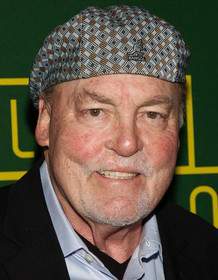
Stacy Keach
Jacob Horner
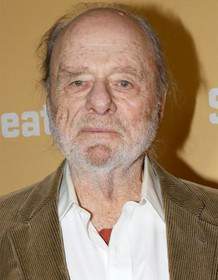
Harris Yulin
Joe Morgan
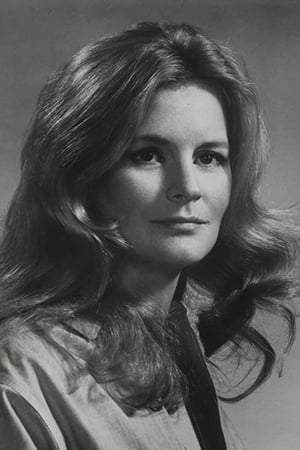
Dorothy Tristan
Rennie Morgan
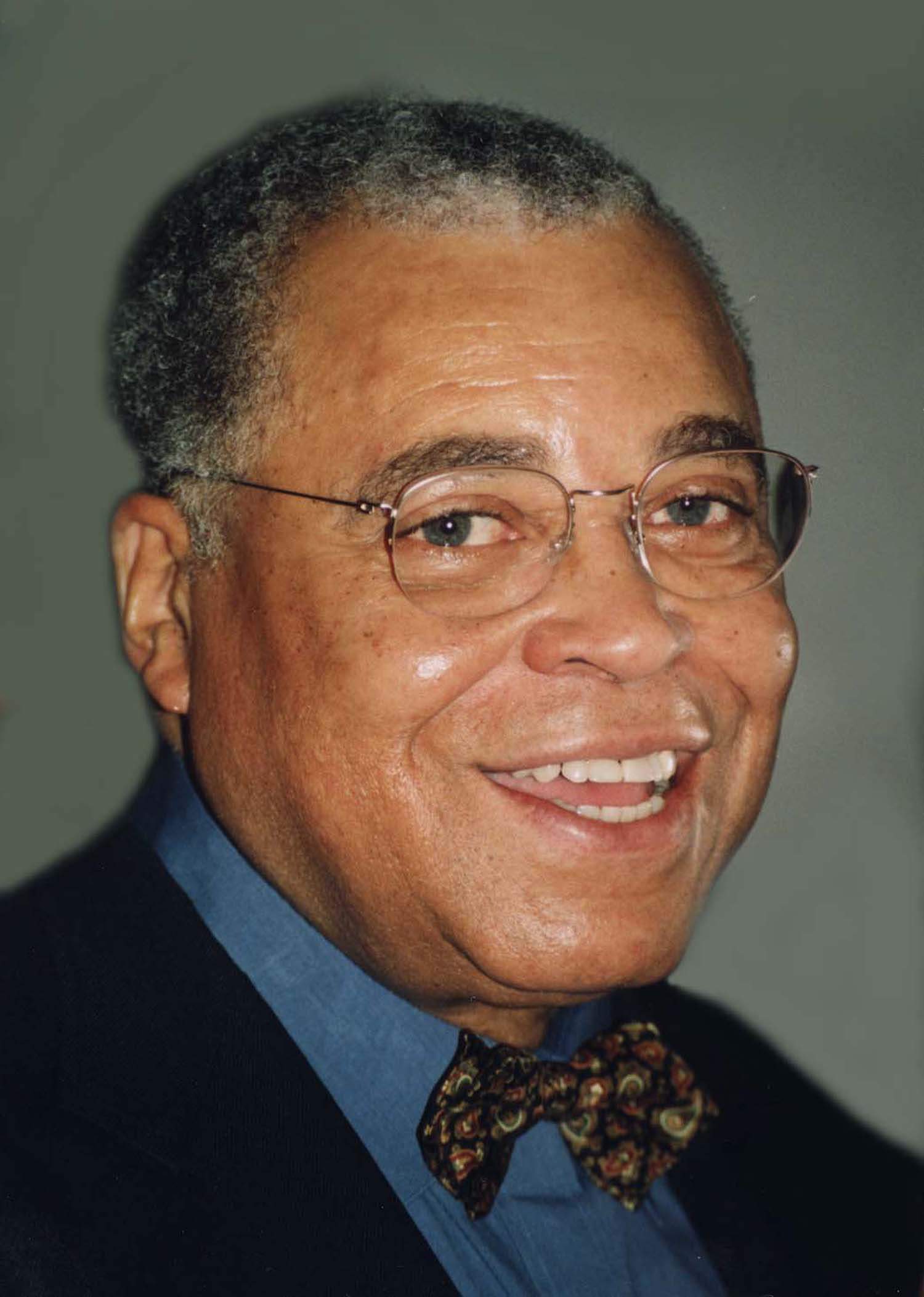
James Earl Jones
Doctor D

Graham Jarvis
Dr. Carter
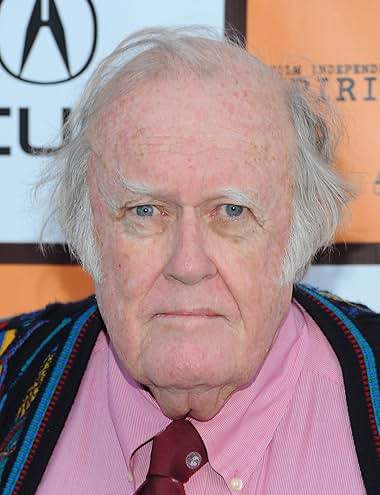
M. Emmet Walsh
Crab Man / Tutu Man
James Coco
School Man
Grayson Hall
Peggy Rankin
John Pleshette
Finkle
Aram Avakian
Ellen Faison
Sarah Bernhardt
Terry Southern
Mr. Caruso
Illa Howe
Elvira Madigan
Ray Brock
Sniperman / Mrs. Dockey
External Links and Streaming Options
Discover where to watch End of the Road online, including streaming platforms, rental options, and official sources. Compare reviews, ratings, and in-depth movie information across sites like IMDb, TMDb, Wikipedia or Letterboxd.





Take the Ultimate End of the Road Movie Quiz
Challenge your knowledge of End of the Road with this fun and interactive movie quiz. Test yourself on key plot points, iconic characters, hidden details, and memorable moments to see how well you really know the film.
End of the Road (1970) Quiz: Test your knowledge of the 1970 film End of the Road, covering characters, plot points, and thematic elements.
Which actor plays the newly graduated protagonist Jacob Horner?
Full Plot Summary and Ending Explained for End of the Road
Read the complete plot summary of End of the Road, including all major events, twists, and the full ending explained in detail. Explore key characters, themes, hidden meanings, and everything you need to understand the story from beginning to end.
Jacob Horner, played by Stacy Keach, has just earned his master’s degree from Johns Hopkins University and steps from the graduation into a pulsing montage of 1960s upheaval. Images surge by—Kennedy’s assassination, civil rights protests, campus unrest, and the escalating Vietnam War—until he reaches a train platform and collapses into a catatonic stupor. The moment is fragile and shocking, a hinge between personal doubt and a wider social chaos.
James Earl Jones steps in as Doctor D, an unorthodox psychiatrist who sees through the silence to wake Jacob from his trance. He transports him to the Institute of Psychic Remobilization, often called The Farm, a bizarre asylum where therapy means enacting fantasies rather than simply talking about them. Inside, the atmosphere is clinical yet uncanny: a cross-dressing Nurse Dockey Ray Brock and other peculiar patients embody the extremes of desire and fear. There, Jacob is subjected to a regimen that blends harsh physical discipline with audiovisual experiments, a stark contrast to the calm, orderly world he once imagined. Before discharge, Doctor D makes a blunt prescription: find a place in society, but avoid personal or political engagement. With Jacob’s background in English literature, the recommended path is teaching prescriptive grammar at the local college.
Back on the outside, Jacob finds lodging in an abandoned factory and experiences a brief, unsettling fling with Peggy Rankin, a lonely, aging woman. Peggy Rankin, played by Grayson Hall, becomes a complicating thread in his new life. On his first day at the college, Jacob befriends Joe Morgan [Harris Yulin], a charismatic Boy Scout leader whose charm masks a darker, more controlling temperament. Joe invites Jacob and his wife Rennie Morgan [Dorothy Tristan] to dinner, and the dinner scene quickly reveals Joe’s manipulation: he seems to push Jacob toward an affair with Rennie and then cajoles Rennie into a horseback ride.
Rennie and Jacob’s clandestine affair soon changes the dynamic at home. Rennie becomes pregnant, and she tells Jacob about the pregnancy with Joe’s knowledge and René’s own fear—she does not want to leave Joe, and she threatens suicide if forced to terminate or abandon the marriage. Joe becomes furious and insists that Rennie obtain an abortion, pressing Jacob to arrange one. Faced with no easy options, Jacob tries to contact an abortionist he knows, but time runs out. Desperate, he takes Rennie to The Farm, where Doctor D oversees an unsafe abortion. The procedure is chaotic and dangerous: a curette is used, Rennie convulses under anesthesia, and she chokes to death as her mask slips.
The aftermath is stark. Jacob, deeply shaken, wraps Rennie’s body and with Doctor D disposes of it in a lake, a grim act that seals the unraveling of the life he is supposed to rebuild. The closing credits run as the Apollo 11 moon landing broadcasts fill the screen, paired with President Nixon welcoming the astronauts home—an eerie, cold counterpoint to the personal tragedy that has just unfolded.
Throughout, the film threads a quiet, unsettling mood: a young man’s search for meaning clashing with a world that asks him to silence his own voice, a modern-era fever dream where ideas about art, morality, and control collide in a sequence of stark, often brutal, moments. The result is a long, immersive meditation on responsibility, power, and the limits of psychiatric “remedies” when confronted with the messy truths of human desire and consequence.

Coming soon on iOS and Android
The Plot Explained Mobile App
From blockbusters to hidden gems — dive into movie stories anytime, anywhere. Save your favorites, discover plots faster, and never miss a twist again.
Sign up to be the first to know when we launch. Your email stays private — always.
Explore the mobile appWatch Trailers, Clips & Behind-the-Scenes for End of the Road
Watch official trailers, exclusive clips, cast interviews, and behind-the-scenes footage from End of the Road. Dive deeper into the making of the film, its standout moments, and key production insights.
Cars Featured in End of the Road
Explore all cars featured in End of the Road, including their makes, models, scenes they appear in, and their significance to the plot. A must-read for car enthusiasts and movie buffs alike.
End of the Road Themes and Keywords
Discover the central themes, ideas, and keywords that define the movie’s story, tone, and message. Analyze the film’s deeper meanings, genre influences, and recurring concepts.

Unlock the World of Movies with Our Comprehensive Wiki
Dive into our Movie Wiki for in-depth film encyclopedia entries, including cast biographies, production trivia, plot synopses, behind-the-scenes facts, and thematic analyses. Whether you’re researching iconic directors, exploring genre histories, or discovering hidden easter eggs, our expertly curated movie database has everything you need to fuel your cinematic passion.

Similar Movies To End of the Road You Should Know About
Browse a curated list of movies similar in genre, tone, characters, or story structure. Discover new titles like the one you're watching, perfect for fans of related plots, vibes, or cinematic styles.



-UVZYxLE_O890yA.jpg)
Quick Links: Summary, Cast, Ratings, More

What's After the Movie?
Not sure whether to stay after the credits? Find out!
Check out our other apps:

SAT Sphere
Build confidence for the Digital SAT.

Mori Atlas
Discover wild places worth protecting.

Luntero
Search smarter for a home in Amsterdam.

Plot Explained
Unravel movie endings and hidden clues.

Pokechamp
Dive into Pokémon data and battle logic.

Driving Theory
Get ready for your European theory test.

Movie Dust
Plan your next cinema trip with ease.

Musemap
Find art and culture as you travel.

Selkobase
Compare credentials before committing.

Local Manual
Turn an unfamiliar country into practical next steps.

Lernavi
Compare school systems before your next move.

GymRoam
Find a workout stop wherever your plans take you.
Explore Our Movie Platform
New Movie Releases (2026)
Famous Movie Actors
Top Film Production Studios
Movie Plot Summaries & Endings
Major Movie Awards & Winners
Best Concert Films & Music Documentaries
Movie Collections and Curated Lists
© 2026 What's After the Movie. All rights reserved.
Privacy Policy