Ek Ruka Hua Faisla 1986


Twelve jurors are confined to a single room to decide the fate of a young man accused of murdering his elderly father. All but one are convinced of his guilt and press the dissenting member to join a unanimous verdict. The film explores their arguments and doubts, serving as a Hindi adaptation of the classic 12 Angry Men.

Does Ek Ruka Hua Faisla have end credit scenes?
No!
Ek Ruka Hua Faisla does not have end credit scenes. You can leave when the credits roll.
Meet the Full Cast and Actors of Ek Ruka Hua Faisla
Explore the complete cast of Ek Ruka Hua Faisla, including both lead and supporting actors. Learn who plays each character, discover their past roles and achievements, and find out what makes this ensemble cast stand out in the world of film and television.

External Links and Streaming Options
Discover where to watch Ek Ruka Hua Faisla online, including streaming platforms, rental options, and official sources. Compare reviews, ratings, and in-depth movie information across sites like IMDb, TMDb, Wikipedia or Letterboxd.




Full Plot Summary and Ending Explained for Ek Ruka Hua Faisla
Read the complete plot summary of Ek Ruka Hua Faisla, including all major events, twists, and the full ending explained in detail. Explore key characters, themes, hidden meanings, and everything you need to understand the story from beginning to end.
In a crowded courtroom, a teenage boy from a city slum stands trial for stabbing his father to death. The closing arguments have been delivered, and the judge instructs the jury to decide whether the boy is guilty of murder, a verdict that would carry a mandatory death sentence if rendered. Once the jurors retreat to the deliberation room, it’s immediately clear that most of them have already made up their minds. Juror #8, K.K. Raina, is the lone voice insisting that the case deserves careful consideration and that the evidence is far from conclusive. The others want a quick, decisive decision, and their premature certainty rubs him the wrong way, setting the stage for a tense, thoughtful, and revealing process.
The film then unfolds through the slow, patient mechanics of deliberation. The jurors examine the testimony of the two witnesses who testified to the events surrounding the murder, as well as the seemingly decisive details surrounding the weapon and the young defendant’s alibi. They debate whether the testimony is reliable, whether memory can be trusted, and whether a reasonable doubt could exist in light of all the surrounding circumstances. The atmosphere in the room is taut, and the mood shifts as personal histories and hidden prejudices begin to surface. Each juror’s stance is not just about evidence but about the kinds of assumptions people bring to a courtroom—prejudices shaped by class, background, and instinctive judgments about youth and violence.
From the outset, the jury is a mosaic of personalities and biases. Juror #3, Pankaj Kapur brings a loud, prone-to-anger temperament that sometimes makes him appear cocky or personal in the heat of debate. Juror #9, Annu Kapoor, provides a quiet, perceptive counterbalance, often sensing when someone else is pushing a point too hard. Juror #7, M. K. Raina seems ready to move on to other matters, while Juror #4, S M Zaheer prioritizes the logical structure of the argument over sentiment. Juror #1, Deepak Qazir tries to keep order, and Juror #5, Subhash Udghate weighs the defendant’s background against the evidence with a practical eye. The rest of the group is drawn into the debate as the questions mount: Is the murder weapon truly unique? Can memory of events across a crowded day be trusted? Do the witnesses’ testimonies hold up under scrutiny?
As the deliberations progress, juror after juror is forced to confront their initial certainty. Juror #8 revisits the central claims with careful logic, pointing out that the case is built on circumstantial evidence and arguing that reasonable doubt should be enough to warrant a careful, unhurried verdict. The discussion becomes a test of patience and precision, as each new angle is explored and each assumption is tested against the available facts. Juror #2, Amitabh Shrivastava, weighs the implications of how easily a single misinterpretation could tilt the outcome, while Juror #6, Hemant Mishra questions whether emotions are clouding judgment or sharpening it. Juror #10, Subbiraj and Juror #11, Shailendra Goel contribute with stubborn insistence or cautious doubt, and Juror #12, Aziz Qureshi presses for a conclusion that is fair to the defendant rather than punitive.
The heart of the film lies in the methodical dismantling of what initially seems obvious. The jurors dissect the two witnesses’ accounts, scrutinize the timeline, and challenge the perceived certainty of the killer’s identity. They question whether the motive is clear, whether the defendant could have acted alone, and what a reasonable doubt would look like in a real courtroom. The process slowly transforms the room from a place of quick verdicts into a forum for rigorous examination, where stubborn beliefs yield to careful reasoning and where personal grievances are weighed against the collective responsibility of finding a truth.
By the end, the jurors who began with confidence about guilt are confronted with unsettling questions about certainty and the fallibility of memory. The doubts that once seemed small begin to accumulate, and the room’s dynamic shifts as a consensus emerges from careful, incremental persuasion rather than forceful assertion. The not-guilty verdict emerges not as a dramatic revelation, but as the result of steady, principled deliberation—the kind of decision that takes time, patience, and a willingness to set aside prejudice in pursuit of justice.
The story remains a careful exploration of how truth survives under pressure and how the jurors’ personal convictions can influence, or obstruct, the search for a fair verdict. It is a meditation on civic duty, the weight of responsibility, and the power of reasoned discourse to uncover doubt and prevent hasty judgments. Through the evolving dialogue among the jurors, the film presents a enduring question: when does certainty yield to justice, and what does it truly mean to deliver a fair and unbiased verdict in a complex case?

Coming soon on iOS and Android
The Plot Explained Mobile App
From blockbusters to hidden gems — dive into movie stories anytime, anywhere. Save your favorites, discover plots faster, and never miss a twist again.
Sign up to be the first to know when we launch. Your email stays private — always.
Explore the mobile appDiscover Film Music Concerts Near You – Live Orchestras Performing Iconic Movie Soundtracks
Immerse yourself in the magic of cinema with live orchestral performances of your favorite film scores. From sweeping Hollywood blockbusters and animated classics to epic fantasy soundtracks, our curated listings connect you to upcoming film music events worldwide.
Explore concert film screenings paired with full orchestra concerts, read detailed event information, and secure your tickets for unforgettable evenings celebrating legendary composers like John Williams, Hans Zimmer, and more.


Ek Ruka Hua Faisla Themes and Keywords
Discover the central themes, ideas, and keywords that define the movie’s story, tone, and message. Analyze the film’s deeper meanings, genre influences, and recurring concepts.
Ek Ruka Hua Faisla Other Names and Titles
Explore the various alternative titles, translations, and other names used for Ek Ruka Hua Faisla across different regions and languages. Understand how the film is marketed and recognized worldwide.
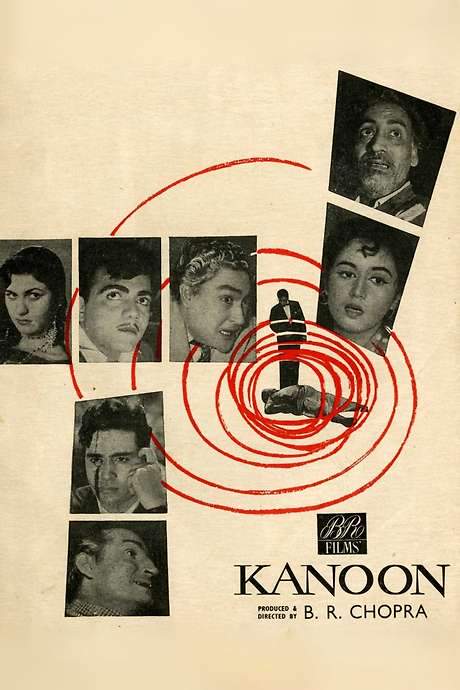
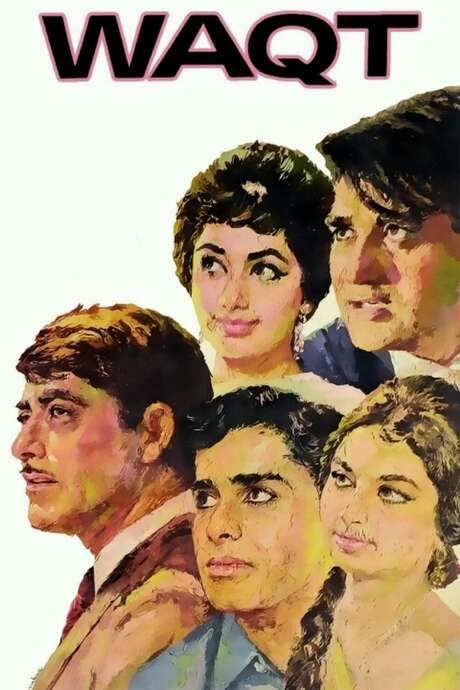
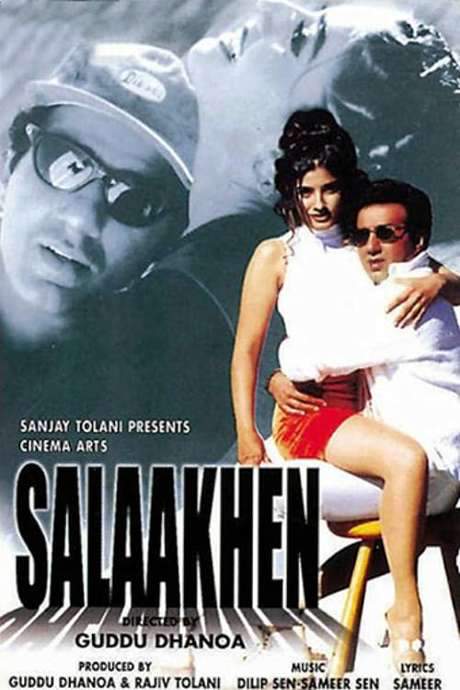
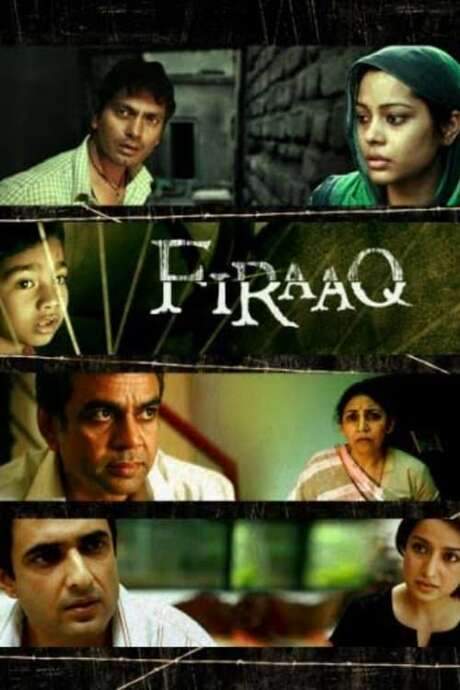
Similar Movies To Ek Ruka Hua Faisla You Should Know About
Browse a curated list of movies similar in genre, tone, characters, or story structure. Discover new titles like the one you're watching, perfect for fans of related plots, vibes, or cinematic styles.





Quick Links: Summary, Cast, Ratings, More

What's After the Movie?
Not sure whether to stay after the credits? Find out!
Check out our other apps:

SAT Sphere
Build confidence for the Digital SAT.

Mori Atlas
Discover wild places worth protecting.

Luntero
Search smarter for a home in Amsterdam.

Plot Explained
Unravel movie endings and hidden clues.

Pokechamp
Dive into Pokémon data and battle logic.

Driving Theory
Get ready for your European theory test.

Movie Dust
Plan your next cinema trip with ease.

Musemap
Find art and culture as you travel.

Selkobase
Compare credentials before committing.

Local Manual
Turn an unfamiliar country into practical next steps.

Lernavi
Compare school systems before your next move.

GymRoam
Find a workout stop wherever your plans take you.
Explore Our Movie Platform
New Movie Releases (2026)
Famous Movie Actors
Top Film Production Studios
Movie Plot Summaries & Endings
Major Movie Awards & Winners
Best Concert Films & Music Documentaries
Movie Collections and Curated Lists
© 2026 What's After the Movie. All rights reserved.
Privacy Policy