
Die Beautiful (2016): Cast, Plot & Where to Watch
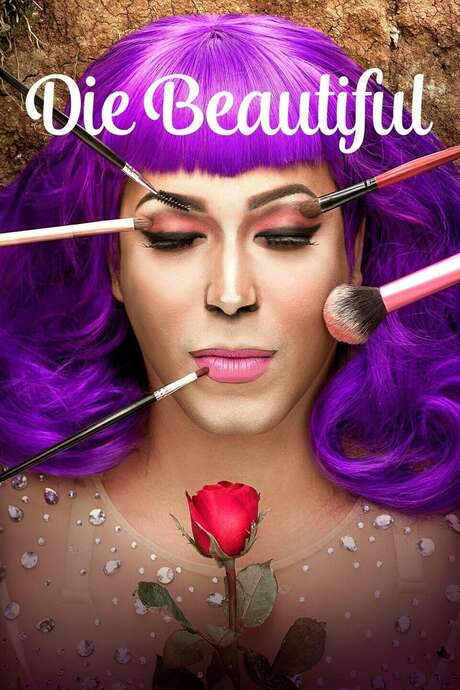
Die Beautiful is a 2016 comedy drama directed by Jun Robles Lana, starring Paolo Ballesteros as Trisha, Christian Bables and Iza Calzado. It runs 2 hours. Rent or buy it on Apple TV Store.
- Released
- Runtime
- 2h (120 min)
- Director
- Jun Robles Lana
- Original language
-
 Tagalog
 - Studio
- Regal Entertainment
- After the credits
- No No extra scene
What Is Die Beautiful About?
The premise of Die Beautiful without spoilers. The whole story is in the plot summary further down.
After the sudden death of Trisha, a beloved transgender woman crowned in a beauty pageant, her family faces a difficult choice. Upholding her final wish to be presented as a different celebrity each night of her wake clashes with her conservative father's desire to bury her as a man. The film explores themes of family, identity, and acceptance as they navigate grief and differing beliefs.
Where to Watch Die Beautiful
Rent or buy it from Apple TV Store. US availability and prices from JustWatch.
Rent or buy 1

Streaming availability in the US, powered by 
Die Beautiful Cast & Characters
Paolo Ballesteros leads the cast as Trisha, with Christian Bables as Barbs and Iza Calzado. Directed by Jun Robles Lana; 19 actors are credited in all.
- Director Jun Robles Lana
- Paolo Ballesteros as Trisha
- Christian Bables as Barbs
- Iza Calzado as themselves
- Lou Veloso as Flora
Also Starring in Die Beautiful
· 15 more- Eugene Domingo Mau Mau Zaldriaga
- Albie Casiño Migs
- Gladys Reyes Beth
- Mimi Juareza Mother Celine
- Kokoy De Santos Miko
- Adrian Alandy Jesse
- Joel Torre Trisha's father
- I.C. Mendoza Paola
- Cedrick Juan Erica
- Inah de Belen Shirley Mae
- Jade Lopez Diana
- Juris Ocampo Bok
- Kyle Gabrielle Joanna
- Rica Paras Lorna
- Khalid Ruiz
Die Beautiful Plot Summary
What happens in Die Beautiful from start to finish, spoilers included, with a timeline of 14 key events. The opening is below; the full summary is a 4-minute read.
Spoilers ahead
Trisha Echevarria is a transgender woman whose father strongly opposes her, pushing her to leave home and move in with her best friend Barbs. The film centers on Trisha’s life as it unfolds largely at her wake, following the sudden illness that claims her life soon after she is crowned Binibining Gay Pilipinas. In the days of mourning, Trisha’s makeup artistry becomes a continuous, intimate ritual: through Barbs’ skilled hands, she transforms into a different famous woman each day. This ongoing wake-time makeover mirrors the bond the two shared in life, a shared passion that brought them together long before tragedy struck.
Full summary
The whole story of Die Beautiful, scene by scene
Die Beautiful Trailers & Videos
The trailer of Die Beautiful.
How Well Do You Know Die Beautiful?
10 questions about the story, each with a hint if you get stuck. Pick an answer to see whether you were right.
Question 1 of 10
- Question 1: not answered
- Question 2: not answered
- Question 3: not answered
- Question 4: not answered
- Question 5: not answered
- Question 6: not answered
- Question 7: not answered
- Question 8: not answered
- Question 9: not answered
- Question 10: not answered
What is the name of the trans woman protagonist in the film?
Die Beautiful Also Known As
Also known as “Умри красивой”.
- Also known as
-
- Умри красивой
Seen Die Beautiful?
Die Beautiful FAQ: Where to Watch, Cast & Runtime
Runtime, release date, director, cast, where to watch, post-credit scenes and language of Die Beautiful, each answered in a sentence.
How long is Die Beautiful?
Die Beautiful runs 2 hours (120 minutes).
When was Die Beautiful released?
Die Beautiful was released on October 27, 2016.
Who directed Die Beautiful?
Die Beautiful was directed by Jun Robles Lana.
More films by Jun Robles Lana Who is in the cast of Die Beautiful?
Die Beautiful stars Paolo Ballesteros as Trisha, Christian Bables as Barbs and Iza Calzado, among 19 credited actors.
Where can I watch Die Beautiful?
In the US, Die Beautiful is available to rent or buy on Apple TV Store (availability from JustWatch).
Does Die Beautiful have a post-credit scene?
No. Die Beautiful has no extra scene during or after the credits.
What language is Die Beautiful in?
The original language of Die Beautiful is Tagalog.
Coming soon to your phone
The Plot Explained Movie Summary App
From blockbusters to hidden gems: plot summaries, endings explained and timelines on your phone. Save your favorites and never miss a twist again.
Be the first to know when it launches. Your email stays private, always. Learn more about the app
