
Denial (2016): Ratings, Box Office, Plot & Where to Watch

Denial is a 2016 biographical drama directed by Mick Jackson. It runs 1 hour 49 minutes and earned $8 million worldwide. It earned 1 award nomination, including Outstanding British Film at the BAFTA 2017. Critics gave it 63 on Metacritic, and IMDb users rate it 6.8/10. Stream it on Fandango at Home Free and Hoopla, or rent or buy it on Amazon Video and Apple TV Store.
- Released
- Runtime
- 1h 49m (109 min)
- Director
- Mick Jackson
- Original language
-
 English
 - Studio
- Bleecker Street Media
- After the credits
- No No extra scene
What Is Denial About?
The premise of Denial without spoilers. The whole story is in the plot summary further down.
Historian Deborah E. Lipstadt faces a libel lawsuit after being called a Holocaust denier by author David Irving. To defend herself, Lipstadt and her legal team must prove the truth of the atrocities Irving denies, confronting a complex legal battle where the burden of proof falls on them. The film explores the importance of historical fact and the strength of personal belief in the face of adversity.
Denial Themes & Keywords
· 50 tags- anti semitism
- courtroom
- holocaust
- historian
- holocaust survivor
- auschwitz
- holocaust denial
- new yorker
- reference to heinrich himmler
- london england
- calling someone a racist
- american abroad
+38 more Show fewer
- year 2000
- reference to the holocaust
- reference to the third reich
- reference to rudolf hess
- reference to adolf hitler
- shoah
- expert witness
- neo nazi
- scholar
- professor
- barrister
- solicitor
- death camp
- based on true story
- reference to trevor mcdonald
- concentration camp number tattoo
- judge
- barbed wire
- reference to david and goliath
- reference to winston churchill
- common law
- diary
- discovery phase
- cross examination
- reference to mcdonald's restaurant
- feeding a dog
- f word
- english breakfast
- black pudding
- fried egg
- female jogger
- calling someone a liar
- reference to steven spielberg
- year 1999
- year 1996
- q & a
- year 1994
- lecture
Where to Watch Denial
Stream it on Fandango at Home Free and Hoopla, or rent or buy it from Amazon Video and Apple TV Store. US availability and prices from JustWatch.
Stream 9
 Fandango at Home Free
  Hoopla
  Kanopy
  Netflix
  Netflix Standard with Ads
  Plex
Plex  Plex Channel
  Tubi TV
  YouTube Free



Streaming availability in the US, powered by 
The Director of Denial
Directed by Mick Jackson.
-
 Director Mick Jackson
Denial Reviews & Ratings
Critics gave Denial 63 on Metacritic, and IMDb users rate it 6.8/10.
-
 IMDb
IMDb 6.8 /10
See on IMDb -
 Metacritic
 63 Metascore
User score 6.3
See on Metacritic -
 TMDB
TMDB 69% User score
See on TMDB -
 Letterboxd
 3.4 /5
13 ratings
See on Letterboxd -
 Movie Insider
 2.5 /5
See on Movie Insider
Denial Plot Summary
What happens in Denial from start to finish, spoilers included, with a timeline of 15 key events. The opening is below; the full summary is a 4-minute read.
Spoilers ahead
Deborah Lipstadt, an American professor renowned for her work in Holocaust studies, finds herself drawn into a high-stakes legal battle when British writer David Irving sues her and her publisher in the United Kingdom for calling him a Holocaust denier in her book. In UK libel law, the burden of proof rests with the defendant, so Lipstadt and her legal team—Anthony Julius and Richard Rampton—must mount a rigorous defense to prove that Irving’s portrayal of the Holocaust is a deliberate fabrication.
Full summary
The whole story of Denial, scene by scene
Denial Box Office
Denial grossed $8 million worldwide. $4.1 million came from the US and Canada and $3.9 million (49%) from the rest of the world.
Worldwide gross
$8M
- US & Canada
- $4.1M
- International
- $3.9M
Denial Awards & Nominations
Denial earned 1 award nomination, including Outstanding British Film at the BAFTA 2017.
1 nomination1 ceremony
-
 BAFTA 2017 1 nomination
- Nominated Outstanding British Film
Denial Trailers & Videos
The trailer of Denial.
How Well Do You Know Denial?
10 questions about the story, each with a hint if you get stuck. Pick an answer to see whether you were right.
Question 1 of 10
- Question 1: not answered
- Question 2: not answered
- Question 3: not answered
- Question 4: not answered
- Question 5: not answered
- Question 6: not answered
- Question 7: not answered
- Question 8: not answered
- Question 9: not answered
- Question 10: not answered
Who is the American professor whose books labeled David Irving as a Holocaust denier?
Denial Also Known As
25 alternative titles, including “나는 부정한다 2016” and “Negación”.
- Also known as
-
- 나는 부정한다 2016
- Negación
- Negação
- Kłamstwo
- Le Procès du siècle
- La verità negata
- Άρνηση
- 否认
- Verleugnung
- Отрицание
- הכחשה
- 나는 부정한다
+13 more Show fewer
- Порицање
- Tagadás
- Отрицанието
- Popírání holocaustu
- Déni
- Заперечення
- Negació
- Negarea
- Noliegums
- Popieranie holokaustu
- 時代偽證者
- 否定と肯定
- Neigimas
Seen Denial?
Movies Like Denial
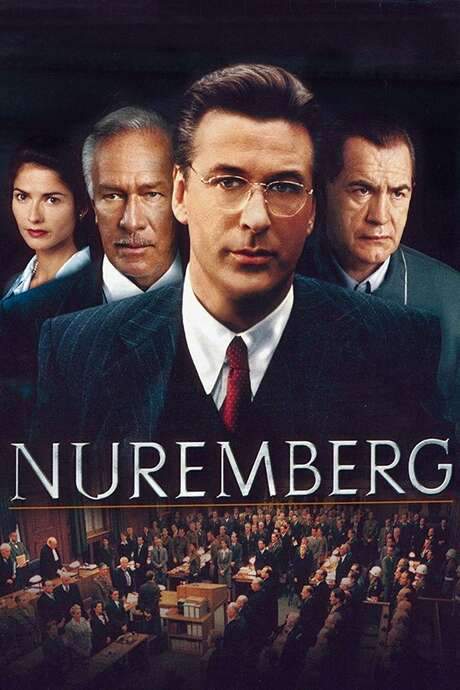
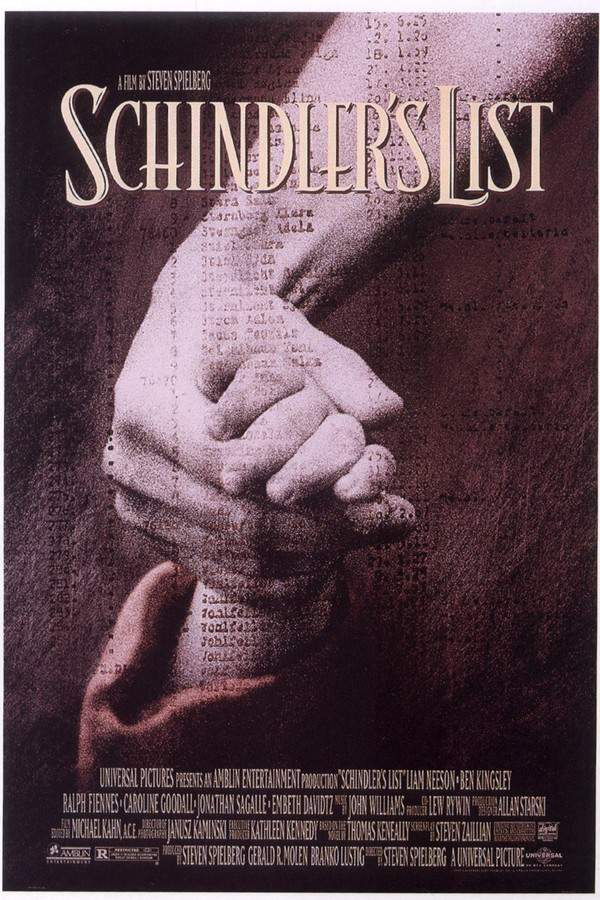
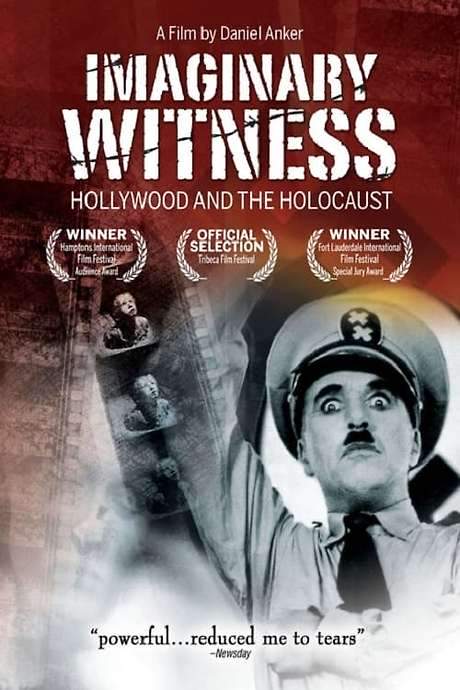
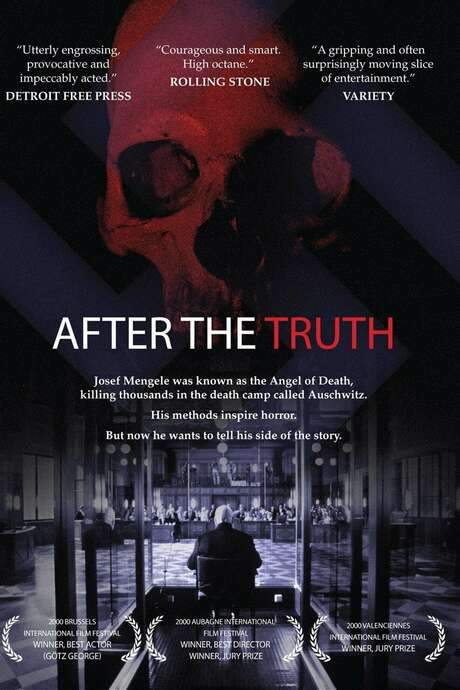
Films with a similar story, tone or audience, including Defamation, Verdict on Auschwitz and Labyrinth of Lies.







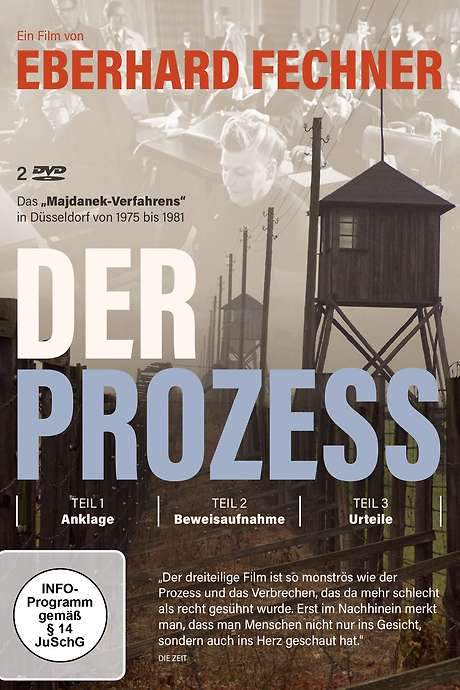
Denial FAQ: Where to Watch, Box Office & Awards
Runtime, release date, director, where to watch, box office, ratings, awards and post-credit scenes of Denial, each answered in a sentence.
How long is Denial?
Denial runs 1 hour 49 minutes (109 minutes).
When was Denial released?
Denial was released on September 30, 2016.
Who directed Denial?
Denial was directed by Mick Jackson.
More films by Mick Jackson Where can I watch Denial?
In the US, Denial is streaming on Fandango at Home Free, Hoopla and Kanopy and available to rent or buy on Amazon Video, Apple TV Store and Fandango At Home (availability from JustWatch).
How much did Denial make at the box office?
Denial grossed $8 million worldwide ($4.1 million domestic, $3.9 million international).
How is Denial rated?
Denial has 6.8/10 on IMDb, 63 on Metacritic, 69% on TMDB and 3.4/5 on Letterboxd.
Was Denial nominated for any awards?
Denial received 1 nomination across 1 ceremony.
Does Denial have a post-credit scene?
No. Denial has no extra scene during or after the credits.
Coming soon to your phone
The Plot Explained Movie Summary App
From blockbusters to hidden gems: plot summaries, endings explained and timelines on your phone. Save your favorites and never miss a twist again.
Be the first to know when it launches. Your email stays private, always. Learn more about the app
