Day Out of Days 2015


In Los Angeles, a 40-year-old actress works to make it in the cutthroat business of Hollywood while contending with ever-youthful competition.


Does Day Out of Days have end credit scenes?
No!
Day Out of Days does not have end credit scenes. You can leave when the credits roll.
Where to Watch Day Out of Days
See current US streaming, rental, and purchase options for Day Out of Days (2015) via JustWatch.






Meet the Full Cast and Actors of Day Out of Days
Explore the complete cast of Day Out of Days, including both lead and supporting actors. Learn who plays each character, discover their past roles and achievements, and find out what makes this ensemble cast stand out in the world of film and television.

Cameron Britton
Mick
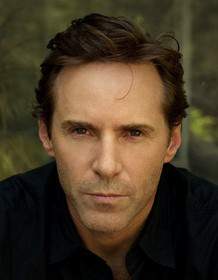
Alessandro Nivola
Liam
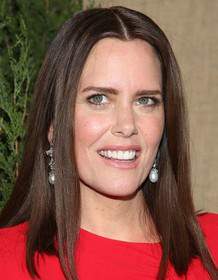
Ione Skye
Abernathy

Vincent Kartheiser
Tark

Melanie Griffith
Kathy

Brooke Smith
Annabel

Cheyenne Jackson
Phil

Eddie Izzard
Dag
Laurene Landon
Ann Malone
Bellamy Young
Rebecca
Josh Stamberg
Josh
Bonnie Burroughs
Rachel
Myndy Crist
Jen
Matt Letscher
Jason
Christa B. Allen
Charlie
Libby Mintz
Casting Associate
Alexia Landeau
Mia Roarke
Michael Medico
Billy
Liz Carey
Jesse
External Links and Streaming Options
Discover where to watch Day Out of Days online, including streaming platforms, rental options, and official sources. Compare reviews, ratings, and in-depth movie information across sites like IMDb, TMDb, Wikipedia or Rotten Tomatoes.





Take the Ultimate Day Out of Days Movie Quiz
Challenge your knowledge of Day Out of Days with this fun and interactive movie quiz. Test yourself on key plot points, iconic characters, hidden details, and memorable moments to see how well you really know the film.
Day Out of Days Quiz: Test your knowledge of the 2015 film *Day Out of Days* with these ten questions ranging from easy to challenging.
What is the name of the actress who is the main character of the film?
Full Plot Summary and Ending Explained for Day Out of Days
Read the complete plot summary of Day Out of Days, including all major events, twists, and the full ending explained in detail. Explore key characters, themes, hidden meanings, and everything you need to understand the story from beginning to end.
Mia Roarke, Alexia Landeau, is an actress who climbs to a personal and professional high after starring in the period piece Wild Sunset and getting engaged to her co-star, Liam Alessandro Nivola. The celebration feels bright and earned, yet the passage of ten years has brought weathered edges: a divorce from Liam and a career that refuses to settle into easy predictability. The world that once seemed shiny and certain now flickers with the harsher truths of show business, where every audition can be a wound and every reputation a fragile shell waiting to crack.
Her agent pushes her toward fresh opportunities, and Mia lands an audition that jolts her back into the strange, paradoxical space between possibility and vulnerability. In a hotel room, director Dag Eddie Izzard tries to push the moment into a drug-fueled edge, urging her to take coke and even forcing her into the bathroom to shower. The encounter is unsettling, a sharp reminder that the entertainment industry can blur consent with coercion, glamour with control. When Mia leaves the hotel, she runs into Liam again, the man who once loved her and now treads a complicated line between affection and distance. He drives her home, and their exchange is tender in its own way, complicated by the fact that their engagement to a model named Elle is stated but not guaranteed—an echo of the unsettled future that shadows both of them.
Back in the neighborhood, Mia’s world expands with the presence of Charlie Riley, Mia’s neighbor and friend, depicted as Charlotte “Charlie” Riley. Christa B. Allen steps into this role, and the two women share a sense of camaraderie punctuated by ambition and the pressure to stay relevant. Charlie books a pilot and helps curate an audition for Mia to play the mother to Charlie’s character, a role that would anchor Mia once more in a demanding, high-stakes narrative. The possibility feels thrilling—until it doesn’t. The casting process becomes a mirror that reflects Mia’s insecurities and the shifting sands of who gets to define a successful comeback.
Meanwhile, Jen, Mia’s friend, Myndy Crist enters the frame as someone who tries to support Mia by setting her up with a recovering alcoholic who cleans pools. The encounter is awkward and bristling, and the man’s blunt insult—suggesting Mia isn’t as attractive as she once was—lands with a sting that digs past the surface and into the question of self-worth in a career that prizes youth and novelty. These social stumbles contribute to Mia’s growing sense that the old privileges she once enjoyed have dissolved, replaced by a more careful, perilous balance of image, opportunity, and inner resolve.
The tug-of-war with professional control culminates on the set of a zombie thriller, where the production’s demands collide with Mia’s instincts. On the reshoots, Tark, played by Vincent Kartheiser, becomes a particular source of friction as Mia debates how to shoot a car crash scene. The director’s approach feels invasive and dismissive of Mia’s perspective, and he uses personal digs about her life and romance to undermine her. After a clash that leaves her humiliated, she ultimately yields to his direction, choosing to perform the scene his way in order to salvage the moment and keep her career moving forward. It’s a stark illustration of how performance can require a compromise between personal truth and professional necessity.
The day’s emotional toll continues through dinner with her mother, Kathy, a former manager who still keeps pictures of Mia and Liam around her apartment. Melanie Griffith embodies a figure who represents both pride and pressure, someone who knows the ups and downs of a girl who grew up in front of cameras and is now navigating the tougher terrain of adulthood in the spotlight. After a day of drinking, Mia dials Liam and they meet at a bar. Warmth flickers at first, then becomes a composite of nostalgia and fragility as Mia misreads his warmth and attempts a kiss that is captured on camera and posted online. The clip becomes a public humiliation, and while some insist the notoriety could help her career, Mia feels exposed and vulnerable in a way that cuts deeper than any audition room.
Yet within this bruising cycle lies a surprising pivot. The horror project with Tark tests well, and the studio expresses an appetite for sequels that would extend Mia’s influence and grant her directorial input over the continuations. The promise of creative control arrives like a lifeline—a chance to steer the narrative, to redefine her public identity, and to demonstrate that she can shape the very genre that has long defined how others see her. In moments of celebration and ambition, Mia holds on to the possibility that she can transform notoriety into art, power, and personal sovereignty.
As the plot threads tighten, Mia makes strategic decisions about what to keep and what to let go. She returns to the pawn shop to retrieve some jewelry she pawned when money grew tight, a small act that symbolizes a wish to reclaim pieces of her past. She contemplates reclaiming her engagement ring from Liam but ultimately chooses not to, acknowledging that some commitments have shifted beyond repair or return. The final stretch of the day culminates in a chance encounter: stepping out of the pawn shop, Mia collides with a man she does not recognize, a driver she once knew on the set of her film with Tark. He recognizes her in a way that unsettles her but also hints at a persistent, eerie link between the life she narrates on screen and the life she actually leads off camera.
This is a story of ascent and abrasion, where success feels both exhilarating and perilous. It is about the way one woman negotiates a crowded industry that constantly tests the boundaries between desire, art, fame, and self-preservation. The film follows Mia as she navigates private longing and public performance, the temptations of instant validation, and the stubborn, often painful, insistence on remaining true to oneself even when the spotlight is blinding. In moments of vulnerability, resilience, and sharp wit, she discovers that the path back to prominence is not a straight line but a negotiation—one that demands courage, cunning, and a willingness to redefine what it means to be seen.
Overall, this narrative crafts a nuanced portrait of a career on a tightrope, balancing personal history, professional ambition, and the evolving meaning of success in an industry that never stops watching. The film expands a familiar arc into a layered exploration of ambition, consent, agency, and the ongoing quest to reclaim one’s voice in a world that always wants to hear more, even when it asks for less.

Coming soon on iOS and Android
The Plot Explained Mobile App
From blockbusters to hidden gems — dive into movie stories anytime, anywhere. Save your favorites, discover plots faster, and never miss a twist again.
Sign up to be the first to know when we launch. Your email stays private — always.
Explore the mobile appDiscover Film Music Concerts Near You – Live Orchestras Performing Iconic Movie Soundtracks
Immerse yourself in the magic of cinema with live orchestral performances of your favorite film scores. From sweeping Hollywood blockbusters and animated classics to epic fantasy soundtracks, our curated listings connect you to upcoming film music events worldwide.
Explore concert film screenings paired with full orchestra concerts, read detailed event information, and secure your tickets for unforgettable evenings celebrating legendary composers like John Williams, Hans Zimmer, and more.


Day Out of Days Other Names and Titles
Explore the various alternative titles, translations, and other names used for Day Out of Days across different regions and languages. Understand how the film is marketed and recognized worldwide.
Quick Links: Summary, Cast, Ratings, More

What's After the Movie?
Not sure whether to stay after the credits? Find out!
Check out our other apps:

SAT Sphere
Build confidence for the Digital SAT.

Mori Atlas
Discover wild places worth protecting.

Luntero
Search smarter for a home in Amsterdam.

Plot Explained
Unravel movie endings and hidden clues.

Pokechamp
Dive into Pokémon data and battle logic.

Driving Theory
Get ready for your European theory test.

Movie Dust
Plan your next cinema trip with ease.

Musemap
Find art and culture as you travel.

Selkobase
Compare credentials before committing.

Local Manual
Turn an unfamiliar country into practical next steps.

Lernavi
Compare school systems before your next move.

GymRoam
Find a workout stop wherever your plans take you.
Explore Our Movie Platform
New Movie Releases (2026)
Famous Movie Actors
Top Film Production Studios
Movie Plot Summaries & Endings
Major Movie Awards & Winners
Best Concert Films & Music Documentaries
Movie Collections and Curated Lists
© 2026 What's After the Movie. All rights reserved.
Privacy Policy