Day of Wrath 1943


In early‑17th‑century Denmark, Anne—daughter of a woman once deemed a witch—feels compassion for Marte, an elderly neighbor charged with witchcraft. Her husband, Pastor Absalon, once rescued Anne’s mother but now, pressured by his domineering mother, refuses to aid Marte. As Absalon’s son returns, attracted to Anne, the family’s tragic fate looms.


Does Day of Wrath have end credit scenes?
No!
Day of Wrath does not have end credit scenes. You can leave when the credits roll.
Meet the Full Cast and Actors of Day of Wrath
Explore the complete cast of Day of Wrath, including both lead and supporting actors. Learn who plays each character, discover their past roles and achievements, and find out what makes this ensemble cast stand out in the world of film and television.

Olaf Ussing
Laurentius (uncredited)
Preben Neergaard
Degn (uncredited)
Preben Lerdorff Rye
Martin, Absalon's Son from First Marriage (uncredited)
Thorkild Roose
Rev. Absalon Pederssøn (uncredited)
Lisbeth Movin
Anne Pedersdotter, Absalon's Second Wife (uncredited)
Kirsten Andreasen
(uncredited)
Emilie Nielsen
(uncredited)
Anna Svierkier
Herlofs Marte (uncredited)
Sigrid Neiiendam
Merete, Absalon's Mother (uncredited)
Albert Høeberg
The Bishop (uncredited)
Sigurd Berg
(uncredited)
Harald Holst
(uncredited)
Emanuel Jørgensen
(uncredited)
Sophie Knudsen
(uncredited)
Hans Christian Sørensen
(uncredited)
Dagmar Wildenbrück
(uncredited)
External Links and Streaming Options
Discover where to watch Day of Wrath online, including streaming platforms, rental options, and official sources. Compare reviews, ratings, and in-depth movie information across sites like IMDb, TMDb, Wikipedia or Letterboxd.




Full Plot Summary and Ending Explained for Day of Wrath
Read the complete plot summary of Day of Wrath, including all major events, twists, and the full ending explained in detail. Explore key characters, themes, hidden meanings, and everything you need to understand the story from beginning to end.
In a Danish village set in 1623, an old woman known as Herlof’s Marte Dagmar Wildenbrück stands accused of witchcraft, casting a shadow over the tight-knit community. In the same household, Anne Pedersdotter Lisbeth Movin is married to the aging pastor Absalon Pederssøn Thorkild Roose, a man deeply entangled in the village’s witchcraft trials, and they share a home with his strict mother, Meret Sigrid Neiiendam. Meret disapproves of Anne—young, vibrant, and a constant reminder of the past that her son’s marriage has unsettled. Anne, compared in age to Absalon’s first-born son, Martin Preben Lerdorff Rye, lives under a watchful, sometimes icy gaze, and the atmosphere within the house is charged with unspoken tension.
Anne offers refuge to Herlof’s Marte within the family’s walls, but the safety is fragile. Marte is soon discovered in the house, though there are questions about whether she had help or managed to hide herself without assistance. Marte holds a dangerous memory: Anne’s mother, who had also faced witchcraft accusations, was spared only because Absalon intervened, a choice that blindsides Anne with the realization of his power over life and death. Marte hints at a history where Absalon’s influence could reshape destinies, and Anne becomes increasingly intrigued by the old ways of fear and control.
When Martin returns from abroad, the dynamics shift abruptly. He and Anne are drawn to one another, and their attraction unsettles the already delicate balance at home. Anne longs for genuine affection, believing Absalon may not share the same depth of feeling for her, while Meret’s suspicions about Anne’s intentions begin to mount. The affair quietly takes root, and Meret’s watchful eyes miss nothing; even a quiet moment—Anne’s laughter in Martin’s company—triggers a storm of doubt in Absalon, who regrets marrying Anne without fully understanding her wishes and happiness.
The tension rises as Marte is tortured and, under coercion, confesses to witchcraft, including a claim of wishing harm upon others. Her desperate plea to Absalon intensifies: he must rescue her as he once saved Anne’s mother. Marte pleads a second time but refuses to betray Absalon’s secret, and she is executed by burning with the villagers looking on. Absalon bears the weight of guilt for having saved Anne’s mother while letting Marte face the flames, a guilt that gnaws at him as the trial and its consequences ripple through the lives around him.
As the couple’s bond precariously tightens, Anne and Martin grow closer in secret. Meret’s suspicion deepens into outright distrust of Anne’s true character, while Absalon’s internal conflict grows louder—he recognizes the cost of his early interventions and the loneliness of a marriage built on practical protection rather than shared desire. A violent storm erupts when Absalon is away visiting a dying parishioner, Laurentius, who had been cursed by Marte during her interrogation and is fated to die soon. Marte’s foretelling casts a long shadow over Laurentius’s fate and over the fate of everyone who has touched her accusations.
Back in the house, Anne and Martin discuss their uncertain future, and she reluctantly admits that she has wished her husband dead, though only conditionally—an admission that unsettles the room but does not yet seal their fate. On his return, Absalon feels as if he stands at the threshold of death itself, a moment of almost tangible dread:
like the touching of Death itself.
The confession moment follows quickly: Anne reveals her love for Martin and admits she wishes Absalon dead. Absalon collapses and dies, uttering Martin’s name as life slips away. The next morning, Martin is plagued by doubt and fear about what his passion might have cost. Anne insists she had nothing to do with her husband’s death, perceiving it as providential relief from her unhappiness and the chance to pursue a different life.
At Absalon’s funeral, Meret denounces Anne as a witch, and the confrontation intensifies. Anne denies the accusation, but Martin sides with his grandmother, turning his back on his former ally. In a final, devastating confession, Anne admits on her husband’s open coffin that she murdered him and, with the Devil’s dubious help, ensnared his son in a dangerous fate. With those final revelations, her future feels sealed, and the story closes on a note of inexorable consequence, leaving the village to ponder the limits of power, love, guilt, and the price of safeguarding one’s own happiness.

Coming soon on iOS and Android
The Plot Explained Mobile App
From blockbusters to hidden gems — dive into movie stories anytime, anywhere. Save your favorites, discover plots faster, and never miss a twist again.
Sign up to be the first to know when we launch. Your email stays private — always.
Explore the mobile appWatch Trailers, Clips & Behind-the-Scenes for Day of Wrath
Watch official trailers, exclusive clips, cast interviews, and behind-the-scenes footage from Day of Wrath. Dive deeper into the making of the film, its standout moments, and key production insights.
Day of Wrath Themes and Keywords
Discover the central themes, ideas, and keywords that define the movie’s story, tone, and message. Analyze the film’s deeper meanings, genre influences, and recurring concepts.
Day of Wrath Other Names and Titles
Explore the various alternative titles, translations, and other names used for Day of Wrath across different regions and languages. Understand how the film is marketed and recognized worldwide.
Similar Movies To Day of Wrath You Should Know About
Browse a curated list of movies similar in genre, tone, characters, or story structure. Discover new titles like the one you're watching, perfect for fans of related plots, vibes, or cinematic styles.




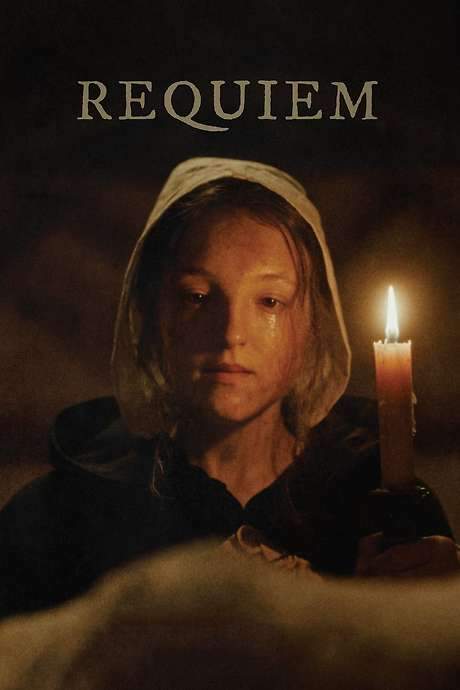

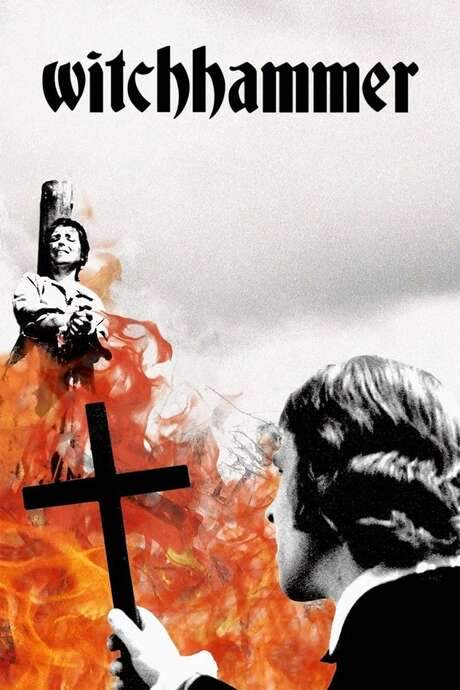
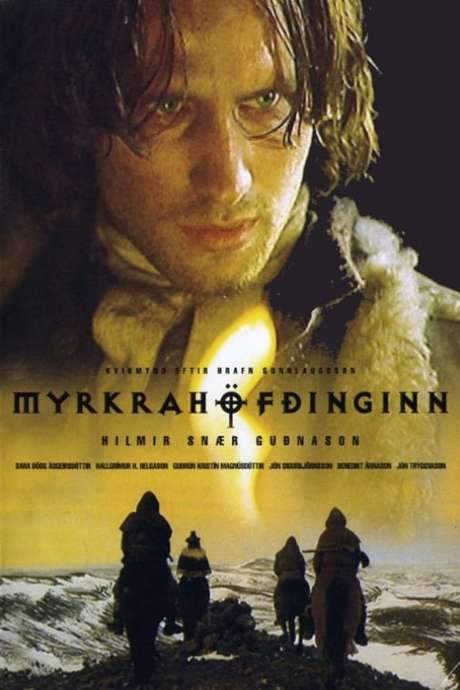

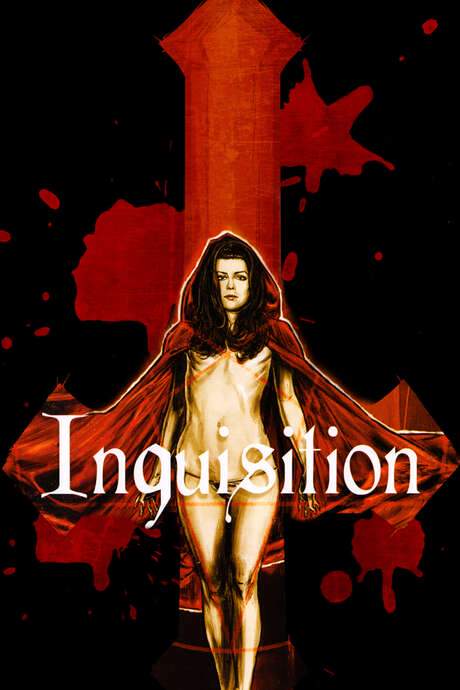


Quick Links: Summary, Cast, Ratings, More

What's After the Movie?
Not sure whether to stay after the credits? Find out!
Check out our other apps:

SAT Sphere
Build confidence for the Digital SAT.

Mori Atlas
Discover wild places worth protecting.

Luntero
Search smarter for a home in Amsterdam.

Plot Explained
Unravel movie endings and hidden clues.

Pokechamp
Dive into Pokémon data and battle logic.

Driving Theory
Get ready for your European theory test.

Movie Dust
Plan your next cinema trip with ease.

Musemap
Find art and culture as you travel.

Selkobase
Compare credentials before committing.

Local Manual
Turn an unfamiliar country into practical next steps.

Lernavi
Compare school systems before your next move.

GymRoam
Find a workout stop wherever your plans take you.
Explore Our Movie Platform
New Movie Releases (2026)
Famous Movie Actors
Top Film Production Studios
Movie Plot Summaries & Endings
Major Movie Awards & Winners
Best Concert Films & Music Documentaries
Movie Collections and Curated Lists
© 2026 What's After the Movie. All rights reserved.
Privacy Policy