Court 2015

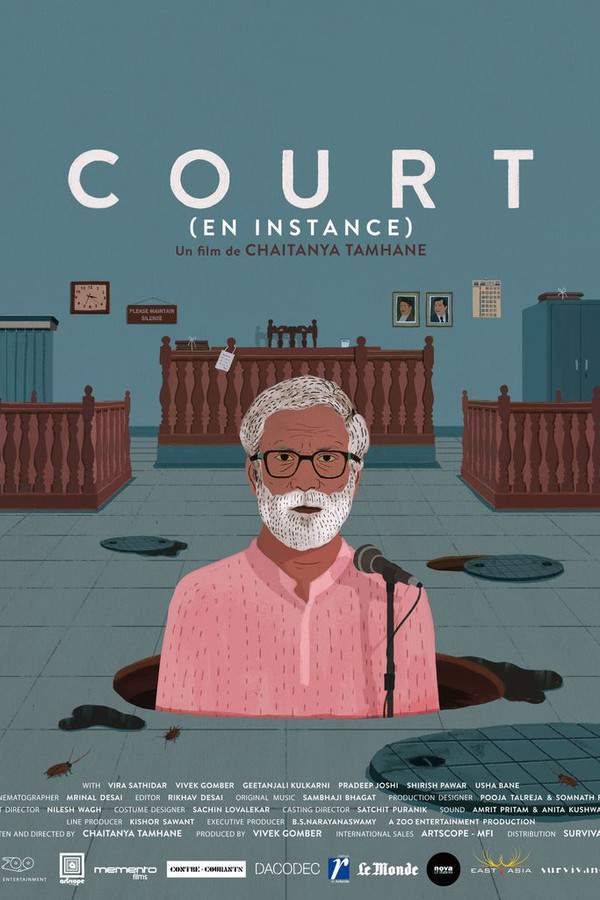
A celebrated folk singer and activist, known as the "people's poet," finds himself facing seemingly ridiculous charges following the death of a sewage worker. His trial becomes a chaotic and unsettling display of bureaucratic inefficiency, marked by questionable witnesses, frustrating legal delays, and a complex legal system that favors outdated colonial laws over human understanding and fairness. The proceedings highlight the struggles of navigating a rigid system seemingly indifferent to justice.


Does Court have end credit scenes?
No!
Court does not have end credit scenes. You can leave when the credits roll.
Where to Watch Court
See current US streaming, rental, and purchase options for Court (2015) via JustWatch.






Meet the Full Cast and Actors of Court
Explore the complete cast of Court, including both lead and supporting actors. Learn who plays each character, discover their past roles and achievements, and find out what makes this ensemble cast stand out in the world of film and television.
No actors found
External Links and Streaming Options
Discover where to watch Court online, including streaming platforms, rental options, and official sources. Compare reviews, ratings, and in-depth movie information across sites like IMDb, TMDb, Wikipedia or Rotten Tomatoes.








Ratings and Reviews for Court
See how Court is rated across major platforms like IMDb, Metacritic, and TMDb. Compare audience scores and critic reviews to understand where Court stands among top-rated movies in its genre.

83
Metascore
8.9
User Score


98%
TOMATOMETER

79%
User Score

7.6 /10
IMDb Rating

68
%
User Score

3.9
From 75 fan ratings
Take the Ultimate Court Movie Quiz
Challenge your knowledge of Court with this fun and interactive movie quiz. Test yourself on key plot points, iconic characters, hidden details, and memorable moments to see how well you really know the film.
Court (2015) Quiz: Test your knowledge of the key plot points, characters, and legal details from the 2015 film "Court".
Who is the teacher, social activist, and protest singer at the center of the trial?
Full Plot Summary and Ending Explained for Court
Read the complete plot summary of Court, including all major events, twists, and the full ending explained in detail. Explore key characters, themes, hidden meanings, and everything you need to understand the story from beginning to end.
Narayan Kamble, a teacher, social activist and protest singer, finds himself swept up in a legal battle after being arrested on the charge of prompting Vasudev Pawar, a manhole worker, to commit suicide. The prosecution asserts that Pawar, who allegedly heard one of Kamble’s protest songs, was driven to end his life. In court, Kamble maintains that while he has sung many songs about suicide, he cannot recall whether any were performed on the day of Pawar’s death, and he denies any intention to provoke self-harm in others. A witness steps forward claiming to have seen the manhole worker singing Kamble’s song, adding to the tension surrounding the case.
In the following hearing, the investigating officer introduces a new angle, linking Kamble to an incarcerated man, Ashwin Bhagat, through a letter that accuses them of plotting illegal activity in the city. Kamble’s lawyer, Vinay Vora, explains that Bhagat had asked Kamble to look after his ailing mother while Bhagat was behind bars. The public prosecutor, Nutan, reveals that Kamble possessed two banned books—the first on Yoga and the second a critique of certain rituals of the Goyamari sect. The tension between defense and state authorities grows when Vora is beaten by members of the Goyamaris. Meanwhile, Pawar’s widow testifies that her husband worked without safety gear, lost an eye from exposure to poisonous sewer gases, and was also an alcoholic, though she denies any discussion of suicide or any prior mention of Kamble. The autopsy report is read aloud, indicating Pawar died from respiratory failure due to inhalation of hydrogen sulfide, with no signs of self-harm, and the testimony of the initial witness is criticized as that of a stock witness who has appeared in multiple other cases.
Despite Kamble’s deteriorating health and the lack of decisive evidence, the court grants bail set at ₹100,000 (about US$1,200), which Vora pays on Kamble’s behalf. However, Kamble is soon arrested again, this time on charges of conducting seditious camps under the cover of folk-artist workshops, and he is remanded to police custody. Kamble maintains that the charges and the accompanying evidence are fabricated, and Vora pleads for a reconsideration due to the severity of Kamble’s health condition; the judge instructs Kamble to appeal to the High Court. The film closes with a striking domestic vignette: the judge is shown enjoying a holiday with his family, but a playful disruption by children awakens him, and he reacts with a sharp slap, leaving the audience to ponder the fragile line between authority, responsibility, and human frailty.

Coming soon on iOS and Android
The Plot Explained Mobile App
From blockbusters to hidden gems — dive into movie stories anytime, anywhere. Save your favorites, discover plots faster, and never miss a twist again.
Sign up to be the first to know when we launch. Your email stays private — always.
Explore the mobile appWatch Trailers, Clips & Behind-the-Scenes for Court
Watch official trailers, exclusive clips, cast interviews, and behind-the-scenes footage from Court. Dive deeper into the making of the film, its standout moments, and key production insights.
Court Themes and Keywords
Discover the central themes, ideas, and keywords that define the movie’s story, tone, and message. Analyze the film’s deeper meanings, genre influences, and recurring concepts.
Court Other Names and Titles
Explore the various alternative titles, translations, and other names used for Court across different regions and languages. Understand how the film is marketed and recognized worldwide.
Similar Movies To Court You Should Know About
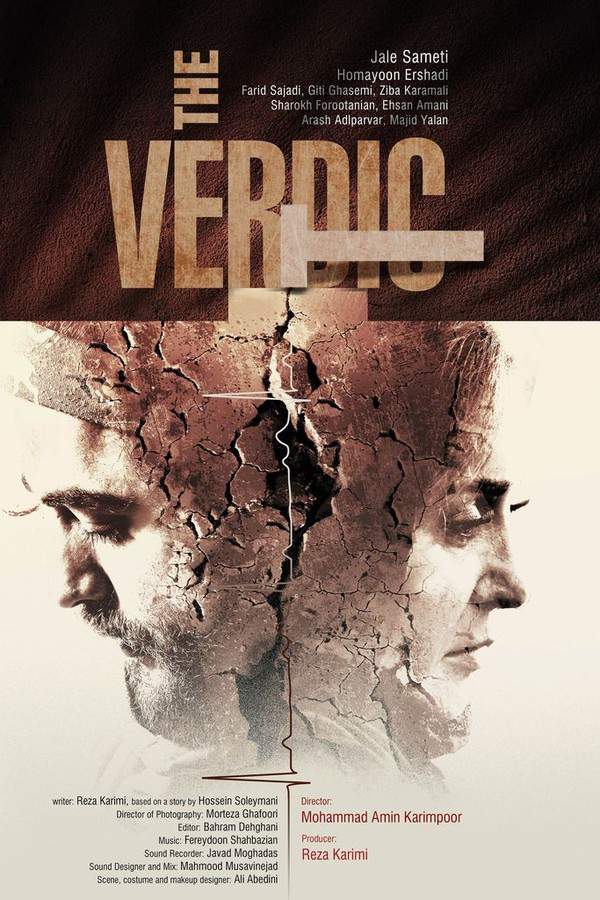
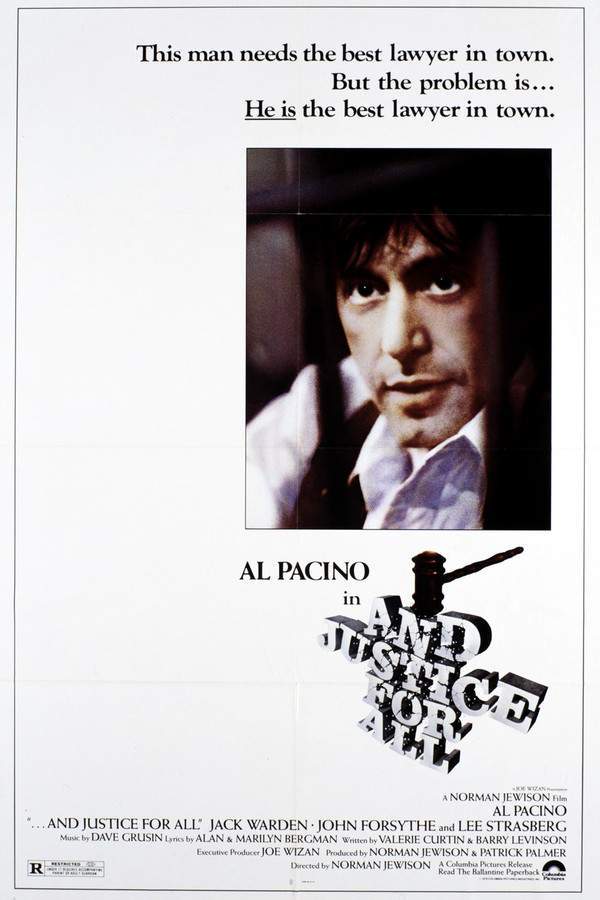
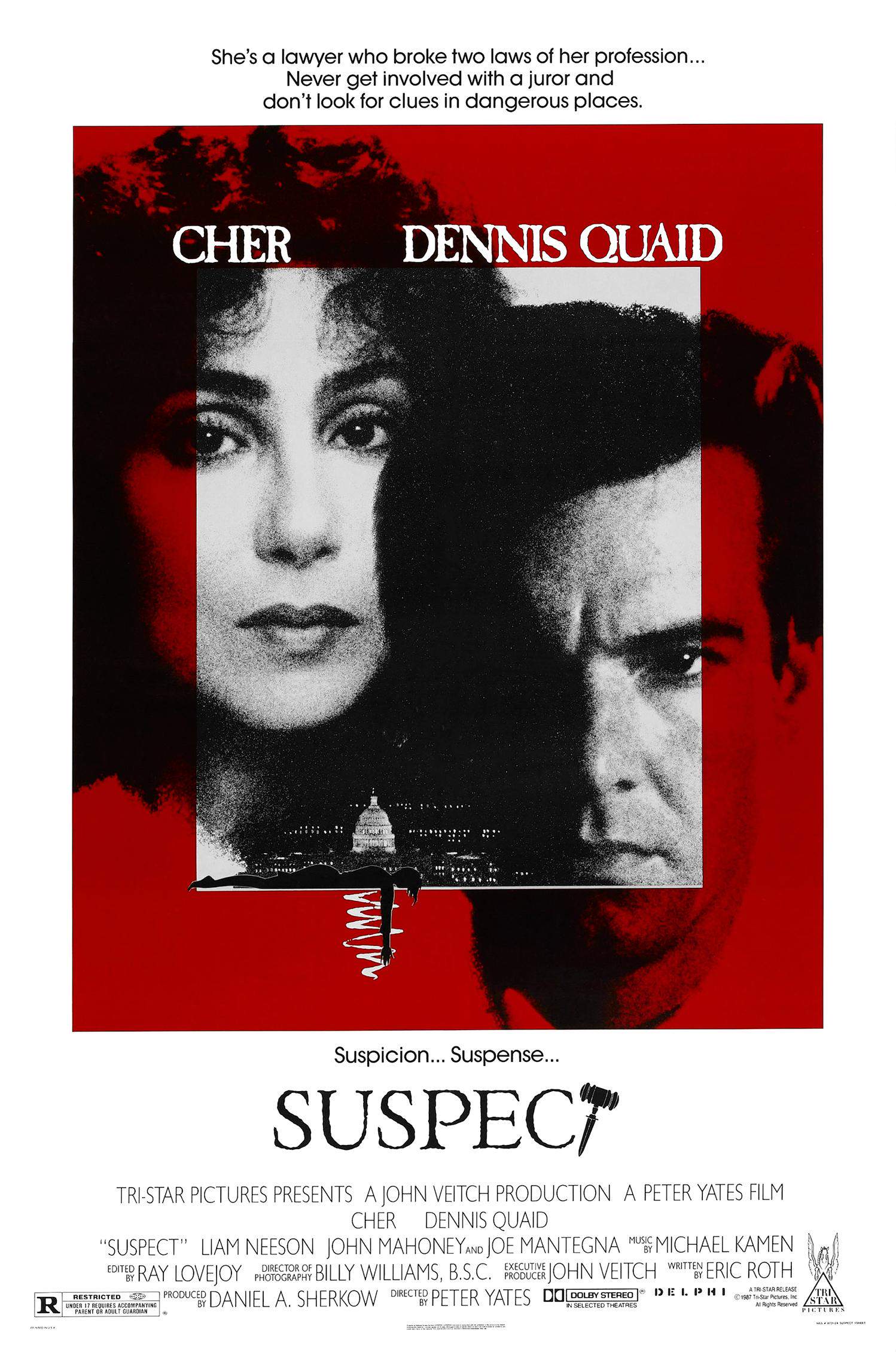
Browse a curated list of movies similar in genre, tone, characters, or story structure. Discover new titles like the one you're watching, perfect for fans of related plots, vibes, or cinematic styles.


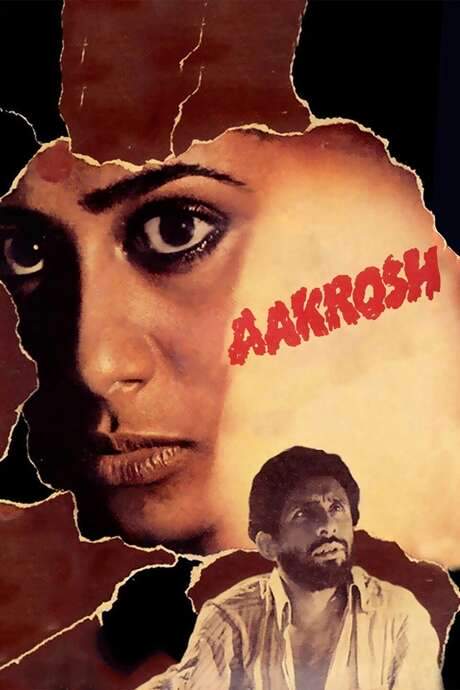

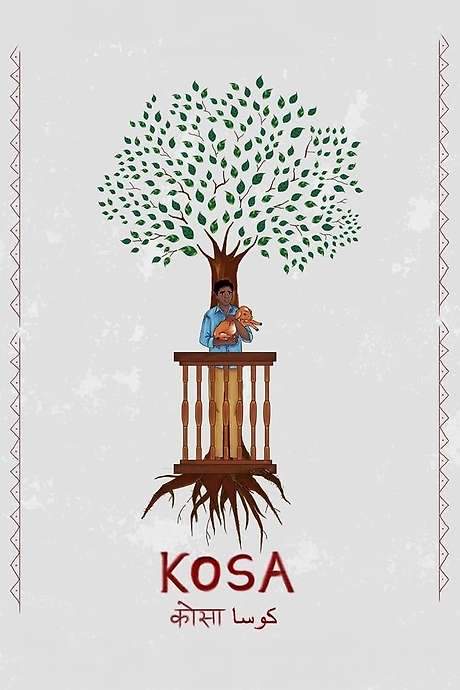


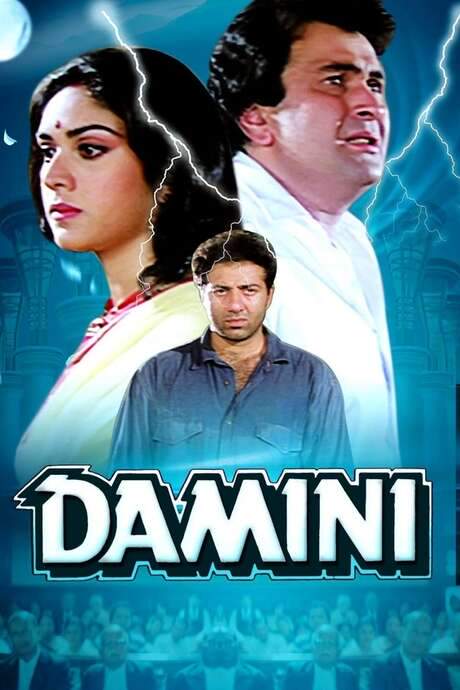
Quick Links: Summary, Cast, Ratings, More

What's After the Movie?
Not sure whether to stay after the credits? Find out!
Check out our other apps:

SAT Sphere
Build confidence for the Digital SAT.

Mori Atlas
Discover wild places worth protecting.

Luntero
Search smarter for a home in Amsterdam.

Plot Explained
Unravel movie endings and hidden clues.

Pokechamp
Dive into Pokémon data and battle logic.

Driving Theory
Get ready for your European theory test.

Movie Dust
Plan your next cinema trip with ease.

Musemap
Find art and culture as you travel.

Selkobase
Compare credentials before committing.

Local Manual
Turn an unfamiliar country into practical next steps.

Lernavi
Compare school systems before your next move.

GymRoam
Find a workout stop wherever your plans take you.
Explore Our Movie Platform
New Movie Releases (2026)
Famous Movie Actors
Top Film Production Studios
Movie Plot Summaries & Endings
Major Movie Awards & Winners
Best Concert Films & Music Documentaries
Movie Collections and Curated Lists
© 2026 What's After the Movie. All rights reserved.
Privacy Policy