Cop au Vin 1985


Unorthodox detective Jean Lavardin is called to a provincial French town after a prank turns deadly.



Does Cop au Vin have end credit scenes?
No!
Cop au Vin does not have end credit scenes. You can leave when the credits roll.
Meet the Full Cast and Actors of Cop au Vin
Explore the complete cast of Cop au Vin, including both lead and supporting actors. Learn who plays each character, discover their past roles and achievements, and find out what makes this ensemble cast stand out in the world of film and television.

Stéphane Audran
Madame Cuno
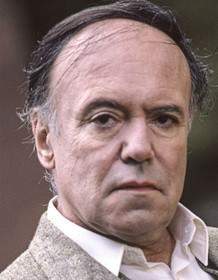
Jean Topart
Docteur Philippe Morasseau

Michel Bouquet
Hubert Lavoisier
Andrée Tainsy
Marthe
Caroline Cellier
Anna Foscarie
Jacques Frantz
Alexandre Duteil
Albert Dray
André, le Barman
Dominique Zardi
Henri Rieutord, Chef de Poste
Henri Attal
L'Employé de la Morgue
Jean Poiret
Inspecteur Jean Lavardin
Jean-Claude Bouillaud
Gérard Filiol
Jean-Marie Arnoux
Le Client du Café
Josephine Chaplin
Delphine Moreasseau
Pauline Lafont
Henriette
Marcel Guy
Le Maître d'Hôtel
External Links and Streaming Options
Discover where to watch Cop au Vin online, including streaming platforms, rental options, and official sources. Compare reviews, ratings, and in-depth movie information across sites like IMDb, TMDb, Wikipedia or Letterboxd.




Full Plot Summary and Ending Explained for Cop au Vin
Read the complete plot summary of Cop au Vin, including all major events, twists, and the full ending explained in detail. Explore key characters, themes, hidden meanings, and everything you need to understand the story from beginning to end.
In a quiet, small town in France, Louis Lucas Belvaux lives in a large, tumbledown house he tends for his disabled, eccentric mother. By day he works as the town’s postman, delivering letters with a steady, unassuming rhythm. His mother, Madame Cuno Stéphane Audran, remains a formidable presence in the home, insisting on routine and control, while Louis tries to balance her care with his own fragile independence. The house becomes a battleground as three local power players—the lawyer Lavoisier Michel Bouquet, the doctor Morasseau Jean Topart, and the butcher Filiol Jean-Claude Bouillaud—band together to buy and redevelop the property. They operate as a syndicate, pushing offers that Louis and his mother resolutely refuse, insisting on staying where they are despite mounting pressure and constant harassment.
Louis and Madame Cuno endure a steady drumbeat of intimidation from this unpleasant trio, who use every influence they have to chip away at their resistance. Henriette Pauline Lafont, the post office clerk, and others in town notice the growing tension, yet Louis clings to his routines—going about his duties as a postman by day and shielding his mother by night from the relentless pressure of those who would see the house disappear. The harassment escalates until one night Filiol becomes especially obnoxious, and Louis takes a retaliatory step that will set off a dangerous chain of events: he pours sugar into Filiol’s car tank, hoping perhaps to slow down the predatory ambitions surrounding the house.
The resulting accident kills Filiol and draws in Inspecteur Lavardin Jean Poiret. Lavardin is no-nonsense and unafraid to use coercive methods in pursuit of truth, including rough interrogations that verge on waterboarding. As the case unfolds, it becomes clear that the Connexion between the three powerful men runs deeper than simple greed. Lavoisier has a mistress, Anna Foscarie Caroline Cellier, who is close with Morasseau’s wife, Delphine Moreasseau Josephine Chaplin. Women linked to each corner of the doctor’s and lawyer’s lives begin to vanish, tipping the investigation into a darker, more intricate territory than Lavardin initially anticipated.
As Lavardin digs deeper, he uncovers a web of financial motive: Anna’s money becomes the central resource the syndicate hoped to leverage for their plans. A turning point arrives when a plaster cast of a nude Delphine is installed in Morasseau’s garden, and within the base Lavardin discovers Delphine’s body. The revelation reframes the entire case, indicating that Delphine’s disappearance was tied to the money and the hidden loyalties around the Morasseau household. The detective pieces together how the money, not emotion, drove the scheme, and how the syndicate miscalculated the consequences of their pursuit.
In the aftermath, the motive is laid bare: the syndicate’s plan hinged on exploiting Delphine’s resources and removing obstacles, including Delphine herself, who had intended to start a new life with a lover rather than be a tool in their financial scheme. The discovery of Delphine’s body inside the plaster cast in Morasseau’s garden crystallizes Lavardin’s understanding of the danger that surrounded Louis and his mother, forcing all players to confront the moral and legal costs of their ambition.
Yet amid the violence and deception, there are small, human moments that temper the tension. Henriette’s persistence gradually earns Louis’s trust, and the two begin to bridge the gap between his ailing mother’s demands and his own yearning for connection. The case reaches its quiet, uneasy close as Lavardin asserts that he will forget about the sugar incident, choosing to move forward with the knowledge he has gained rather than let vengeance define the town’s future. The story leaves a haunted, reflective note on loyalty, aging, and the fragile sanctity of a person’s home in the face of ruthless, calculating greed.

Coming soon on iOS and Android
The Plot Explained Mobile App
From blockbusters to hidden gems — dive into movie stories anytime, anywhere. Save your favorites, discover plots faster, and never miss a twist again.
Sign up to be the first to know when we launch. Your email stays private — always.
Explore the mobile appDiscover Film Music Concerts Near You – Live Orchestras Performing Iconic Movie Soundtracks
Immerse yourself in the magic of cinema with live orchestral performances of your favorite film scores. From sweeping Hollywood blockbusters and animated classics to epic fantasy soundtracks, our curated listings connect you to upcoming film music events worldwide.
Explore concert film screenings paired with full orchestra concerts, read detailed event information, and secure your tickets for unforgettable evenings celebrating legendary composers like John Williams, Hans Zimmer, and more.


Cop au Vin Themes and Keywords
Discover the central themes, ideas, and keywords that define the movie’s story, tone, and message. Analyze the film’s deeper meanings, genre influences, and recurring concepts.
Cop au Vin Other Names and Titles
Explore the various alternative titles, translations, and other names used for Cop au Vin across different regions and languages. Understand how the film is marketed and recognized worldwide.
Similar Movies To Cop au Vin You Should Know About
Browse a curated list of movies similar in genre, tone, characters, or story structure. Discover new titles like the one you're watching, perfect for fans of related plots, vibes, or cinematic styles.





Quick Links: Summary, Cast, Ratings, More

What's After the Movie?
Not sure whether to stay after the credits? Find out!
Check out our other apps:

SAT Sphere
Build confidence for the Digital SAT.

Mori Atlas
Discover wild places worth protecting.

Luntero
Search smarter for a home in Amsterdam.

Plot Explained
Unravel movie endings and hidden clues.

Pokechamp
Dive into Pokémon data and battle logic.

Driving Theory
Get ready for your European theory test.

Movie Dust
Plan your next cinema trip with ease.

Musemap
Find art and culture as you travel.

Selkobase
Compare credentials before committing.

Local Manual
Turn an unfamiliar country into practical next steps.

Lernavi
Compare school systems before your next move.

GymRoam
Find a workout stop wherever your plans take you.
Explore Our Movie Platform
New Movie Releases (2026)
Famous Movie Actors
Top Film Production Studios
Movie Plot Summaries & Endings
Major Movie Awards & Winners
Best Concert Films & Music Documentaries
Movie Collections and Curated Lists
© 2026 What's After the Movie. All rights reserved.
Privacy Policy