Come to the Stable 1949


A heartfelt comedy that fills the viewer with joy. Two nuns arrive unannounced in the quaint New England town of Bethlehem and rally the eccentric locals to raise funds and construct a children’s hospital. Their enthusiastic recruitment brings together an eclectic cast of townspeople, creating a warm, feel‑good story of community spirit and laughter.


Does Come to the Stable have end credit scenes?
No!
Come to the Stable does not have end credit scenes. You can leave when the credits roll.
Meet the Full Cast and Actors of Come to the Stable
Explore the complete cast of Come to the Stable, including both lead and supporting actors. Learn who plays each character, discover their past roles and achievements, and find out what makes this ensemble cast stand out in the world of film and television.
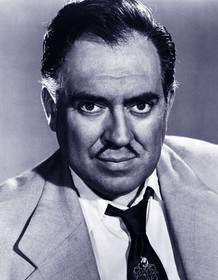
Thomas Gomez
Luigi Rossi
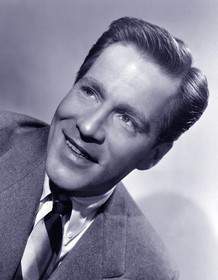
Hugh Marlowe
Robert Masen

Wally Brown
Howard Sheldon (uncredited)

Elsa Lanchester
Amelia Potts

Loretta Young
Sister Margaret
Gordon Gebert
Willie Matthews (uncredited)
Mike Mazurki
Sam
Ian Macdonald
Mr. Matthews (uncredited)
Celeste Holm
Sister Scholastica
Basil Ruysdael
The Bishop
Nan Boardman
Nun (uncredited)
Regis Toomey
Monsignor Talbot
Walter Baldwin
Claude Jarman (uncredited)
Gary Pagett
Johnnie Matthews (uncredited)
John Bleifer
Rosey (uncredited)
Marion Martin
Rossi's Manicurist (uncredited)
Eula Guy
Mrs. O'Connor (uncredited)
Robert Foulk
New York City Policeman (uncredited)
Louis Jean Heydt
Al Newman (uncredited)
Frank Richards
Lefty (uncredited)
Dorothy Patrick
Kitty
Virginia Keiley
Mrs. Townsend-Cooper (uncredited)
Nolan Leary
Bethlehem Station Master (uncredited)
Edwin Max
Whitey (uncredited)
Dooley Wilson
Anthony James
Pati Behrs
Nun (uncredited)
Russ Clark
Policeman (uncredited)
Louise Colombet
Nun (uncredited)
Teddy Driver
Cherub (uncredited)
Danny Jackson
George (Jarman's Assistant) (uncredited)
Henri Letondal
Father Barraud (uncredited)
Roddy McCaskill
Cherub (uncredited)
Jean Prescott
Mrs. Matthews (uncredited)
Yvette Reynard
Nun (uncredited)
Loulette Sablon
Nun (uncredited)
External Links and Streaming Options
Discover where to watch Come to the Stable online, including streaming platforms, rental options, and official sources. Compare reviews, ratings, and in-depth movie information across sites like IMDb, TMDb, Wikipedia or Letterboxd.





Take the Ultimate Come to the Stable Movie Quiz
Challenge your knowledge of Come to the Stable with this fun and interactive movie quiz. Test yourself on key plot points, iconic characters, hidden details, and memorable moments to see how well you really know the film.
Come to the Stable (1949) Quiz: Test your knowledge of the 1949 film Come to the Stable.
Which actress portrayed Sister Margaret in the film?
Full Plot Summary and Ending Explained for Come to the Stable
Read the complete plot summary of Come to the Stable, including all major events, twists, and the full ending explained in detail. Explore key characters, themes, hidden meanings, and everything you need to understand the story from beginning to end.
On a cold winter night in the small New England town of Bethlehem, two French sisters arrive with a mission and a sense of quiet resolve. Sister Margaret Loretta Young and Sister Scholastica Celeste Holm introduce themselves as humble visitors bearing a vow: to build a hospital for children in need. Their story begins with a memory from war-torn Normandy, where Margaret led a children’s hospital that faced the constant threat of shelling. Although the hospital was spared, the act came at a price in lives, and Margaret’s vow to God was clear: return to America and establish a place of care for children who could not be evacuated.
The sisters’ plan is guided by a belief in signs and art. Amelia Potts Elsa Lanchester is a painter who creates religious pictures, and her work becomes the anchor for the hospital project. The sisters are drawn to a hill in Bethlehem that appears in one of Potts’ paintings, suggested as a fitting site for the future institution. To seal the chance, they travel to New York to seek the land from Luigi Rossi Thomas Gomez, a wealthy man who runs a bookmaker operation and who guards his property with marked caution. The visit is tense but revealing: Rossi has suffered a personal loss—the death of his son in action near the hospital they hope to build—and his initial stance is protective, almost practical. Yet the sisters’ sincerity — and a shared moment of compassion when they learn of his loss — moves him. He agrees that the land could be theirs if they place a stained-glass window in the future hospital in memory of his son, a gesture that ties his grief to the project’s hopeful mission.
Back in Bethlehem, the sisters receive help from a local ally: Bob Masen Hugh Marlowe, a composer who lives nearby and serves as their neighbor and landlord. Bob’s world is filled with music, and his life takes an abrupt turn as he learns more about the sisters’ vow and their plans. He is joined by Kitty Blaine Dorothy Patrick, his girlfriend, who becomes part of the town’s circle of people touched by the sisters’ steadfast faith. The sisters’ resolve is not a solitary effort; it draws in the community, including the Bishop, who offers a small monetary gift but cannot commit to supporting the full project at the outset. The Bishop’s role is paired with Monsignor Talbot Regis Toomey in guiding the town’s religious authorities as the plan unfolds.
To move the project forward, the sisters secure a temporary shelter: a former witch-hazel bottling plant situated opposite Rossi’s property. They obtain a three-month option for $5,000, hoping to demonstrate that the site can host the hospital while fundraising continues. But the bishop soon uncovers a snag—the mortgage on the purchase is $25,000, far beyond the available funds. Undeterred, the sisters rely on a surge of support from France. Eleven more sisters and a chaplain arrive, summoned by the sisters after their initial success, and the bishop, recognizing perhaps a force greater than money, relents. They can stay for the option period with one condition: they must raise the extra funds within that time.
The town’s atmosphere shifts as people rally to the cause. Bob returns from Hollywood with Kitty and three house guests, and a produce-and-arts sale is organized in Miss Potts’ yard to raise money. The real estate possibility intensifies as Bob contemplates the purchase of other parcels to block the sisters’ efforts, while the sisters move forward with their plans for the bottling plant. A moment of cultural tension arises when a hymn sung by the sisters echoes the tune of Bob’s new song. A guest, Al Newman, a music critic played by Louis Jean Heydt, identifies the melody as a 1,200-year-old Gregorian chant, challenging Bob’s memory and the broader question of originality. Bob swears the tune came from a memory of his time in France, but the discovery binds the project more tightly to tradition and history.
As the days shorten, more practical concerns come to the surface. The sisters accidentally drive a stake through Bob’s waterline, and the gushing water is interpreted by some as a sign of divine approval. Bob’s attempts to keep the bottling plant out of the sisters’ hands intensify, while social games and bets continue—the sisters, led by the tireless Sister Scholastica, who is a former tennis champion, accept a wager to help Alma beat a rival pair in a doubles match. Yet the outcome is not the defining part of the moment; what matters is the sense that every action, even a game, is part of a larger movement toward helping children and affirming faith through practical aid.
Throughout these events, the siblings’ mission intersects with the town’s religious leadership. The bishop, the monsignor, and the local community weigh the moral and practical implications of such a project, testing whether the dream of a hospital could become a shared, lived reality. The sisters’ Mother House in Normandy, revealed in a quiet conversation with Bob, connects past loyalties to future commitments, and Bob experiences a personal transformation as he contemplates his own role in their journey. He begins to realize that prayer and action can coexist with art and music, and the film uses these moments to explore how personal histories inform collective acts of giving.
As the deadline on the option nears, funds still fall short by a narrow margin. On the eve of the lapse, it becomes clear that the town’s faith, along with the sisters’ perseverance, must carry the day. The final act of generosity comes from a convergence of faith, art, and community spirit rather than a single, dramatic gesture. The sisters’ dream remains alive because of the support they’ve gathered, culminating in a decision to centralize their efforts around the temporary home for the hospital of St. Jude. The closing scene brings together Bob, Kitty, Anthony James Dooley Wilson, Miss Potts, Mr. Rossi Thomas Gomez, and the bishop, who all attend the dedication. It is a quiet, hopeful moment—less about triumph and more about steadfast faith, shared labor, and the belief that compassion can turn a fragile plan into a thriving, living place for children in need.
In the end, the film celebrates community, art, and faith working in concert. The hospital project becomes a beacon of how remembrance, healing, and help can grow from partnership across differences. The story’s warmth comes not from grand gestures alone but from the ongoing, patient effort of ordinary people—neighbors, sisters, artists, clerics, and a composer—who choose to turn a vision into a tangible, lasting gift.

Coming soon on iOS and Android
The Plot Explained Mobile App
From blockbusters to hidden gems — dive into movie stories anytime, anywhere. Save your favorites, discover plots faster, and never miss a twist again.
Sign up to be the first to know when we launch. Your email stays private — always.
Explore the mobile appDiscover Film Music Concerts Near You – Live Orchestras Performing Iconic Movie Soundtracks
Immerse yourself in the magic of cinema with live orchestral performances of your favorite film scores. From sweeping Hollywood blockbusters and animated classics to epic fantasy soundtracks, our curated listings connect you to upcoming film music events worldwide.
Explore concert film screenings paired with full orchestra concerts, read detailed event information, and secure your tickets for unforgettable evenings celebrating legendary composers like John Williams, Hans Zimmer, and more.


Cars Featured in Come to the Stable
Explore all cars featured in Come to the Stable, including their makes, models, scenes they appear in, and their significance to the plot. A must-read for car enthusiasts and movie buffs alike.
Come to the Stable Themes and Keywords
Discover the central themes, ideas, and keywords that define the movie’s story, tone, and message. Analyze the film’s deeper meanings, genre influences, and recurring concepts.
Come to the Stable Other Names and Titles
Explore the various alternative titles, translations, and other names used for Come to the Stable across different regions and languages. Understand how the film is marketed and recognized worldwide.
Similar Movies To Come to the Stable You Should Know About
Browse a curated list of movies similar in genre, tone, characters, or story structure. Discover new titles like the one you're watching, perfect for fans of related plots, vibes, or cinematic styles.



Quick Links: Summary, Cast, Ratings, More

What's After the Movie?
Not sure whether to stay after the credits? Find out!
Check out our other apps:

SAT Sphere
Build confidence for the Digital SAT.

Mori Atlas
Discover wild places worth protecting.

Luntero
Search smarter for a home in Amsterdam.

Plot Explained
Unravel movie endings and hidden clues.

Pokechamp
Dive into Pokémon data and battle logic.

Driving Theory
Get ready for your European theory test.

Movie Dust
Plan your next cinema trip with ease.

Musemap
Find art and culture as you travel.

Selkobase
Compare credentials before committing.

Local Manual
Turn an unfamiliar country into practical next steps.

Lernavi
Compare school systems before your next move.

GymRoam
Find a workout stop wherever your plans take you.
Explore Our Movie Platform
New Movie Releases (2026)
Famous Movie Actors
Top Film Production Studios
Movie Plot Summaries & Endings
Major Movie Awards & Winners
Best Concert Films & Music Documentaries
Movie Collections and Curated Lists
© 2026 What's After the Movie. All rights reserved.
Privacy Policy