Bye Bye Brazil 1980


Rejecting television, they leave the coast and venture into the Amazon. The Caravana Rolidei arrives, with the Gypsy Lord presenting magic tricks, Salomé’s sensual dance, and the mute Swallow’s strength feats. An enamored accordionist asks to join; the Lord agrees, and the musician and his pregnant wife, Dasdô, become part of the troupe.


Does Bye Bye Brazil have end credit scenes?
No!
Bye Bye Brazil does not have end credit scenes. You can leave when the credits roll.
Where to Watch Bye Bye Brazil
See current US streaming, rental, and purchase options for Bye Bye Brazil (1980) via JustWatch.

Film Movement Plus
HD
Film Movement Plus Amazon Channel
HD
MUBI
HD
MUBI Amazon Channel
HD
Kanopy
HD
Amazon Video
SD
Apple TV Store
HD
Fandango At Home
SD
Google Play Movies
SD
Plex
HD
YouTube
SD Streaming availability powered by 
Meet the Full Cast and Actors of Bye Bye Brazil
Explore the complete cast of Bye Bye Brazil, including both lead and supporting actors. Learn who plays each character, discover their past roles and achievements, and find out what makes this ensemble cast stand out in the world of film and television.

Oscar Reis
Leão-de-Chácara
José Wilker
Lorde Cigano
José María Lima
Assistente
Marieta Severo
Assistente Social
Betty Faria
Salomé
Fábio Júnior
Ciço
Cleodon Gondin
Freguês
Marcus Vinícius
Empresário
Jofre Soares
Zé da Luz
Emmanuel Cavalcanti
Prefeito
Rodolfo Arena
Lavrador
Carlos Kroeber
Caminhoneiro
Catalina Bonakie
Viúva
Zaira Zambelli
Dasdô
Príncipe Nabor
Andorinha
José Márcio Passos
Assessor
Aderbal Junior
Carlos Lagoeíro
Sertanejos
Rinaldo Gines
Cacique
Walter Bandeira
Cantor
José Carlos Lacerda
Rodomoço
External Links and Streaming Options
Discover where to watch Bye Bye Brazil online, including streaming platforms, rental options, and official sources. Compare reviews, ratings, and in-depth movie information across sites like IMDb, TMDb, Wikipedia or JustWatch.






Take the Ultimate Bye Bye Brazil Movie Quiz
Challenge your knowledge of Bye Bye Brazil with this fun and interactive movie quiz. Test yourself on key plot points, iconic characters, hidden details, and memorable moments to see how well you really know the film.
Bye Bye Brazil (1980) Quiz: Test your knowledge of the characters, events, and themes from the Brazilian road‑movie "Bye Bye Brazil" (1980).
Who is the leader of the traveling troupe known as the Holiday Caravan?
Full Plot Summary and Ending Explained for Bye Bye Brazil
Read the complete plot summary of Bye Bye Brazil, including all major events, twists, and the full ending explained in detail. Explore key characters, themes, hidden meanings, and everything you need to understand the story from beginning to end.
The Caravana Rolidei, or the Holiday Caravan, is a traveling show built around a trio of core performers plus a couple who join along the way: the enigmatic Lorde Cigano (the Gypsy Lord) leads the troupe, alongside the alluring Salomé, the exotic dancer, and the mute strongman Andorinha. They haul a battered van through the riverine landscapes along the São Francisco, stopping in small towns to dazzle locals with a mix of tricks, music, and spectacle. The caravan moves from one quiet roadside stop to the next, weaving a shadowy thread of possibility through every dusty road and fading storefront. Their performances feel less like a planned show and more like a living, roaming piece of theater that travels where opportunity calls.
As the caravan rolls into another town, a local accordion player, Ciço, begs Lorde Cigano to let him join the troupe. The request is simple, yet it carries a deeper longing for belonging and a chance to ply a trade that feels more honest than the side gigs in the towns they’ve left behind. Lorde Cigano grants the request, and Ciço joins the caravan along with his pregnant wife, Dasdô. The addition of Ciço and Dasdô sweetens the group’s dynamic, adding a sense of domestic stakes to the nomadic lifestyle. Together, the five performers set out in search of new audiences, hoping that the next stop offers a break from the lean years and a chance to build something steadier, even if just for a moment.
Their journey leads them first to Maceió, where they yearn for the ocean and the promise of better prospects. Yet the sea and the city’s allure fail to translate into real business for the caravan. The lack of reliable income underscores how fragile their enterprise is, and they press on, determined to find a place where their art can be monetized. The next town presents a very different scene: a public gathering where the locals are fixated on a brand-new invention—television. In an effort to keep control of the audience, Lorde Cigano tries to persuade the crowd to divert their attention, but the plan misfires. Salomé orchestrates a dramatic fake explosion of the TV by overloading a circuit breaker, effectively sabotaging the device. The ruse backfires, and the townspeople, feeling deceived or dispossessed, force them to leave. The moment exposes the caravan’s vulnerability and the permanent tension between spectacle and consent.
A gas station stop soon after brings more personal drama into the mix. [Andorinha] wrestles a truck driver in a money-raising bet, losing repeatedly but revealing a stubborn, stubbornly optimistic belief in a brighter place. After one defeat, he confides that he has come from Altamira, which he paints as a modern-day El Dorado where riches flow and money is easy to spend. The idea of Altamira becomes a beacon, a places-based myth that drives the caravan forward, even as the concrete world around them remains stubborn and uncertain.
Driving into a small town, they hear from another traveling performer who screens films that Altamira is facing drought and poverty. The performer explains that, while the residents have little cash, a film screening serves as a social event where people trade food, drink, and possessions for a night’s entertainment. As sunset approaches, Ciço enters Salomé’s tent with desire in his eyes, and Salomé responds by activating her record player for a private moment. Dasdô witnesses the encounter, and while she is visibly displeased, her reaction is restrained, a sign of the strained, complicated balance inside the caravan. Lorde Cigano, seemingly unfazed by the personal tensions, resolves that the group must press on toward Altamira, drawn by the promise of a more thriving audience.
The caravan’s road trip takes an abrupt turn when Dasdô goes into labor. The journey through dense jungle and a long, straight dirt road becomes a backdrop for new life as Dasdô gives birth beside the vehicle. A group of indigenous people they encounter asks for a ride to Altamira, and the caravan negotiates a price to help them reach their destination. The decision marks a rare moment of humanitarian exchange amid the caravan’s constant bargaining and shifting loyalties. They accept the indigenous travelers, hoping the extra load and new relationships might help stabilize their fortunes in the long run.
Arriving in Altamira, the city reveals itself to be a place far more developed than the troupe anticipated. In a bid to earn money, Lorde Cigano sets up a competition: [Andorinha] wrestles another strongman, and the caravan bets their truck on the outcome. The bet goes against them, and without their transport, they are stranded in the rapidly modernizing town. In a desperate bid to recoup funds, Salomé temporarily sells her services, and the crew uses the money to press on. The arrangement underscores the moral compromises that arrive with a life lived on the road, as well as the uneasy reliance on each other’s strengths to survive.
That night, [Andorinha] leaves the group, and Lorde Cigano leads a sexual encounter with Dasdô. The next morning, Salomé returns with money she has acquired, and a tense exchange unfolds. Lorde Cigano allocates the cash, telling Ciço to depart with Dasdô. Ciço refuses to abandon his wife and their unborn child, and a grim realization dawns that the caravan’s ethics are increasingly bending under the weight of survival. Ciço’s decision to stay prompts a stark choice: the pair are pushed toward a whorehouse, with Ciço mustering the courage to inform his wife of the plan, even as he grapples with the consequences.
In the next town, a man shows interest in Dasdô, but Ciço intervenes, pushing the suitor away. Salomé, returning to the scene, ends up taking the man to bed, while Ciço resolves to join Dasdô on a bus to Brasília, seeking a fresh start away from the caravan’s volatile dynamics. The following morning, Ciço stands outside their hotel room and declares he will not go to Brasília; instead, he confesses his enduring love for Salomé. This confession crystallizes the rift within the group and the personal costs of their nomadic life.
The tension finally erupts when Lorde Cigano, pushed to the edge, delivers a brutal blow to Ciço, knocking him out and forcing him onto the same bus that carries their dreams and their fractured family forward. Ciço and Dasdô end up in Brasília, distant from the caravan’s glitzy myths but not from the hope or fear their choices have stirred in them. Time passes, and Ciço and Dasdô perform on a modest stage in a small club, their child playing in a band nearby. The world outside the club’s walls fades in and out as a loudspeaker announces a new, more modern Caravana Rolidey—an updated, neon-lit dream car driven by Salomé with Lorde Cigano as the co-pilot. The vision promises a chance to reclaim their place in the story, to bring civilization to inland places that have never seen such marvels. Ciço and Dasdô watch, torn between reunion and the hard-won truth they’ve discovered, and Ciço declines the invitation to rejoin. The film closes with a gaze toward the highway, where the caravan’s lights fade into the distance, and the two lovers continue to carve out a life in Brasília, separate from the glittering promise of the road.
The ending lingers on the tension between spectacle and consequence, between the lure of a grand, wandering dream and the grounded, sometimes painful realities of the people who live it. Throughout, the caravan remains a mobile microcosm of desire, risk, and resilience, a moving stage where loyalty is tested, love is negotiated, and the impulse to keep going—no matter the costs—continues to pull the players toward new horizons.

Coming soon on iOS and Android
The Plot Explained Mobile App
From blockbusters to hidden gems — dive into movie stories anytime, anywhere. Save your favorites, discover plots faster, and never miss a twist again.
Sign up to be the first to know when we launch. Your email stays private — always.
Explore the mobile appDiscover Film Music Concerts Near You – Live Orchestras Performing Iconic Movie Soundtracks
Immerse yourself in the magic of cinema with live orchestral performances of your favorite film scores. From sweeping Hollywood blockbusters and animated classics to epic fantasy soundtracks, our curated listings connect you to upcoming film music events worldwide.
Explore concert film screenings paired with full orchestra concerts, read detailed event information, and secure your tickets for unforgettable evenings celebrating legendary composers like John Williams, Hans Zimmer, and more.


Cars Featured in Bye Bye Brazil
Explore all cars featured in Bye Bye Brazil, including their makes, models, scenes they appear in, and their significance to the plot. A must-read for car enthusiasts and movie buffs alike.
Bye Bye Brazil Themes and Keywords
Discover the central themes, ideas, and keywords that define the movie’s story, tone, and message. Analyze the film’s deeper meanings, genre influences, and recurring concepts.
Bye Bye Brazil Other Names and Titles
Explore the various alternative titles, translations, and other names used for Bye Bye Brazil across different regions and languages. Understand how the film is marketed and recognized worldwide.
Similar Movies To Bye Bye Brazil You Should Know About
Browse a curated list of movies similar in genre, tone, characters, or story structure. Discover new titles like the one you're watching, perfect for fans of related plots, vibes, or cinematic styles.
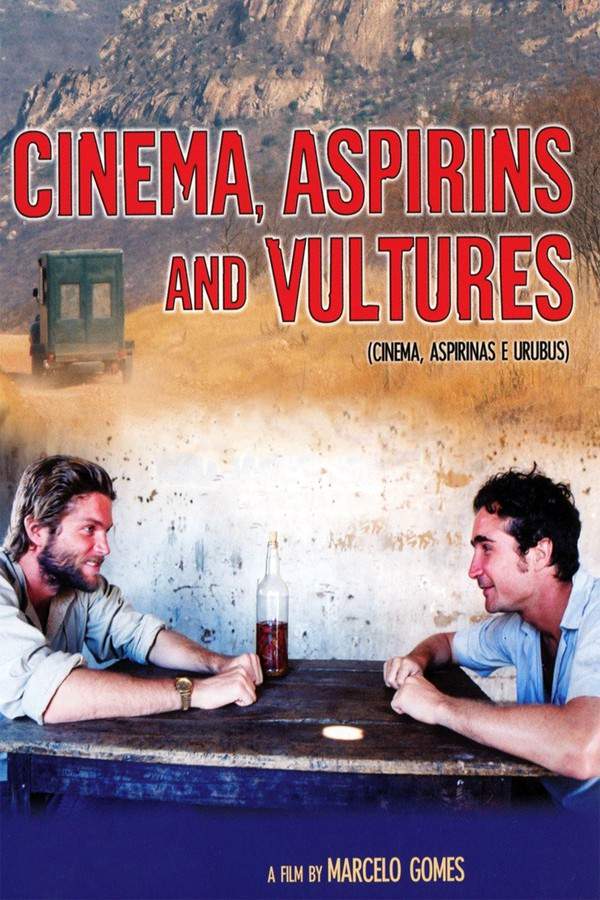

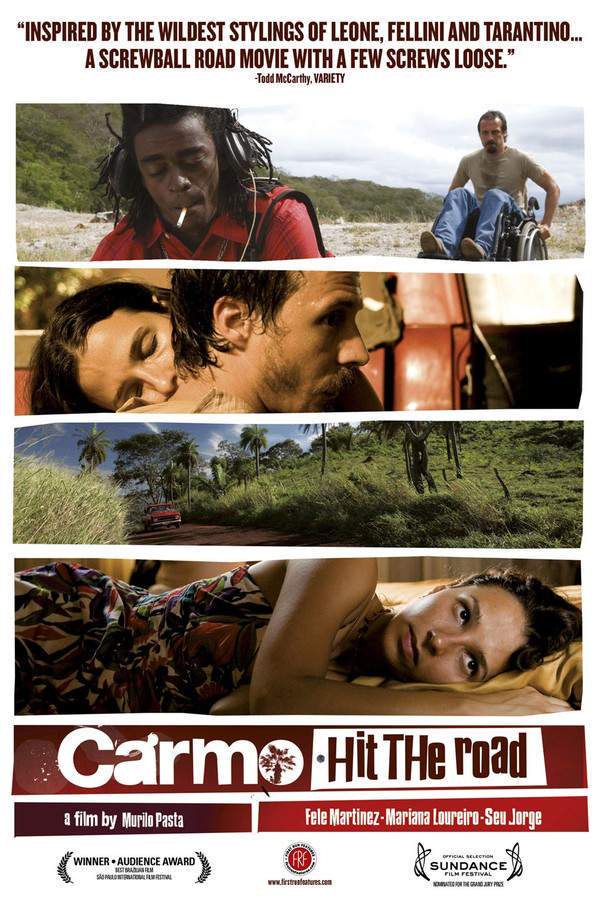
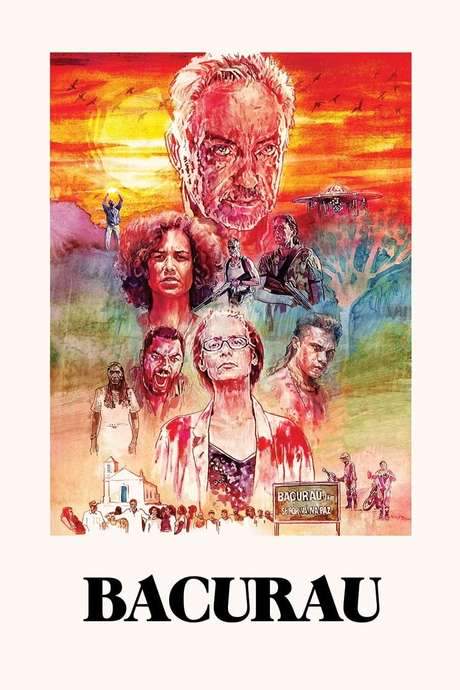




Quick Links: Summary, Cast, Ratings, More

What's After the Movie?
Not sure whether to stay after the credits? Find out!
Check out our other apps:

SAT Sphere
Build confidence for the Digital SAT.

Mori Atlas
Discover wild places worth protecting.

Luntero
Search smarter for a home in Amsterdam.

Plot Explained
Unravel movie endings and hidden clues.

Pokechamp
Dive into Pokémon data and battle logic.

Driving Theory
Get ready for your European theory test.

Movie Dust
Plan your next cinema trip with ease.

Musemap
Find art and culture as you travel.

Selkobase
Compare credentials before committing.

Local Manual
Turn an unfamiliar country into practical next steps.

Lernavi
Compare school systems before your next move.

GymRoam
Find a workout stop wherever your plans take you.
Explore Our Movie Platform
New Movie Releases (2026)
Famous Movie Actors
Top Film Production Studios
Movie Plot Summaries & Endings
Major Movie Awards & Winners
Best Concert Films & Music Documentaries
Movie Collections and Curated Lists
© 2026 What's After the Movie. All rights reserved.
Privacy Policy