Buddy’s Song 1991


Buddy is an aspiring teenager who is a very good musician and has pressure to go further than his Dad’s teddy boy rocker days…


Does Buddy’s Song have end credit scenes?
No!
Buddy’s Song does not have end credit scenes. You can leave when the credits roll.
Meet the Full Cast and Actors of Buddy’s Song
Explore the complete cast of Buddy’s Song, including both lead and supporting actors. Learn who plays each character, discover their past roles and achievements, and find out what makes this ensemble cast stand out in the world of film and television.

Douglas Hodge
Bobby Rosen

Julia Sawalha
Kelly

Roger Daltrey
Terry Clark
Lee Ross
Jason
Paul McKenzie
Julius
Michael Elphick
Des
James Aubrey
Adrian
Alan Ford
Phil
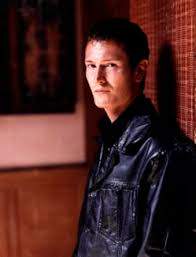
Nick Moran
Mike
Billy Murray
Harry
Brian Mitchell
Doctor
Marc Anwar
Donald
Chesney Hawkes
Buddy Clark
Emma Amos
Dawn
Gabrielle Glaister
Anthea
Jim McManus
Detective
Roger Blake
Car Dealer
Midge Taylor
Garage Owner
Ed Devereaux
Bookie
Sharon Duce
Carol
Colin Peel
Glenn
Liza Walker
Elaine
Barbara New
Mrs Wilson
Sandy Ford
Paul
Paul Raffield
Music Shop Manager
Raymond Butcher
Kid in Record Shop
Alan Flockhart
Singer
Phil Lucy
Phil
Steven Mann
Guy
Beresford Le Roy
Record Shop Manager
External Links and Streaming Options
Discover where to watch Buddy’s Song online, including streaming platforms, rental options, and official sources. Compare reviews, ratings, and in-depth movie information across sites like IMDb, TMDb, Wikipedia or Rotten Tomatoes.






Take the Ultimate Buddy’s Song Movie Quiz
Challenge your knowledge of Buddy’s Song with this fun and interactive movie quiz. Test yourself on key plot points, iconic characters, hidden details, and memorable moments to see how well you really know the film.
Buddy’s Song Quiz: Test your knowledge of the 1991 film Buddy’s Song by answering these ten mixed‑difficulty questions.
Which actor portrays Buddy Clark in the film?
Full Plot Summary and Ending Explained for Buddy’s Song
Read the complete plot summary of Buddy’s Song, including all major events, twists, and the full ending explained in detail. Explore key characters, themes, hidden meanings, and everything you need to understand the story from beginning to end.
Buddy Clark, [Chesney Hawkes], and his father, Terry Clark, [Roger Daltrey], head to a hotel to catch a live rock ’n’ roll show that sets the stage for a headlong dive into music, family, and ambition. In the car park, Des King, [Michael Elphick], approaches with an offer that feels too easy: he’ll pay Terry to stash a briefcase in his car, a move Buddy immediately suspects contains stolen jewellery. The sudden arrival of Buddy’s mother, Carol, [Sharon Duce], only thickens the tension as Buddy tries to coax his estranged parents into talking.
A quick shuffle of loyalties follows: Buddy slips the jewellery back into Des’s Jaguar, and Terry worries the authorities will zero in on Des’s car first. The moment the police catch him in the act, the charges land hard, and Terry ends up in prison. During the long days behind bars, Buddy fills his free time with guitar practice and polishing his father’s car, while Des King keeps reappearing in their lives, offering Carol an envelop of cash that she refuses to take.
From prison, Buddy visits his father and, in his conversations with friend Julius, notices how his mother’s relationship with her boss has become more complicated. He records a tape of himself playing the guitar for his dad, hinting at a future in music, even as Carol urges him to stay focused on school. Two weeks after Terry’s release on parole, Des King returns the favor with a lift home, and the two discover that Des has had Terry’s house redecorated and supplied with cash that Carol initially rejected. The turning point arrives as Carol moves back in and the couple’s quarrels flare anew.
With renewed energy, Terry buys an electric guitar, an amplifier, a keyboard, and even a camcorder, birthing a plan to advertise weddings through filmed memories. He resigns from his bookmaker job and begins working for Des King at the breakers yard, channeling his energy into a new family project. Terry also arranges for Buddy to perform with a band of middle-aged men called the Hi-Tones, who recently lost their singer; their wedding-reception gigs become the platform where the story’s momentum starts to surge.
A party at Carol’s office introduces Adrian Mandell, [James Aubrey], a key figure in the backdrop of the family’s evolving life, and the encounter sparks a fresh wave of conflict at home. As Terry’s personal and professional lines blur, his presence becomes a source of friction, and the tension between Buddy’s loyalty to his father and his mother’s world escalates. When Terry leaves that party, Carol’s anger lingers, and the family’s rhythm shifts once more.
Terry moves into a caravan at the breakers yard, a space that becomes the nerve center for Buddy’s rising ambitions. Julius discovers a band called the Hurt, and Buddy appears with them at the milk depot, while Julius steps up as their manager and tambourine player. Buddy then joins Glenn the milkman, along with Mike and Jason, and the band starts to take shape under a new managerial banner. They take to a Teddy Boy pub to perform with the Hi-Tones, and during this time a small romance blooms when Terry meets a young woman named Dawn, a moment that triggers a fight after he unplugs the jukebox. Dawn’s presence shifts the dynamic, and Terry and the band, with Dawn, drive off in the van.
In the aftermath, Buddy and his crew navigate a complex path of relationships and ambitions. Dawn’s influence and the band’s growing confidence push they toward more serious opportunities, with Terry advising the Hurt backstage to press him into the role of manager so they can secure a record deal, even if Jules fears a lack of formal contracts could bite them later. The band agrees, and their first real test as a Terry-led unit becomes a debut at the Manhattan Club, where a faulty sound system threatens to derail the night. Terry lands a studio session and a grueling fourteen-gigs-in-fourteen-days tour, while he acknowledges his complicated feelings for Dawn without promising a future.
On the road, the truth about the band’s identity surfaces: Terry has renamed the Hurt to the Wild Ones, a decision born from his dislike of the original name. Buddy returns home briefly and discovers Elaine, finding Glenn with her that upsets him; Glenn apologizes, and Buddy forgives him, though he decides not to rekindle his relationship with Elaine. Band practice then centers on the tensions and reconciliations that come with rapid success, while the Hi-Tones appear at youth clubs, and the Hurt’s rising profile grows in the background.
Back at the breakers yard, a pivotal moment arrives when Terry films a music video for the band’s single Nothing Serious and hands the tape to the video editor, Donald, to be dubbed and cut. Dawn’s note left on the caravan door—“Get stuffed”—and the sounds of Des being attacked pull Terry back into danger, and he is stabbed while defending him. Buddy rushes to the hospital, where his mother joins him to support Terry. In the wake of the incident, Julius temporarily replaces Terry, and Kelly, [Julia Sawalha], the girl Buddy fancies, pushes to get Nothing Serious into shops and radio, and to secure radio requests that could boost their profile.
Recovering, Terry reaches out to Bobby Rosen, [Douglas Hodge], at Mammoth Records. The label loves the music and the video, and soon the men head to the studio to record. Bobby drops a harsh truth: the band will have to change their name and proceed without Terry because of his inexperience and criminal record. Buddy’s father urges him to sign with Mammoth, and the rest of the group follows suit, while Terry pivots toward concentrating on the videos with Donald. Julius underscores that, if Terry had them under contract previously, the money would have flowed differently, inspiring Terry to dream up a new venture: a video studio named Video King.
At the opening ceremony for Video King, Buddy invites his parents to a celebratory meal, and Carol suggests an Italian restaurant, choosing to go with Kelly along for company. The film ends on a high note as Terry arrives at the restaurant in a stylish flourish, signaling a future where the family’s music, film, and ambition remain intertwined even as it all continues to evolve.

Coming soon on iOS and Android
The Plot Explained Mobile App
From blockbusters to hidden gems — dive into movie stories anytime, anywhere. Save your favorites, discover plots faster, and never miss a twist again.
Sign up to be the first to know when we launch. Your email stays private — always.
Explore the mobile appWatch Trailers, Clips & Behind-the-Scenes for Buddy’s Song
Watch official trailers, exclusive clips, cast interviews, and behind-the-scenes footage from Buddy’s Song. Dive deeper into the making of the film, its standout moments, and key production insights.
Cars Featured in Buddy’s Song
Explore all cars featured in Buddy’s Song, including their makes, models, scenes they appear in, and their significance to the plot. A must-read for car enthusiasts and movie buffs alike.
Buddy’s Song Themes and Keywords
Discover the central themes, ideas, and keywords that define the movie’s story, tone, and message. Analyze the film’s deeper meanings, genre influences, and recurring concepts.

Unlock the World of Movies with Our Comprehensive Wiki
Dive into our Movie Wiki for in-depth film encyclopedia entries, including cast biographies, production trivia, plot synopses, behind-the-scenes facts, and thematic analyses. Whether you’re researching iconic directors, exploring genre histories, or discovering hidden easter eggs, our expertly curated movie database has everything you need to fuel your cinematic passion.

Similar Movies To Buddy’s Song You Should Know About
Browse a curated list of movies similar in genre, tone, characters, or story structure. Discover new titles like the one you're watching, perfect for fans of related plots, vibes, or cinematic styles.







Quick Links: Summary, Cast, Ratings, More

What's After the Movie?
Not sure whether to stay after the credits? Find out!
Check out our other apps:

SAT Sphere
Build confidence for the Digital SAT.

Mori Atlas
Discover wild places worth protecting.

Luntero
Search smarter for a home in Amsterdam.

Plot Explained
Unravel movie endings and hidden clues.

Pokechamp
Dive into Pokémon data and battle logic.

Driving Theory
Get ready for your European theory test.

Movie Dust
Plan your next cinema trip with ease.

Musemap
Find art and culture as you travel.

Selkobase
Compare credentials before committing.

Local Manual
Turn an unfamiliar country into practical next steps.

Lernavi
Compare school systems before your next move.

GymRoam
Find a workout stop wherever your plans take you.
Explore Our Movie Platform
New Movie Releases (2026)
Famous Movie Actors
Top Film Production Studios
Movie Plot Summaries & Endings
Major Movie Awards & Winners
Best Concert Films & Music Documentaries
Movie Collections and Curated Lists
© 2026 What's After the Movie. All rights reserved.
Privacy Policy