Blonde Fist 1991


Fleeing an unhappy home life, she heads to New York hoping to locate her estranged father. Upon reuniting, she confronts fresh complications, forms new friendships, and embarks on a romance. To survive, she unexpectedly pursues a career as a professional boxer, using the sport to support herself.


Does Blonde Fist have end credit scenes?
No!
Blonde Fist does not have end credit scenes. You can leave when the credits roll.
Meet the Full Cast and Actors of Blonde Fist
Explore the complete cast of Blonde Fist, including both lead and supporting actors. Learn who plays each character, discover their past roles and achievements, and find out what makes this ensemble cast stand out in the world of film and television.
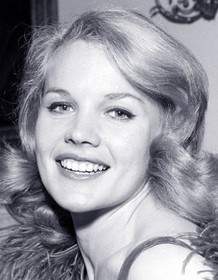
Carroll Baker
Lovell Summers
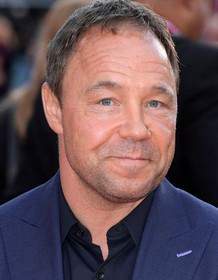
Stephen Graham
Young Boy

Ken Hutchison
John O'Dowd
Angela Walsh
Mrs Cruikshank
Angela Clarke
Brenda Doyle
Susan Atkins
Crazy Sue
Julie Graham
Sylvie
Gary Mavers
Tony Bone
Megan MacArton
Hotel Receptionist
Margi Clarke
Ronnie O'Dowd
Jake Abraham
Eric Crane
Tina Malone
Mrs Crane
Margot Van der Burgh
Mrs. Skudalapski
Mandy Walsh
Mrs Maines
Sharon Power
Mary
Jeanette Mallon
Barbara Crane
Jeff Weatherford
Dan
Jane Poter
Big Alice
Graham Winton
Bart
Genevieve Walsh
Miss Marshall
Lynne Kelly
Tony's Girlfriend
Julie Aldred
Helen
David Crean
Boxing MC
Alan Bird
Magistrate
Kathline Wells
Mrs Walker
John McMenagh
Young John O'Dowd
Eileen Clarke
Anne Jane O'Dowd
External Links and Streaming Options
Discover where to watch Blonde Fist online, including streaming platforms, rental options, and official sources. Compare reviews, ratings, and in-depth movie information across sites like IMDb, TMDb, Wikipedia or Rotten Tomatoes.





Take the Ultimate Blonde Fist Movie Quiz
Challenge your knowledge of Blonde Fist with this fun and interactive movie quiz. Test yourself on key plot points, iconic characters, hidden details, and memorable moments to see how well you really know the film.
Blonde Fist Quiz: Test your knowledge of the 1991 film Blonde Fist.
What is the name of the film's protagonist?
Full Plot Summary and Ending Explained for Blonde Fist
Read the complete plot summary of Blonde Fist, including all major events, twists, and the full ending explained in detail. Explore key characters, themes, hidden meanings, and everything you need to understand the story from beginning to end.
Set in Kirkby, Liverpool, the narrative follows Ronnie O’Dowd, a single mother who grew up with a boxing-loving father, John O’Dowd, and a more genteel mother who never quite approved of her husband’s street boxing. Ronnie’s life begins with a striking image: she is born in the middle of a bustling street market, on a sack of budgie feed, a detail that plants a symbolic seed about grit and survival in a world that never coddles the working class. The film traces how Ronnie navigates a harsh social system that routinely looks down on mothers trying to raise children on their own.
After the father of her son is arrested, Ronnie finds herself fighting not just for money, but for dignity within a corrupt social machinery that treats her as disposable. She develops a keen sense of social justice, often stepping in to defend a neighboring child from bullies and exposing the cruelty of a bully’s unrepentant mother. Yet Ronnie’s passionate, quick temper lands her in a brutal predicament: she lashes out at her ex boyfriend’s corrupt social-worker girlfriend, and ends up with a 12-month prison sentence. The film makes her punishment feel sharp and personal, a reflection of a system that punishes working-class anger more than it does exploitation.
The hook of the story comes when Ronnie escapes from prison with her cellmate, driven by a stubborn dream of a better life for herself and her family. She hatches a bold plan to reach New York, using blackmail to secure the funds she needs to get there. The promise of distant opportunity pulls her away from the familiar streets of Liverpool, toward a city that is framed as a ladder to reinvention. In New York, she discovers that the life she imagined for her father—a glamorous, tycoon-like existence—was not what it seemed. Her father is an alcoholic working as a hotel dishwasher, a revelation that fractures the myth and deepens Ronnie’s resolve to stand on her own two feet.
In the city, Ronnie meets Lovell Summers, a former show girl from Kentucky who now makes her living as a maid. The two women form a strong, enduring friendship built on shared hardship and mutual respect. Lovell’s presence provides Ronnie with a counterpoint to the city’s temptations and the narrow paths available to a woman who is determined to define her own fate. The two become allies as they navigate nightlife, work, and the lure of quick money, all while Ronnie quietly tests the boundaries of loyalty, ambition, and family.
A key turning point comes when Ronnie spots a poster for “Knucklers,” a nightclub that features amateur women boxers. The object of a tempting prize, the ring announcer offers $1,000 to the winner who lasts at least three minutes in the ring with his fighter. Ronnie accepts, driven by a mix of desperation and pride, and she finds herself in a brutal spar that ends with her opponent collapsing. The stakes rise when the manager offers a much larger prize for a longer bout, and what began as a risk becomes a conduit for hope: a chance to secure a new life for herself and her family.
Ronnie’s desire to fight for a better future prompts her to beg her father to stop drinking and come to New York to support her. He cautions her with a painful truth: if she goes back to this world of boxing, their family may never be the same again. He has promised Ronnie’s mother there would be no more fighting in the family, a vow that weighs heavily on Ronnie as she moves toward the ring once more. The tension between loyalty to family and the lure of independence becomes the emotional engine of the pursuit.
Fight night arrives, and Ronnie faces Crazy Sue, a more skilled opponent who raises the stakes even further. The match is stretched to ten minutes—a decision that seems designed to tilt the odds in favor of the tougher challenger, but Ronnie refuses to yield. Sue initially gains the upper hand, landing blows that darken Ronnie’s eye and test her resolve. In a moment of reconfirmed courage, Ronnie’s father appears at ringside, shouting his support, and his presence is a catalyst that pushes Ronnie to summon everything she has left. She delivers a decisive knockout, securing the $10,000 prize and a sense of vindication she has chased for so long.
With the triumph comes a return journey: Ronnie, her son, and her father head back to Liverpool. Ronnie invites Lovell to join them, hoping to forge a shared future, but Lovell declines, feeling too old to start anew. The farewell between the two women feels weighty and hopeful, a quiet acknowledgment of two lives touched by each other’s struggles. On the ferry back across the River Mersey, Ronnie’s father presents her with a boxing champion belt he has crafted—an emblem of both victory and the bond that has stubbornly held the family together. The procession of waves and the glow of the Liver Buildings close the film on a note of hard‑won identity and the promise of a new chapter rooted in hard work, resilience, and the unbreakable ties of family.

Coming soon on iOS and Android
The Plot Explained Mobile App
From blockbusters to hidden gems — dive into movie stories anytime, anywhere. Save your favorites, discover plots faster, and never miss a twist again.
Sign up to be the first to know when we launch. Your email stays private — always.
Explore the mobile appWatch Trailers, Clips & Behind-the-Scenes for Blonde Fist
Watch official trailers, exclusive clips, cast interviews, and behind-the-scenes footage from Blonde Fist. Dive deeper into the making of the film, its standout moments, and key production insights.
Blonde Fist Themes and Keywords
Discover the central themes, ideas, and keywords that define the movie’s story, tone, and message. Analyze the film’s deeper meanings, genre influences, and recurring concepts.
Blonde Fist Other Names and Titles
Explore the various alternative titles, translations, and other names used for Blonde Fist across different regions and languages. Understand how the film is marketed and recognized worldwide.
Similar Movies To Blonde Fist You Should Know About
Browse a curated list of movies similar in genre, tone, characters, or story structure. Discover new titles like the one you're watching, perfect for fans of related plots, vibes, or cinematic styles.







Quick Links: Summary, Cast, Ratings, More

What's After the Movie?
Not sure whether to stay after the credits? Find out!
Check out our other apps:

SAT Sphere
Build confidence for the Digital SAT.

Mori Atlas
Discover wild places worth protecting.

Luntero
Search smarter for a home in Amsterdam.

Plot Explained
Unravel movie endings and hidden clues.

Pokechamp
Dive into Pokémon data and battle logic.

Driving Theory
Get ready for your European theory test.

Movie Dust
Plan your next cinema trip with ease.

Musemap
Find art and culture as you travel.

Selkobase
Compare credentials before committing.

Local Manual
Turn an unfamiliar country into practical next steps.

Lernavi
Compare school systems before your next move.

GymRoam
Find a workout stop wherever your plans take you.
Explore Our Movie Platform
New Movie Releases (2026)
Famous Movie Actors
Top Film Production Studios
Movie Plot Summaries & Endings
Major Movie Awards & Winners
Best Concert Films & Music Documentaries
Movie Collections and Curated Lists
© 2026 What's After the Movie. All rights reserved.
Privacy Policy