
Below Zero (2011): Cast, Plot & Where to Watch
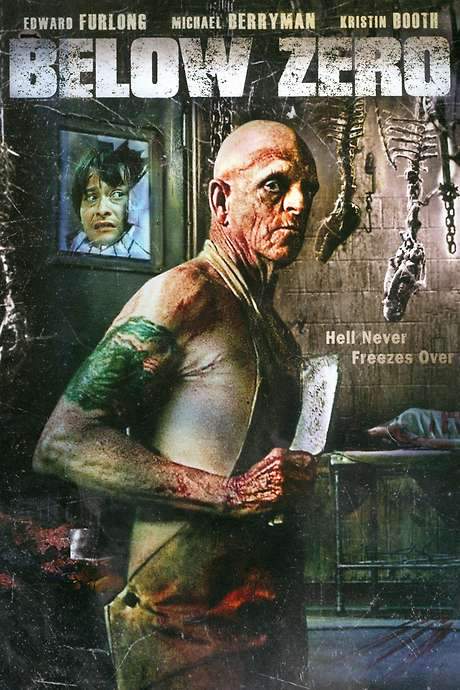
Below Zero is a 2011 horror thriller directed by Justin Ostensen, starring Edward Furlong as Jack / Frank, Kristin Booth and Michael Berryman. It runs 1 hour 38 minutes. Rent or buy it on Amazon Video and Google Play Movies.
- Released
- Runtime
- 1h 38m (98 min)
- Director
- Justin Ostensen
- Original language
-
 English
 - Studio
- Twilight Pictures
- After the credits
- No No extra scene
What Is Below Zero About?
The premise of Below Zero without spoilers. The whole story is in the plot summary further down.
When deadline pressure forces screenwriter Jack (Edward Furlong) into a slaughterhouse freezer, he must battle a blank page and his own inner demons. The frigid isolation fuels his imagination, prompting him to craft the story of Frank (Furlong), a tow‑truck driver trapped in a fridge with a serial killer’s dying victim.
Where to Watch Below Zero
Rent or buy it from Amazon Video and Google Play Movies. US availability and prices from JustWatch.



Streaming availability in the US, powered by 
Below Zero Cast & Characters
Edward Furlong leads the cast as Jack / Frank, with Kristin Booth as Penny / Paige and Michael Berryman as Gunnar. Directed by Justin Ostensen; 5 actors are credited in all.
- Director Justin Ostensen
-
 Edward Furlong as Jack / Frank
 - Kristin Booth as Penny / Paige
- Michael Berryman as Gunnar
- Michael Eisner as Morty / David
Also Starring in Below Zero
· 1 more- Dee Hanna Mrs. Hatcher
Below Zero Plot Summary
What happens in Below Zero from start to finish, spoilers included, with a timeline of 13 key events. The opening is below; the full summary is a 4-minute read.
Spoilers ahead
Jack, Edward Furlong, is an aspiring screenwriter who dreams of crafting a movie about a man locked inside a freezer. To tell that story with conviction, he believes he must endure the cold firsthand, traveling to a remote, wintry location to push his own limits. ” Penny is all-in to help him, and Jack’s agent has provided the directions he needs to reach the appointed place. They drive to an old slaughterhouse where Jack begins his self-imposed trial; Penny locks him inside and delivers the blunt ultimatum that he must stay there for five days. The door shuts, and the temperature of suspense begins to rise, though the air in the freezer hasn’t yet turned frigid.
Full summary
The whole story of Below Zero, scene by scene
How Well Do You Know Below Zero?
10 questions about the story, each with a hint if you get stuck. Pick an answer to see whether you were right.
Question 1 of 10
- Question 1: not answered
- Question 2: not answered
- Question 3: not answered
- Question 4: not answered
- Question 5: not answered
- Question 6: not answered
- Question 7: not answered
- Question 8: not answered
- Question 9: not answered
- Question 10: not answered
What is the name of the aspiring screenwriter who wants to write a movie about a man locked in a freezer?
Below Zero Also Known As
8 alternative titles, including “Below Zero - Das Schlachthaus” and “フローズン・ライター”.
- Also known as
-
- Below Zero - Das Schlachthaus
- フローズン・ライター
- Ниже нуля
- Terror Abaixo de Zero
- Sub zero
- Под нулата
- 低于零度
- 빌로우 제로
Seen Below Zero?
Below Zero FAQ: Where to Watch, Cast & Runtime
Runtime, release date, director, cast, where to watch and post-credit scenes of Below Zero, each answered in a sentence.
How long is Below Zero?
Below Zero runs 1 hour 38 minutes (98 minutes).
When was Below Zero released?
Below Zero was released on October 22, 2011.
Who directed Below Zero?
Below Zero was directed by Justin Ostensen.
Who is in the cast of Below Zero?
Below Zero stars Edward Furlong as Jack / Frank, Kristin Booth as Penny / Paige and Michael Berryman as Gunnar, among 5 credited actors.
Where can I watch Below Zero?
In the US, Below Zero is available to rent or buy on Amazon Video, Google Play Movies and YouTube (availability from JustWatch).
Does Below Zero have a post-credit scene?
No. Below Zero has no extra scene during or after the credits.
Coming soon to your phone
The Plot Explained Movie Summary App
From blockbusters to hidden gems: plot summaries, endings explained and timelines on your phone. Save your favorites and never miss a twist again.
Be the first to know when it launches. Your email stays private, always. Learn more about the app
