Beat 2000


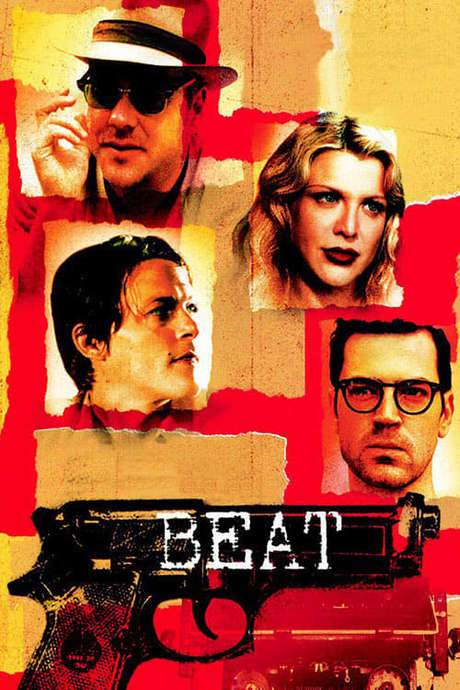
Set against a backdrop of sex, drugs and early rock‑and‑roll, the film dramatizes the true story of two murders that profoundly affected a group of college friends. Their lives would later intersect with the rise of the Beat Generation, producing some of its most influential writers.


Does Beat have end credit scenes?
No!
Beat does not have end credit scenes. You can leave when the credits roll.
Where to Watch Beat
See current US streaming, rental, and purchase options for Beat (2000) via JustWatch.

Criterion Channel
HD
Starz Apple TV channel
HD
Tubi TV
SD
Amazon Video
SD
Apple TV Store
SD
Fandango At Home
HD
Google Play Movies
SD
YouTube
SD Streaming availability powered by 
Meet the Full Cast and Actors of Beat
Explore the complete cast of Beat, including both lead and supporting actors. Learn who plays each character, discover their past roles and achievements, and find out what makes this ensemble cast stand out in the world of film and television.



External Links and Streaming Options
Discover where to watch Beat online, including streaming platforms, rental options, and official sources. Compare reviews, ratings, and in-depth movie information across sites like IMDb, TMDb, Wikipedia or Letterboxd.





Take the Ultimate Beat Movie Quiz
Challenge your knowledge of Beat with this fun and interactive movie quiz. Test yourself on key plot points, iconic characters, hidden details, and memorable moments to see how well you really know the film.
Beat (2000) Quiz: Test your knowledge of the 2000 film *Beat*, covering its characters, plot points, and settings.
Which actress portrays Joan Vollmer in the film?
Full Plot Summary and Ending Explained for Beat
Read the complete plot summary of Beat, including all major events, twists, and the full ending explained in detail. Explore key characters, themes, hidden meanings, and everything you need to understand the story from beginning to end.
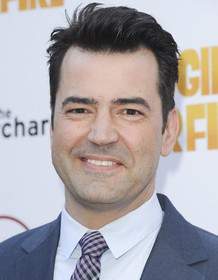
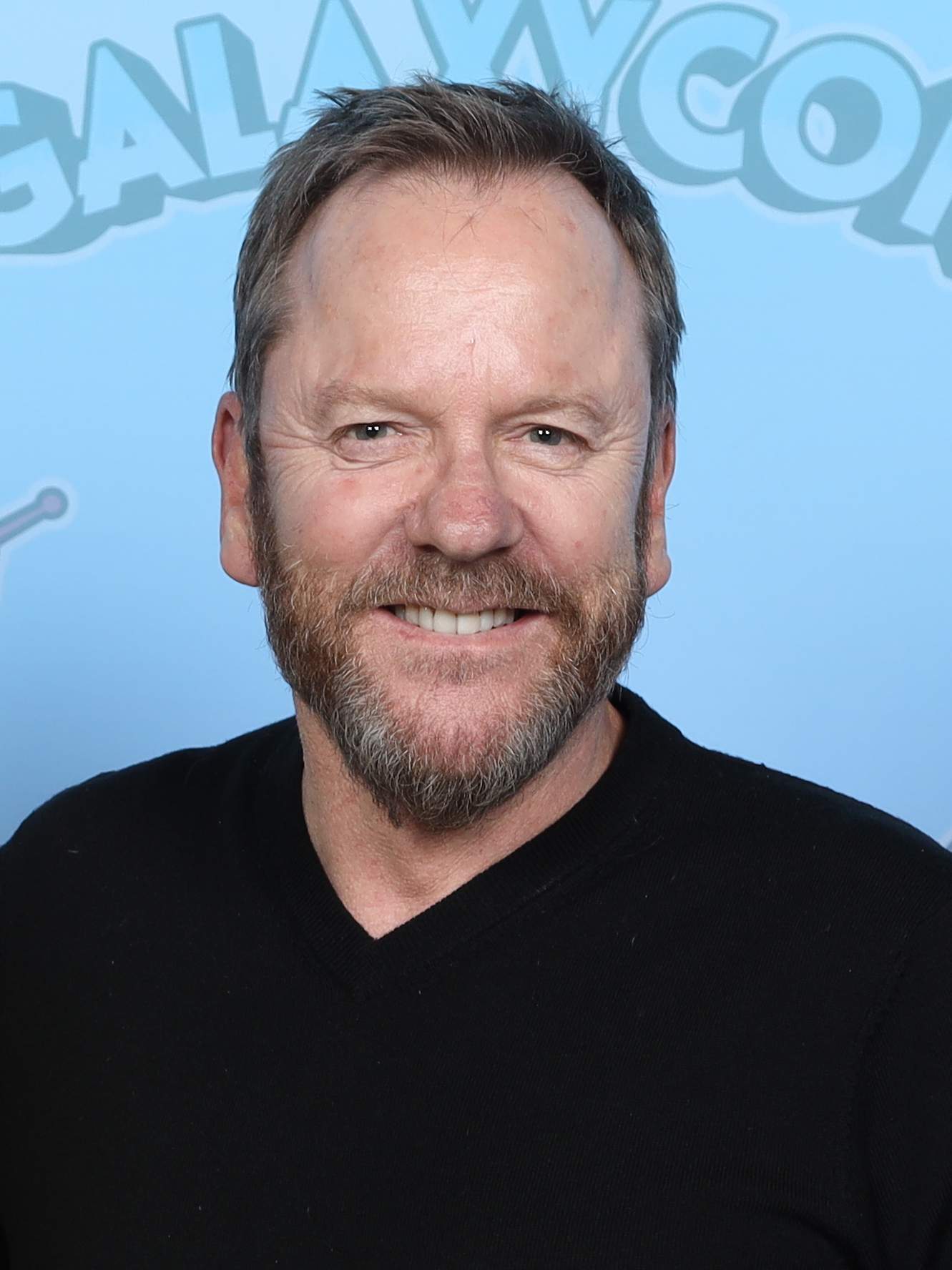
In 1944 New York City, beat writers and students Allen Ginsberg Ron Livingston, Jack Kerouac Daniel Martínez, Lucien Carr Norman Reedus, William S. Burroughs Kiefer Sutherland, and David Kammerer Kyle Secor all become acquainted with Joan Vollmer Courtney Love, a student at Barnard College. Joan and William begin a romance that draws these young writers deeper into a web of friendships, rivalries, and unspoken desires. David Kammerer [Kyle Secor] becomes entangled in a volatile confrontation with Lucien Carr, culminating in a fatal act of violence after a dispute over unwanted advances in a park. Lucien Carr’s confession to the murder—noting that David had an obsession with him—lands him with two years in prison, setting a somber tone for the group’s volatile dynamics.
By 1951, Joan and William are married and living in Mexico City with their young son, William Jr., and Julie, Joan’s daughter from a previous marriage. Joan’s discontent simmers beneath a carefully curated life, while William continues an affair with a male lover, Lee Sam Trammell, whose secrecy gnaws at the edges of their relationship. William’s trip to Guatemala to see Lee undercuts any sense of stability, as Lee remains evasive and distant, suggesting that William’s affections may be more performative than reciprocated.
When Allen and Lucien arrive in Mexico City, Joan and Lucien reconnect and Joan lays bare her unhappiness with her marriage. The trio—Joan, Lucien Carr, and Allen Ginsberg—plan a weekend excursion to visit the Parícutin volcano, while William returns from his trip to Guatemala and confronts the fragility of his own marriage. He has learned that Lee’s affection does not always translate into closeness, and this tension colors the upcoming journey.
On the road through rural Mexico toward Parícutin, the atmosphere grows tense with unspoken desire and competing loyalties. Allen tries to persuade Joan to abandon William and return to the United States with him and Lucien, but Joan refuses to leave William despite her unhappiness, sensing in him a potential she fears she might never fully recover. She is haunted by the possibility that returning to the U.S. could expose William to dangerous legal trouble linked to heroin possession, a fear that keeps her tethered to a life she finds increasingly unfulfilling.
As the journey continues, sexual tension between Joan and Lucien intensifies, though she resists his repeated advances. The.group returns to Mexico City, and Lucien and Allen urge Joan to relocate with them, offering a fresh start and a chance to escape the pressure and heat of their complicated lives. Joan remains stubbornly loyal to William, a choice that keeps the trio in limbo and intensifies the ache beneath the surface of their friendships.
William finally returns from Guatemala and the couple discusses separation, yet the possibility remains unresolved. A breakdown on the road soon follows: Lucien Carr’s car breaks down near the Texas border, leaving him to hitch a ride back to New York, where he must report to his new assignment at United Press International. In Mexico City, Lee arrives again and visits William and Joan at their apartment, a reminder of the fragility and fragility of the bonds holding this circle together. After a dinner in which alcohol loosens tongues, Joan’s tone grows cool and passive-aggressive toward Lee, signaling an emotional reckoning to come.
To entertain themselves, William suggests a macabre, almost ritualistic game—their “William Tell” parlor trick, where he attempts to shoot a shot glass off Joan’s head with a pistol. Joan, perched with a glass balanced atop her head, goads him, and the moment ends in tragedy when William misfires and shoots her in the head, killing her. The room falls into stunned silence as the weight of the act sinks in, a culmination of dangerous dynamics that had been simmering for years.
Shortly after, while Lucien Carr is at the United Press International office, a telegram arrives bearing the devastating news of Joan’s death, sending shockwaves through the circles that once thrived on debate, poetry, and risk. The incident marks a brutal turning point in a story about friendship, art, longing, and the perilous edge where personal desire collides with moral consequence.

Coming soon on iOS and Android
The Plot Explained Mobile App
From blockbusters to hidden gems — dive into movie stories anytime, anywhere. Save your favorites, discover plots faster, and never miss a twist again.
Sign up to be the first to know when we launch. Your email stays private — always.
Explore the mobile appWatch Trailers, Clips & Behind-the-Scenes for Beat
Watch official trailers, exclusive clips, cast interviews, and behind-the-scenes footage from Beat. Dive deeper into the making of the film, its standout moments, and key production insights.
Cars Featured in Beat
Explore all cars featured in Beat, including their makes, models, scenes they appear in, and their significance to the plot. A must-read for car enthusiasts and movie buffs alike.
Beat Themes and Keywords
Discover the central themes, ideas, and keywords that define the movie’s story, tone, and message. Analyze the film’s deeper meanings, genre influences, and recurring concepts.
Beat Other Names and Titles
Explore the various alternative titles, translations, and other names used for Beat across different regions and languages. Understand how the film is marketed and recognized worldwide.
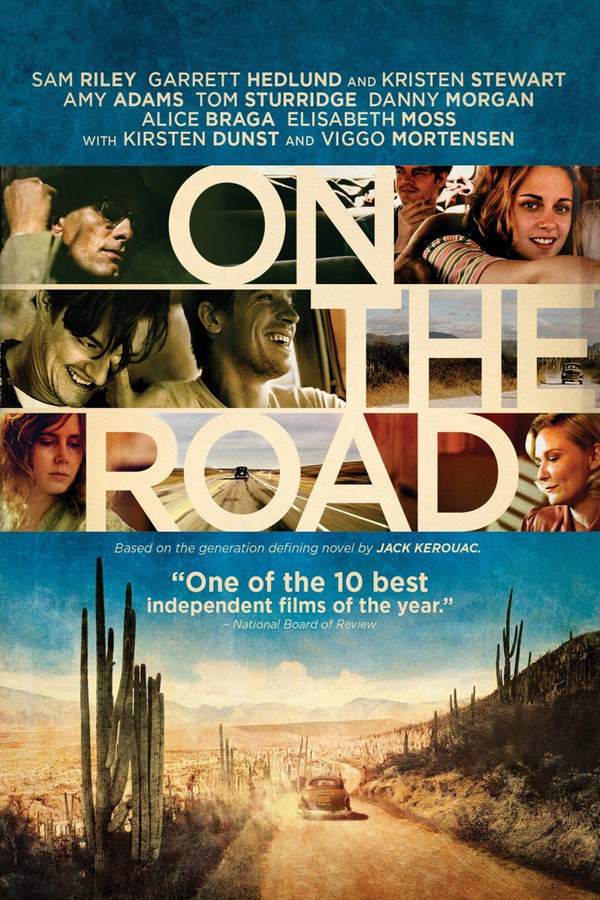
Similar Movies To Beat You Should Know About
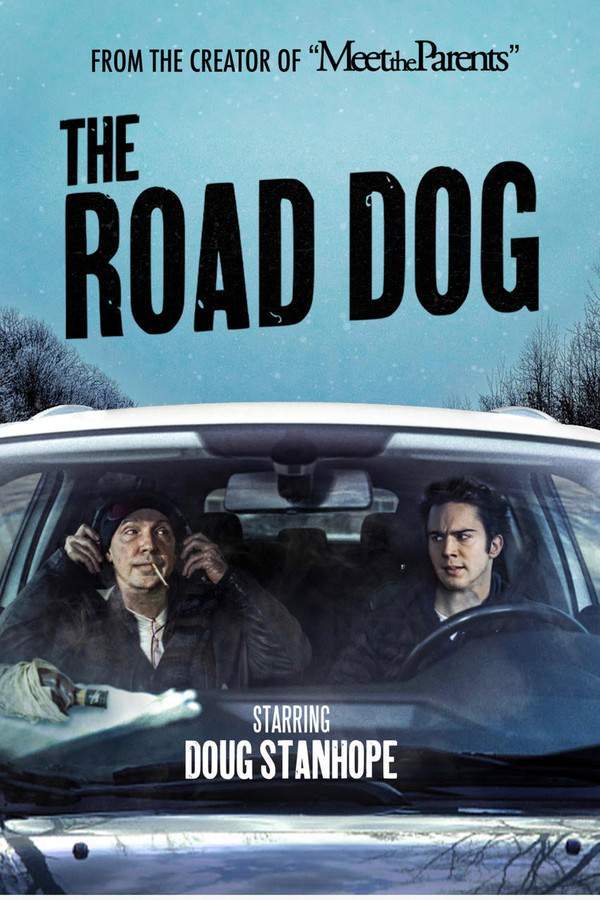
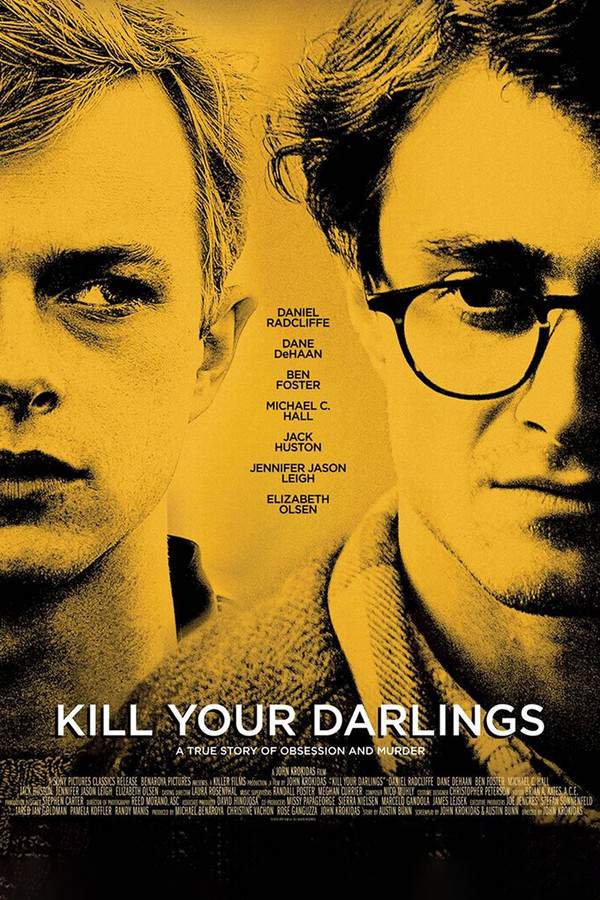
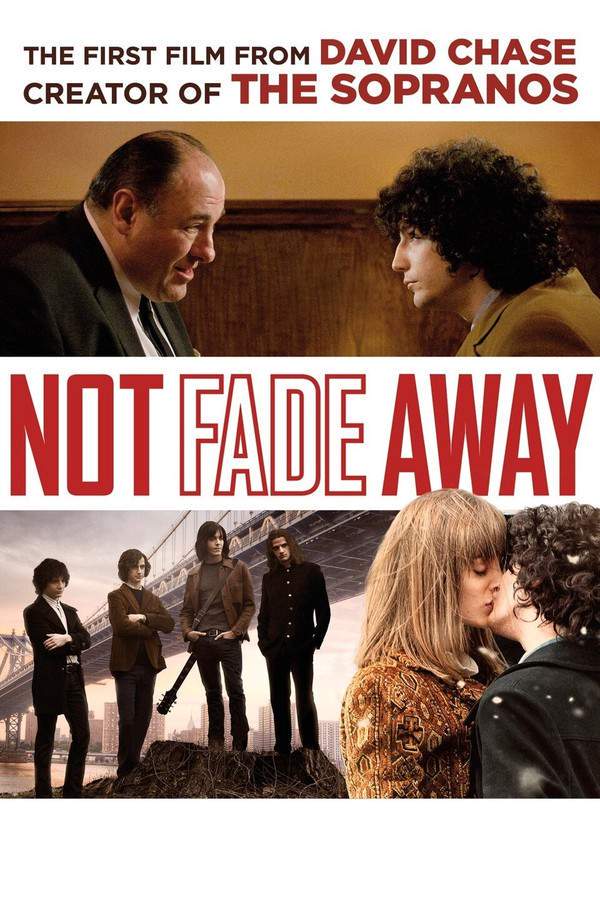
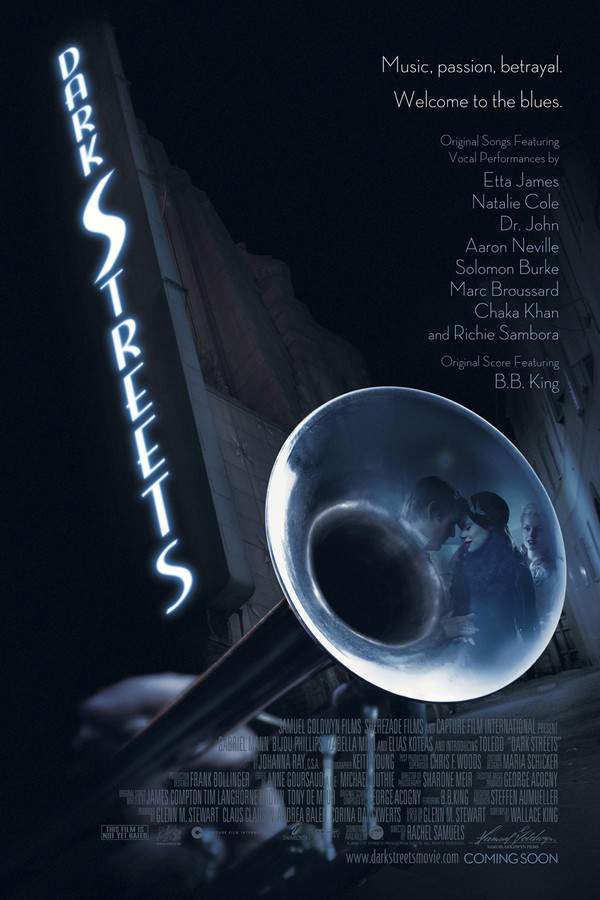
Browse a curated list of movies similar in genre, tone, characters, or story structure. Discover new titles like the one you're watching, perfect for fans of related plots, vibes, or cinematic styles.




Quick Links: Summary, Cast, Ratings, More

What's After the Movie?
Not sure whether to stay after the credits? Find out!
Check out our other apps:

SAT Sphere
Build confidence for the Digital SAT.

Mori Atlas
Discover wild places worth protecting.

Luntero
Search smarter for a home in Amsterdam.

Plot Explained
Unravel movie endings and hidden clues.

Pokechamp
Dive into Pokémon data and battle logic.

Driving Theory
Get ready for your European theory test.

Movie Dust
Plan your next cinema trip with ease.

Musemap
Find art and culture as you travel.

Selkobase
Compare credentials before committing.

Local Manual
Turn an unfamiliar country into practical next steps.

Lernavi
Compare school systems before your next move.

GymRoam
Find a workout stop wherever your plans take you.
Explore Our Movie Platform
New Movie Releases (2026)
Famous Movie Actors
Top Film Production Studios
Movie Plot Summaries & Endings
Major Movie Awards & Winners
Best Concert Films & Music Documentaries
Movie Collections and Curated Lists
© 2026 What's After the Movie. All rights reserved.
Privacy Policy