Attila 1954

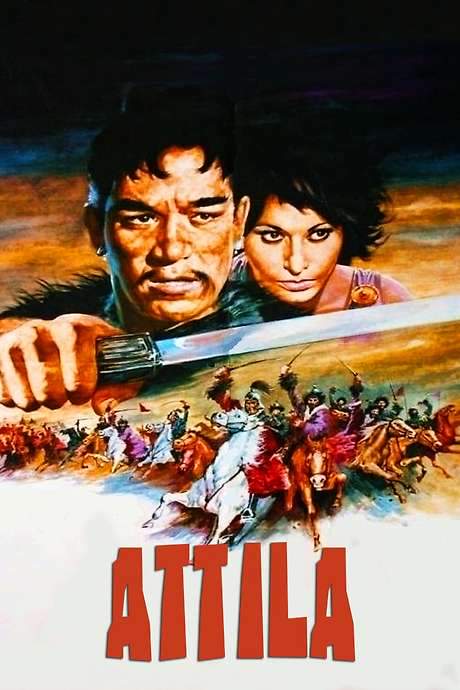
Attila, the feared leader of the Huns—dubbed “the Scourge of God” by the Romans—leads his hordes from the Asian steppes into Italy, clashing head‑on with the proud Roman legions. Their relentless advance sweeps aside every Roman army they meet, ending with the Hun force standing at the very gates of Rome.


Does Attila have end credit scenes?
No!
Attila does not have end credit scenes. You can leave when the credits roll.
Meet the Full Cast and Actors of Attila
Explore the complete cast of Attila, including both lead and supporting actors. Learn who plays each character, discover their past roles and achievements, and find out what makes this ensemble cast stand out in the world of film and television.
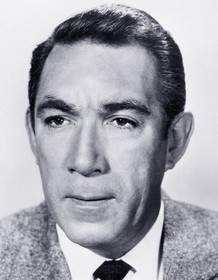
Anthony Quinn
Attila

Irene Papas
Grune

Sophia Loren
Honoria

Dickie Jones
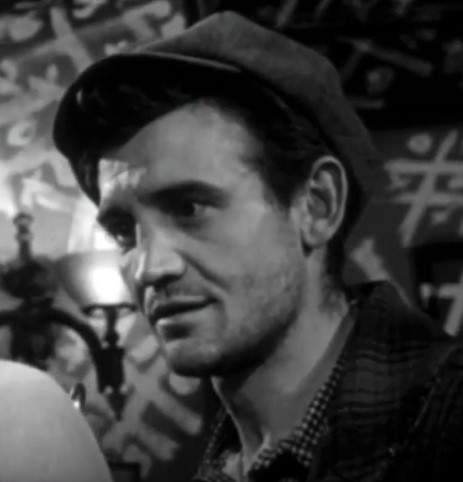
Richard Bakalyan

Tony Amendola
Christian Marquand
Capo degli Unni
Fernando Birri
Mimmo Palmara
Lottatore
Ettore Manni
Bleda, brother of Attila
Scott Marlowe
Mario Feliciani
Ippolito
Guido Celano
Capo della tribu
Colette Régis
Galla Placidia
Eduardo Ciannelli
Onegesius
Marco Guglielmi
Kadis
Aldo Pini
Dominicus
Piero Pastore
Capo tribale
Henri Vidon
Carlo Hintermann
Capo tribale
Claude Laydu
Valentiniano Caesar
Furio Meniconi
Capo tribale
Edilio Kim
Soldato romano
Georges Bréhat
Prisco
Henri Vidal
Aetius
Cristina Fantoni
Fabio Bellisario
Mirella Di Lauri
Renzo Malatesta
Aurelio Miserendino
Aldo Sprovieri
Mário Valente
External Links and Streaming Options
Discover where to watch Attila online, including streaming platforms, rental options, and official sources. Compare reviews, ratings, and in-depth movie information across sites like IMDb, TMDb, Wikipedia or Letterboxd.




Take the Ultimate Attila Movie Quiz
Challenge your knowledge of Attila with this fun and interactive movie quiz. Test yourself on key plot points, iconic characters, hidden details, and memorable moments to see how well you really know the film.
Attila (1954) Quiz: Test your knowledge of the 1954 historical film Attila with these ten questions ranging from easy to challenging.
Which actor played the title role of Attila?
Full Plot Summary and Ending Explained for Attila
Read the complete plot summary of Attila, including all major events, twists, and the full ending explained in detail. Explore key characters, themes, hidden meanings, and everything you need to understand the story from beginning to end.
Set in the late Roman Empire, the narrative grips you as a powerful clash of cultures and ambitions unfolds across 450-452 AD. The Huns, a fierce horde sweeping in from the Asian plains, press toward the wealthy western lands under the ruthless leadership of Attila Anthony Quinn. His name alone signals fire and thunder, a force that believes in conquest as a divine mission, and the surrounding world trembles at the prospect of facing him. Beside him, his brother Bleda Ettore Manni treads a more tempered line, advocating peace and balance, hinting at a split destiny within the Hun leadership.
On the Roman side, Flavius Aetius is the only man who has walked in both worlds. The Roman general, a man marked by years as a hostage among the Huns, carries an uneasy mandate from the aging Emperor Valentinian III to the Hun king Rua Christian Marquand. The political landscape is a tangle: Ravenna is a palace of party and decadence, while the state itself crumbles under neglect. Valentinian III, a child-king in name, is more preoccupied with feasts and theatrics than with the practical matters of an empire fraying at the edges. His mother, Galla Placidia Colette Régis, acts as the de facto ruler, trying to stitch together fragile loyalties before the empire collapses into chaos. Into this maelstrom steps Honoria Sophia Loren, Valentinian’s sister and a restless spirit who seeks to topple the old guard and seize control, seeking Aetius’s support to execute a coup. Yet Aetius remains bound by a solemn oath to serve the Empire, even at great personal cost, and refuses to swap loyalty for power, which earns him both respect and danger as he’s stripped of rank by the very leaders he serves.
Aetius’s return to Ravenna marks a turning point as the two great powers collide. The Huns, led by Attila’s uncompromising vision, push forward with a brutal display of force, while the Romans summon their legions to block the advance. The two camps collide on open plains before spilling into the Hun camp itself, a brutal dance of arrows, countercharges, and tactical feints. The battle is not merely a clash of metal and muscle but a clash of ideas: the Hun hunger for expansion against Rome’s stubborn hold on a crumbling world. In a decisive moment during the hunt that ushers in Attila’s sole rule, Bleda is slain when Attila orders his own bodyguard to unleash arrows at the pairs of leaders, a terrible revelation that hardens the Hun king and deepens the rift within his ranks.
As the Roman lines falter, Honoria slips away from the imperial court and seeks out the Hun camp, drawn by a dangerous mix of ambition and desperation. The tide of the war turns as the battle moves from a frontal assault to a more fluid struggle that spills into the heart of the Hun’s own encampment. The fate of the legions hinges on daring choices and brutal calculations, and the Romans find themselves fighting for survival rather than victory. Amid the carnage, a fateful moment arrives when Honoria is discovered in a nomad’s cart within the Hun lines and is killed, a brutal reminder of how fragile life and loyalty can be in such a volatile campaign.
The end of the immediate conflict comes with a devastating blow: Aetius is felled by an arrow through the neck, and the Roman resolve buckles as their leaders fall and fear takes hold. The survivors retreat, the Hun encampment burns, and the battlefield becomes a graveyard for a once-formidable army. The tragedy continues as Attila, already a conqueror with an unyielding spirit, learns of his own son Bleda’s death, a wound that leaves him emotionally unsettled and questioning the cost of endless bloodshed. The once indisputable conqueror begins to glimpse the price of bloodshed and the human cost of empire.
On the road toward Rome, Attila’s forces encounter a procession led by Pope Leo I, a moment that contrasts starkly with the brutality that preceded it. In a quiet conversation that unfolds in a stream’s shallow water, the Pope speaks with a calm authority that unsettles the Hun leader. “You can kill everybody…old people, women, children…” the Pope notes, and the implied judgment lingers in Attila’s mind. The words, spoken as a haunting echo, remind him that violence often returns as a boomerang. It is in this encounter that Attila experiences a turning point; a surge of conscience, a dawning realization that the path of conquest may not offer the lasting glory he imagined. The disembodied memory of his murdered brother Bleda surfaces, and the great warrior suddenly chooses a different course.
With the weight of that moral reckoning bearing down on him, Attila turns away from the gates of Rome and directs his horde back toward the Alps, choosing not to unleash destruction on a city that would suffer for generations to come. The journey becomes, in a sense, a pilgrimage from ruthless ambition to restraint, a transformation sparked by a moment of clarity in the harshest of landscapes. The encounter with the Pope leaves an indelible impression, a rare moment of mercy that reshapes a warlord’s destiny and the fate of two great empires.
In this sweeping film, the performances—woven together with political intrigue, battlefield ferocity, and moral crisis—paint a vivid portrait of an era defined by the collision of power and conscience. The story honors both the grandeur and the fragility of civilizations caught between tradition and tumult, showing how men like Attila and Aetius shape history not only through swords and strategy but through choices that echo far beyond the moments of battle. The clash culminates in a quiet decision that alters the course of Rome’s fate and casts a long shadow over the saga of the Hun and the empire they sought to mold in their image.

Coming soon on iOS and Android
The Plot Explained Mobile App
From blockbusters to hidden gems — dive into movie stories anytime, anywhere. Save your favorites, discover plots faster, and never miss a twist again.
Sign up to be the first to know when we launch. Your email stays private — always.
Explore the mobile appDiscover Film Music Concerts Near You – Live Orchestras Performing Iconic Movie Soundtracks
Immerse yourself in the magic of cinema with live orchestral performances of your favorite film scores. From sweeping Hollywood blockbusters and animated classics to epic fantasy soundtracks, our curated listings connect you to upcoming film music events worldwide.
Explore concert film screenings paired with full orchestra concerts, read detailed event information, and secure your tickets for unforgettable evenings celebrating legendary composers like John Williams, Hans Zimmer, and more.


Attila Themes and Keywords
Discover the central themes, ideas, and keywords that define the movie’s story, tone, and message. Analyze the film’s deeper meanings, genre influences, and recurring concepts.

Unlock the World of Movies with Our Comprehensive Wiki
Dive into our Movie Wiki for in-depth film encyclopedia entries, including cast biographies, production trivia, plot synopses, behind-the-scenes facts, and thematic analyses. Whether you’re researching iconic directors, exploring genre histories, or discovering hidden easter eggs, our expertly curated movie database has everything you need to fuel your cinematic passion.
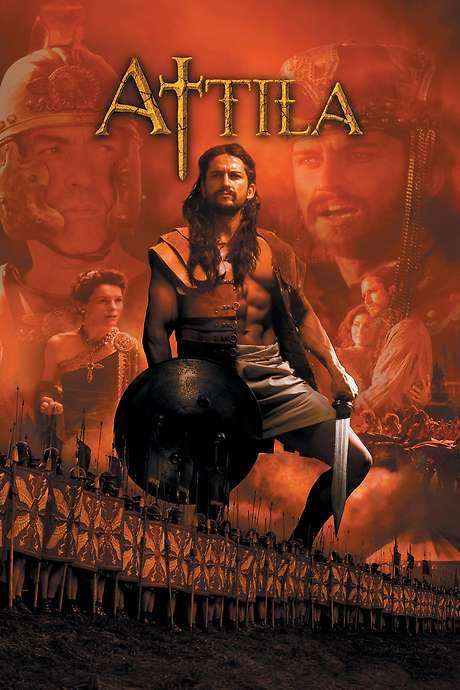
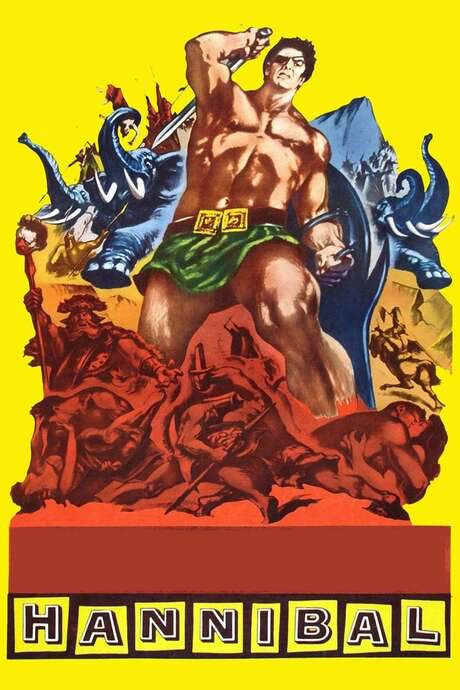
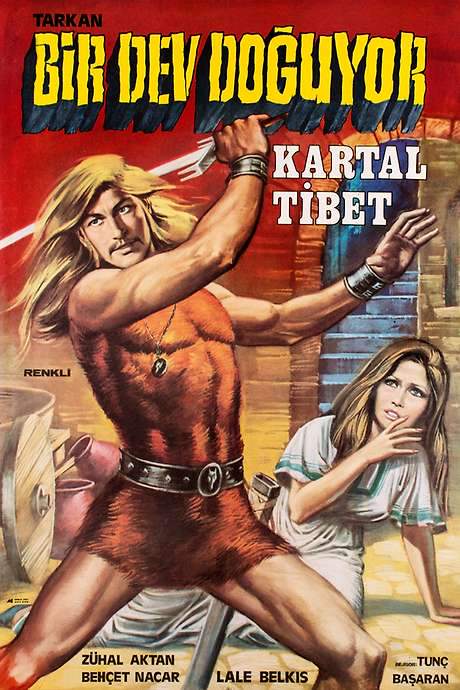
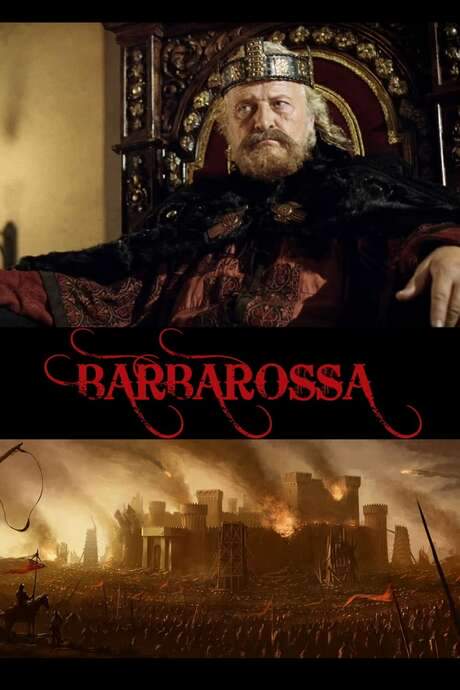
Similar Movies To Attila You Should Know About
Browse a curated list of movies similar in genre, tone, characters, or story structure. Discover new titles like the one you're watching, perfect for fans of related plots, vibes, or cinematic styles.
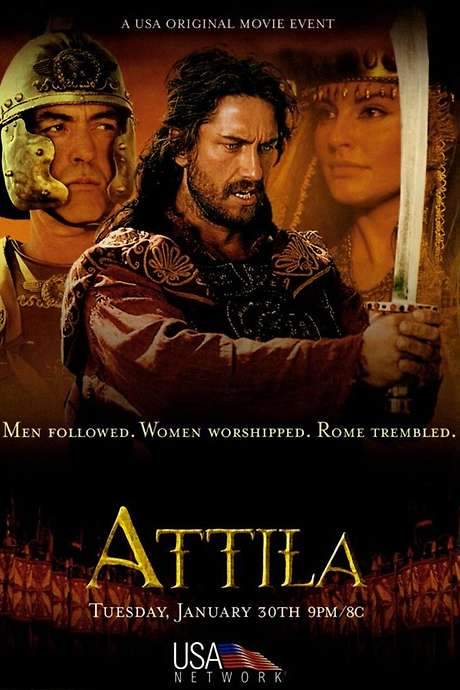





Quick Links: Summary, Cast, Ratings, More

What's After the Movie?
Not sure whether to stay after the credits? Find out!
Check out our other apps:

SAT Sphere
Build confidence for the Digital SAT.

Mori Atlas
Discover wild places worth protecting.

Luntero
Search smarter for a home in Amsterdam.

Plot Explained
Unravel movie endings and hidden clues.

Pokechamp
Dive into Pokémon data and battle logic.

Driving Theory
Get ready for your European theory test.

Movie Dust
Plan your next cinema trip with ease.

Musemap
Find art and culture as you travel.

Selkobase
Compare credentials before committing.

Local Manual
Turn an unfamiliar country into practical next steps.

Lernavi
Compare school systems before your next move.

GymRoam
Find a workout stop wherever your plans take you.
Explore Our Movie Platform
New Movie Releases (2026)
Famous Movie Actors
Top Film Production Studios
Movie Plot Summaries & Endings
Major Movie Awards & Winners
Best Concert Films & Music Documentaries
Movie Collections and Curated Lists
© 2026 What's After the Movie. All rights reserved.
Privacy Policy