Always - Sunset on Third Street 2005


Teenage Mutsuko arrives in post‑war Tokyo seeking work, only to find herself at a local repair shop where she becomes close to the owner's family. Nearby neighbors Hiromi, aspiring writer Chagawa and his admirer Junnosuke join them, each striving to rebuild their lives amid the city's rapid transformation.


Does Always - Sunset on Third Street have end credit scenes?
No!
Always - Sunset on Third Street does not have end credit scenes. You can leave when the credits roll.
Meet the Full Cast and Actors of Always - Sunset on Third Street
Explore the complete cast of Always - Sunset on Third Street, including both lead and supporting actors. Learn who plays each character, discover their past roles and achievements, and find out what makes this ensemble cast stand out in the world of film and television.
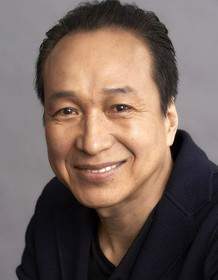
Fumiyo Kohinata
Yasunari Kawabuchi

Koyuki
Hiromi Ishizaki
Tomokazu Miura
Doctor Takuma
Hidetaka Yoshioka
Ryunosuke Chagawa
Dasha Teranishi
Tourist
Shin'ichi Tsutsumi
Norifumi Suzuki
Kisuke Iida
Policeman
Pierre Taki
Ice Man
Yoichi Nukumizu
Bicycle Shopkeeper
Kaoru Okunuki
Kazuko Furuyuki
Magi
Butcher
Yuichi Kimura
Electrician
Shigemitsu Ogi
Secretary
Shin'ichi Hatori
Passerby
Kenjirou Ishimaru
Shizuo Fujio
Hiroko Yakushimaru
Tomoe Suzuki
Masako Motai
Kin Ota
Maki Horikita
Mutsuko Hoshino
Toru Masuoka
Theater Manager
Kenta Suga
Junnosuke Furuyuki
Hiroshi Kanbe
Postman
Kazuki Koshimizu
Ippei Suzuki
Hajime Okayama
Aomori Prefecture Employment Security
Masaya Takahashi
Saburo
Kosuke Suzuki
Takashi Matsuo
Realtor
Kuniko Asagi
Takuma's Wife
Tarô Iwate
Kaga Mochimaru
Yuichiro
Airu Shigemoto
Takuma's Daughter
Eru Shigemoto
External Links and Streaming Options
Discover where to watch Always - Sunset on Third Street online, including streaming platforms, rental options, and official sources. Compare reviews, ratings, and in-depth movie information across sites like IMDb, TMDb, Wikipedia or Rotten Tomatoes.






Full Plot Summary and Ending Explained for Always - Sunset on Third Street
Read the complete plot summary of Always - Sunset on Third Street, including all major events, twists, and the full ending explained in detail. Explore key characters, themes, hidden meanings, and everything you need to understand the story from beginning to end.
In 1958, with the impending completion of Tokyo’s TV broadcasting tower as a symbol of Japan’s escalating post-war economic recovery, Mutsuko Hoshino arrives from the provinces to begin her first job with Suzuki Auto. She is initially excited to meet the company’s supposed “president,” Norifumi Suzuki, only to discover that the workplace is not the polished office she imagined but a shabby auto repair shop tucked away in Tokyo’s down-at-heel Yuhi district. The contrast between dream and reality sets the tone for the lives interwoven in this small, rapidly changing corner of the city.
The boss, Suzuki, is a blunt, temperamental figure who sharpens the edges of the day-to-day grind at the shop. Yet warmth exists in the home that surrounds him: his wife, Tomoe Suzuki, welcomes Mutsuko with a quiet kindness, and their lively five-year-old son, Ippei, brightens every room with his curious questions and mischief. Ippei’s world revolves around the neighborhood—a place where a five-and-dime store becomes a kind of social hub and a stage for everyday drama. At that store, the increasingly famous yet imperfect literary life of Ryunosuke Chagawa, portrayed by Ryunosuke Chagawa, forms a counterpoint to Mutsuko’s fresh arrival. Chagawa is a serial writer who smarts at the idea that truly great authors might be something other than the core of his own ambitions; he longs to push beyond the hack-work he’s known for and dreams of crafting something more meaningful than the humble sci-fi stories and toy-set side gigs that subscribe to the era’s commercial pressures.
Into this neighborhood tapestry steps Hiromi Ishizaki, the alluring newcomer who opens a sake bar that becomes a magnet for locals and visitors alike. Her presence stirs the scene and pulls attention toward the fragile, evolving social fabric around Suzuki Auto. Hiromi’s rising clientele bring a new rhythm to the block, and with them comes Junnosuke Furuyuki, the orphaned son of the bar’s previous tenant, a boy who finds himself unexpectedly tethered to Hiromi’s world of late-night conversations and shared confidences. Junnosuke is a tangible reminder of responsibility threading through the adults’ lives, and his addition complicates the choices everyone must face.
Drunk, and alternately charmed and unsettled by Hiromi, Chagawa finds himself stepping into a caretaker role for the boy, a move that deepens the ties among the shop’s occupants and the bar’s patrons. As these relationships unfold, the film paints a patient, observational portrait of a city in transition—where the promise of modernization and the realities of daily labor collide with family ties, longing, and the small acts of care that keep people connected.
The narrative unfolds with a steady, humane gaze, emphasizing the quiet exchanges and the everyday resilience that define a community navigating change. Amid the hum of engines and the murmur of the neighborhood, the characters’ goals—whether artistic, practical, or familial—interweave, revealing how personal aspirations and communal bonds rise together or fall apart in a time of rapid growth and shifting social currents.

Coming soon on iOS and Android
The Plot Explained Mobile App
From blockbusters to hidden gems — dive into movie stories anytime, anywhere. Save your favorites, discover plots faster, and never miss a twist again.
Sign up to be the first to know when we launch. Your email stays private — always.
Explore the mobile appWatch Trailers, Clips & Behind-the-Scenes for Always - Sunset on Third Street
Watch official trailers, exclusive clips, cast interviews, and behind-the-scenes footage from Always - Sunset on Third Street. Dive deeper into the making of the film, its standout moments, and key production insights.
Always - Sunset on Third Street Themes and Keywords
Discover the central themes, ideas, and keywords that define the movie’s story, tone, and message. Analyze the film’s deeper meanings, genre influences, and recurring concepts.
Always - Sunset on Third Street Other Names and Titles
Explore the various alternative titles, translations, and other names used for Always - Sunset on Third Street across different regions and languages. Understand how the film is marketed and recognized worldwide.
Similar Movies To Always - Sunset on Third Street You Should Know About
Browse a curated list of movies similar in genre, tone, characters, or story structure. Discover new titles like the one you're watching, perfect for fans of related plots, vibes, or cinematic styles.



Quick Links: Summary, Cast, Ratings, More

What's After the Movie?
Not sure whether to stay after the credits? Find out!
Check out our other apps:

SAT Sphere
Build confidence for the Digital SAT.

Mori Atlas
Discover wild places worth protecting.

Luntero
Search smarter for a home in Amsterdam.

Plot Explained
Unravel movie endings and hidden clues.

Pokechamp
Dive into Pokémon data and battle logic.

Driving Theory
Get ready for your European theory test.

Movie Dust
Plan your next cinema trip with ease.

Musemap
Find art and culture as you travel.

Selkobase
Compare credentials before committing.

Local Manual
Turn an unfamiliar country into practical next steps.

Lernavi
Compare school systems before your next move.

GymRoam
Find a workout stop wherever your plans take you.
Explore Our Movie Platform
New Movie Releases (2026)
Famous Movie Actors
Top Film Production Studios
Movie Plot Summaries & Endings
Major Movie Awards & Winners
Best Concert Films & Music Documentaries
Movie Collections and Curated Lists
© 2026 What's After the Movie. All rights reserved.
Privacy Policy