

What's After the Movie
Seijun Suzuki
Seijun Suzuki, born Seitaro Suzuki on 24 May 1923 in Nihonbashi, Tokyo, emerged from a modest textile‑trading family to become one of Japan’s most idiosyncratic filmmakers. After a disrupted education and a harrowing World War II service in the Imperial Japanese Army—where he survived two shipwrecks and rose to second lieutenant—Suzuki returned to Hirosaki, completed his studies, and entered the film world as an assistant at Shochiku’s Ōfuna Studio in 1948. He quickly moved to Nikkatsu in 1954, where the studio’s generous salary and promise of rapid promotion allowed him to direct his first feature, Victory Is Mine (1956). Over the next decade he churned out an astonishing three‑and‑a‑half B‑movies per year, ranging from formulaic yakuza tales to experimental thrillers such as Youth of the Beast (1963) and Tokyo Drifter (1966). Suzuki’s signature style—florid color palettes, absurd humor, and a deliberate subversion of genre conventions—earned him a cult following among student audiences, even as studio executives labeled his work “incomprehensible.”
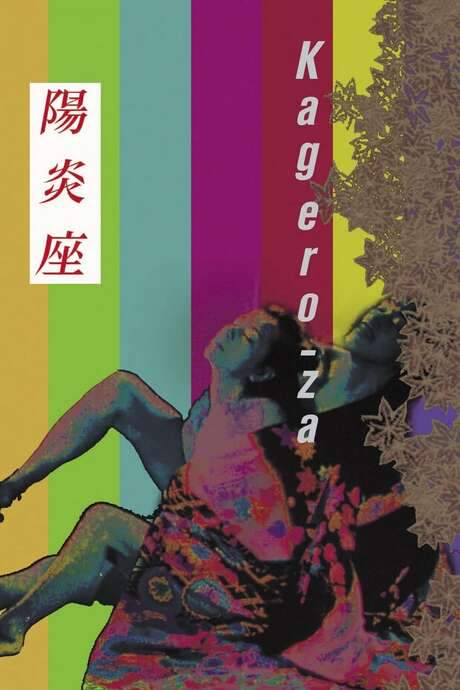
The breaking point came with the avant‑garde masterpiece Branded to Kill (1967), after which Nikkatsu dismissed him and sued him for breach of contract. Suzuki’s ensuing legal battle, supported by fellow directors and an energized student movement, resulted in a landmark settlement and an unofficial blacklist that kept him out of major productions for ten years. During that exile he wrote essays, directed television commercials, and appeared in cameo roles, while his reputation grew internationally through retrospectives and the admiration of filmmakers like Jim Jarmusch and Quentin Tarantino. A return to cinema arrived with the critically acclaimed Taishō trilogy—Zigeunerweisen (1980), Kagerō‑za (1981), and Yumeji (1991)—which earned multiple Japanese Academy Awards and cemented his status as an auteur. Suzuki continued to experiment into the 2000s with Pistol Opera (2001) and Princess Raccoon (2005) before his death from chronic obstructive pulmonary disease on 13 February 2017 in Tokyo.
Biography, Career & Filmography
Learn more about Seijun Suzuki, including a detailed biography, career timeline, personal life insights, and complete filmography. Discover how Seijun Suzuki rose to fame, their major roles, industry impact, and personal milestones in the world of film.
Given Name: Seitaro Suzuki
Born: Nihonbashi, Tokyo, Imperial Japan
Citizenship: Japanese
Birthday: May 24, 1923
Occupations: film director, actor, screenwriter, writer
Years Active: 1956-2007
External Links and Streaming Options
Explore more about on trusted external platforms like TMDb, Rotten Tomatoes, IMDb or Wikipedia. Find additional details, reviews, and related content to deepen your understanding.





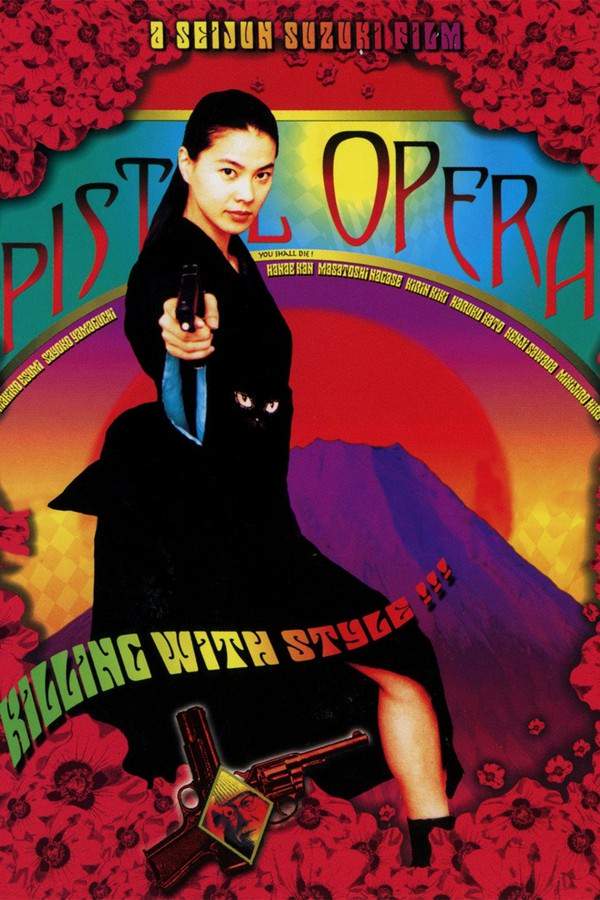
Pistol Opera

Milocrorze: A Love Story

SOAR: I Wish You Were Here

Blessing Bell

Princess Raccoon
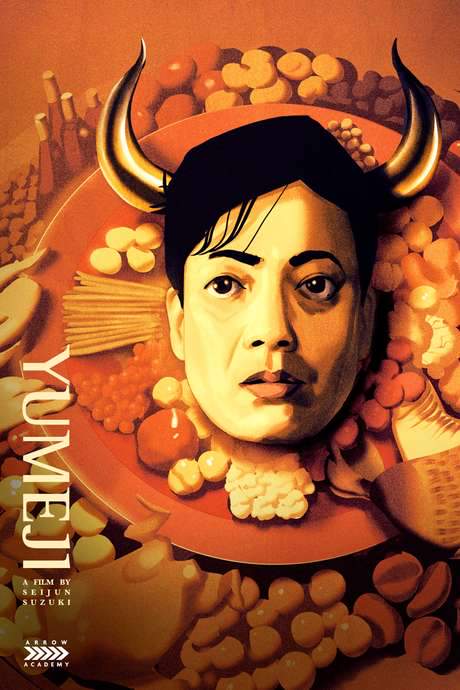
Yumeji

The Claws of the Divine Beast
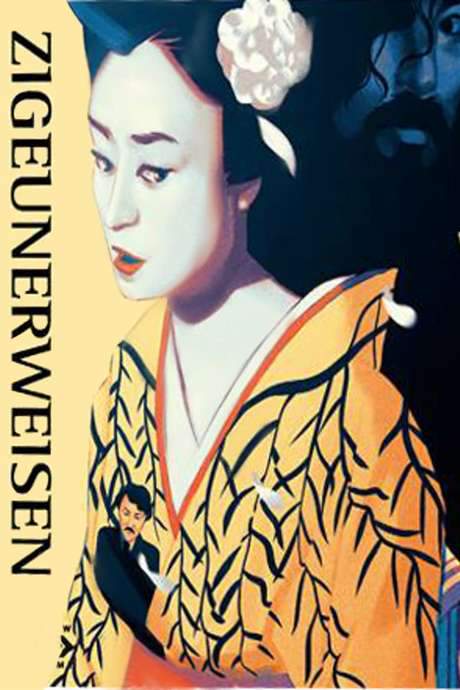
Zigeunerweisen
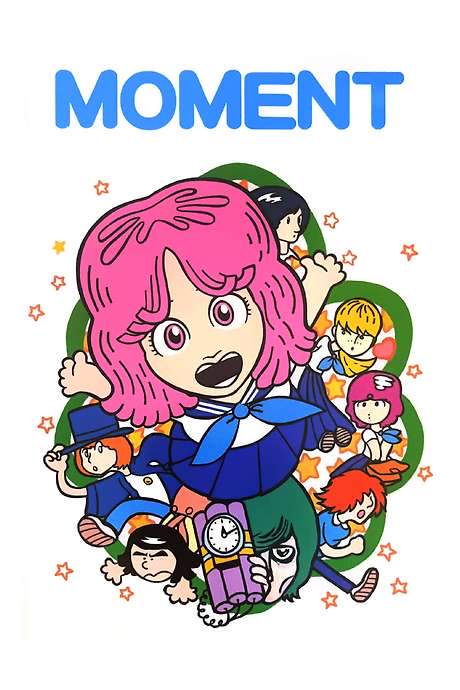
MOMENT

Cherry Blossoms in Spring

Kazoku no sentaku

Capone Cries a Lot

Lupin the Third: The Legend of the Gold of Babylon

Double Bed
Kagero-za
Kagero-za

Kanto Wanderer

Fighting Elegy

A Tale of Sorrow and Sadness

Pure Emotions of the Sea

Smashing the 0-Line

Teenage Yakuza

Good Evening Dear Husband: A Duel

Living by Karate

The Call of Blood

Gate of Flesh

Tattooed Life

The Sleeping Beast Within

Tokyo Drifter

Carmen from Kawachi

Underworld Beauty

The Flower and the Angry Waves

The Boy Who Came Back

Take Aim at the Police Van

Story of a Prostitute

Passport to Darkness

Tokyo Knights

Inn of the Floating Weeds

Born Under Crossed Stars

The Incorrigible

The Wind-of-Youth Group Crosses the Mountain Pass

Love Letter

Satan’s Town
Embalming

Million Dollar Smash-and-Grab

Age of Nudity

Branded to Kill

Fighting Delinquents

Everything Goes Wrong

Sleepless Town

Victory Is Ours

Cold Fever

Youth of the Beast

The Fang in the Hole

The Man with a Shotgun

Young Breasts
Career Timeline
Track the complete movie timeline of Seijun Suzuki, including all film releases, career breakthroughs, and notable roles. Follow their journey from early performances to recent blockbusters and upcoming projects.

What's After the Movie?
Not sure whether to stay after the credits? Find out!




Explore Our Movie Platform
New Movie Releases (2026)
Famous Movie Actors
Top Film Production Studios
Movie Plot Summaries & Endings
Major Movie Awards & Winners
Best Concert Films & Music Documentaries
Movie Collections and Curated Lists
© 2026 What's After the Movie. All rights reserved.