Fighting Elegy 1966


Kiroku, a young man who becomes a boarder with a devout Roman Catholic household, finds himself attracted to the family's daughter, Michiko. Though he suppresses his affection, he is drawn into a local gang, engages in violent confrontations, and ultimately aligns himself with the radical political movement led by Kita Ikki.


Does Fighting Elegy have end credit scenes?
No!
Fighting Elegy does not have end credit scenes. You can leave when the credits roll.
Meet the Full Cast and Actors of Fighting Elegy
Explore the complete cast of Fighting Elegy, including both lead and supporting actors. Learn who plays each character, discover their past roles and achievements, and find out what makes this ensemble cast stand out in the world of film and television.
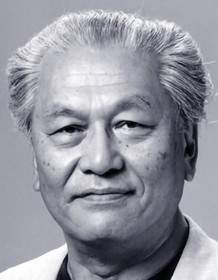
Takeshi Katô

Hiroshi Tachikawa

Akira Takahashi
Hideki Takahashi
Kiroku Nanbu
Jun Hamamura
Yūsuke Kawazu
Suppon "Turtle"
Chikako Miyagi
Yoshino Nanbu
Ken Mizoguchi
Ryoichi Sato
Iwae Arai
Tamaki Komiyama
Kayo Matsuo
Michio Hino
Isao Tamagawa
Principal
Asao Sano
Takehiko Maeda
Keisuke Noro
Kaneda
Hideo Fukuhara
Yūzō Harumi
Yoshiyuki Nemoto
Yū Izumi
Hiroshi Chiyoda
Daisuke Ōmi
Tadayuki Kitagami
Masaaki Honme
Hiroshi Chō
Akira Hisamatsu
Hiroshi Takao
Junko Asano
Michiko
Keiichi Ishikawa
Kensuke Akashi
Hiroyuki Atami
Yôko Hokota
Tetsurô Ishibiya
Seishirō Iwate
Keizô Kagawa
Masahiro Kataoka
Mitsuo Kataoka
Takuan
Wataru Kobayashi
Takashi Konagai
Hiroshi Midorikawa
Ikki Kita
Kuniya Mizukawa
Keiji Mizuki
Aiko Natsuyama
Seijirô Onda
Kiroku's Father
Kenichi Shikida
Hajime Sugiyama
Yoshihiko Tabata
Masahiro Yafuji
Yoshinori Ôba
External Links and Streaming Options
Discover where to watch Fighting Elegy online, including streaming platforms, rental options, and official sources. Compare reviews, ratings, and in-depth movie information across sites like IMDb, TMDb, Wikipedia or Letterboxd.




Full Plot Summary and Ending Explained for Fighting Elegy
Read the complete plot summary of Fighting Elegy, including all major events, twists, and the full ending explained in detail. Explore key characters, themes, hidden meanings, and everything you need to understand the story from beginning to end.
Kiroku Nanbu, Hideki Takahashi, is a Catholic teenager attending a militarized middle school in 1935 Bizen, Okayama. He lives in a boardinghouse and is infatuated with his landlady’s chaste daughter, Michiko, Junko Asano. Unable to express his feelings or his blossoming sexual frustration, Nanbu slips into violent outbursts and increasingly tense behavior.
Taken under the wing of his schoolmate Turtle, Nanbu is taught how to fight through an elaborate training regimen, gradually growing confident in his new skills. He then joins a school gang, the OSMS. A clash between the gang leader Takuan and Turtle erupts, and Nanbu ultimately seizes the OSMS by force, setting out a harsher, more rule-breaking manifesto that calls for actively flouting every school rule and steering clear of girls altogether. A confrontation with the drill sergeant leads to Nanbu’s suspension, an episode that deepens the rift between him and the authority figures who once guided him.
Turtle speaks to the school administration on Nanbu’s behalf, and the pair ultimately flee Okayama, leaving Michiko behind. They end up in Aizuwakamatsu, Fukushima, where Nanbu re-enters school but is shocked by what he perceives as his classmates’ weakness. He forms a new group and faces renewed clashes with a local gang, as his appetite for conflict grows and the old loyalties begin to blur. Michiko visits to bid him farewell and reveals she has decided to join a convent, unable to bear children. Her decision is underscored by her later capture amid marching soldiers, an event that heightens Nanbu’s distress.
Propelled by sorrow and a newly sharpened sense of purpose, Nanbu spots a poster for radical political activist Ikki Kita, whom he had briefly encountered in a tea house earlier, and the spark of renewed fervor lights a dangerous path. Hiroshi Midorikawa portrays Kita in the backdrop of Nanbu’s evolving mindset, and with this encounter, Nanbu marches forward into the February 26 Incident, driven by a mix of personal longing, disillusionment, and a willingness to challenge the world around him.

Coming soon on iOS and Android
The Plot Explained Mobile App
From blockbusters to hidden gems — dive into movie stories anytime, anywhere. Save your favorites, discover plots faster, and never miss a twist again.
Sign up to be the first to know when we launch. Your email stays private — always.
Explore the mobile appWatch Trailers, Clips & Behind-the-Scenes for Fighting Elegy
Watch official trailers, exclusive clips, cast interviews, and behind-the-scenes footage from Fighting Elegy. Dive deeper into the making of the film, its standout moments, and key production insights.
Fighting Elegy Themes and Keywords
Discover the central themes, ideas, and keywords that define the movie’s story, tone, and message. Analyze the film’s deeper meanings, genre influences, and recurring concepts.
Fighting Elegy Other Names and Titles
Explore the various alternative titles, translations, and other names used for Fighting Elegy across different regions and languages. Understand how the film is marketed and recognized worldwide.
Similar Movies To Fighting Elegy You Should Know About
Browse a curated list of movies similar in genre, tone, characters, or story structure. Discover new titles like the one you're watching, perfect for fans of related plots, vibes, or cinematic styles.










Quick Links: Summary, Cast, Ratings, More

What's After the Movie?
Not sure whether to stay after the credits? Find out!
Check out our other apps:

SAT Sphere
Build confidence for the Digital SAT.

Mori Atlas
Discover wild places worth protecting.

Luntero
Search smarter for a home in Amsterdam.

Plot Explained
Unravel movie endings and hidden clues.

Pokechamp
Dive into Pokémon data and battle logic.

Driving Theory
Get ready for your European theory test.

Movie Dust
Plan your next cinema trip with ease.

Musemap
Find art and culture as you travel.

Selkobase
Compare credentials before committing.

Local Manual
Turn an unfamiliar country into practical next steps.

Lernavi
Compare school systems before your next move.

GymRoam
Find a workout stop wherever your plans take you.
Explore Our Movie Platform
New Movie Releases (2026)
Famous Movie Actors
Top Film Production Studios
Movie Plot Summaries & Endings
Major Movie Awards & Winners
Best Concert Films & Music Documentaries
Movie Collections and Curated Lists
© 2026 What's After the Movie. All rights reserved.
Privacy Policy