What's After the Movie
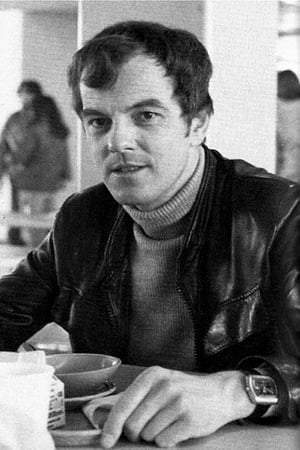
Peter Watkins
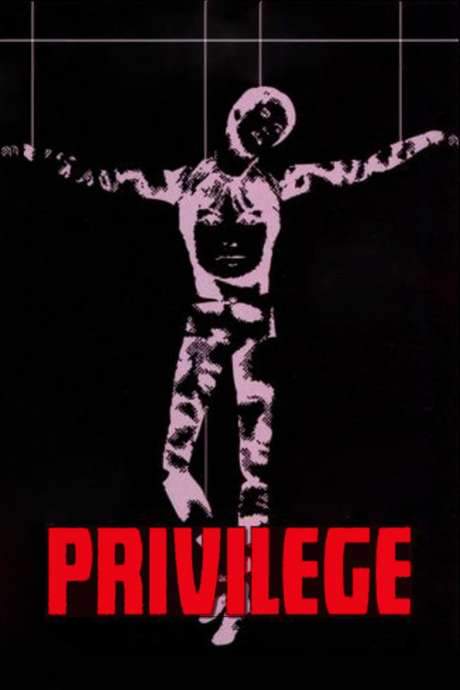
Peter Watkins (born 29 October 1935) is an English filmmaker, documentarian, screenwriter, producer, editor, and essayist whose career has spanned more than six decades. He emerged from a modest upbringing in Norbiton, Surrey, after his family moved several times during the Second World War, and he later completed National Service with the East Surrey Regiment before studying acting at the Royal Academy of Dramatic Art. Watkins began his professional journey at the BBC as an assistant producer, editor, and director of short television films and commercials, quickly developing a reputation for blending dramatized narrative with documentary techniques. His breakthrough came with the television film Culloden (1964), which reconstructed the 1745 Jacobite uprising using a style reminiscent of contemporary war reporting; the work earned him a Jacob’s Award and established him as a pioneer of the docudrama and mockumentary formats.**The War Game (1966), a chilling depiction of a nuclear attack on Britain, won the Academy Award for Documentary Feature despite being banned by the BBC for twenty years, underscoring his willingness to confront controversial political subjects. Throughout the 1970s and beyond, Watkins continued to challenge conventions with works such as Punishment Park—a provocative exploration of political violence in the United States—La Commune (2000), a massive reenactment of the Paris Commune employing ideological opponents as non‑professional actors, and the fourteen‑hour essay film Resan (The Journey), which surveyed nuclear disarmament across ten countries. His films are marked by a relentless critique of media hegemony, which he labels the “monoform,” and an insistence on audience participation in the construction of truth. After the poor reception of his early feature Privilege and a ban on The War Game, Watkins relocated abroad, creating later works in Sweden, Norway, Denmark, France, and elsewhere. He has also authored the book Media Crisis (2004), further articulating his theories on media control. Watkins’ personal life includes residences in Canada, Lithuania, and France; he is married to Vida Urbonavičius and is the father of two sons, Patrick and Gerard. His influence extends beyond cinema, inspiring peace activists such as John Lennon and Yoko Ono, and his legacy is celebrated by scholars who view his experimental approach as vital for re‑imagining the relationship between media, history, and politics.
Biography, Career & Filmography
Learn more about Peter Watkins, including a detailed biography, career timeline, personal life insights, and complete filmography. Discover how Peter Watkins rose to fame, their major roles, industry impact, and personal milestones in the world of film.
Given Name: Peter Watkins
Born: Norbiton, Surrey, England
Citizenship: British
Birthday: October 29, 1935
Occupations: film director, documentarian, screenwriter, producer, editor, essayist
Years Active: 1956-present
Children: 2
Spouses: Vida Urbonavičius
External Links and Streaming Options
Explore more about on trusted external platforms like Metacritic, Rotten Tomatoes, TMDb or Wikipedia. Find additional details, reviews, and related content to deepen your understanding.













Career Timeline
Track the complete movie timeline of Peter Watkins, including all film releases, career breakthroughs, and notable roles. Follow their journey from early performances to recent blockbusters and upcoming projects.

What's After the Movie?
Not sure whether to stay after the credits? Find out!
Check out our other apps:

SAT Sphere
Build confidence for the Digital SAT.

Mori Atlas
Discover wild places worth protecting.

Luntero
Search smarter for a home in Amsterdam.

Plot Explained
Unravel movie endings and hidden clues.

Pokechamp
Dive into Pokémon data and battle logic.

Driving Theory
Get ready for your European theory test.

Movie Dust
Plan your next cinema trip with ease.

Musemap
Find art and culture as you travel.

Selkobase
Compare credentials before committing.

Local Manual
Turn an unfamiliar country into practical next steps.

Lernavi
Compare school systems before your next move.

GymRoam
Find a workout stop wherever your plans take you.
Explore Our Movie Platform
New Movie Releases (2026)
Famous Movie Actors
Top Film Production Studios
Movie Plot Summaries & Endings
Major Movie Awards & Winners
Best Concert Films & Music Documentaries
Movie Collections and Curated Lists
© 2026 What's After the Movie. All rights reserved.
Privacy Policy