What's After the Movie
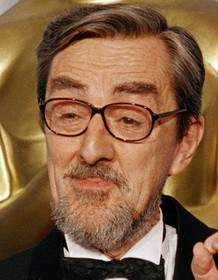
Gabriel Axel
Gabriel Axel (born Axel Gabriel Erik Mørch on 18 April 1918 in Aarhus, Denmark) was a seminal Danish filmmaker whose career spanned over five decades, encompassing directing, acting, writing and producing. Raised in a wealthy Danish manufacturing family, he spent his early years in Paris before the family's financial collapse forced him back to Denmark at age seventeen, where he learned cabinet‑making before enrolling at the Royal Danish Theatre acting school in 1942. After graduating in 1945 he returned to France, performing on stage for five years at venues such as the Théâtre de l'Athénée under Louis Jouvet and even producing Ludvig Holberg's Diderich Menschenskraek at the Théâtre de Paris in the winter of 1948‑1949. Returning to his native country in 1950, Axel quickly made a name as a bold stage director, tackling works by Marcel Aymé, Pierre Corneille and Jean Giraudoux, while simultaneously pioneering television drama, directing around forty‑eight TV plays between 1951 and 1968. His transition to cinema began at Nordisk Film in 1955 with the socially conscious debut Nothing But Trouble, followed by a breakthrough TV film A Woman Not Wanted in 1957 and a string of comedies and farces that cemented his reputation as a versatile storyteller.
In 1967 Axel achieved international recognition with the epic Nordic saga The Red Mantle, which entered the Cannes competition and earned a technical prize, and he continued to explore diverse genres, from the popular family comedy The Goldcabbage Family (1975) to the provocative Det kære legetøj (1968) advocating the legalization of pornography. The pinnacle of his career arrived in 1987 when he finally realized his long‑cherished adaptation of Karen Blixen's novella Babette's Feast. The film premiered at Cannes and subsequently captured the Academy Award for Best Foreign Language Film, bringing worldwide acclaim to Danish cinema. Later works such as Christian (1989), Prince of Jutland (1994) and Leïla (2001) demonstrated his continued willingness to experiment, even if they did not match his earlier success. Axel was honoured with the French National Order of Merit (1995), Commander of the Ordre des Arts et des Lettres (2000) and Officer of the Legion of Honour (2003), as well as a Lifetime Achievement Award at the Copenhagen International Film Festival and the Rungstedlund Award in 2012. He passed away peacefully in Bagsværd, near Copenhagen, on 9 February 2014 at the age of ninety‑five.
Biography, Career & Filmography
Learn more about Gabriel Axel, including a detailed biography, career timeline, personal life insights, and complete filmography. Discover how Gabriel Axel rose to fame, their major roles, industry impact, and personal milestones in the world of film.
Given Name: Axel Gabriel Erik Mørch
Born: Aarhus, Denmark
Citizenship: Danish
Birthday: April 18, 1918
Occupations: Film director, actor, writer, producer
Years Active: 1945-2001
Children: 4
Spouses: Lucie Juliette Laraignou
External Links and Streaming Options
Explore more about on trusted external platforms like Metacritic, Rotten Tomatoes, TMDb or Wikipedia. Find additional details, reviews, and related content to deepen your understanding.





Awards and Nominations Received by Gabriel Axel
Explore the awards, honors, and nominations Gabriel Axel has earned across their acting career. From prestigious wins to critical acclaim, see how their talent has been recognized by the film industry and major award bodies.
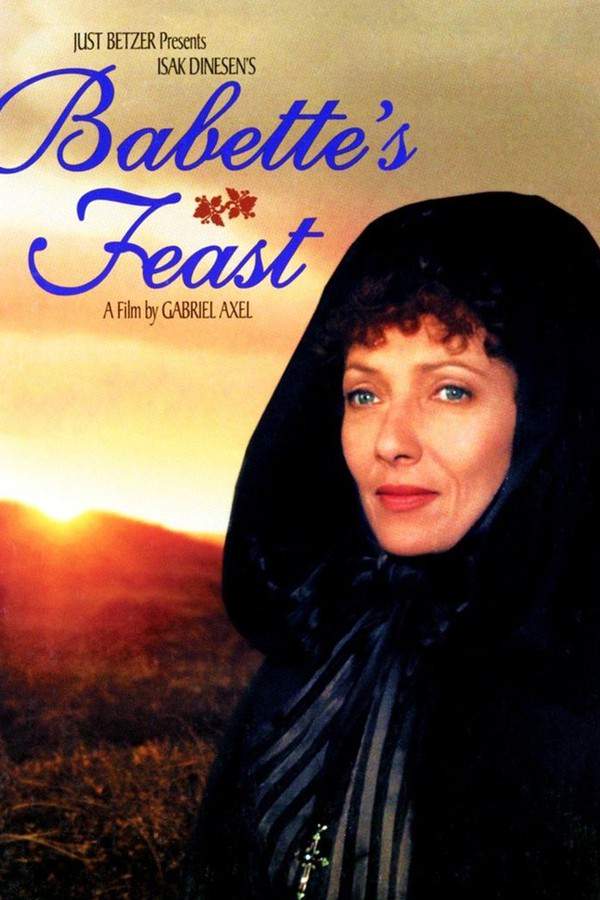


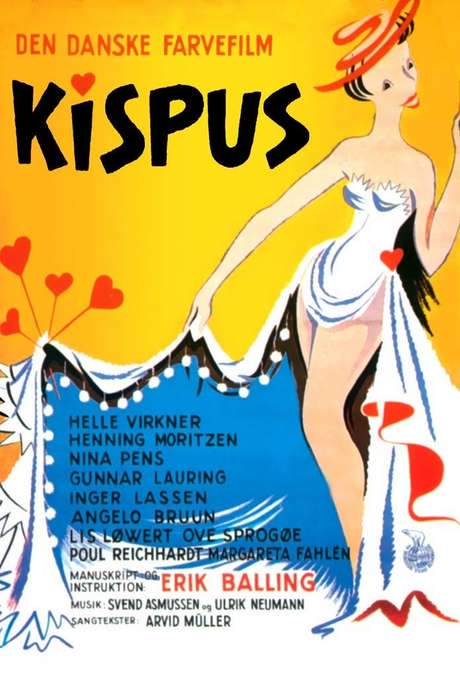


Career Timeline
Track the complete movie timeline of Gabriel Axel, including all film releases, career breakthroughs, and notable roles. Follow their journey from early performances to recent blockbusters and upcoming projects.

What's After the Movie?
Not sure whether to stay after the credits? Find out!
Check out our other apps:

SAT Sphere
Build confidence for the Digital SAT.

Mori Atlas
Discover wild places worth protecting.

Luntero
Search smarter for a home in Amsterdam.

Plot Explained
Unravel movie endings and hidden clues.

Pokechamp
Dive into Pokémon data and battle logic.

Driving Theory
Get ready for your European theory test.

Movie Dust
Plan your next cinema trip with ease.

Musemap
Find art and culture as you travel.

Selkobase
Compare credentials before committing.

Local Manual
Turn an unfamiliar country into practical next steps.

Lernavi
Compare school systems before your next move.

GymRoam
Find a workout stop wherever your plans take you.
Explore Our Movie Platform
New Movie Releases (2026)
Famous Movie Actors
Top Film Production Studios
Movie Plot Summaries & Endings
Major Movie Awards & Winners
Best Concert Films & Music Documentaries
Movie Collections and Curated Lists
© 2026 What's After the Movie. All rights reserved.
Privacy Policy