
Shanghai Film Studio Movies: Every Film & Box Office
Shanghai Film Studio has made 27 films from 1954 to 2006, earning $2.34M at the worldwide box office. Its biggest hits are To Live (1994) and Prince of the Himalayas (2006). Its most frequent director is Xie Jin (5 films). Most of its films are drama films (24 of 27).
- films
- 27
- worldwide box office
- $2.34M
- years active
- 1954–2006
- Film languages
- Chinese (26), Tibetan (1)
- Busiest decade
- The 1980s, 13 films
- Frequent director
- Xie Jin
What Are the Latest Shanghai Film Studio Movies?
The studio's most recent releases, newest first, starting with Prince of the Himalayas (2006).


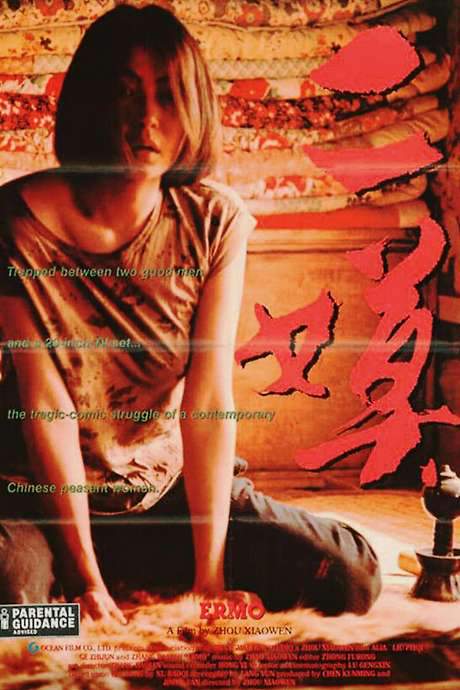


What Kind of Movies Does Shanghai Film Studio Make?
The studio's films by genre, decade and language. Most of its films are drama films (24 of 27). The 1980s were its busiest decade, with 13 films.
Shanghai Film Studio Movies by Genre
Shanghai Film Studio Movies by Decade
- 4 1950s
- 1 1960s
- 2 1970s
- 13 1980s
- 6 1990s
- 1 2000s
Shanghai Film Studio Movies by Language
-
 Chinese 26
 -
 Tibetan 1
Who Works With Shanghai Film Studio the Most?
The people credited on the most Shanghai Film Studio films. Niu Ben appears in 4 of them, and Xie Jin directed 5.
Directors Who Work With Shanghai Film Studio
Actors in the Most Shanghai Film Studio Movies
What Movies Has Shanghai Film Studio Made?
All 27 films, newest first, with the worldwide box office. Filter by genre or decade, or sort by score, box office or title.
Shanghai Film Studio Crime Movies
Which Studios Are Similar to Shanghai Film Studio?
The studios with the most Chinese drama films. Shanghai Film Studio has made 23 Chinese drama films, more than any other kind.
- Shaw Brothers 133 Chinese drama films
- Central Motion Picture Corporation 30 Chinese drama films
- Beijing Film Studio 28 Chinese drama films
- iQIYI 22 Chinese drama films
- Alibaba Pictures Group 21 Chinese drama films
- Well Go USA Entertainment 18 Chinese drama films
- China Lion Film Distribution 18 Chinese drama films
- China Film Group Corporation 18 Chinese drama films




Shanghai Film Studio: Questions and Answers
Films, hits, scores and what comes next, answered from the same data as this page.
How many movies has Shanghai Film Studio made?
Shanghai Film Studio has released 27 films, from 1954 to 2006. Its busiest decade was the 1980s, with 13 films.
See every film What is Shanghai Film Studio's highest-grossing movie?
To Live (1994) is Shanghai Film Studio's biggest box office hit, with $2.33M worldwide, ahead of Prince of the Himalayas (2006) ($10.2K).
Which director has made the most films with Shanghai Film Studio?
Xie Jin has directed 5 Shanghai Film Studio films, more than anyone else, followed by Wu Yigong (2) and Huang Shuqin (2).