What's After the Blog?
news • interview • analysis
V for Vendetta Director Backs Protest Use of Iconic Mask
James McTeigue expressed strong support for activist groups adopting the Guy Fawkes mask from his 2006 film to protect their identities during demonstrations. His remarks arrive as the symbol faces complex new interpretations amid contemporary debates over anonymous tactics employed by both protesters and government agencies.
March 17, 2026
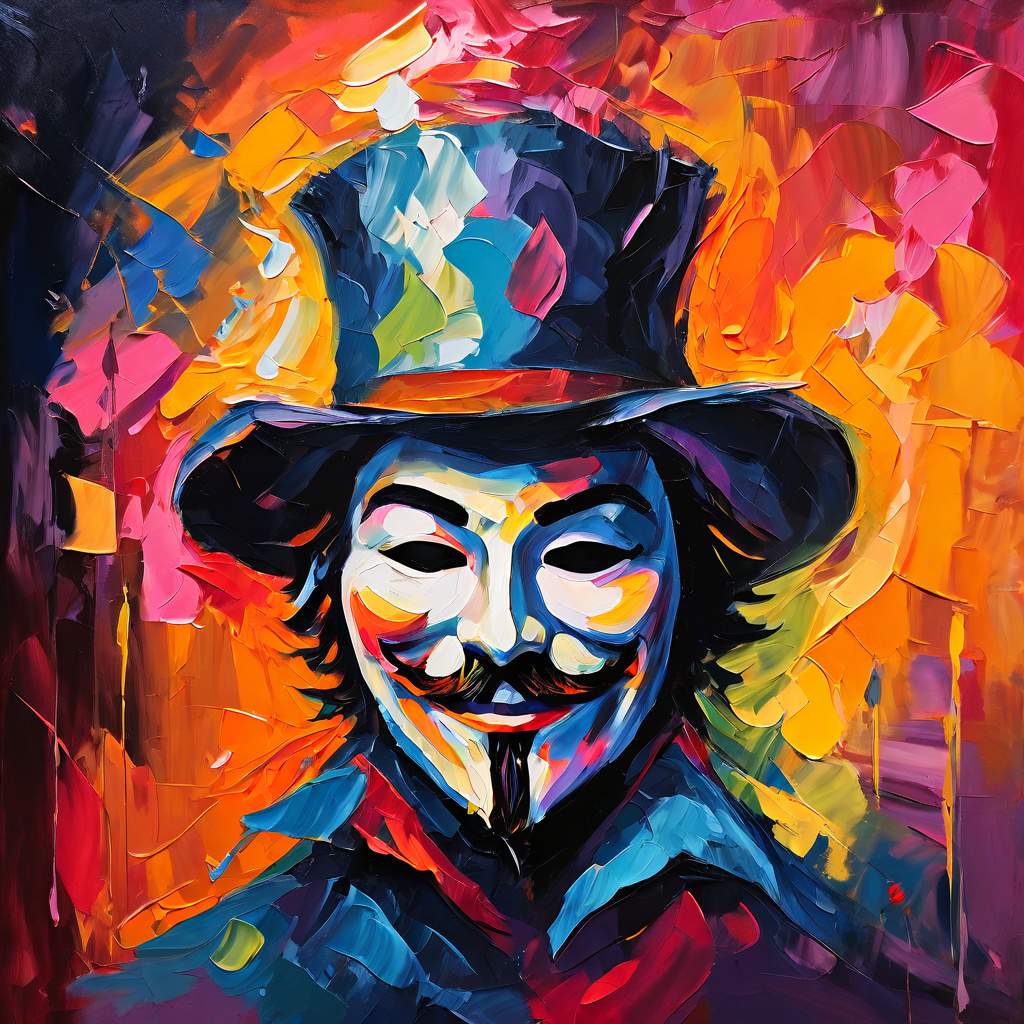
V for Vendetta Director Backs Protest Use of Iconic Mask
Twenty years after releasing one of Hollywood’s most politically charged blockbusters, director James McTeigue has reaffirmed his support for the real-world activist movements that have adopted his film’s imagery. In a recent interview marking the two-decade milestone of “V for Vendetta,” McTeigue endorsed the continued use of the Guy Fawkes mask by protest groups, framing the widespread adoption as validation that audiences understood the film’s core message about collective power and anonymous resistance.
The conversation arrives at a charged cultural moment, as the same visual symbol that once represented anti-fascist rebellion now appears in conflicting contexts across the political spectrum. McTeigue’s willingness to engage with this complexity underscores the lasting impact of the Warner Bros. release, which remains a touchstone for discussions about cinematic radicalism and commercial studio risk-taking.
Director Validates Activist Adoption of the Symbol
McTeigue described the cultural afterlife of his film as “the most amazing thing,” emphasizing that demonstrators wearing the mask have grasped the essential themes he and the Wachowskis embedded in the 2006 adaptation. According to the director, the anonymity provided by the stylized Guy Fawkes visage serves a specific protective function: allowing individuals to speak out without facing immediate arrest or public vilification.
The filmmaker specifically highlighted the mathematical shift from individual to collective action that the mask enables. By erasing specific facial identities, protesters emphasize what McTeigue calls the power of “we” over “I”—a dynamic he considers central to the film’s philosophy. This interpretation has found tangible expression in movements such as Anonymous, the anti-Scientology collective that famously adopted the mask to shield members during demonstrations outside facilities including the Scientology Celebrity Centre.
McTeigue indicated that he views this appropriation as evidence of the movie’s timeless quality. When audiences recognize that the mask allows them to challenge institutions without sacrificing personal safety, they demonstrate a sophisticated reading of the text that transcends simple cosplay or surface-level aesthetics. The director’s endorsement suggests he sees these activists not as fans reenacting scenes, but as participants in a genuine extension of the narrative’s political logic.
Hollywood Risk-Taking Amid Corporate Consolidation
The original production of “V for Vendetta” emerged from a Warner Bros. regime willing to greenlight what the article describes as “ideologically radical” material from major talent. The studio released both McTeigue’s adaptation of the Alan Moore graphic novel and, more recently, Paul Thomas Anderson’s politically provocative “One Battle After Another”—films that challenge audiences with uncomfortable political content rather than straightforward escapism.
This history of risk-taking now faces potential disruption amid industry consolidation. The article notes growing concerns about the pending merger between Warner Bros. and Paramount Skydance, which would install David Ellison as the studio’s new chief executive. Ellison’s friendship with Donald Trump has sparked speculation about whether future leadership will maintain the appetite for controversial, politically charged cinema that defined earlier eras.
While regulatory approval remains pending for the merger, the timing of McTeigue’s reflections carries weight. The director’s work emerged from a Hollywood system that permitted harsh critiques of authoritarianism through mass-market entertainment. Whether that environment persists depends heavily on corporate strategies that prioritize safe returns over cultural provocation—a tension familiar to anyone tracking the increasingly consolidated landscape of studio filmmaking.
When Protection Becomes Threat
McTeigue’s celebration of masking as a protest tactic exists in tension with its recent adoption by state actors. The same anonymity that shields demonstrators from retribution now reportedly conceals law enforcement officers conducting aggressive operations in American cities. Immigration and Customs Enforcement (ICE), Department of Homeland Security (DHS) personnel, and Border Patrol agents have increasingly operated with obscured identities while sweeping through Minneapolis, Los Angeles, and Washington D.C.
These masked operations have altered the symbolic mathematics of the Guy Fawkes visage:
- Activist Application: Protects civilians exercising speech rights; prevents individual targeting by institutions or counter-protesters
- Anonymous Collective: Historically used by anti-Scientology protesters to avoid harassment while documenting alleged abuses
- Law Enforcement Application: Shields officers during operations resulting in unarmed civilian shootings; complicates accountability for alleged extrajudicial violence
- Community Impact: Creates terror in diverse neighborhoods under the guise of immigration enforcement; masks identities during contested arrests
The article draws a stark parallel between the film’s anti-fascist messaging and the current use of anonymity by what it characterizes as “the very fascists the film opposes.” This appropriation parallels other instances of cinematic misreading, such as the adoption of “Fight Club” iconography by groups antithetical to David Fincher’s critique of toxic masculinity. McTeigue supports the mask’s use by those resisting cults and authoritarian structures, but acknowledges the darker applications that have emerged in recent years.
Twenty Years of Cultural Resonance
Despite—or perhaps because of—these contradictions, “V for Vendetta” maintains remarkable relevance in 2026. The film’s endurance stems partly from its structural openness; by creating a visual vocabulary for anonymous resistance, it provided tools that outlasted its specific narrative moment. McTeigue suggests this adaptability proves the audience “got the movie” in ways that allow continued reapplication across changing political landscapes.
The director’s pride in this legacy remains complicated by reality. While he celebrates those who use the mask to challenge Scientology or resist authoritarian overreach, he cannot control its use by Immigration and Customs Enforcement agents or other masked government actors. This duality speaks to the limitation of authorial intent once a text enters popular culture—symbols acquire independent lives that may contradict their origins.
Nevertheless, McTeigue’s willingness to stand by the original interpretation offers a rare instance of a filmmaker affirming the radical potential of their own commercial work. Twenty years later, the conversation around “V for Vendetta” has shifted from box office performance to lived political practice, a trajectory few studio releases achieve.
What’s After the Movie?
If you’re exploring the cultural impact of films like “V for Vendetta” or tracking how cinematic imagery influences real-world movements, What’s After the Movie offers comprehensive coverage of industry news, box office trends, and spoiler-free summaries. Our platform tracks the conversations that extend beyond the credits, including director interviews, award season analysis, and the evolving relationship between Hollywood releases and political discourse. Visit our movies section for detailed information on classic and contemporary political cinema, or check our blog for ongoing coverage of entertainment industry developments.
Continue reading



What's After the Movie?
Not sure whether to stay after the credits? Find out!
Check out our other apps:

SAT Sphere
Build confidence for the Digital SAT.

Mori Atlas
Discover wild places worth protecting.

Luntero
Search smarter for a home in Amsterdam.

Plot Explained
Unravel movie endings and hidden clues.

Pokechamp
Dive into Pokémon data and battle logic.

Driving Theory
Get ready for your European theory test.

Movie Dust
Plan your next cinema trip with ease.

Musemap
Find art and culture as you travel.

Selkobase
Compare credentials before committing.

Local Manual
Turn an unfamiliar country into practical next steps.

Lernavi
Compare school systems before your next move.

GymRoam
Find a workout stop wherever your plans take you.
Explore Our Movie Platform
New Movie Releases (2026)
Famous Movie Actors
Top Film Production Studios
Movie Plot Summaries & Endings
Major Movie Awards & Winners
Best Concert Films & Music Documentaries
Movie Collections and Curated Lists
© 2026 What's After the Movie. All rights reserved.
Privacy Policy