What's After the Blog?
analysis • feature
Which Spider-Man Movie Best Captures Stan Lee's Original Comic Run?
A comprehensive analysis examines how Sam Raimi's trilogy, Marc Webb's "Amazing Spider-Man," and the MCU's Holland films compare to Stan Lee's first 100 issues of Amazing Spider-Man. While Andrew Garfield's portrayal comes closest to Peter Parker's original personality, one film stands out as the truest adaptation of the Lee era's style and tone.
April 29, 2026
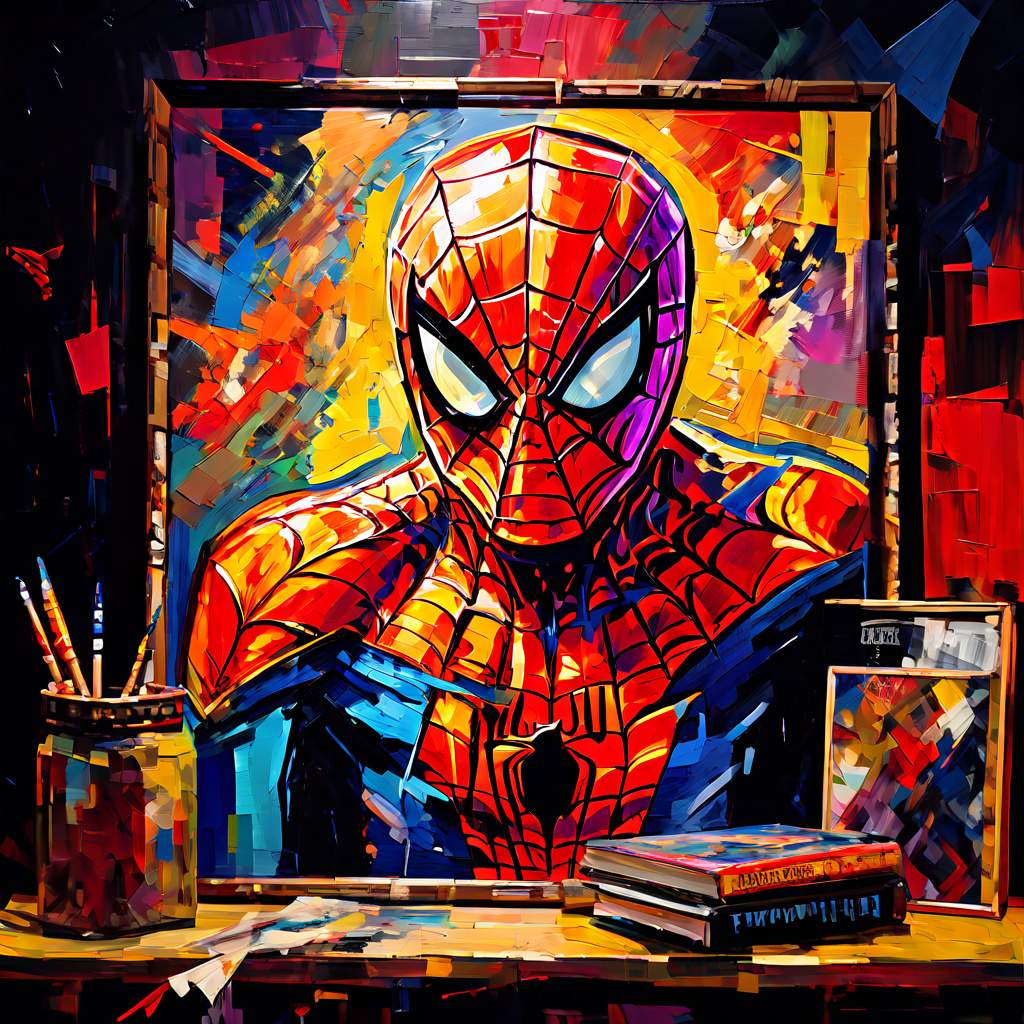
Which Spider-Man Movie Best Captures Stan Lee’s Original Comic Run?
Stan Lee’s fingerprints remain on every Spider-Man story told across any medium. After co-creating the wall-crawler with Steve Ditko in 1962’s “Amazing Fantasy” #15, Lee proceeded to write the first 100 issues of “The Amazing Spider-Man,” shepherding the character through distinct artistic eras—from Ditko’s neurotic, angular dynamism to John Romita Sr.’s romantic, soap-opera flourishes. This foundational run established Peter Parker not as a confident billionaire or alien god, but as a sharp-tongued outcast navigating super-heroics alongside high school humiliations and collegiate love triangles. For modern audiences wondering which cinematic incarnation truly honors these origins, a comprehensive comparison of the three major live-action franchises reveals surprising insights about fidelity, tone, and character accuracy.
The Source Material: From Ditko’s Outcast to Romita’s Melodrama
Lee’s 100-issue tenure represents one of comic book history’s most significant sustained narratives. Working first with Ditko and later with Romita Sr. and Gil Kane, Lee crafted a Spider-Man defined by constant financial struggle, scientific curiosity, and abrasive wit. The early Ditko issues portrayed Peter Parker as genuinely unpleasant—resentful toward Flash Thompson’s bullying, standoffish with classmates, and arrogantly selfish when first gaining powers. This iteration famously let Uncle Ben’s killer escape not from petty revenge, but from pure self-interest, a detail that fundamentally shaped the character’s guilt-driven motivation.
When Romita took over penciling duties in 1966, having previously drawn romance comics, the tone shifted toward heightened emotional drama. The love triangle between Peter, Gwen Stacy, and Mary Jane Watson became central, alongside operatic tragedies like the death of Captain George Stacy. Key arcs from this period—including “If This Be My Destiny…” (issue #33) where Spider-Man lifts heavy machinery to save himself, and the two-part “The Night Gwen Stacy Died” (issues #121-122)—remain touchstones that filmmakers reference decades later. Understanding these transitions proves essential when evaluating which movies successfully translate Lee’s evolving vision.
Sam Raimi’s Trilogy: Vintage Style and Structural Fidelity
Director Sam Raimi, born in 1959, grew up reading these exact comics, and his 2002 “Spider-Man” deliberately channels the vintage aesthetic of Lee’s era. Rather than modernizing the material, Raimi embraced anachronisms that contemporary audiences might find dated—most notably J. Jonah Jameson as a bombastic newspaper publisher operating from a bustling newsroom, lifted directly from Ditko’s panels despite print journalism’s decline in the 21st century. Raimi’s showman-like directorial style mirrors Lee’s own carnival-barker narration and editorial voice.
The Raimi films faithfully reproduce specific visual and narrative beats from across Lee’s run: • “Spider-Man 2” recreates Romita’s iconic splash page from “Amazing Spider-Man” #50, showing Peter abandoning his costume in a trash can • J.K. Simmons’ portrayal of J. Jonah Jameson captures the cigar-chomping, tight-fisted publisher exactly as rendered in early issues • The patriotic imagery—Spider-Man posing before American flags—mirrors classic Marvel’s post-war nationalism prevalent in Lee’s writing • Harry Osborn’s amnesia subplot in “Spider-Man 3” reflects Lee’s frequent narrative device for temporarily erasing characters’ knowledge of secret identities • The interwoven romance draws from Romita’s college-era melodrama, streamlining the “Ultimate Spider-Man” comic’s approach of making MJ and Harry high school classmates rather than college introductions
However, Tobey Maguire’s portrayal softens Peter’s rougher edges. Where Lee’s Parker verbally sparred with bullies and stewed in resentment, Maguire plays him as a plucky, gormless nice boy—literally chasing after school buses he misses rather than leaning against walls with chip-on-shoulder hostility.
Andrew Garfield and the Pursuit of Comic Accuracy
If Raimi captured the era’s style, Marc Webb’s “The Amazing Spider-Man” (2012) arguably captures the protagonist’s personality most faithfully. Andrew Garfield’s interpretation presents Peter as genuinely angry, arrogant, and socially isolated—traits central to Lee and Ditko’s original conception. This Peter insults Flash Thompson rather than shrinking away, and his initial decision to let the burglar escape stems from selfishness rather than the “slighted” motivation used in Raimi’s version.
Garfield’s Spider-Man also restores the character’s sharp-tongued wit, constantly talking during fights in ways Maguire’s largely silent web-slinger never did. While “The Amazing Spider-Man” adapts Captain Stacy’s death (played by Dennis Leary) and references the genetic alteration angle from later comics, its greatest fidelity lies in Peter’s fundamental unpleasantness—showing a teenager whose intelligence and power initially inflate his ego before tragedy forces maturity. This version understands that Lee’s original Peter was not immediately likable, but rather grew into heroism through failure and consequence.
Tom Holland and the Shared Universe Approach
Tom Holland’s Marvel Cinematic Universe iteration presents a different kind of accuracy: the interconnected super-hero landscape. Lee’s “Amazing Spider-Man” issues were notable for their constant crossovers—meeting the Fantastic Four in issue #1, fighting Doctor Doom in issue #5, and regularly encountering other Marvel heroes like the Human Torch. While previous films isolated Spider-Man in self-contained narratives, Holland’s version exists within a web of Avengers, finally realizing the shared universe approach Lee pioneered in 1960s comics.
Holland’s Peter strikes a middle ground—more charming than Maguire’s awkward wallflower but less abrasive than Garfield’s snarky outsider. The MCU films reference iconic moments like the rubble sequence from “If This Be My Destiny” in “Spider-Man: Homecoming,” yet filter them through a modern, technologically integrated context featuring Stark Industries gadgets that differ from Lee’s original Cold War-era settings. This Spider-Man captures the “friendly neighborhood” aspect while sacrificing some of the financial desperation and social isolation that defined Lee’s original characterization.
The Verdict: Style Versus Substance
While Andrew Garfield delivers the most comic-accurate Peter Parker personality—particularly capturing the Ditko era’s angry young man—Sam Raimi’s 2002 “Spider-Man” ultimately best captures the complete Stan Lee experience. Raimi’s film understands that Lee’s comics weren’t merely about character tics but about tone: the operatic romance, the showmanship, the retro-New York texture, and the perpetual sense that Peter’s good deeds would always be punished by public misunderstanding.
Raimi translates the feeling of reading those early issues—the sense that Spider-Man exists in a world slightly out of time, where newspaper headlines matter as much as super-villains, and where personal sacrifice defines heroism more than technological upgrades or shared universe connections. For viewers seeking the authentic flavor of Stan Lee’s first 100 issues, the Raimi trilogy, despite its occasional corniness and Maguire’s softer central performance, remains the definitive cinematic translation of the Lee/Romita aesthetic.
Explore Spider-Man’s Cinematic Legacy
Whether you’re comparing comic adaptations or tracking the wall-crawler’s box office evolution, What’s After the Movie provides comprehensive coverage of your favorite franchises. Our platform offers detailed movie summaries, ending explanations, spoiler-free guides, and industry analysis to enhance your viewing experience. Visit https://www.whatsafterthemovie.com to explore our complete Spider-Man collection, check current https://www.whatsafterthemovie.com/box-office statistics, or discover how other comic book adaptations measure up against their source material.
Continue reading


What's After the Movie?
Not sure whether to stay after the credits? Find out!
Check out our other apps:

SAT Sphere
Build confidence for the Digital SAT.

Mori Atlas
Discover wild places worth protecting.

Luntero
Search smarter for a home in Amsterdam.

Plot Explained
Unravel movie endings and hidden clues.

Pokechamp
Dive into Pokémon data and battle logic.

Driving Theory
Get ready for your European theory test.

Movie Dust
Plan your next cinema trip with ease.

Musemap
Find art and culture as you travel.

Selkobase
Compare credentials before committing.

Local Manual
Turn an unfamiliar country into practical next steps.

Lernavi
Compare school systems before your next move.

GymRoam
Find a workout stop wherever your plans take you.
Explore Our Movie Platform
New Movie Releases (2026)
Famous Movie Actors
Top Film Production Studios
Movie Plot Summaries & Endings
Major Movie Awards & Winners
Best Concert Films & Music Documentaries
Movie Collections and Curated Lists
© 2026 What's After the Movie. All rights reserved.
Privacy Policy