What's After the Blog?
news • industry
Russell Johnson Regretted Working With Ronald Reagan on 1953 Western
The "Gilligan's Island" actor Russell Johnson harbored deep regret over starring alongside Ronald Reagan in the 1953 Western "Law and Order" due to political conflicts during Hollywood's Red Scare era. In his memoir, the decorated World War II veteran detailed his clashes with Reagan, who served as Screen Actors Guild president while participating in the industry's anti-Communist investigations.
April 8, 2026
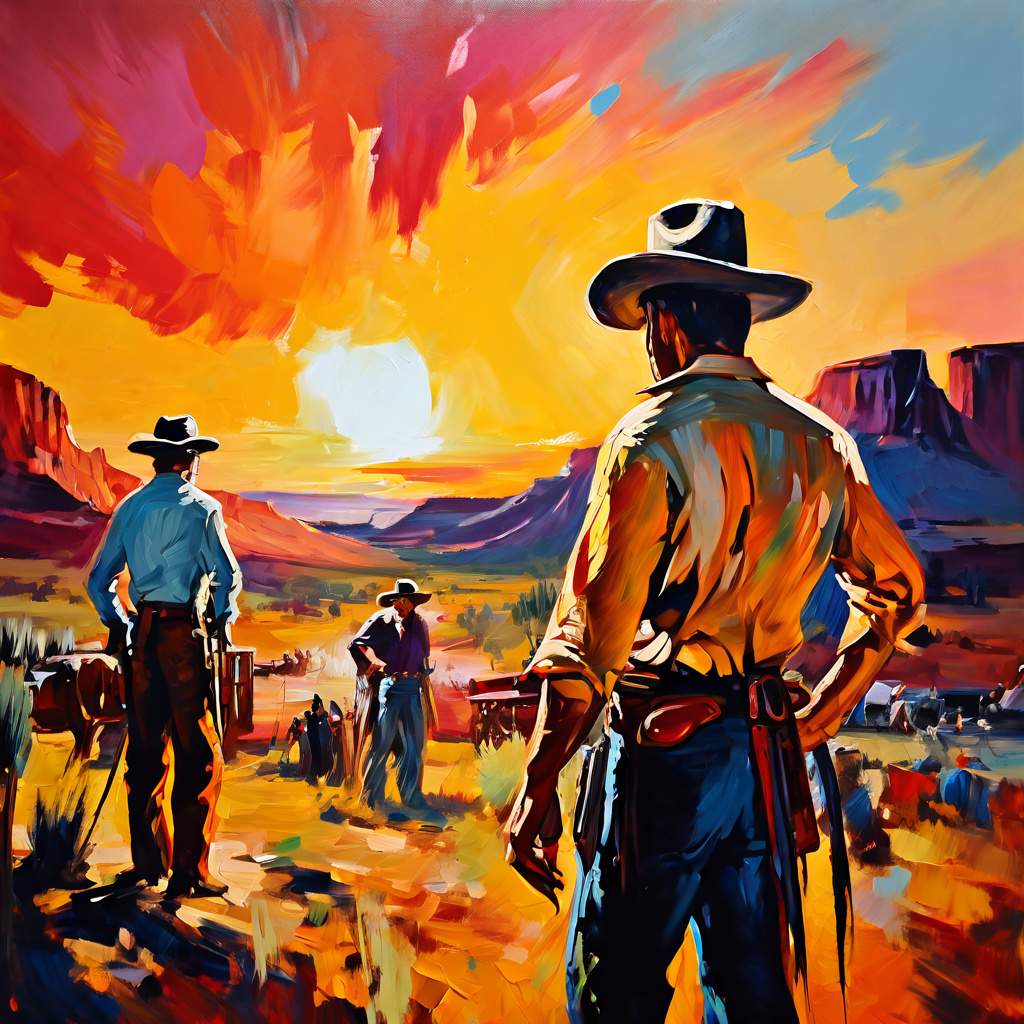
Russell Johnson Regretted Working With Ronald Reagan on 1953 Western
Long before he became known as the Professor on “Gilligan’s Island,” Russell Johnson built a career in 1950s Westerns under contract with Universal Pictures. While the actor eventually made peace with his sitcom legacy after years of resentment, one professional collaboration remained a lasting source of regret. In his memoir “Here on Gilligan’s Isle,” Johnson detailed the tension he experienced working alongside Ronald Reagan in the 1953 Western “Law and Order,” citing profound political and moral disagreements that colored their time on set. The conflict stemmed from Reagan’s role as Screen Actors Guild president during Hollywood’s Red Scare era, creating a behind-the-scenes dynamic that Johnson found deeply troubling.
The Professor’s Early Career and Western Roles
Russell Johnson achieved television immortality as Roy Hinkley, the science-savvy castaway known simply as the Professor, on CBS’s “Gilligan’s Island” during its three-season run in the mid-1960s. For years following the show’s cancellation, Johnson struggled with typecasting and initially regretted taking the role, feeling destined for more serious dramatic work. However, he eventually embraced the character’s enduring popularity before his death in 2014 at age 89.
Prior to his sitcom fame, Johnson established himself as a reliable presence in Westerns throughout the 1950s. Under his Universal contract, he appeared in numerous oaters including the 1955 adventure “Many Rivers to Cross,” where he coincidentally shared the screen with Alan Hale Jr., who would later play the Skipper alongside Johnson’s Professor. Yet among these genre entries, the 1953 production “Law and Order” stood out not for artistic achievement but for the political animosity that simmered between co-stars.
On Set of ‘Law and Order’
Directed by Nathan Juran, who had previously worked as an art director on acclaimed films like “How Green Was My Valley,” the 1953 Western represented standard fare for the era’s genre output. The narrative followed Marshal Frame Johnson, portrayed by Reagan, as he arrested the outlaw known as The Durango Kid and transported him to Tombstone, Arizona. Johnson played Jimmy, the marshal’s younger brother, alongside Alex Nicol as another sibling, Luther, and Dorothy Malone as Frame’s love interest Jeannie.
The plot centered on Frame’s attempt to leave his gunslinging past behind after an angry mob threatens his prisoner, only to have his dreams of peaceful domestic life shattered by rancher Kurt Durling, played by Preston Foster. While the film followed conventional Western tropes of justice and frontier violence, the real drama unfolded away from the cameras. Johnson later recalled that the production occurred while “the Red Scare was fully inflamed around Hollywood,” casting a shadow over the entire shoot.
Hollywood’s Red Scare and Professional Conflict
The animosity between Johnson and Reagan rooted itself in the political climate of early 1950s Hollywood and Reagan’s influential position as president of the Screen Actors Guild. Reagan had testified before the House Un-American Activities Committee as a “friendly witness,” informing investigators that a small faction within SAG allegedly employed Communist tactics. This testimony placed him at odds with liberal actors and union members, including Johnson, who viewed the future president as “an anathema.”
Johnson, though never a Communist Party member, faced suspicion due to his attendance at the Actors Lab, an institution labeled a Communist-front organization by investigators. This association led to accusations that he was a Communist sympathizer or “fellow traveler,” guilt by association that Reagan apparently accepted. According to Johnson’s memoir, Reagan remained suspicious of anyone who didn’t fit a conservative mold, viewing potential subversion everywhere.
The actor recalled confronting Reagan alongside co-star Alex Nicol, challenging the SAG president’s increasingly paranoid views. When they suggested he was going overboard with anti-Communist fervor, Reagan dismissed their concerns, reportedly stating, “Oh no, you guys are naive. You don’t know. There are people trying to take over the country, and they have to be stopped!” For Johnson, these political views made working alongside Reagan an unpleasant necessity rather than a professional opportunity.
Military Service and Personal Resentment
The divide between the two actors deepened when Johnson contrasted their respective military records during World War II. Johnson served as a decorated combat veteran, flying missions in the Pacific theater until he was shot down over a tropical island—a detail that carries ironic weight given his later role as a castaway. His service earned him a Purple Heart for injuries sustained during his deployment.
Reagan, by contrast, remained stateside throughout the conflict, stationed at the old Hal Roach Studios in Culver City, California, nicknamed “Fort Roach.” There, he produced military training films rather than seeing active combat overseas. Johnson noted this disparity with evident frustration, writing that his own wartime sacrifice meant nothing to Reagan in terms of political loyalty. “This whole period in America made me sick,” Johnson reflected, referencing the era’s witch hunts that questioned the patriotism of veterans like himself while elevating figures who had avoided frontline service.
At a Glance: Key Details
- Film: “Law and Order” (1953), directed by Nathan Juran
- Stars: Ronald Reagan as Marshal Frame Johnson; Russell Johnson as Jimmy Johnson
- Context: Produced during height of Hollywood Red Scare and HUAC investigations
- Source Material: Johnson’s memoir “Here on Gilligan’s Isle”
- Key Conflict: Reagan’s SAG presidency and anti-Communist testimony vs. Johnson’s liberal politics and Actors Lab association
- Military Records: Johnson (Purple Heart, shot down in Pacific) vs. Reagan (Stateside film production)
What’s After the Movie
Looking back at Hollywood’s golden age reveals the complex personal histories behind even the most routine Western programmers. If you’re interested in exploring more classic cinema, behind-the-scenes industry conflicts, or the complete filmographies of television legends, What’s After the Movie offers comprehensive coverage. Our database includes detailed movie information, box office history, and spoiler-free summaries for thousands of titles spanning every era of film and television. Visit our movies collection to discover more stories from Hollywood’s past and present.
Continue reading




What's After the Movie?
Not sure whether to stay after the credits? Find out!
Check out our other apps:

SAT Sphere
Build confidence for the Digital SAT.

Mori Atlas
Discover wild places worth protecting.

Luntero
Search smarter for a home in Amsterdam.

Plot Explained
Unravel movie endings and hidden clues.

Pokechamp
Dive into Pokémon data and battle logic.

Driving Theory
Get ready for your European theory test.

Movie Dust
Plan your next cinema trip with ease.

Musemap
Find art and culture as you travel.

Selkobase
Compare credentials before committing.

Local Manual
Turn an unfamiliar country into practical next steps.

Lernavi
Compare school systems before your next move.

GymRoam
Find a workout stop wherever your plans take you.
Explore Our Movie Platform
New Movie Releases (2026)
Famous Movie Actors
Top Film Production Studios
Movie Plot Summaries & Endings
Major Movie Awards & Winners
Best Concert Films & Music Documentaries
Movie Collections and Curated Lists
© 2026 What's After the Movie. All rights reserved.
Privacy Policy