What's After the Blog?
news • industry
One Piece Ties Superman as Best-Selling Comic Series Ever
The iconic manga *One Piece* has officially surpassed 600 million copies in print, tying DC Comics' *Superman* as the best-selling comic series of all time. Eiichiro Oda's pirate epic achieved this milestone in less than 30 years, compared to Superman's eight decades in circulation.
March 5, 2026
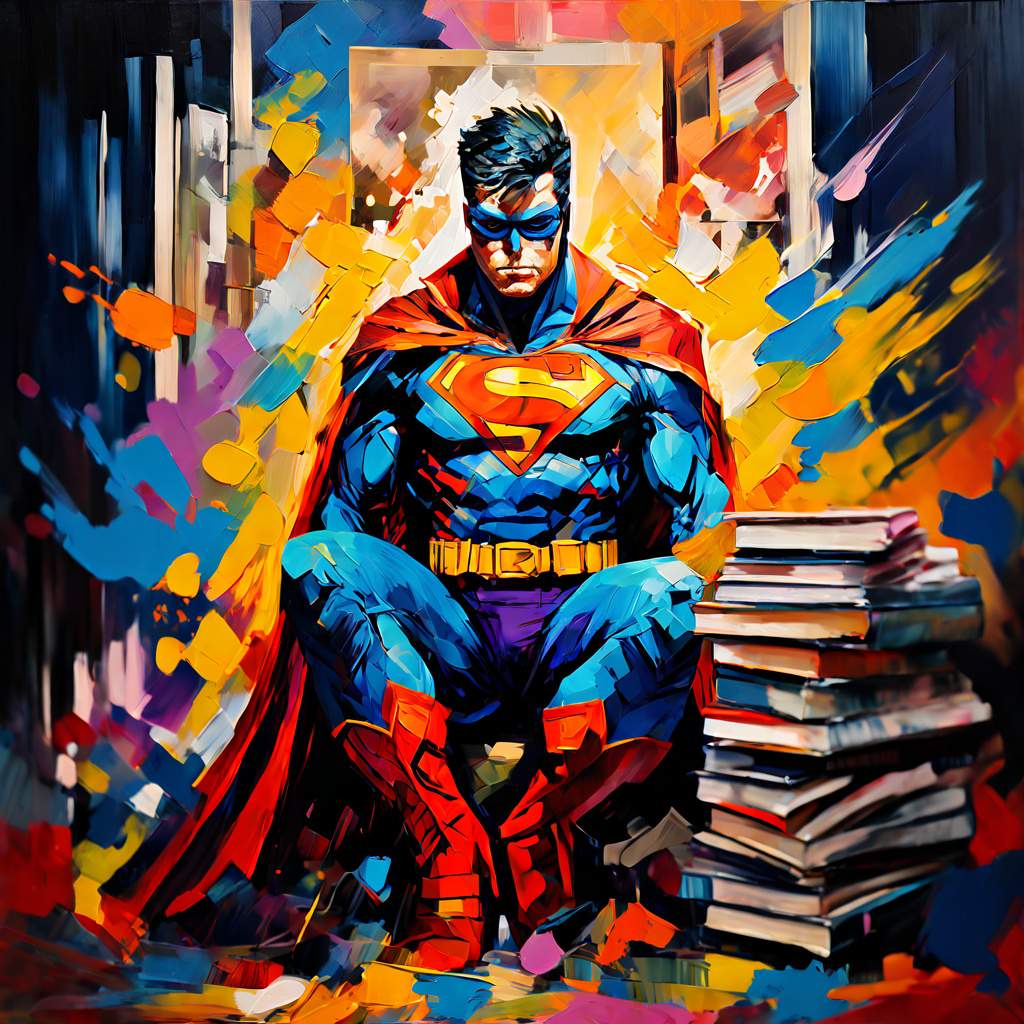
One Piece Ties Superman as Best-Selling Comic Series Ever
Eiichiro Oda’s One Piece has officially entered the highest echelon of publishing history. The franchise’s official YouTube channel announced that the manga has surpassed 600 million copies sold in print, tying DC Comics’ Superman as the best-selling comic book series of all time. This achievement arrives nearly three decades after the pirate saga first set sail in 1997, cementing Oda’s status as one of the most prolific creators in the medium while setting the stage for a major revelation about the series’ central mystery.
To commemorate the occasion, Oda has revealed what the titular “One Piece” treasure actually is—though the announcement comes with a catch, keeping the specific details shrouded in secrecy to preserve the narrative’s climax. The milestone reflects not merely commercial success, but the endurance of a single creative vision maintained across generations of readers.
The 600 Million Copy Milestone
The announcement marks a historic threshold for the manga industry. With cumulative print sales exceeding 600 million copies, One Piece now shares the record with Superman, the DC icon who has dominated the comic landscape since 1938. The franchise celebrated this accomplishment by releasing the sales figures through its official channels, accompanied by the tantalizing promise from Oda regarding the true nature of the treasure that has driven the narrative for nearly 1,200 chapters.
This figure represents physical print sales worldwide, a particularly impressive metric in an era increasingly dominated by digital distribution. While digital readership through platforms and apps continues to grow, these numbers reflect the enduring power of collected volumes and weekly magazine sales that have sustained the series for decades. The physical format remains particularly significant in the Japanese market, where tankobon volumes continue to represent a substantial portion of publisher revenue.
Three Decades of Weekly Storytelling
What makes this sales figure staggering is not merely the number itself, but the velocity at which Oda achieved it. While Superman has enjoyed the benefit of continuous publication since the late 1930s—spanning multiple wars, cultural shifts, and media revolutions—One Piece reached the same milestone in approximately one-third of the time.
Since debuting in Weekly Shonen Jump in 1997, the series has expanded from a straightforward adventure into a modern epic that transcends its initial premise. What began as the tale of Monkey D. Luffy seeking the legendary treasure known as the One Piece has evolved into a complex narrative spanning nearly 1,200 chapters. The story encompasses globe-spanning odysseys, encounters with mythical creatures including giants, dragons, and zombies, and intricate geopolitical conflicts involving wars, revolutions, and genocide that unfold behind the scenes to enrich the worldbuilding.
The manga’s serialization schedule reflects an almost unprecedented level of consistency in creative output. For 26 years, Oda has maintained a weekly release rhythm that has produced:
- Nearly 1,200 manga chapters published continuously
- An anime adaptation reaching 1,156 episodes
- Multiple feature films and supplementary materials
- A live-action adaptation produced by Netflix
- Status as the best-selling manga series in history prior to this milestone
The Creator’s Relentless Work Ethic
Behind these numbers lies a grueling production schedule that has become legendary within the manga industry. Oda functions as both writer and primary illustrator for every chapter, employing assistants primarily for background details, inking support, and technical elements rather than primary artwork. This hands-on approach has resulted in a publication pace that sees new chapters released virtually every single week since 1997.
The comparison to other prolific authors highlights the intensity of this output. In approximately the same amount of time that fans have waited for George R. R. Martin to publish a single book in the A Song of Ice and Fire series, Oda has produced roughly 550 chapters of One Piece—essentially half the entire series—maintaining an almost non-stop weekly schedule.
The demands of this schedule have taken their toll. Health concerns regarding manga creators are well-documented within the industry, with the intensive weekly deadline structure causing numerous creators to experience burnout, repetitive strain injuries, or other medical complications. Oda’s own breaks have been minimal over nearly three decades; the longest hiatus recorded lasted merely one month, taken specifically to visit the set of the live-action adaptation rather than for health reasons. This suggests a work rhythm that, while productive, raises ongoing questions about sustainability within the manga industry.
Comparing Comic Industry Titans
The parity between One Piece and Superman highlights shifting dynamics in global entertainment consumption. Superman’s 600 million estimate spans multiple generations and includes decades of spin-offs, reboots, and alternative universe titles, making precise calculation difficult. The character has benefited from being a cornerstone of American pop culture during the medium’s entire modern history, appearing across countless titles and formats since 1938.
By contrast, One Piece achieved its numbers primarily through a single continuous narrative rather than decades of rebooted continuity. The manga’s sales reflect concentrated engagement with one cohesive storyline maintained by a single creative vision across nearly three decades. This distinction underscores the changing nature of comic consumption globally, where Japanese manga has increasingly dominated international markets traditionally held by American superhero comics.
The comparison also illuminates different publishing models. While American comics often rely on multiple creative teams handling established properties through various continuities, Oda’s singular authorship of One Piece represents a different approach to long-form serial storytelling—one that has now proven capable of matching the commercial reach of the most established Western icons. The fact that One Piece achieved this parity in roughly 27 years, compared to Superman’s 86 years, suggests a remarkable intensity of reader engagement.
The Future of the Franchise
Despite reaching this historic sales plateau, One Piece shows no signs of concluding. The narrative continues to introduce new mysteries while gradually revealing long-held secrets, with Oda confirming that the endgame is approaching but not imminent. The recent revelation regarding the nature of the One Piece treasure—however hedged—suggests the creator is preparing readers for the final saga while maintaining suspense about the specific details.
The franchise has simultaneously expanded across multiple media platforms. The live-action adaptation, which prompted Oda’s rare break from the manga schedule, has introduced the property to new demographics, while the anime continues its decades-long broadcast run. With Oda currently ranked as the eighth best-selling author of all time across all literature—just behind the creator of the Harry Potter series—industry observers note that he could potentially climb even higher in the rankings before the story reaches its conclusion.
Explore More Entertainment Industry News
Stay updated on the latest publishing milestones, box office records, and industry-shaking announcements with What’s After the Movie. Our platform delivers comprehensive coverage of entertainment news, from record-breaking comic sales to major film and television developments. Visit our industry news section for in-depth analysis, or explore our awards and records coverage to track the biggest achievements across film, television, and publishing.
Continue reading




What's After the Movie?
Not sure whether to stay after the credits? Find out!
Check out our other apps:

SAT Sphere
Build confidence for the Digital SAT.

Mori Atlas
Discover wild places worth protecting.

Luntero
Search smarter for a home in Amsterdam.

Plot Explained
Unravel movie endings and hidden clues.

Pokechamp
Dive into Pokémon data and battle logic.

Driving Theory
Get ready for your European theory test.

Movie Dust
Plan your next cinema trip with ease.

Musemap
Find art and culture as you travel.

Selkobase
Compare credentials before committing.

Local Manual
Turn an unfamiliar country into practical next steps.

Lernavi
Compare school systems before your next move.

GymRoam
Find a workout stop wherever your plans take you.
Explore Our Movie Platform
New Movie Releases (2026)
Famous Movie Actors
Top Film Production Studios
Movie Plot Summaries & Endings
Major Movie Awards & Winners
Best Concert Films & Music Documentaries
Movie Collections and Curated Lists
© 2026 What's After the Movie. All rights reserved.
Privacy Policy